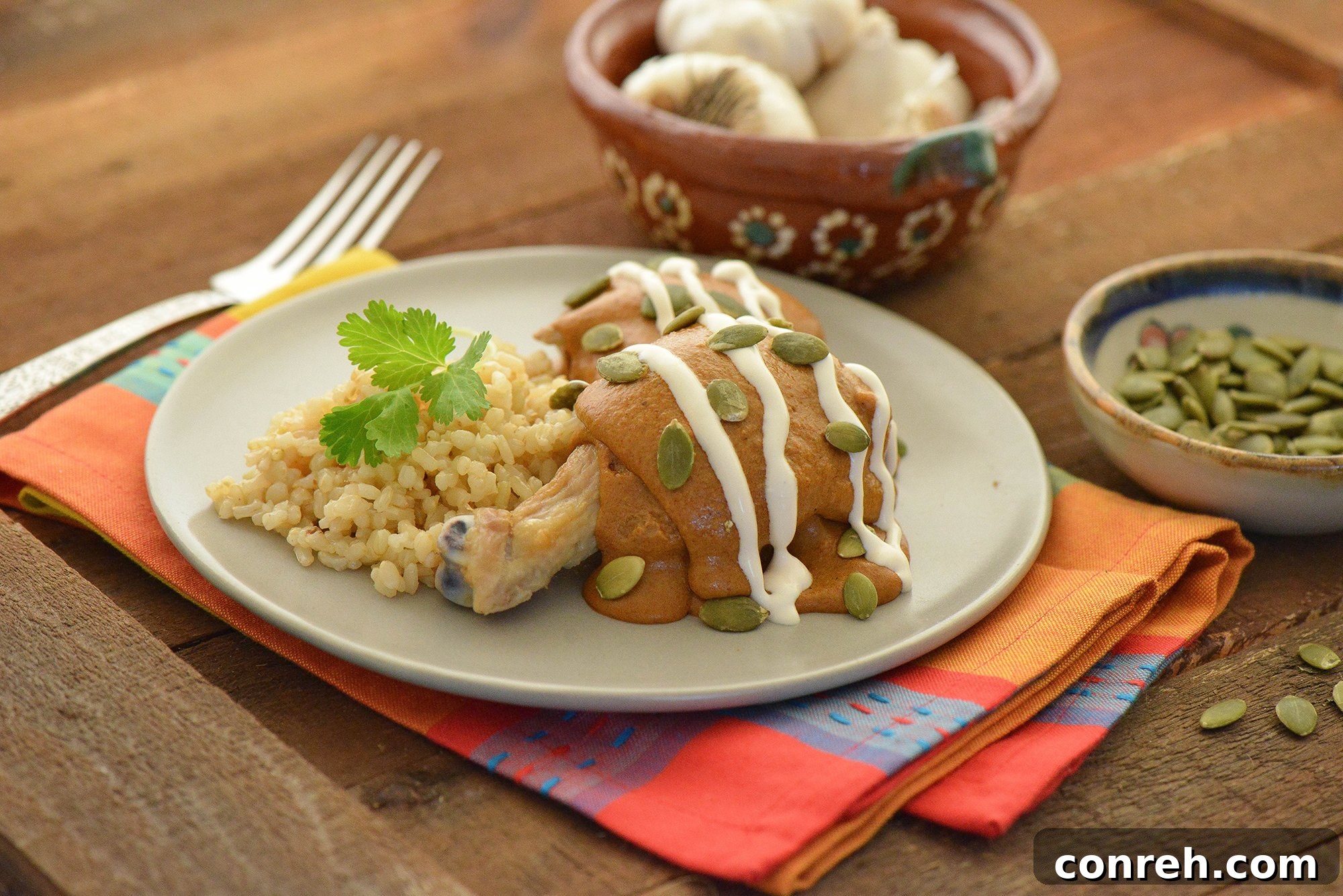
Mastering the Art of Pipian: A Simplified Red Pipian Recipe for Busy Home Cooks
For many years, the mere thought of preparing pipian felt like an insurmountable culinary challenge. This vibrant, traditional Mexican sauce, renowned for its complex flavors and often time-consuming preparation, remained squarely in the realm of restaurant dining or the kitchens of seasoned grandmothers. The extensive steps involved in roasting, grinding, and simmering seemed far too daunting for a home cook like myself, leading me to never even consider glancing at a recipe, let alone attempting to recreate it in my own kitchen.
However, as time went on and my passion for cooking deepened, I slowly but surely began to venture into the captivating world of Mexican sauces. My culinary journey led me through the intricate layers of moles, the bold simplicity of adobos, and eventually, the intriguing nuances of pipians. With each new sauce conquered, my confidence grew, transforming my initial apprehension into an eagerness to experiment. This newfound culinary courage prompted me to finally tackle a red pipian, specifically tailored to breathe new life into any leftover chicken or turkey gracing my refrigerator after the holiday season.
What is Pipian? Unraveling a Mexican Culinary Gem
Before diving into the recipe, it’s worth understanding the rich heritage of pipian. Pipian is a distinctive and ancient Mexican sauce, often tracing its roots back to pre-Hispanic times. Unlike other Mexican sauces that rely heavily on tomatoes or tomatillos, pipian’s unique character comes primarily from ground pumpkin seeds (pepitas), which provide a thick, nutty base. While pumpkin seeds are the star, other ingredients like chiles, spices, and sometimes nuts or bread are also incorporated, contributing to its depth and complexity.
There are generally two main varieties: green pipian (pipian verde), which often uses green chiles, tomatillos, and fresh herbs like epazote, and red pipian (pipian rojo), typically featuring dried red chiles such as ancho, guajillo, or pasilla. Both versions offer a tantalizing blend of earthy, spicy, and often slightly tangy flavors, making them incredibly versatile. Traditionally, pipian is prepared by carefully toasting the seeds and chiles, grinding them into a paste, and then slowly simmering this paste with broth until it reaches a rich, velvety consistency. This meticulous process is what gives authentic pipian its unparalleled depth, but it’s also precisely why many home cooks, myself included, have historically shied away from making it from scratch.
The beauty of this particular red pipian recipe lies in its elegant simplicity. It captures the essence and deliciousness of a traditional pipian without demanding hours of dedicated kitchen time. This version is quick, straightforward, and incredibly flavorful, proving that you don’t need to sacrifice authenticity for convenience. It’s designed to be easily stored, making it an ideal candidate for meal prepping. Imagine having a gourmet-quality sauce ready to elevate various dishes throughout your week. Whether you’re topping tender pork shoulder, enriching cubed beef stew, or even enhancing vegetarian options like sautéed cactus strips (nopales) or hearty mushrooms on those days you wish to reduce your meat intake, this simplified red pipian delivers exceptional taste with minimal fuss.
Elevating Flavors with Cremas: A Culinary Essential
Just as my journey with pipian evolved, so too did my relationship with cremas. For years, I viewed cremas primarily as a delightful garnish—a cool, tangy dollop atop my tacos, enchiladas, and sopes. They provided that essential finishing touch, balancing the heat and richness of my favorite dishes. However, as my cooking practice deepened and I began to experiment more boldly with flavor combinations and textures, I realized the true potential of cremas extended far beyond a mere topping. They transformed from a simple garnish into a dynamic, integral ingredient, capable of enhancing the very core of a recipe.
Cremas, often referred to as Mexican sour cream, differ from their American counterparts in both texture and flavor. They are typically thinner, less acidic, and possess a richer, almost buttery undertone, making them incredibly versatile in a wide array of dishes. From thickening soups and stews to enriching sauces and adding a creamy counterpoint to spicy dishes, cremas have become an indispensable staple in my kitchen, offering a smooth, luxurious texture and a subtle tang that rounds out flavors beautifully.
The Magic of Cacique Crema Salvadoreña in Your Pipian
For this simplified red pipian recipe, I specifically chose to incorporate Cacique Crema Salvadoreña, and the results were nothing short of spectacular. This particular crema is a fantastic example of how a quality ingredient can truly elevate a dish. Its distinct tang and creamy consistency played a crucial role in enhancing the overall flavor profile of my pipian sauce. The slight acidity from the crema cuts through the richness of the pumpkin seeds and chiles, adding a bright, zesty dimension that prevents the sauce from feeling too heavy.
Beyond its flavor-enhancing qualities, Cacique Crema Salvadoreña serves another vital purpose: it’s a brilliant way to temper the heat of the pipian sauce. If your chiles turn out spicier than anticipated, or if you simply prefer a milder flavor, stirring in a generous amount of this crema will beautifully mellow out the intensity, creating a more balanced and palatable experience for everyone at the table. It provides a luxurious mouthfeel and a harmonious blend of flavors, proving that the right dairy product can be a game-changer in complex sauces like pipian. Its consistent quality and authentic flavor make it my go-to choice for bringing depth and balance to a wide range of Mexican-inspired creations.
Beyond Pipian: Unleashing the Potential of Cacique Cremas in Your Kitchen
The versatility of Cacique Cremas extends far beyond just enhancing your pipian sauce. Whether you’re using them as a major ingredient in your recipe or simply as a finishing drizzle on your favorite dishes, Cacique Cremas are an exceptional way to elevate your meals to a whole new level of taste and ease in preparation. Their consistent quality and authentic flavor profile make them indispensable in any kitchen aiming for genuine Mexican culinary excellence.
Consider incorporating them into your breakfast routine: a dollop on scrambled eggs or huevos rancheros adds a touch of creamy indulgence. For lunch, transform a simple chicken tortilla soup with a swirl of crema, or create a rich, tangy dressing for your salads. In the evening, beyond traditional Mexican fare like tacos and enchiladas, Cacique Cremas can enrich pasta sauces, create a base for savory dips, or even be whisked into mashed potatoes for an unbelievably creamy side dish. Their subtle tang and smooth texture make them an excellent addition to almost any savory preparation. They can even be used in certain baking applications to add moisture and richness. The convenience of having such a versatile and flavorful ingredient on hand simplifies complex recipes and encourages culinary creativity, making gourmet cooking accessible for even the busiest home cooks. With Cacique Cremas, you’re not just adding dairy; you’re adding a layer of authentic flavor and a touch of effortless sophistication to every dish.
Your Invitation to Savor: Simple, Authentic, and Irresistible
Embrace the opportunity to bring the rich, comforting flavors of traditional Mexican cuisine into your home with this simplified red pipian recipe. My journey from fearing pipian to confidently preparing it has shown me that authentic, delicious dishes don’t always require an entire day in the kitchen. With the right approach and high-quality ingredients like Cacique Crema Salvadoreña, you’ll be surprised at how simple it is to prepare this deeply flavorful, traditional sauce. Your entire family will undoubtedly enjoy the rich, nutty, and subtly spicy notes of your homemade pipian, whether it’s paired with holiday leftovers or an everyday meal. Give this recipe a try; it’s an invitation to savor the taste of tradition, made easy and accessible for the modern kitchen.
I encourage you to experiment with this recipe and discover the joy of creating a sophisticated sauce that tastes like it took hours, but truly comes together with remarkable ease. It’s a testament to how traditional flavors can be adapted for contemporary lifestyles without losing their essence. So, gather your ingredients, unleash your inner chef, and prepare to impress your taste buds and loved ones with a pipian that is both deeply satisfying and surprisingly simple to master.
Sponsored Content Disclosure
This post is sponsored by Cacique Inc. As always, all opinions and culinary experiences shared are authentically my own. Thank you for your continued support of the brands that contribute to making this blog possible and inspire these delicious culinary adventures.