This is part of a sponsored collaboration with National Pork Board and DiMe Media. However, all opinions expressed are my own.
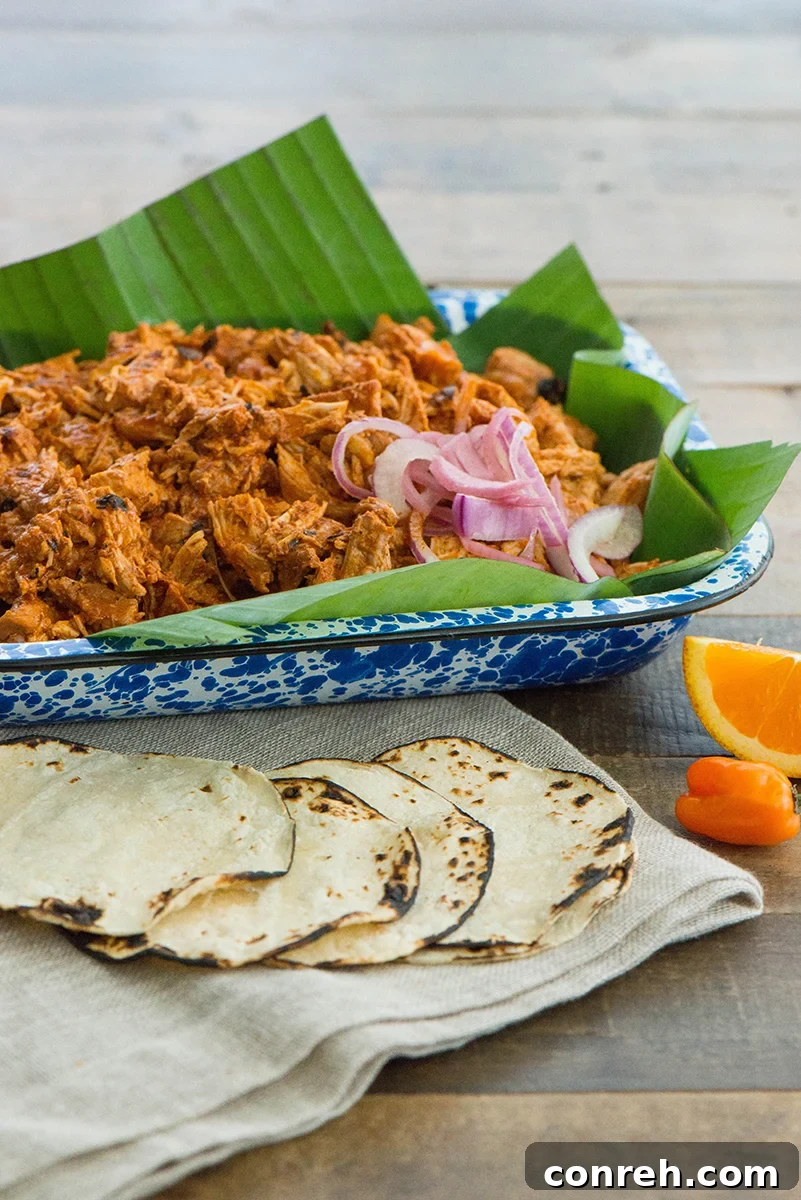
Special occasions are truly elevated by exceptional dishes, especially those lovingly prepared at home. There’s a unique joy in gathering loved ones around a table laden with food that carries stories and traditions. For me, celebrating love and togetherness often means embarking on a culinary journey to prepare a truly authentic feast. Among the many treasured recipes, one stands out for its rich history, incredible flavor, and heartwarming appeal: Cochinita Pibil. Also known as Pibil Pork, this dish isn’t just a meal; it’s a vibrant celebration of culture, deeply rooted in the sun-drenched lands of southern Mexico, particularly the Yucatán Peninsula.
Cochinita Pibil: A Culinary Legacy from the Yucatán
The very essence of Cochinita Pibil is an exquisite fusion, a delicious testament to the blended Mayan and Spanish cultural influences that characterize Yucatán cuisine. It’s a dish that tells a story with every tender bite, reflecting centuries of history, innovation, and culinary mastery. At its heart, Cochinita Pibil is a meticulously prepared pork dish, marinated in a distinctive blend of achiote (annatto) paste and a vibrant citrus mixture, then traditionally wrapped in fragrant banana leaves and slow-cooked to an unparalleled tenderness.
The name itself, “pibil,” offers a fascinating glimpse into its ancient origins. In the Mayan language, “pibil” translates to “bajo tierra” or “underground.” This refers to the traditional cooking method where large quantities of marinated pork are placed in a deep, underground oven, known as a píib. This earthen pit, lined with hot stones, slowly cooks the meat for hours, imparting an incredible smoky depth and ensuring the pork becomes unbelievably succulent and falls apart effortlessly, ready to be shredded and savored. This method wasn’t just about cooking; it was a communal event, a way to feed entire communities and celebrate special moments.
The Heart of the Flavor: Essential Ingredients
To truly understand Cochinita Pibil, one must appreciate its core ingredients, each playing a crucial role in creating its iconic flavor profile:
Achiote (Annatto) Paste: The Soul of the Dish
Achiote is perhaps the most defining ingredient in Cochinita Pibil. Derived from the seeds of the annatto tree, achiote paste gives the pork its characteristic vibrant orange-red hue. But its role goes far beyond mere coloring. Achiote imparts a subtle, earthy flavor with hints of pepper, nutmeg, and a delicate floral note. It’s a foundational spice in Yucatán cuisine, adding depth and warmth that is instantly recognizable and utterly delicious. When choosing achiote paste, look for brands that emphasize natural ingredients for the best flavor.
The Tangy Embrace: Citrus Marinade
The marinade for Cochinita Pibil is a symphony of tangy citrus. Traditionally, naranja agria, or Seville orange (bitter orange), is used. Its high acidity and unique tart-bitter flavor are essential for tenderizing the pork and brightening the overall taste. If Seville oranges are unavailable, a common substitute is a blend of fresh orange juice, lime juice, and a splash of white vinegar. This combination mimics the complex acidity required to break down the pork fibers, ensuring maximum tenderness, and infusing it with an irresistible zest.
Banana Leaves: The Natural Wrapper
Wrapping the marinated pork in banana leaves before cooking is more than just a presentation flourish; it’s a vital step in the cooking process. The banana leaves act as a natural, breathable wrapper, sealing in moisture, infusing the pork with a subtle, earthy aroma, and creating a unique steaming environment that contributes to the meat’s incredible tenderness. They help protect the pork from drying out and impart a delicate fragrance that is integral to the authentic Cochinita Pibil experience. If fresh banana leaves are hard to find, frozen ones are often available in international grocery stores, or you can use parchment paper and foil as a substitute, though the subtle aroma from the leaves will be missed.
Aromatic Enhancers: Spices and Seasonings
Beyond the primary ingredients, a blend of traditional spices further enriches the marinade. Cumin, Mexican oregano, black pepper, and garlic are common additions. These spices work in harmony to build layers of flavor, complementing the achiote and citrus without overpowering them. Fresh garlic cloves, crushed or minced, contribute a pungent aroma and taste that is crucial to the marinade’s complexity.
Modern Kitchen Magic: Adapting “Pibil” for Today’s Home
While the allure of an underground píib is undeniable, it’s not exactly practical for most home cooks. Thankfully, the essence of Cochinita Pibil can be beautifully recreated in a modern kitchen with fantastic results. The key is to simulate the slow, even heat and moisture-rich environment of the traditional method.
I personally didn’t dig a hole in my backyard, but I achieved phenomenal results using a heavy cast-iron pot. This versatile kitchen workhorse excels at retaining and distributing heat evenly, mimicking the sustained warmth of an earthen oven. By simmering the pork in its flavorful marinade within the cast iron, sealed either with banana leaves or a tight-fitting lid, I was able to transform simple ingredients into a deeply flavorful dish in just under 120 minutes. The minimal prep time meant that this incredible meal was on my table, ready to be devoured, in a surprisingly short amount of time, proving that traditional flavors can be perfectly adapted for a contemporary pace.
Other excellent alternatives for home cooks include a Dutch oven in the oven, a slow cooker, or even an Instant Pot for an even quicker version, though the traditional slow-cook method is often preferred for depth of flavor. Whichever method you choose, the goal is to cook the pork slowly until it becomes fork-tender and easily shreddable, saturated with the rich, tangy flavors of the marinade.
Why Cochinita Pibil is the Ultimate Crowd-Pleaser
Cochinita Pibil is not just delicious; it’s incredibly practical, making it an ideal choice for a wide array of occasions. Its ease of preparation, combined with its cost-effectiveness, allows you to feed a large crowd without breaking the bank. With only a few essential ingredients and virtually any boneless cut of pork – such as pork shoulder (Boston butt) or pork loin – you can create a feast that satisfies everyone.
Its traditional appeal makes Cochinita Pibil a perfect centerpiece for parties, holiday feasts, or any gathering where you want to impress with authentic flavors. But its versatility extends beyond grand celebrations. Because all the ingredients are readily accessible at your nearest grocery store, this meal can effortlessly transform into “El Sabor de Hoy” – “Today’s Flavor” – for a casual yet extraordinary lunch or dinner. Imagine transforming leftovers into delicious tacos or tortas throughout the week!
Versatile Serving Suggestions:
- Tacos: The most popular way to enjoy Cochinita Pibil! Serve with warm corn tortillas, pickled red onions, a dash of habanero salsa, and fresh cilantro.
- Tortas: Stuff crusty bread rolls with the shredded pork, a smear of refried beans, avocado, and pickled onions for a hearty sandwich.
- Sopes or Huaraches: Top thick corn masa bases with pork, cheese, and your favorite toppings.
- Rice Bowls: A modern twist, serve the pork over a bed of fluffy rice with black beans, avocado, and a squeeze of lime.
- Quesadillas: Add a layer of Cochinita Pibil to your cheese quesadillas for an extra punch of flavor.
Pork, often celebrated for its versatility and flavor, truly shines in this dish. It’s an excellent source of protein, and with leaner cuts available, it’s a wholesome choice that fits various dietary needs. The National Pork Board offers many resources and tips for preparing delicious pork dishes, highlighting its adaptability in cuisines worldwide.
Bringing Cochinita Pibil to Your Table: A Simple Guide
While a detailed recipe card would include exact measurements, understanding the general process will empower you to create this dish in your own kitchen:
- Prepare the Marinade: Combine achiote paste with bitter orange juice (or its substitute), minced garlic, and a blend of cumin, Mexican oregano, and black pepper. Blend until smooth.
- Marinate the Pork: Cut your chosen boneless pork cut (e.g., pork shoulder) into large chunks. Place the pork in a non-reactive bowl or a large zip-top bag and pour the marinade over it, ensuring every piece is well coated. Marinate in the refrigerator for at least 4 hours, or ideally, overnight, to allow the flavors to deeply penetrate the meat.
- Prepare for Cooking: If using banana leaves, gently warm them over an open flame or in hot water to make them pliable. Line your Dutch oven, slow cooker, or roasting pan with the banana leaves, allowing them to overhang the sides.
- Layer and Seal: Place the marinated pork chunks, along with any remaining marinade, into the banana leaf-lined pot. Fold the banana leaves over the pork to completely enclose it. If not using banana leaves, cover the pot tightly with aluminum foil or a lid.
- Slow Cook:
- Oven/Dutch Oven: Cook at a low temperature (around 300°F/150°C) for 2.5 to 4 hours, or until the pork is incredibly tender.
- Slow Cooker: Cook on low for 6-8 hours or on high for 3-4 hours.
- Shred and Serve: Once cooked, the pork should be so tender that it falls apart with a gentle touch. Remove the pork from the pot and shred it using two forks. Return the shredded pork to the flavorful juices in the pot to keep it moist and infuse it further.
- Essential Accompaniment: Don’t forget the pickled red onions! Thinly slice red onions and marinate them in lime juice, a pinch of salt, and a touch of habanero pepper for an authentic and refreshing topping that cuts through the richness of the pork.
Tips for Success and Delicious Variations
- Don’t Rush the Marinade: The longer the pork marinates, the deeper the flavor. Overnight is always best.
- Seal in Moisture: Whether with banana leaves or a tight lid, ensuring the cooking vessel is well-sealed is crucial for tender, juicy pork.
- Taste and Adjust: Before cooking, taste the marinade for balance. After cooking, adjust seasonings if necessary.
- Embrace the Leftovers: Cochinita Pibil tastes even better the next day! It’s fantastic for meal prep.
- Spice it Up: For those who love heat, add a whole habanero pepper (or two!) to the marinade before cooking. Remove it before shredding, or finely mince it into the shredded pork for intense flavor.
A Timeless Tradition, Reimagined for You
Cochinita Pibil is more than just a meal; it’s an experience. It’s a journey through history, a celebration of vibrant flavors, and a testament to the joy of sharing good food. From the ancient Mayan píibs to your modern kitchen, this dish continues to captivate hearts and palates, embodying the spirit of Yucatán. The tender, aromatic pork, bursting with citrus and earthy achiote, promises a culinary adventure that will leave a lasting impression on your family and friends.
We encourage you to embark on this delightful cooking adventure and bring the rich, authentic flavors of Cochinita Pibil into your home. For more inspiring pork recipes and culinary ideas, be sure to visit PorkTeInspira.com. And remember, your nearest retailer offers a variety of budget-friendly pork cuts, making it easy to create delicious and memorable meals any day of the week.