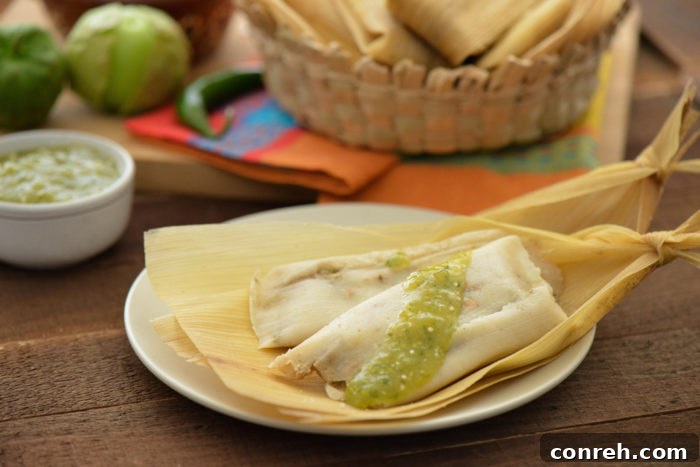
February 2nd marks a significant day in many households, a day often referred to as Candlemas or, in Spanish-speaking cultures, Día de la Candelaria. In my home, it’s the final flourish of the extended holiday season, a heartfelt farewell to the festive spirit before the more somber observances of Lent and Easter begin. It’s a day when the last of the tamales are joyfully unwrapped, signifying the culmination of weeks of feasting and family togetherness. While Christmas decorations are typically packed away shortly after, Candlemas provides one last opportunity to savor the warmth and tradition that define this special time of year.
The culinary centerpiece of Candlemas, particularly in Mexico and among Mexican communities globally, is undoubtedly the tamale. This tradition is intricately linked to another cherished celebration, Epiphany, or Día de Reyes, which falls on January 6th. During Epiphany, families gather to share the Rosca de Reyes, a sweet bread shaped like a crown, often adorned with candied fruits. Hidden within this bread are tiny figurines, typically representing the baby Jesus. According to tradition, whoever finds one of these figurines in their slice of Rosca is bestowed with the honor – or responsibility – of hosting the Candlemas feast. And what do they serve? Tamales, of course!
Beyond the delightful tradition of sharing tamales, Candlemas holds profound spiritual significance within Christian belief. Celebrated 40 days after Christmas, it commemorates three pivotal events: the Presentation of the child Jesus at the Temple, as was customary for first-born sons; Jesus’ first formal entry into the temple; and for Catholics, it also marks the purification of the Virgin Mary, following Jewish law. This convergence of religious observance and cherished cultural practices makes Día de la Candelaria a rich tapestry of faith, family, and food.
For many, including myself, Candlemas is not just a religious or historical observance; it’s another cherished opportunity for family to gather, to reconnect, and to simply revel in each other’s company around a bountiful, traditional feast. These gatherings are more than just meals; they are vibrant expressions of cultural identity, passed down through generations. The aroma of simmering sauces, the animated conversations, and the shared laughter create memories that endure long after the last tamale has been savored.
Tamales, being a labor of love, are often reserved for special occasions. It’s a dish that demands time, patience, and often, many hands working together. Because these delectable parcels of masa and filling typically won’t grace our tables again for about nine more months – until the next holiday season begins to beckon – these tangy Pork Chile Verde Tamales are a truly magnificent way to bid an “until next time” to one of the most beloved and iconic Mexican foods of the year. The anticipation builds throughout the year, making their reappearance on Candlemas all the more special and eagerly awaited. The distinct flavor profile of pork chile verde—tender, succulent pork bathed in a vibrant, slightly spicy, and wonderfully tangy tomatillo-based salsa—encased within a soft, fluffy masa dough and steamed to perfection, is a true culinary masterpiece. It’s a flavor that resonates deeply with the festive spirit of the season, offering a satisfying warmth and depth that perfectly complements the cool February air.
The preparation of tamales itself is often a communal event, a “tamalada,” where family members gather to assemble hundreds of these treats, chatting and laughing all the while. This collective effort reinforces family bonds and ensures that the tradition continues to thrive. Each tamale, carefully constructed and steamed, represents not just a meal, but a piece of heritage, a link to ancestors, and a celebration of enduring culture. The delicate art of spreading the masa, adding the savory filling, and meticulously folding the corn husk requires practice, but it’s a skill lovingly taught and enthusiastically shared. When these delicious bundles emerge from the steamer, plump and fragrant, they are a testament to shared effort and a harbinger of festive joy.
The Pork Chile Verde Tamales recipe presented here is a perfect example of this culinary heritage. It features tender pork loin simmered in a rich, verdant sauce made from fresh tomatillos, spicy serrano chiles, fragrant cilantro, and aromatic garlic. The addition of Maggi Chicken Flavor Bouillon enhances the savory notes, while a touch of Nescafe Clasico Coffee Granules might seem unconventional, but it adds an unexpected depth and richness to the pork, balancing the tanginess of the tomatillos. The evaporated milk in the salsa contributes a creamy texture and helps to mellow the heat, creating a beautifully balanced flavor profile that is both robust and comforting. The masa, the heart of any tamale, is prepared to a perfect consistency, ensuring a light and airy texture that complements the flavorful filling. These tamales are not just food; they are an experience, a journey through flavor and tradition that captures the essence of Candlemas and Mexican culinary artistry.
Serving these tamales warm, perhaps with additional tomatillo salsa on the side, is the quintessential Candlemas experience. The steam rising from the unwrapped bundles, the earthy aroma of the corn husks, and the vibrant green of the chile verde all contribute to a sensory feast. It’s a meal that encourages slowing down, savoring each bite, and appreciating the company of loved ones. And as we finish the last of them, there’s a quiet understanding that this delightful tradition will return, bringing with it renewed joy and another reason for celebration.

Pork Chile Verde Tamales
5 Stars 4 Stars 3 Stars 2 Stars 1 Star
No reviews
Yield: Makes 20 1x
Ingredients
Scale
- 30 corn husks for tamales (dried, readily available in Mexican markets or online)
- 9 ounces (about 8 medium-sized) tomatillos, husked, rinsed, and quartered
- 2 serrano chiles, stems removed (adjust quantity for desired spice level)
- 1/3 cup roughly chopped fresh cilantro
- 1/3 cup roughly chopped yellow onion
- 2 cloves garlic, peeled
- 1 teaspoon Maggi Chicken Flavor Bouillon, divided
- 2 tablespoons grapeseed oil (or other neutral cooking oil)
- 1 pound boneless pork loin, trimmed and cut into ½-inch cubes
- 1 teaspoon Nescafe Clasico Coffee Granules (adds a unique depth of flavor)
- ¼ cup Carnation Evaporated Milk Low Fat (for creaminess in the salsa)
- 5 cups (2 1/2 pounds) prepared masa for tamales (often available at Mexican grocery stores or can be made from masa harina)
Instructions
- Begin by preparing your corn husks. Submerge the dried corn husks in a large bowl of very hot water. Ensure they are fully immersed (use a plate or heavy object to keep them submerged if necessary). Let them soak for at least 1 hour, or until they become soft and pliable. This is crucial for easy spreading of the masa and folding.
- While the husks are soaking, prepare the salsa. Combine the husked and rinsed tomatillos and the serrano chiles in a 3-quart stock pot. Add just enough water to generously cover the ingredients. Heat the pot over medium-high heat and bring to a simmer. Cook for 12 to 15 minutes, or until the tomatillos soften and their color darkens slightly, indicating they are cooked through. Remove from heat and carefully drain the cooking liquid.
- Transfer the cooked tomatillos and chiles to a blender. Add the roughly chopped cilantro, yellow onion, peeled garlic cloves, and ½ teaspoon of the Maggi Chicken Flavor Bouillon. Cover the blender securely and blend on high speed until the mixture is completely smooth and uniform. Set aside.
- In a large skillet, heat the grapeseed oil over medium heat. Add the pork loin cubes to the hot oil. Season the pork with the Nescafe Clasico Coffee Granules and the remaining ½ teaspoon of Maggi Chicken Flavor Bouillon. Cook, stirring frequently to ensure even browning, for approximately 20 minutes, or until the pork is fully cooked through and has a nice golden crust.
- Reduce the heat to medium-low. Pour half of the prepared tomatillo salsa from the blender into the skillet with the cooked pork. Stir in the Carnation Evaporated Milk. Continue to cook, stirring occasionally, for another 20 minutes to allow the flavors to meld and the sauce to thicken slightly. Remove the skillet from the heat and let the pork mixture cool down. This cooling step is important before assembling the tamales.
- Once the corn husks are soft, select a large, pliable husk and place it on a clean, flat working surface, with the wider end at the top and the pointy side down. Take approximately ¼ cup of the prepared masa for tamales and spread it evenly over the wider part of the corn husk, leaving a border of about an inch along the edges and the pointy end uncovered.
- Spoon about 1 ½ tablespoons of the cooled pork chile verde mixture into the center of the masa-covered husk. Carefully fold one side of the corn husk over the filling, then fold the other side to overlap it, encasing the masa and filling. Finally, fold the pointy end of the husk up towards the top, creating a neat, compact package.
- Repeat this process with the remaining corn husks, masa, and pork mixture until all ingredients are used and your tamales are assembled.
- Prepare your steaming pot. Use a large, deep pot or a dedicated tamale steamer. Pour 2 to 3 inches of water into the bottom of the pot. Line the bottom and sides of the pot with a layer of extra corn husks (or unused husks from the soaking process); this helps to protect the tamales from direct heat and adds flavor. Stand the assembled tamales upright in the pot, with the open, unfolded side facing up. If your pot is very wide and the tamales lean, place a heat-safe mug or a small, overturned bowl in the center to help keep them standing upright and packed snugly.
- Cover the standing tamales with another layer of corn husks and then place a damp kitchen towel over the husks. Secure the lid tightly on the pot. Bring the water to a boil over high heat, then immediately reduce the heat to medium-low to maintain a steady simmer. Steam the tamales for approximately 80 minutes. Throughout the steaming process, monitor the water level and add more hot water as needed to prevent the pot from boiling dry. Tamales are cooked when the masa easily pulls away from the corn husk.
- Carefully remove the tamales from the steamer. Let them rest for a few minutes before serving to allow them to set. Serve the hot tamales with the remaining tomatillo salsa on the side for an extra burst of flavor.
- Tip for milder tamales: If you prefer a less spicy version of this recipe, you can remove the seeds and veins from the serrano chiles before blending them. This significantly reduces their heat while retaining their fresh flavor.