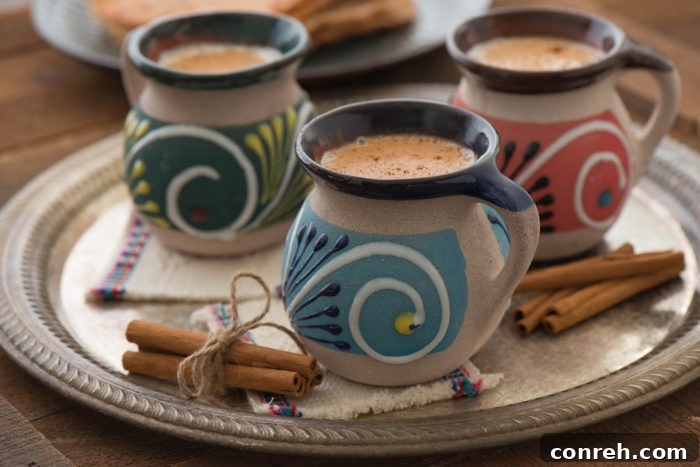
Atole: The Ultimate Mexican Comfort Drink – Your Pourable Hug in a Mug
There are few things more universally comforting than a warm, hearty beverage, especially when it carries the weight of tradition and love. In my home, a steaming cup of Atole is always a welcomed sight, regardless of the season. This quintessential Mexican drink isn’t just a simple beverage; it’s a sensory experience, a delightful embrace that warms you from the inside out. I often refer to Atole as a “pourable hug” because its rich texture and decadent flavors evoke a profound sense of warmth and well-being, wrapping you in coziness with every single sip.
What Exactly is Atole? A Journey Through Its Rich Heritage
At its heart, Atole is a revered traditional hot beverage originating from Mexico, with roots stretching back to pre-Hispanic civilizations. In its earliest forms, it was primarily made with water and masa (nixtamalized corn dough), serving as a fundamental source of sustenance for ancient Mesoamerican cultures. Over centuries, particularly with the arrival of new ingredients following the Spanish conquest, Atole gracefully evolved into the beloved, creamy, and flavorful drink we cherish today. The foundational base typically involves milk (though water is still used in some regional variations) and a corn-based thickener, such as corn flour or masa harina.
What truly makes Atole special, however, is its incredible versatility. This adaptability allows for an endless array of flavor combinations, transforming it from a mere drink into a culinary canvas. It’s a testament to ingenuity, reflecting the bountiful agricultural landscape and rich cultural tapestry of Mexico.
The Art of Thickening: Corn Flour vs. Corn Starch for the Perfect Consistency
The characteristic thickness of Atole is undeniably one of its most defining and comforting features. While some modern recipes might opt for corn starch due to its ability to create an incredibly silky-smooth consistency, I personally hold a special affection for the rustic charm that corn flour, or specifically masa harina, imparts. Masa harina, made from dried corn kernels that have been cooked and soaked in an alkaline solution (nixtamalized), then ground, offers a more complex flavor profile and a subtly grainy texture that sets it apart.
This particular quality from corn flour provides a deeper, more authentic mouthfeel that resonates profoundly with traditional preparation methods. It’s this wholesome earthiness and comforting texture that makes each sip not just delicious, but also deeply familiar and satisfying, connecting me to the drink’s ancient roots. While corn starch yields a lighter texture, corn flour gives Atole its hearty, nourishing quality, making it truly a meal in a cup rather than just a drink.
A Symphony of Flavors: Exploring Atole’s Diverse Palette
Beyond its comforting and robust base, Atole truly shines through its incredible spectrum of flavors. Once the milk and corn flour base are gently simmering, the possibilities for customization are wonderfully boundless. Aromatic spices, finely ground nuts, tender pieces of fresh fruit, or velvety fruit purees are thoughtfully added to infuse the drink with unique character and a personalized touch. Some of the most cherished and easily prepared flavors, loved across generations, include:
- Vanilla Atole: A timeless and universally adored classic. Often enhanced with a hint of cinnamon, it offers a sweet, profoundly aromatic warmth that is both simple and deeply satisfying.
- Pecan Atole: Rich, earthy, and distinctly nutty. This variation provides a delightful depth of flavor, and if finely ground pecans are used, it can offer a subtle, pleasing texture.
- Strawberry Atole: A vibrant, naturally sweet, and delightfully fruity option. Its bright flavor and appealing color make it a refreshing contrast to some of the heavier atoles.
- Pineapple Atole: Tropical and subtly tangy, pineapple introduces a unique zest that offers a bright, exotic contrast to the creamy base, creating an intriguing flavor profile.
- Chocolate Atole (Champurrado): Perhaps the most famous and beloved variation, Champurrado combines the creamy atole base with authentic Mexican chocolate. This results in an intensely rich, decadent, and profoundly satisfying drink, often spiced with cinnamon.
- Guava Atole: Sweet, wonderfully fragrant, and delicately tart. Guava adds an exotic, floral note that elevates the drink, making it a unique and memorable choice.
- Pumpkin Atole: Especially popular during the autumn months and around Día de Muertos, this seasonal favorite brings a warm, earthy essence complemented by traditional pumpkin pie spices like nutmeg, ginger, and cloves.
- Anise Atole: Offering a distinct licorice-like flavor, anise seed provides a wonderfully aromatic and soothing variation, particularly appealing to those who enjoy unique spice profiles.
Each flavor of Atole tells a unique story, offering a different sensory experience. Whether you prefer the comforting familiarity of a classic vanilla or the adventurous zest of tropical fruit, there is undoubtedly an Atole flavor perfectly suited to tantalize your palate and warm your spirit.
A Cultural Cornerstone: Atole in Mexican Traditions and Celebrations
Atole is far more than just a drink; it’s an integral, cherished part of Mexican culture and tradition, deeply woven into the fabric of both daily life and grand celebratory occasions. While it is enjoyed year-round across Mexico, its popularity reaches its zenith during cooler months and significant cultural holidays, where it serves as a symbol of hospitality, warmth, and togetherness. In the United States, particularly within vibrant Mexican-American communities, Atole becomes a star during festive periods such as:
- Las Posadas: This nine-day novena leading up to Christmas involves communal processions, carols, and prayers, culminating in joyous gatherings where families and friends share traditional food and, invariably, copious amounts of steaming Atole. It’s a highlight of the season.
- Christmas and New Year’s: As temperatures drop, Atole becomes the ideal warming companion during extensive family gatherings, providing comfort and joy as loved ones celebrate together.
- Día de Reyes (Three Kings’ Day): Celebrated on January 6th, Atole is frequently enjoyed alongside the traditional Rosca de Reyes (King’s Cake), marking the culmination of the Christmas season.
- Día de Muertos (Day of the Dead): A profoundly important celebration, Atole is a staple offering on altars (ofrendas) for returning spirits and a comforting drink for families remembering and honoring their loved ones, symbolizing nourishment and warmth.
- Mexican Independence Day: During patriotic celebrations in September, Atole often makes an appearance as a festive and traditional beverage, complementing the vibrant foods and festivities.
For many, including myself, Atole evokes a deep sense of nostalgia and is inextricably linked to cherished memories. It played a significant role in my upbringing, a constant, comforting presence that marked both special occasions and the simple, everyday rituals. It’s more than just a taste; it’s a liquid legacy, a connection to heritage passed down through generations, embodying the warmth and love of family.
The Aroma of Home: My Merienda Memories
Growing up, the late afternoon “merienda” was an almost sacred time in our household. As the clock approached five o’clock, signaling the gentle transition from the bustle of the afternoon to the calm of the evening, my home would begin to fill with the most comforting and utterly unforgettable aroma. This was merienda time, a cherished snack break where Atole was commonly served as the perfect accompaniment to “pan dulce” (sweet bread) or crispy, delicate cookies. The sweet, creamy, and spicy fragrance of simmering Atole permeated every corner of our home, creating an atmosphere of profound warmth, familial closeness, and simple, profound pleasures. It was an aroma that instantly signaled relaxation and connection.
That distinctive, intoxicating aroma was primarily due to the slow, gentle infusion of whole cinnamon sticks and fragrant vanilla pods into the milk as it slowly warmed on the stove. This meticulous, unhurried simmering of spices is a crucial first step in preparing a truly exquisite Atole, allowing their complex essences to fully develop and meld harmoniously with the milk before any other ingredients are introduced. While purists might insist on whole cinnamon sticks and authentic vanilla bean pods for their superior depth of flavor and aromatic intensity, modern convenience offers excellent and widely accessible alternatives: high-quality ground cinnamon can perfectly replace sticks, and a good vanilla extract works beautifully in place of pods. For my own recipes, to ensure that authentic, rich flavor that truly transports me back to those childhood meriendas, I frequently turn to McCormick’s cinnamon sticks and vanilla pods. A final sprinkle of McCormick ground cinnamon makes for a perfect garnish, adding both visual appeal and an inviting extra hint of spice and warmth.
Crafting Your Own Pourable Hug: A Guide to Making Atole at Home
Making Atole at home is an incredibly rewarding experience that allows you to control the flavors, sweetness, and consistency precisely to your liking. While exact measurements can vary slightly by specific recipe and desired yield, the general process remains wonderfully straightforward, emphasizing patience, gentle simmering, and attentive stirring.
Essential Ingredients for a Basic Atole Base (Serves 4-6):
- 4 cups (approx. 1 liter) whole milk (or a plant-based alternative like almond milk for a dairy-free version)
- ½ cup masa harina (finely ground corn flour for masa) or regular corn flour
- ½ cup piloncillo (Mexican brown sugar cones), grated or chopped, or ¼ to ½ cup brown sugar/granulated sugar to taste
- 2-3 cinnamon sticks (about 3 inches long each)
- 1 vanilla bean pod, split lengthwise, or 1 teaspoon pure vanilla extract
- A small pinch of salt (to enhance and balance the sweetness)
- Your chosen flavorings (e.g., fruit purees, Mexican chocolate, ground nuts)
The Preparation Process (Simplified Steps for a Delicious Atole):
- Infuse the Milk with Aromatics: Begin by gently pouring 3½ cups of your milk into a medium-sized saucepan. Add the cinnamon sticks and the split vanilla bean pod (if using a pod, otherwise save extract for later). Heat this mixture slowly over medium-low heat, allowing it to come to a gentle simmer. Let it infuse for about 10-15 minutes, allowing the spices to release their fragrant oils fully into the milk. Ensure it doesn’t boil rapidly.
- Prepare the Thickener Slurry: While the milk is infusing, whisk together the masa harina (or corn flour) with the remaining ½ cup of cold milk (or cold water if preferred) in a separate bowl until the mixture is completely smooth and lump-free. This creates a slurry that will serve as the primary thickener for your Atole. A useful tip for those without masa harina: If masa harina is not readily available in your area, an excellent alternative is to dissolve about 5 tablespoons of corn starch in ½ cup of cold water and use this smooth mixture instead to achieve a similar consistency.
- Combine and Thicken: Carefully remove the cinnamon sticks and the vanilla pod (if used) from the infused milk. Gradually pour the prepared corn flour slurry into the warm, spiced milk, whisking constantly and vigorously to prevent any lumps from forming.
- Sweeten and Simmer to Perfection: Add your chosen sweetener (piloncillo, brown sugar, or granulated sugar) and the pinch of salt. Continue to whisk gently as the mixture heats up. Bring the Atole to a gentle boil, then immediately reduce the heat to low. Allow it to simmer for another 10-15 minutes, stirring frequently (every minute or so) to prevent it from sticking to the bottom of the pan and ensuring a smooth, even texture. During this time, the Atole will gradually thicken to your desired consistency. Remember, it will continue to thicken slightly more as it cools. If using vanilla extract, stir it in now.
- Introduce Your Signature Flavorings: This is where your culinary creativity truly shines! If you’re making a fruit Atole, stir in your desired fruit purees (like strawberry, guava, or pumpkin). For a rich Chocolate Atole (Champurrado), add grated Mexican chocolate or high-quality cocoa powder until it is fully melted and thoroughly incorporated into the creamy base. Continue to stir for a few more minutes to meld the flavors.
- Serve Warm and Enjoy: Once it has reached the perfect thickness and all flavors are harmoniously blended, carefully ladle the steaming Atole into individual mugs. Serve it immediately, inviting its warmth and richness to comfort you. A final sprinkle of ground cinnamon or a delicate dollop of freshly whipped cream can be a delightful and visually appealing garnish.
The true beauty of making Atole lies in its remarkable adaptability. Don’t hesitate to experiment with different spices, various sweeteners, and unique flavor combinations to discover your very own perfect “pourable hug.”
More Than Just a Drink: The Enduring Appeal of Atole
In a world that often rushes by, demanding speed and efficiency, Atole stands as a powerful and comforting testament to the enduring power of slow-cooked tradition and heartfelt connection. It is not merely a beverage designed to quench thirst; rather, it is a profound experience that deeply nourishes the soul. Each cup symbolizes warmth, the comfort of home, the joy of family gatherings, and the rich, vibrant tapestry of Mexican culture. Whether you’re savoring it on a crisp, chilly morning, enjoying it as a delightful late-afternoon treat, or sharing it amidst the festive cheer of a grand celebration, Atole offers a precious moment of pause.
It’s a comforting embrace that gently reminds us of the simple yet profound joys of life – the warmth of a shared moment, the taste of tradition, and the comforting feeling of being truly at home. Its enduring appeal lies in its ability to connect us to our heritage, to each other, and to the timeless practice of creating something wonderful with care and love.
I often find it genuinely challenging to pick a single favorite Atole flavor, as each one holds a special place in my heart and offers a unique charm. They are, without exception, equally delicious, equally comforting, and equally capable of bringing a smile to my face.
What about you? I would absolutely love to know what your favorite Atole flavor is! Perhaps you have a cherished memory or a unique twist you add to this wonderful drink. Please feel free to share your thoughts!
For more inspiring recipe tips, innovative culinary ideas, and a wealth of flavorful content, I encourage you to visit mccormick.com or follow McCormick on their vibrant social media channels, including Facebook and Instagram, for continuous inspiration to elevate your cooking.
This content is a sponsored post by McCormick. All opinions expressed within are 100% my own and authentically reflect my genuine experience and deep appreciation for this timeless culinary tradition.