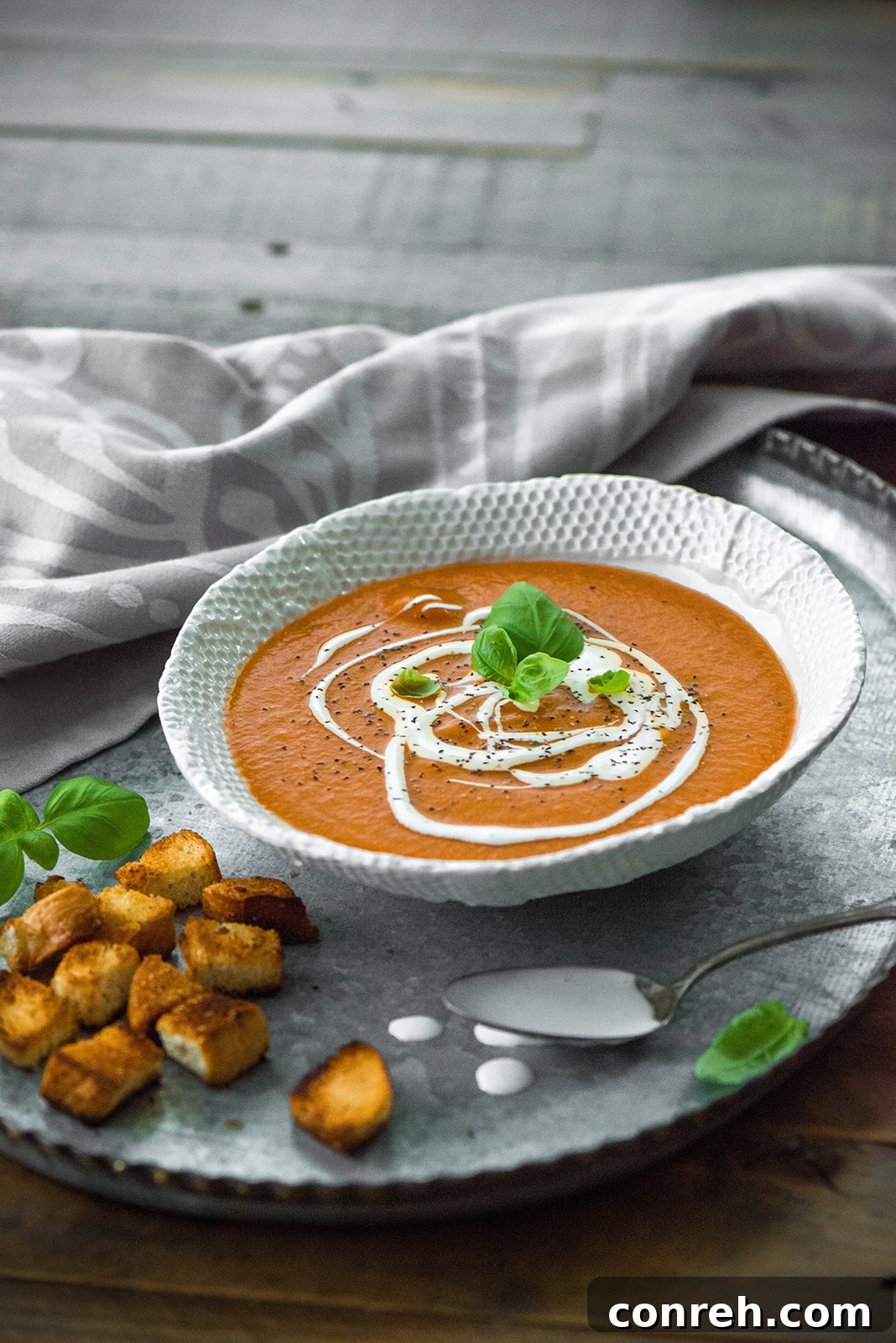

The Ultimate Homemade Tomato Soup: A Recipe for Comfort and Flavor
There’s a universally acknowledged comfort that comes with a warm bowl of tomato soup. For many, myself included, it’s more than just a meal; it’s a culinary journey, a nostalgic embrace, and a simple pleasure. I’m often the person who seeks out tomato soup on every restaurant menu, eager to discover the unique interpretations and diverse ingredient combinations chefs bring to this classic dish. Some versions are robust and chunky, brimming with garden-fresh vegetables; others are silky smooth, perhaps a little too seasoned or subtly spiced. You’ll find variations that lean towards a rich, almost pizza-like sauce, and those that are light and brothy, each offering a distinct experience.
My quest for the perfect tomato soup has naturally extended into my own kitchen, leading to countless experiments and discoveries. Among all the iterations I’ve perfected, there’s one recipe that truly stands out – a true masterpiece of flavor and simplicity. This particular homemade tomato soup is not only incredibly delicious but also remarkably quick and easy to prepare, requiring minimal ingredients. More importantly, it delivers that unparalleled sense of warmth and satisfaction we all crave. It’s a family favorite, especially for my son, who insists on a steaming bowl paired with a perfectly gooey grilled cheese sandwich, ready for dipping.
This recipe transforms a simple meal into a delightful experience, making it an ideal choice for a cozy rainy-day lunch or a last-minute, impromptu dinner. Its versatility also makes it a fantastic addition to your weekly meal plan, as it stores exceptionally well in the refrigerator, allowing for convenient make-ahead meals. Prepare a large batch, and you’ll have wholesome, comforting food ready to enjoy throughout the week.

Why Homemade Tomato Soup Reigns Supreme
While canned tomato soup has its place in a pinch, there’s an undeniable superiority to a homemade version. When you craft tomato soup from scratch, you gain complete control over the quality and freshness of your ingredients. This means no artificial preservatives, excessive sodium, or unknown additives. You can tailor the seasoning to your precise preferences, ensuring every spoonful is exactly to your liking. Furthermore, making soup at home is often more economical and allows you to enjoy the vibrant flavors of ripe tomatoes at their peak.
Beyond the practical benefits, homemade tomato soup offers a deeper connection to your food. The process of sautéing aromatic vegetables, simmering the rich tomato base, and blending it to perfection is a rewarding culinary journey. The aroma filling your kitchen is a prelude to the comforting meal awaiting you. This simple dish is also packed with nutritional value, especially when made with high-quality ingredients. Tomatoes are a powerhouse of antioxidants, particularly lycopene, which is known for its health benefits. Combined with other fresh vegetables like onions and garlic, your homemade soup becomes a wholesome, nutrient-dense option for any meal.
A Brief History of Tomato Soup: From Garden to Global Comfort
The tomato, native to South America, was once viewed with suspicion in Europe, even labeled poisonous by some. It wasn’t until the 19th century that tomatoes truly found their culinary stride, particularly in Italy and then globally. While simple tomato sauces and stews existed for centuries, the concept of a dedicated “tomato soup” as we know it began to gain traction in the late 1800s. The true turning point, however, came with the advent of condensed canned soup. Joseph Campbell’s company, founded in 1869, introduced its condensed tomato soup in 1897, revolutionizing home cooking and making tomato soup an accessible pantry staple across America and beyond.
This innovation democratized tomato soup, transforming it from a niche dish into a ubiquitous symbol of comfort food. Its affordability, ease of preparation (just add water!), and delicious flavor cemented its place in kitchens worldwide. Over time, countless regional and personal variations emerged, incorporating different herbs, spices, and thickening agents. Today, while the canned version remains popular, the appreciation for homemade tomato soup, with its richer flavors and customizable nature, has seen a resurgence. It continues to evoke feelings of warmth, nostalgia, and simple contentment, connecting generations through a shared love for this humble yet profound dish.
Related Recipe: Cream of Poblano and Corn Soup

Tomato Soup Recipe
5 Stars
4 Stars
3 Stars
2 Stars
1 Star
No reviews
- Author: Ericka Sanchez
Yield: Serves 6-8
Description
Indulge in a warm and utterly delicious bowl of homemade tomato soup. This recipe is designed to bring you ultimate comfort with its rich flavors and smooth texture. For an elevated experience, we recommend topping it with a swirl of Mexican cream or crème fraîche and a generous garnish of fresh basil, adding a vibrant burst of flavor and visual appeal.
Ingredients
- 1 1/2 tablespoons olive oil
- 1 white onion, chopped
- 2 garlic cloves, minced
- 2 tablespoons all-purpose flour
- 1 (28 ounce) can whole roasted tomatoes, undrained
- 3 cups vegetable broth (or chicken broth for a non-vegetarian option)
- 1 1/2 teaspoons sugar (to balance acidity)
- 1 teaspoon salt, or to taste
- 1/2 teaspoon black pepper, plus more for serving
- Mexican cream or crème fraîche, for serving
- Fresh basil leaves, for garnish
Instructions
- Prepare Aromatics: In a large saucepan or Dutch oven, heat the olive oil over medium heat. Add the chopped white onion and minced garlic. Sauté for about 5-7 minutes, stirring frequently, until the onion becomes tender and translucent, and the garlic is fragrant but not browned. This step builds the foundational flavor of your soup.
- Create a Roux: Sprinkle the all-purpose flour over the sautéed onions and garlic. Stir continuously for 2 minutes, ensuring all the onion and garlic pieces are thoroughly coated with the flour. This creates a roux, which will thicken the soup and give it a creamy consistency. Cook the flour slightly to eliminate any raw flour taste.
- Simmer and Develop Flavor: Carefully add the canned whole roasted tomatoes (undrained), vegetable broth, sugar, salt, and black pepper to the saucepan. Stir all the ingredients together until well combined. Bring the mixture to a gentle boil, then immediately reduce the heat to medium-low. Cover the saucepan and let the soup simmer for 45 minutes. This extended simmering time allows the flavors to meld beautifully and the tomatoes to soften further, resulting in a rich, deeply flavored soup.
- Blend to Perfection: After simmering, remove the soup from the heat. Carefully blend the soup until smooth using an immersion blender directly in the saucepan. Alternatively, if you don’t have an immersion blender, carefully pour the soup in batches into a standard blender. Be sure to vent the lid and cover it with a kitchen towel to prevent steam buildup, then blend until perfectly smooth and creamy. Return the blended soup to the saucepan if using a standard blender.
- Serve and Garnish: Ladle the hot, smooth tomato soup into bowls. Drizzle generously with Mexican cream or crème fraîche for a touch of luxurious creaminess. Sprinkle with additional black pepper for a slight kick, and finally, garnish with fresh basil leaves. Serve immediately with your favorite accompaniments.
Unlocking Flavor: A Deep Dive into Key Ingredients
The magic of this tomato soup lies in its simple yet powerful ingredients. Understanding each component not only helps in execution but also empowers you to customize and adapt the recipe to your taste. Let’s break down what makes each ingredient essential:
- Whole Roasted Tomatoes (Canned): These are the undisputed stars of the show. Using canned whole roasted tomatoes provides a deeper, more complex flavor profile than fresh tomatoes (especially outside peak season) or plain canned diced tomatoes. The roasting process concentrates their natural sweetness and adds a subtle smoky depth, which translates beautifully into the soup. Always choose high-quality brands for the best results.
- White Onion & Garlic: These aromatic vegetables form the flavor base. Sautéing them until tender and fragrant mellows their sharp edges and brings out their inherent sweetness, creating a rich foundation upon which the tomato flavor can build.
- All-Purpose Flour: A small amount of flour is used to create a simple roux with the olive oil, which acts as a thickening agent. This gives the soup its desirable creamy body without needing heavy cream (though cream is added as a garnish). It ensures a smooth, luxurious texture.
- Vegetable Broth: The liquid component that brings everything together. Vegetable broth keeps the soup vegetarian and adds another layer of savory depth. You could also use chicken broth if you’re not keeping it vegetarian, or even water for a very pure tomato flavor, though broth adds more complexity.
- Sugar: This might seem counterintuitive, but sugar is crucial for balancing the acidity of the tomatoes. Just a small amount enhances the natural sweetness of the tomatoes and rounds out the overall flavor, preventing the soup from tasting too sharp or sour.
- Salt & Black Pepper: Essential seasonings that elevate all the other flavors. Seasoning to taste is key; always start with the recommended amount and adjust after simmering and blending.
- Mexican Cream or Crème Fraîche: These are for serving, offering a delightful tangy and rich contrast to the warm tomato soup. They add a touch of elegance and extra creaminess. Sour cream or heavy cream can also be used as substitutes.
- Fresh Basil: The ultimate garnish for tomato soup. Its fragrant, sweet, and slightly peppery notes complement the tomatoes perfectly, adding freshness and a beautiful pop of color. Don’t skip this!
Serving Suggestions and Creative Variations
While a classic grilled cheese sandwich is the quintessential partner for tomato soup, don’t limit your imagination! This versatile soup pairs wonderfully with a variety of accompaniments and can be easily adapted to suit different tastes and occasions:
- The Classic Duo: A crispy, gooey grilled cheese sandwich remains the gold standard for a reason. The melted cheese and toasted bread provide the perfect textural and flavor contrast for dipping.
- Breads and Croutons: Serve with crusty artisan bread, a warm baguette, or homemade garlic bread for soaking up every last drop. For added crunch, consider homemade croutons seasoned with herbs and garlic.
- Side Salad: A light, crisp green salad with a vinaigrette dressing offers a refreshing counterpoint to the rich soup, creating a balanced meal.
- Cheese Pairings: Beyond grilled cheese, sprinkle some freshly grated Parmesan, a dollop of soft goat cheese, or crumbled feta over your bowl for extra flavor and creaminess.
- Protein Boosts: To make it a more substantial meal, stir in cooked shredded chicken, white beans, lentils, or chickpeas during the last few minutes of simmering.
- Spice it Up: For those who enjoy a little heat, add a pinch of red pepper flakes during the sautéing stage with the onions and garlic, or a dash of hot sauce when serving. Smoked paprika can also add a delightful warmth and depth.
- Herb Garden Freshness: Experiment with other fresh herbs beyond basil. A sprig of fresh thyme or oregano can introduce different aromatic notes.
- Dairy-Free Option: For a dairy-free creamy texture, swirl in a tablespoon or two of full-fat coconut milk or cashew cream at the end.
- Vegetable Additions: Sauté finely diced carrots or celery along with the onions and garlic for added texture and nutrients.
Storage and Meal Prep Tips
This homemade tomato soup is an excellent candidate for meal prepping, allowing you to enjoy delicious, healthy meals with minimal effort throughout the week. Properly stored, it maintains its delightful flavor and texture:
- Refrigeration: Allow the soup to cool completely before transferring it to an airtight container. It will keep beautifully in the refrigerator for up to 3-4 days. This makes it perfect for packing in lunch containers or reheating for a quick dinner.
- Freezing: For longer storage, this soup freezes exceptionally well. Once cooled, pour the soup into freezer-safe containers or heavy-duty freezer bags, leaving a little headspace for expansion. It can be frozen for up to 3 months.
- Thawing and Reheating: To thaw, simply transfer the frozen soup from the freezer to the refrigerator overnight. Reheat gently on the stovetop over medium-low heat, stirring occasionally until warmed through. If reheating from frozen, you can place the frozen block of soup directly into a saucepan with a splash of water or broth, and heat over low heat, breaking it up as it thaws, until it reaches a simmering temperature.
- Batch Cooking: Consider doubling or tripling the recipe to ensure you have plenty of comforting soup on hand for busy days. The ingredients scale up easily, and the extra effort is minimal for a much larger yield.

There you have it – a truly magnificent homemade tomato soup recipe that promises to be a staple in your kitchen. Whether you’re seeking comfort on a chilly evening, a quick and satisfying lunch, or a delightful side for your favorite sandwich, this soup delivers every time. Enjoy the process of creating this simple yet profound dish, and savor every spoonful of its rich, comforting flavor. Happy cooking!