This is part of a sponsored collaboration with Vive Mejor and DiMe Media. However, all opinions expressed are my own.
Baking Pan de Muerto: Embracing Sweet Traditions for Día de Muertos
The air grows crisp, the leaves begin to turn, and a certain warmth spreads through the kitchen as ovens preheat across the land. For many, including myself, this signals the arrival of the most cherished time of year: the fall baking season. While the last whispers of summer might still linger, complete with air conditioners humming, my household is already fully immersed in the comforting aromas and heartfelt traditions of autumn. And what better way to kick off this season of culinary delight and cultural reflection than with the preparation of a truly iconic treat: Pan de Muerto, the beloved “Bread of the Dead.”
Pan de Muerto is far more than just a sweet bread; it is a symbol, a centerpiece, and a poignant connection to heritage. Every family often holds their own cherished version, passed down through generations, each with its unique twist and story. This year, my culinary journey led me to explore the rich resources available on ViveMejor.com. This vibrant platform offers a wealth of authentic recipes, making it an excellent starting point for anyone looking to delve into Latin American cuisine, especially for a significant occasion like Día de Muertos.
The Sacred Significance of Pan de Muerto in Día de Muertos
Día de Muertos, or Day of the Dead, observed annually on November 1st and 2nd, is a profound and beautiful celebration of life and memory. Far from being a somber occasion, it is a time of joyous remembrance, where families honor and celebrate the lives of loved ones who have passed away. Central to these festivities are the intricately decorated altars, known as ofrendas, which are adorned with photographs, candles, marigolds, and the favorite foods and drinks of the deceased. Among these offerings, Pan de Muerto holds a place of unparalleled importance.
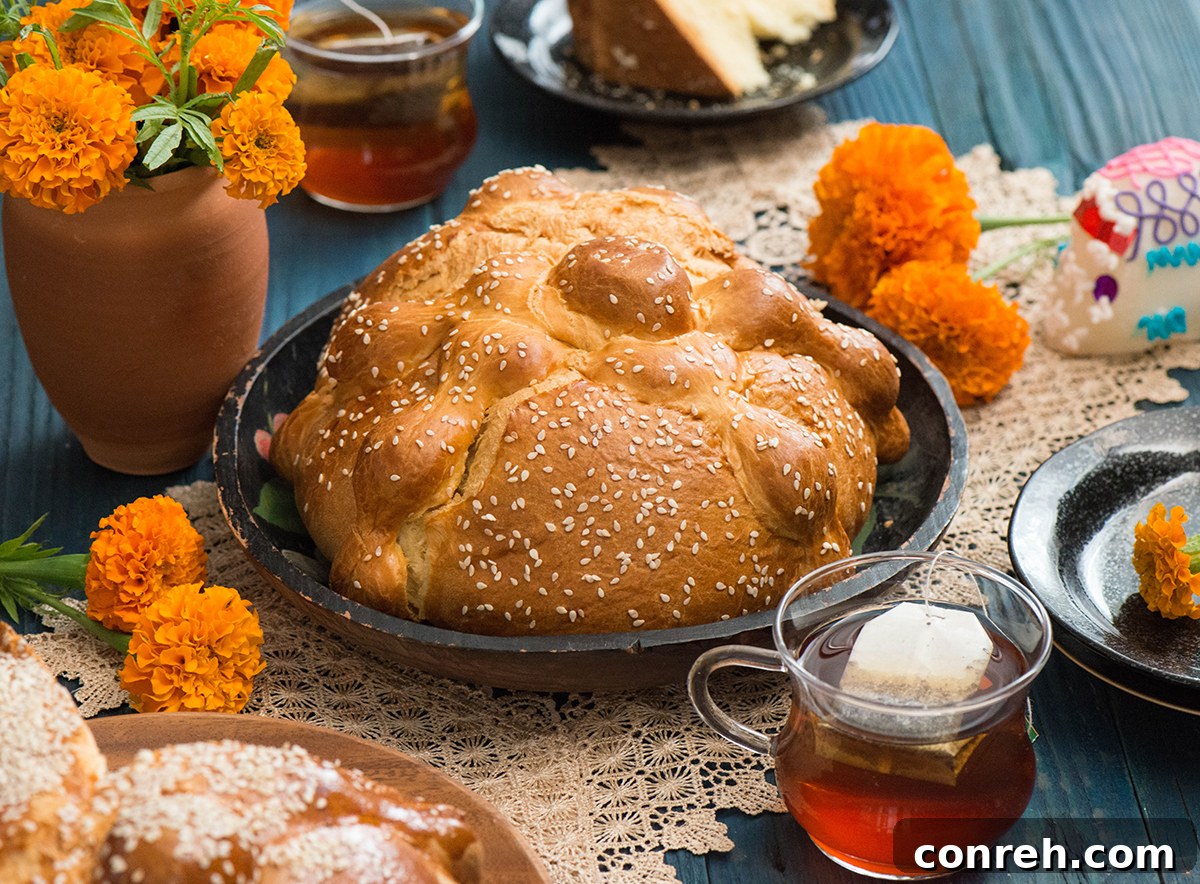
This deliciously spongy bread, often subtly flavored with orange blossom water or anise, is traditionally placed on the altars as an offering to the spirits of the departed. Its distinctive shape carries deep symbolism: a round loaf representing the cycle of life and death, with bone-like strips crisscrossing the top, often crowned with a small sphere symbolizing a skull or the tears shed for the departed. The sugar coating glimmering on top represents the purity and sweetness of life and memory. It’s a profound edible representation of the holiday’s essence, inviting the spirits to partake in the earthly delights they once enjoyed.
Crafting Your Own Pan de Muerto: A Blend of Tradition and Personal Touch
While the traditional elements of Pan de Muerto are deeply respected, the beauty of home baking lies in the ability to infuse a recipe with your own personal flair. Drawing inspiration from the detailed and accessible recipes on ViveMejor.com, I embarked on creating my own rendition. To elevate the bread’s aromatic profile and add a bright, citrusy note, I grated fresh orange zest directly into the dough. This simple addition imparts a wonderful fragrance and a subtle tang that complements the sweetness of the bread beautifully. Furthermore, to provide a delightful textural contrast and a visually appealing finish, I chose to sprinkle sesame seeds over the top before baking. This not only added a slight nutty crunch but also gave the festive bread a charming color contrast, making it even more inviting.
Personalizing Your Pan de Muerto: Beyond the Basics
The act of adapting a traditional recipe allows you to connect with culinary heritage while making it distinctly yours. It transforms baking into an artistic and personal expression, ensuring that the bread you share tells a story unique to your family. Here are some ideas to make your Pan de Muerto truly your own:
- Aromatic Additions: Experiment with different citrus zests like lemon or lime, or introduce warming spices such as cinnamon, nutmeg, or even a hint of cardamom for a unique and complex flavor profile.
- Sweet Enhancements: Instead of plain granulated sugar, consider a vibrant glaze made with orange juice and powdered sugar, or a light syrup infused with hibiscus or guava for an exotic and colorful touch.
- Textural Surprises: Incorporate finely chopped nuts (like pecans, walnuts, or almonds) or dried fruits (such as cranberries, apricots, or candied peel) into the dough for added texture, richness, and bursts of flavor.
- Decorative Flourishes: Beyond sesame seeds, you could use colorful sanding sugars in festive hues, edible glitter for a shimmering finish, or even small sugar skulls (calaveritas de azúcar) to adorn your Pan de Muerto, making it truly unique and celebratory.
More Than Just Bread: Pan de Muerto as a Catalyst for Connection
Beyond its symbolic role on altars, Pan de Muerto is an integral part of family gatherings during the evenings leading up to and throughout the Día de Muertos holiday. It’s a time when families come together, not in mourning, but in loving remembrance. Picture this: a cozy evening, the aroma of freshly baked bread filling the home, and family members gathered around a table. With a steaming cup of a hot beverage, perhaps a comforting Lipton tea or rich Mexican hot chocolate, slices of Pan de Muerto are shared. This simple act of sharing food becomes a catalyst for storytelling, for laughter, and for tears of joy and reflection as cherished memories of those who have passed are brought to life once more. It is a powerful tradition that strengthens family bonds and ensures that the legacy of loved ones continues to resonate.
This culinary ritual is a beautiful way of keeping traditions alive, especially in an increasingly fast-paced world. The simple act of baking a bread and sharing it with your family serves as a profound lesson in cultural continuity, instilling the rich Latin culture and its values in future generations. Platforms like ViveMejor.com play a crucial role in this endeavor, making authentic recipes accessible and inspiring individuals to prepare traditional dishes with confidence and their own special touch. These are the meals and moments that create lasting memories, etched into the hearts of family members for years to come.
The Joy and Importance of Home Baking
There’s an undeniable magic that happens in the kitchen when you bake from scratch. The tactile experience of kneading dough, the intoxicating scents that waft from the oven, and the anticipation of pulling out a perfectly golden-brown creation – these are moments of pure joy. Baking Pan de Muerto, in particular, becomes a meditative and rewarding process. It’s an opportunity to slow down, to engage with a cultural practice, and to create something beautiful and delicious with your own hands. This sense of accomplishment, combined with the knowledge that you are contributing to a meaningful tradition, makes the effort all the more worthwhile.
Moreover, homemade goods carry a special warmth and flavor that store-bought items simply cannot replicate. Each loaf of Pan de Muerto baked at home is infused with love, care, and the unique spirit of your kitchen. It becomes a tangible expression of affection, a gift offered to both the living and the remembered. Sharing this tasty treat, whether it’s on an ofrenda or around the family table, creates connections that transcend time and space, reinforcing the powerful role food plays in human culture and emotion.
Unlock Culinary Inspiration with ViveMejor.com
For those eager to explore the vast and vibrant world of Latin American cuisine, or simply looking for fresh, inspiring meal ideas, ViveMejor.com is an invaluable resource. This comprehensive website is designed to be your go-to destination for authentic recipes, cooking tips, and cultural insights, empowering you to create delicious and memorable dishes in your own kitchen. Whether you’re a seasoned chef or a budding home cook, ViveMejor.com offers a user-friendly experience, making it easy to discover new flavors and perfect your favorite traditional meals.
Beyond Pan de Muerto, you’ll find an array of recipes spanning appetizers, main courses, desserts, and beverages, all curated to celebrate the richness of Latin American culinary heritage. Each recipe is crafted to be accessible, allowing you to bring the authentic tastes of Latin America to your family table with ease. It’s more than just a recipe site; it’s a community that celebrates food, family, and tradition.
To further enhance your culinary journey and stay connected with a passionate community of food enthusiasts, I highly recommend engaging with Vive Mejor’s social media presence. You can find your next meal inspiration just a click away by visiting ViveMejor.com directly. For daily doses of inspiration, practical tips, and behind-the-scenes glimpses, follow the hashtag #MiCocinaViveMejor on social media. Additionally, be sure to connect with Vive Mejor on their various platforms: follow them on Facebook, Twitter, and Instagram. These channels offer a fantastic way to discover new recipes, engage with other food lovers, and take your weekly menu planning to an exciting new level of flavor and creativity.
The Pan de Muerto Recipe: A General Overview
While the exact recipe from ViveMejor.com (referenced as shortcode [amd-zlrecipe-recipe:415] in the original content) provides precise measurements and detailed steps, we can generally outline the delightful process of making Pan de Muerto. Typically, the recipe involves a rich, yeast-leavened dough, creating a bread that is both tender and slightly sweet. Key ingredients usually include all-purpose flour, sugar, eggs, milk, butter, and often a distinctive flavoring agent like orange blossom water or anise seeds for that authentic taste that defines this special bread.
The process generally begins with activating the yeast, followed by combining the wet and dry ingredients to form a pliable dough. This dough is then kneaded until smooth and elastic, contributing to the bread’s characteristic texture. After a period of initial rising in a warm place, a portion of the dough is often set aside to form the symbolic decorative “bones” and “skull” shapes. The main dough is then carefully shaped into a round loaf, topped with these artistic decorative pieces, and allowed a second rise, which helps achieve its airy texture. Finally, it’s baked to a beautiful golden brown and, once cooled slightly, often brushed with melted butter and generously coated in granulated sugar, giving it its signature glistening finish. For the precise instructions, ingredient quantities, and expert tips to perfect your Pan de Muerto, be sure to visit ViveMejor.com.
Conclusion: A Tradition Baked with Love
Baking Pan de Muerto is more than just following a recipe; it’s an act of love, remembrance, and cultural preservation. It’s a sensory journey that connects us to our heritage, to our families, and to the vibrant spirit of Día de Muertos. Whether you’re a seasoned baker or trying your hand at this traditional bread for the first time, the experience is profoundly rewarding. By embracing platforms like ViveMejor.com, we gain access to a treasure trove of authentic recipes and inspiration, making it easier than ever to keep these beautiful traditions alive and pass them on to the next generation. So, preheat your oven, gather your ingredients, and prepare to bake a piece of history, rich in flavor, symbolism, and love. Happy baking, and may your kitchen be filled with the sweet aromas of tradition!