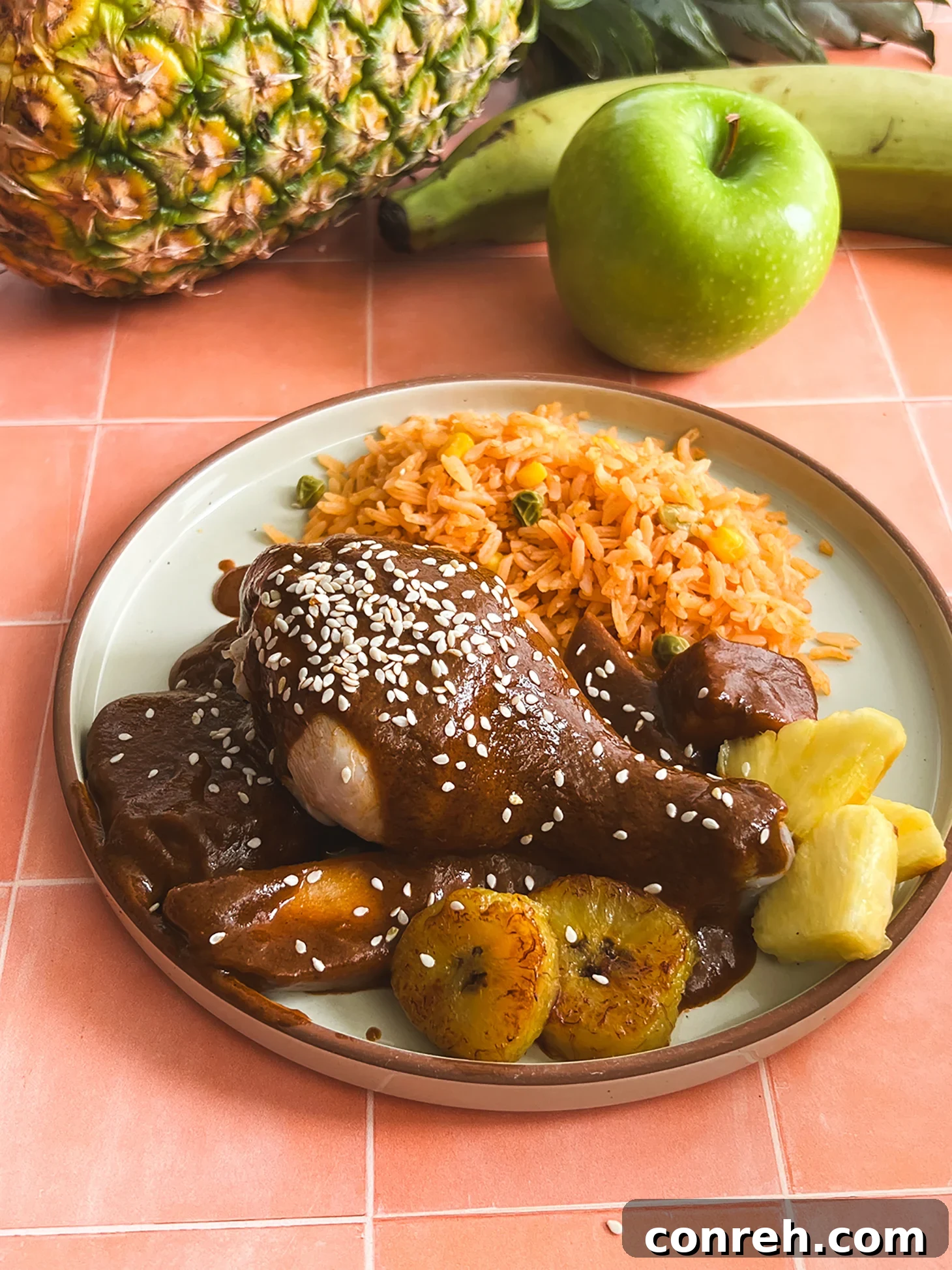
Mole Manchamanteles: A Sweet and Savory Mexican Culinary Masterpiece for Celebrations
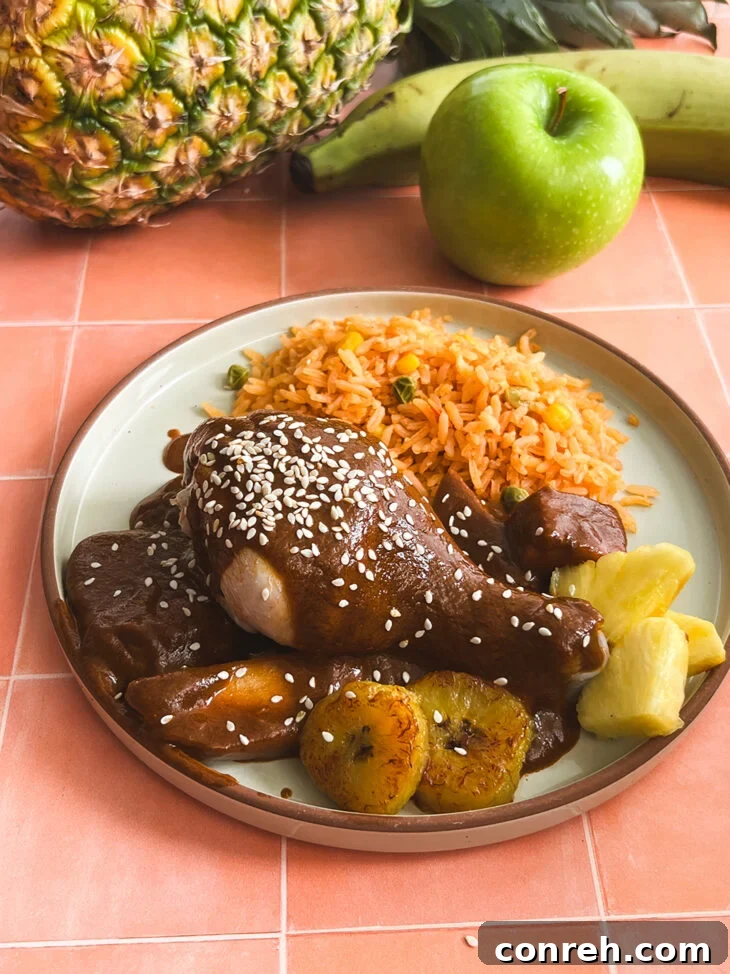
Mole Manchamanteles, a name that translates evocatively to “tablecloth-stainer” due to its deep, vibrant hues, stands as a testament to the rich and diverse culinary landscape of Oaxaca, Mexico. Renowned for its extraordinary balance of sweet and savory notes, this iconic dish holds a coveted spot among the legendary Seven Moles of Oaxaca. Far more than just a sauce, Manchamanteles is a celebration in itself, frequently gracing tables during significant cultural events such as Hispanic Heritage Month and the poignant Día de Muertos. Its intricate preparation and complex flavor profile, born from a harmonious blend of chiles, tropical fruits, and aromatic spices, beautifully encapsulate Mexico’s profound gastronomic heritage—a vibrant fusion of indigenous traditions and Spanish influences that continues to captivate palates worldwide.
Related Recipe: Papas en Mole
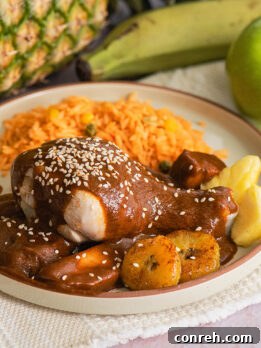
This exquisite mole is characterized by a deeply rich and flavorful sauce, meticulously crafted from fire-roasted tomatoes, rehydrated ancho chiles, and a carefully selected medley of nuts, fruits, and an array of warm spices. The result is a profoundly complex taste experience that dances between earthy, smoky, sweet, and subtly spicy. Sweet plantains and juicy pineapple play a crucial role, providing a bright, natural sweetness that beautifully mellows the deep, earthy notes of the ancho chiles. This exquisite balance creates a truly harmonious symphony of flavors, making Mole Manchamanteles an unforgettable dish. Traditionally served over tender chicken, succulent turkey, or rich pork, it transforms any meal into a comforting and boldly flavored culinary adventure.
The Rich History and Cultural Significance of Mole Manchamanteles
Mole Manchamanteles, like its Oaxacan brethren, is steeped in history and cultural symbolism. The word “mole” itself derives from the Nahuatl word “mōlli,” meaning “sauce,” highlighting its pre-Hispanic origins. However, the addition of ingredients like nuts, various spices, and tropical fruits such as pineapple and plantains showcases the profound impact of Spanish colonization on Mexican cuisine. These ingredients, introduced during the colonial period, were skillfully integrated into existing indigenous cooking practices, giving rise to the complex and layered flavors we associate with moles today.
The culinary artistry involved in making mole is often described as a “labor of love,” a tradition lovingly passed down through generations within Mexican households. Recipes are more than just instructions; they are cherished family heirlooms, guarded secrets that embody a family’s unique culinary identity and heritage. Preparing mole is a communal event, a way to connect with ancestors and pass on culinary wisdom, reinforcing family bonds and cultural pride.
- Mole Manchamanteles proudly stands as one of the seven iconic moles of Oaxaca, each distinguished by its unique blend of ingredients and distinctive flavor profile, showcasing the region’s immense culinary diversity.
- The incorporation of tropical fruits like pineapple and plantains vividly illustrates the historical intermingling of cultures, reflecting the Spanish influence that introduced these exotic ingredients to Mexico during the colonial era.
- The creation of mole is widely regarded as a profound “labor of love” within Mexican families, with cherished recipes meticulously handed down through generations. These culinary traditions are zealously protected, revered as integral components of their rich gastronomic heritage.
Beyond its delectable taste, Mole Manchamanteles serves as a vibrant celebration of Mexican culture and history. Whether meticulously prepared for a cherished family gathering, a festive holiday, or as a heartfelt offering on a Día de Muertos ofrenda, this exceptional mole promises to infuse your table with warmth, profound flavor, and an indelible touch of tradition.
Exploring the Ingredients and Their Versatile Variations
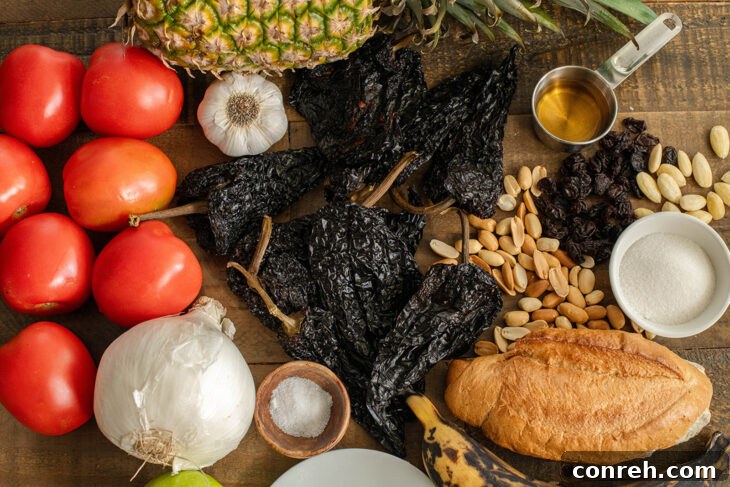
At the very heart of Mole Manchamanteles lies a beautifully balanced sweet and smoky sauce, meticulously crafted from essential ingredients such as ancho chiles, ripe tomatoes, a selection of nuts, and exotic tropical fruits like succulent pineapple and sweet plantains. The ancho chiles are the cornerstone, providing a mild, nuanced heat complemented by a deep, smoky undertone. These chiles are expertly balanced by the natural sweetness derived from the tropical fruits, which impart a vibrant brightness that harmonizes exquisitely with the dish’s richness. In this particular recipe, the inclusion of crisp green apples introduces a delightful hint of tartness, further elevating the complexity and beautifully cutting through the profound richness of the sauce, ensuring a perfectly rounded flavor experience.
- One of the most appealing aspects of Mole Manchamanteles is its remarkable versatility, allowing for creative adaptations based on seasonal availability and personal preferences. You are encouraged to experiment with a variety of fruits; pears, peaches, or even ripe mangoes can introduce intriguing new dimensions to the flavor profile.
- For those seeking a delightful vegetarian or vegan alternative, the dish is easily adaptable. Simply substitute chicken broth with a flavorful vegetable broth and serve the rich mole sauce over a bed of roasted vegetables, fluffy white rice, perfectly cooked potatoes, or even pan-seared tofu. This adaptability makes Mole Manchamanteles an ideal choice for a wide spectrum of occasions, from elaborate festive celebrations to intimate, casual family dinners.
Cultural Resonance: A Dish for Every Celebration
Mole Manchamanteles holds an exceptionally cherished position within Mexican culinary tradition, frequently taking center stage during pivotal cultural celebrations. Its presence is particularly prominent during Hispanic Heritage Month and the deeply meaningful Día de Muertos, underscoring its role as a symbol of identity, remembrance, and community.
- Hispanic Heritage Month, observed annually from September 15 to October 15, is a vibrant period dedicated to honoring and celebrating the profound contributions of Latin American cultures within the United States. During this month, mole emerges as one of the most iconic and emblematic dishes, symbolizing the rich tapestry of this heritage. Mole Manchamanteles, with its deep historical roots, intricate preparation, and festive flavor profile, is frequently highlighted as a prime example of the diversity, depth, and sophistication inherent in Mexican cuisine. It serves as an edible narrative, telling stories of ancient traditions and cultural resilience.
- During Día de Muertos (Day of the Dead), Mole Manchamanteles transforms into a sacred element, commonly prepared as an ofrenda, a heartfelt offering placed on altars to welcome and honor deceased loved ones. This meticulously crafted dish, brimming with rich ingredients, symbolizes the abundance, warmth, and enduring love of the family, acting as a tangible connection between the living and the spiritual realms. The intentional use of seasonal fruits such as apples and plantains in the mole further strengthens this bond, weaving the bounty of the earth into the fabric of remembrance. Its vibrant colors and profoundly rich flavors make it an ideal offering, believed to nourish the spirits of those who have passed. Simultaneously, it provides immense comfort and sustenance for family members who gather to remember, share stories, and celebrate the lives of their ancestors.
Serving Suggestions for Mole Manchamanteles
Mole Manchamanteles is a remarkably versatile dish, traditionally served in ways that highlight its exquisite flavor profile. The sauce’s unique sweetness from the plantains and pineapple creates a magnificent counterpoint to savory meats, ensuring a perfectly balanced and deeply satisfying culinary experience.
- Traditionally, this mole is ladled generously over tender, slow-cooked chicken, succulent roasted turkey, or rich, flavorful pork. The robust flavors of the meat absorb the complex notes of the mole beautifully.
- For a classic accompaniment, serve your Mole Manchamanteles with fluffy white rice, which provides a neutral base to soak up every drop of the luscious sauce. Warm corn tortillas are also essential, perfect for scooping up the rich mole and its accompanying ingredients. A side of creamy refried beans adds another layer of traditional Mexican comfort.
- Beyond tradition, consider more contemporary pairings. This mole can be an excellent sauce for enchiladas or tamales, offering a unique fruity twist. For a hearty vegetarian option, spoon the mole over roasted root vegetables like sweet potatoes and carrots, or even pan-seared tofu or tempeh. It also pairs wonderfully with polenta or quinoa for a gluten-free alternative.
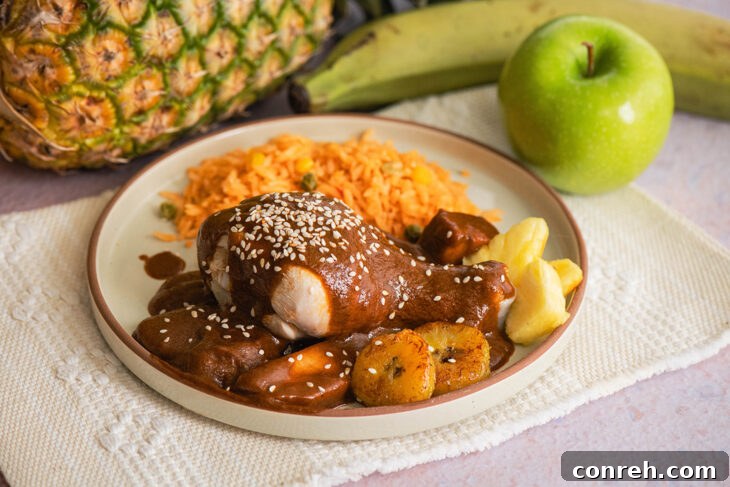
- Consider garnishing your dish with fresh cilantro, a sprinkle of toasted sesame seeds, or a few extra slices of fried plantain and pineapple to enhance both presentation and flavor.
Storage and Reheating Tips for Optimal Flavor
One of the many appealing characteristics of mole is its exceptional ability to store well and deepen in flavor over time, making it an ideal make-ahead dish. Mole Manchamanteles is no exception, often tasting even better the day after it’s made as the complex ingredients meld and mature.
For short-term storage, the prepared Mole Manchamanteles can be kept in an airtight container in the refrigerator for up to five days. During this time, the sauce’s intricate flavors will continue to develop and meld, offering an even richer taste experience with each passing day. To ensure food safety and preserve optimal taste, always allow the mole to cool completely before transferring it to the refrigerator.
For longer preservation, this versatile sauce freezes beautifully. You can freeze Mole Manchamanteles for up to three months in freezer-safe containers or heavy-duty freezer bags. This makes it an excellent option for meal prepping or ensuring you always have a batch of this delicious mole on hand for last-minute gatherings or weeknight dinners. When freezing, label containers clearly with the date to keep track of freshness.
When it’s time to enjoy your stored mole, reheating it is straightforward. Gently warm the sauce on the stovetop over medium-low heat, stirring occasionally. As mole can thicken significantly upon chilling, you might need to add a little water or chicken (or vegetable) broth to achieve your desired smooth, luxurious consistency. This added liquid helps to bring the sauce back to its original velvety texture without diluting its rich flavor.
The Exquisite Flavor and Velvety Texture of Mole Manchamanteles
- Mole Manchamanteles captivates with its thick, velvety texture, designed to beautifully coat and cling to tender meats or vibrant roasted vegetables. The foundation of this remarkable sauce is built upon fire-roasted tomatoes and a medley of chiles, which together create a deeply savory and smoky base. Nuts, such as almonds and peanuts, alongside lightly fried bread (like bolillo), are incorporated to add a luxurious richness and a subtle textural depth that is both comforting and intriguing.
- The tropical fruits, notably pineapple and plantains, introduce a bright, natural sweetness that is perfectly complemented by the warming embrace of traditional spices. Aromatic notes of cinnamon, allspice, and cloves infuse the sauce with an inviting warmth, creating a multi-layered sensory experience. Each spoonful of Mole Manchamanteles offers a revelation, unveiling new dimensions of flavor—smoky, sweet, tangy, and mildly spicy—culminating in a complex and unforgettable culinary journey that truly reflects the spirit of Oaxacan cuisine.
Nutritional Information and Health Benefits
Beyond its incredible flavor, Mole Manchamanteles offers a surprising array of nutritional benefits, thanks to its wholesome ingredients. This traditional Mexican sauce can be a valuable addition to a balanced diet.
- Rich in Antioxidants and Fiber: Key ingredients like ancho chiles, ripe tomatoes, and tropical fruits are powerhouses of antioxidants. These compounds play a crucial role in combating free radicals in the body, which helps reduce oxidative stress and inflammation. Furthermore, these ingredients contribute a significant amount of dietary fiber, promoting healthy digestion, supporting gut health, and aiding in maintaining stable blood sugar levels.
- Heart-Healthy Fats and Essential Nutrients: The inclusion of nuts, such as almonds and peanuts, provides a source of heart-healthy monounsaturated and polyunsaturated fats. These beneficial fats are known to help lower bad cholesterol levels and support overall cardiovascular health. Additionally, fruits like pineapple and plantains enrich the mole with vital vitamins and minerals. Pineapple is rich in Vitamin C, a powerful immune booster, while plantains contribute potassium, essential for maintaining healthy blood pressure and nerve function. This combination of ingredients ensures that Mole Manchamanteles is not only delicious but also contributes to improved immune function and sustained energy levels.
Frequently Asked Questions About Mole Manchamanteles
Can Mole Manchamanteles be made vegetarian or vegan?
Absolutely! This mole is incredibly versatile. To create a delicious vegetarian or vegan version, simply substitute the chicken broth with a flavorful vegetable broth. You can then serve the rich sauce over a variety of plant-based options such as roasted vegetables, pan-seared tofu, tempeh, or a comforting bed of rice or quinoa.
How long can Mole Manchamanteles be stored?
Mole Manchamanteles stores exceptionally well, often tasting even better after a day or two as the flavors deepen. It can be safely kept in an airtight container in the refrigerator for up to 5 days. For longer storage, the sauce freezes beautifully for up to 3 months. When reheating, it’s recommended to add a little water or broth to restore its smooth, velvety consistency.
What meats pair well with Mole Manchamanteles?
Traditionally, Mole Manchamanteles is served with classic Mexican proteins. Its sweet and smoky flavor profile perfectly complements and enhances the taste of tender chicken, succulent turkey, or rich pork. These meats are ideal choices as they absorb the complex flavors of the sauce beautifully.
Can I substitute other fruits if pineapple or plantains are unavailable?
Yes, certainly! The beauty of Mole Manchamanteles lies in its adaptability. If pineapple or plantains are not readily available, you can experiment with other fruits that offer a similar balance of sweetness and a hint of tartness. Excellent substitutions include green apples, pears, or peaches, all of which contribute a delightful sweetness and complexity to the dish.
What makes Mole Manchamanteles unique from other moles?
Mole Manchamanteles distinguishes itself from other moles primarily through its characteristic blend of sweet and savory flavors, achieved by the prominent inclusion of tropical fruits such as pineapple and plantains. This unique combination imparts a distinctive richness and a vibrant, deep color, which is why it earned its evocative nickname, “tablecloth-stainer.” It truly offers a singular taste experience among the diverse family of Mexican moles.
Print Recipe
Mole Manchamanteles Recipe
Author: Ericka Sanchez
- Prep Time: 30 minutes
- Cook Time: 90 minutes
- Total Time: 2 hours
- Yield: 6 cups
Description
Mole Manchamanteles, celebrated for its rich, complex flavors, is not only delicious but also remarkably versatile for meal planning and special occasions.
Ingredients
- 8 Roma tomatoes, stem scar removed
- 8 dried ancho chiles, wiped clean, stems, veins, and seeds removed
- ½ cup plus 2 tablespoons vegetable oil, divided
- 1 medium white onion, cut in large slices
- 6 garlic cloves, peeled
- ¼ cup raw almonds, peeled
- ¼ cup raw peanuts
- ¼ cup raisins
- 1 day old bolillo, sliced (or similar crusty bread)
- 4 whole cloves
- 8 allspice berries
- 10 peppercorns
- ¼ teaspoon dried oregano
- 1 (3-inch) cinnamon stick
- 3 cups chicken broth, divided (or vegetable broth for vegetarian/vegan)
- 1 ½ teaspoon sea salt
- 3 tablespoons sugar
- 2 tablespoons apple cider vinegar
- 1 large ripe plantain, sliced into 1-inch pieces
- 2 cups pineapple, chopped
- 1 small green apple, peeled and chopped into small pieces
Instructions
- Begin by roasting the Roma tomatoes on a comal or a heavy-bottomed skillet over medium heat. Turn them with tongs occasionally until distinct char spots appear on their skins and they soften. Remove from heat and set aside to cool slightly.
- Next, bring 4 cups of water to a rolling boil in a medium saucepan. As soon as the water boils vigorously, turn off the heat and remove from the burner.
- To soften the ancho chiles, place their cleaned skins on the hot comal (or skillet), 2 to 3 at a time, for about 30 seconds on each side. The goal is for the skins to soften and become pliable, not to burn them. Immediately transfer the softened chiles to the saucepan with the hot water and allow them to hydrate for 30 minutes.
- In a large skillet, heat 2 tablespoons of vegetable oil over medium heat. Add the sliced white onion and peeled garlic cloves. Cook until they become tender and slightly translucent, which should take about 5 minutes. Be careful not to burn them. Using a slotted spoon, remove the cooked onion and garlic and transfer them to a large bowl. Set aside.
- Reduce the skillet heat to medium-low. Add the raw, peeled almonds and lightly fry them for approximately 2 minutes until they are lightly golden and fragrant. Transfer them to a separate bowl.
- Add the raw peanuts to the same skillet and lightly fry for about 2 minutes, ensuring they don’t burn. Remove the peanuts and add them to the bowl with the almonds.
- Continue with the raisins in the same skillet. Lightly fry them for about 1 minute. As the raisins begin to puff up and plump, remove them from the skillet and transfer them to the bowl containing the almonds and peanuts.
- In the same skillet, over medium heat, lightly fry the slices of bolillo (or crusty bread) until they turn a beautiful golden brown on both sides. Set these aside to cool.
- Prepare your spices by placing the whole cloves, allspice berries, peppercorns, dried oregano, and cinnamon stick into a spice grinder or a traditional molcajete. Process until they form a fine powder.
- In a blender, combine the roasted tomatoes, sautéed onion, garlic cloves, the fried nuts and raisins, and 1 cup of chicken broth. Blend until the mixture is completely smooth. For the smoothest possible sauce, pass this blended mixture through a fine-mesh strainer into a large bowl, pressing down on the solids to extract all liquid. Set aside.
- Now, add the rehydrated ancho chiles, the freshly ground spices, the fried bread slices, and the remaining 2 cups of chicken broth to the blender. Blend until this mixture is also very smooth. Strain this blend into the bowl containing the tomato mixture. Stir thoroughly to ensure all components are well combined.
- Heat the remaining ¼ cup of vegetable oil in a large saucepan over medium-low heat. Carefully pour in the prepared mole sauce. Add the sea salt, sugar, and apple cider vinegar. Stir continuously to integrate all the flavors. Allow the mole to simmer gently for at least 30 minutes, stirring occasionally, to allow the flavors to meld and deepen.
- In a separate large skillet, heat the remaining ¼ cup of vegetable oil over medium heat. Add the sliced plantain pieces and fry them until they achieve a rich golden brown color on all sides. Remove the fried plantains and transfer them to a paper towel-lined plate to drain any excess oil.
- Finally, add the chopped pineapple pieces to the simmering mole sauce and cook for about 10 minutes, allowing the pineapple to soften and its juices to infuse the sauce. Then, incorporate the fried plantains and the chopped green apple slices into the sauce. Continue to cook for an additional 5 minutes, or until the sauce reaches a gentle simmer and all the fruits are heated through and tender.
- Serve this glorious Mole Manchamanteles generously over your choice of cooked chicken, turkey, or pork, accompanied by rice and tortillas.