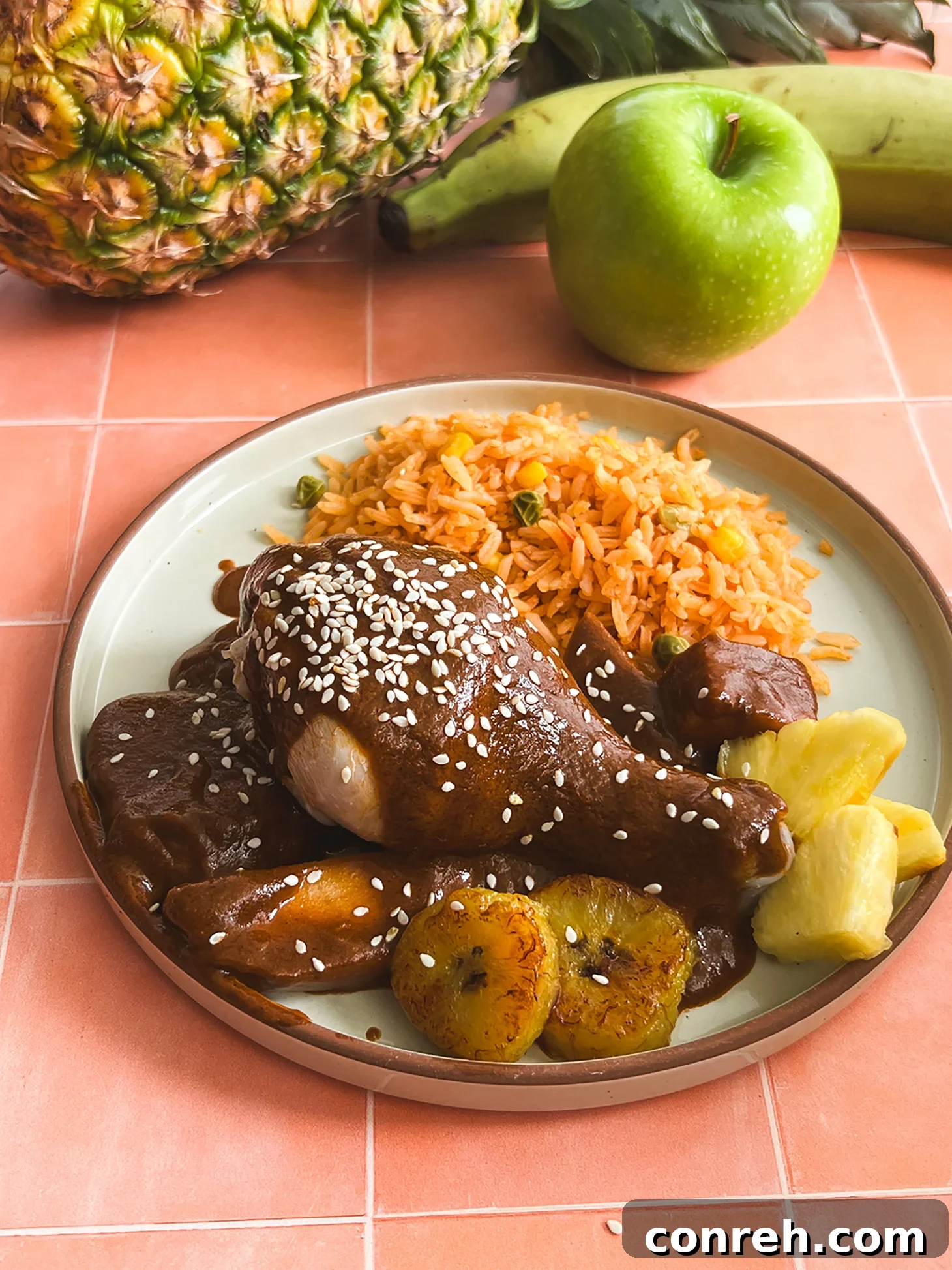
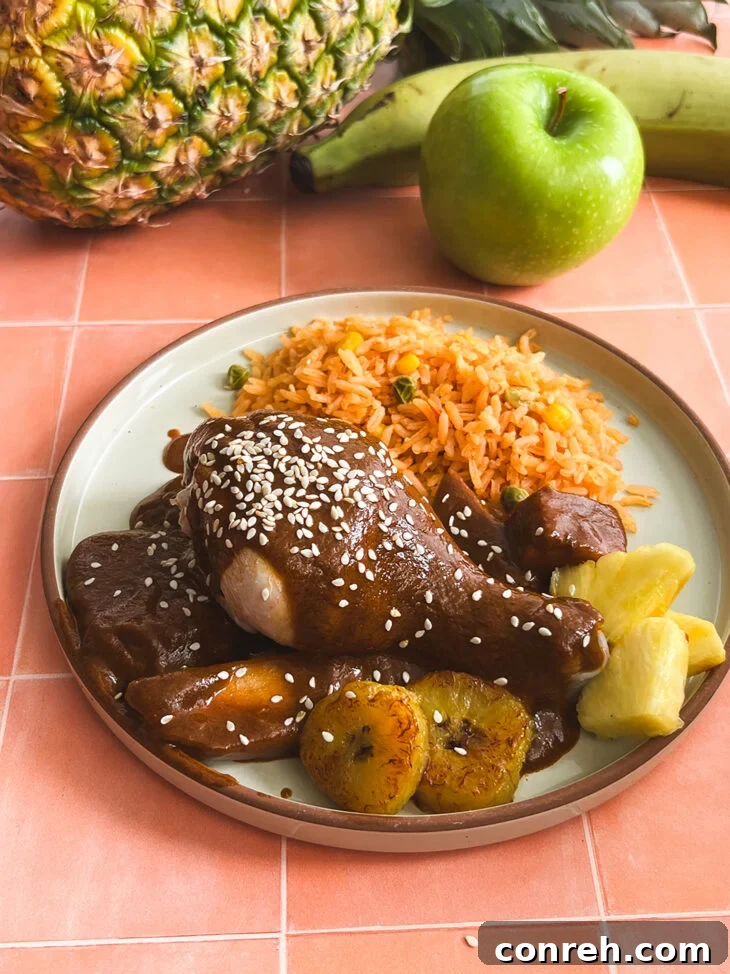
Mole Manchamanteles: A Sweet, Savory, and Celebratory Mexican Masterpiece
Mole Manchamanteles, often hailed as one of Oaxaca, Mexico’s treasured seven classic moles, is a culinary marvel that captivates with its distinctive blend of sweet and savory notes. Its vibrant, deep colors earned it the affectionate nickname “tablecloth-stainer” (Manchamanteles), a testament to its richness and the joyous, sometimes messy, nature of celebratory feasts. This iconic mole has become a beloved staple for significant cultural festivities, particularly during Hispanic Heritage Month and the soulful observance of Día de Muertos. The intricate preparation of its sauce, a symphony of chiles, tropical fruits, and aromatic spices, beautifully encapsulates Mexico’s profound culinary heritage, reflecting a harmonious fusion of indigenous ingredients and Spanish influences that have shaped its gastronomic identity over centuries.
Related Recipe: Papas en Mole
This exquisite Mole Manchamanteles recipe delivers a rich, complex, and intensely flavorful sauce. It meticulously combines fire-roasted tomatoes, rehydrated ancho chiles, and a diverse array of nuts, fruits, and fragrant spices to achieve its unparalleled taste. The inherent sweetness of ripe plantains and juicy pineapple acts as a perfect counterpoint to the deep, earthy undertones of the ancho chiles, creating a beautifully balanced and harmonious culinary experience. This bold and comforting dish is traditionally served generously over tender chicken, succulent turkey, or savory pork, transforming any meal into a special occasion.
A Culinary Tapestry: History and Fascinating Facts of Mole Manchamanteles
The history of mole is as rich and layered as the sauce itself, tracing its roots back to pre-Hispanic times when indigenous communities in Mexico prepared complex sauces with chiles, seeds, and spices. The arrival of the Spanish introduced new ingredients like nuts, various spices, and specific cooking techniques, leading to the evolution of the mole we know today. Mole Manchamanteles specifically shines as one of the seven renowned moles of Oaxaca, a region celebrated as the “Land of Seven Moles,” each distinguished by its unique flavor profile, color, and ingredient list.
- Oaxaca’s Legacy: Oaxaca is famous for its culinary diversity, and its seven moles—Negro, Rojo, Amarillo, Verde, Coloradito, Chichilo, and Manchamanteles—are a testament to this rich tradition. Each mole tells a story of local ingredients and generations of culinary wisdom. Mole Manchamanteles stands out with its fruity character.
- The Influence of Tropical Fruits: The inclusion of tropical fruits such as pineapple and plantains in Mole Manchamanteles vividly illustrates the profound impact of Spanish colonization on Mexican cuisine. These ingredients, along with others like almonds and cinnamon, were introduced to Mexico by Spanish traders and settlers during the colonial period, enriching the indigenous palate and broadening the scope of traditional recipes.
- A Labor of Love and Legacy: In Mexican households, preparing mole is far more than just cooking; it is often considered a profound “labor of love.” These cherished recipes, including that for Mole Manchamanteles, are meticulously passed down from one generation to the next. Families guard their unique mole recipes closely, treating them as an integral part of their cultural and culinary heritage, each version carrying stories, memories, and the distinct touch of family tradition.
Mole Manchamanteles transcends being merely a delicious dish; it is a vibrant celebration of Mexican culture, history, and family bonds. Whether meticulously prepared for a festive family reunion, an intimate gathering, or thoughtfully placed as part of a sacred Día de Muertos ofrenda, this mole unfailingly brings an unparalleled sense of warmth, a burst of intricate flavors, and a profound touch of cherished tradition to your table. It serves as a delicious connection to the past and a symbol of enduring heritage.
Ingredients and Creative Variations for Mole Manchamanteles
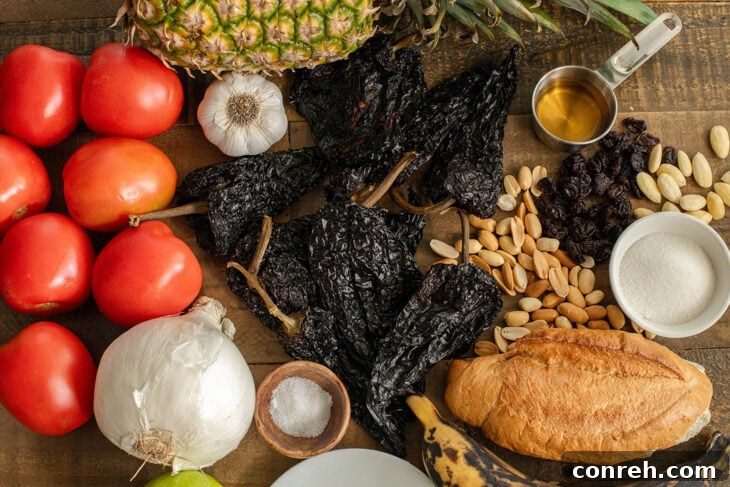
At its heart, Mole Manchamanteles is a captivating sweet and smoky sauce crafted from a meticulous selection of ingredients. Key components include the distinctive ancho chiles, ripe tomatoes, various nuts, and luscious tropical fruits like pineapple and plantains. The ancho chiles are crucial, imparting a mild, earthy heat alongside a deep, smoky flavor that forms the foundation of the mole. The tropical fruits are equally vital, providing a natural sweetness and subtle acidity that beautifully balances the dish’s richness. In this particular recipe, green apples are incorporated to introduce an additional layer of tartness, which elegantly complements and cuts through the inherent richness of the robust sauce, enhancing its complexity.
- Versatility at Its Best: One of the most enchanting aspects of Mole Manchamanteles is its remarkable versatility. Depending on the seasonal availability of ingredients or personal preference, you have the freedom to experiment with a wide array of different fruits. Consider incorporating juicy pears, sweet peaches, or even fragrant mangoes to introduce new dimensions of flavor and texture. Each fruit variation will subtly alter the mole, offering a unique culinary experience.
- Vegetarian and Vegan Adaptations: For those adhering to a vegetarian or vegan diet, this dish can be easily adapted without compromising on flavor. Simply substitute the chicken broth with a high-quality vegetable broth to maintain the sauce’s depth. The rich and flavorful sauce can then be served over an array of roasted vegetables, such as zucchini, bell peppers, and carrots, or alongside fluffy white rice, creamy cooked potatoes, or pan-seared tofu. This adaptability ensures that Mole Manchamanteles is a perfect choice for diverse palates, making it suitable for both elaborate festive meals and comforting, casual family gatherings.
Cultural Significance: A Dish for Honoring and Celebrating Heritage
Mole Manchamanteles occupies an exceptionally revered position within Mexican culinary tradition, frequently taking center stage during pivotal cultural celebrations that highlight the richness and depth of Mexican heritage.
- Hispanic Heritage Month: Celebrated annually from September 15 to October 15, Hispanic Heritage Month is a dedicated period to honor the profound contributions and vibrant cultures of Latin American communities in the United States. During this significant month, mole, with its deep historical roots and intricate flavors, emerges as one of the most iconic dishes symbolizing this rich heritage. Mole Manchamanteles, in particular, is often showcased to exemplify the diversity, complexity, and historical evolution of Mexican cuisine, serving as a delicious educational tool and a source of pride. Its preparation and enjoyment foster a deeper appreciation for the culinary artistry passed down through generations.
- Día de Muertos Ofrendas: During the spiritual and heartfelt observance of Día de Muertos (Day of the Dead), Mole Manchamanteles is commonly and reverently prepared as an ofrenda, a sacred offering for deceased loved ones. This meticulously crafted dish, often placed prominently on beautifully adorned altars, symbolizes the abundance, warmth, and enduring love of the family. The inclusion of seasonal fruits like apples and plantains within the mole creates a poignant culinary bridge, connecting the living world with the spiritual realm through shared sustenance. The mole’s vibrant colors, rich aromas, and profound flavors make it an ideal and heartfelt offering, while simultaneously serving as a comforting and unifying dish for family members who gather to remember, honor, and joyously celebrate the lives of those who have passed. It is a powerful reminder that food, in its essence, nourishes not just the body, but also the soul and collective memory.
Perfecting the Plate: Serving Suggestions for Mole Manchamanteles
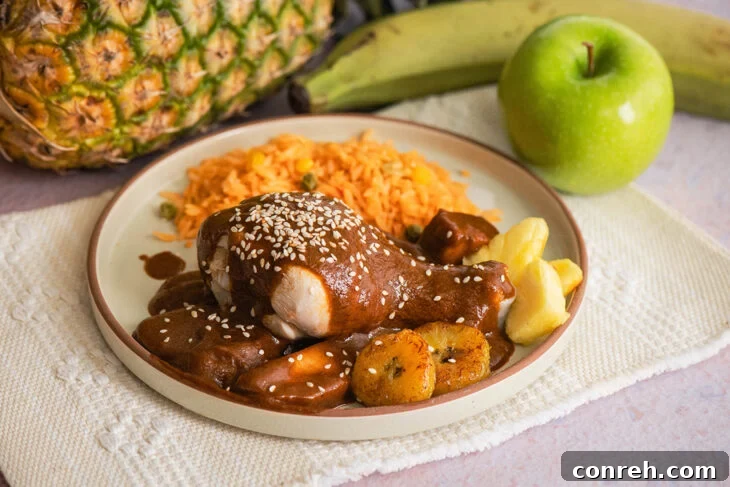
Mole Manchamanteles is celebrated for its harmonious flavors and is traditionally served as the star of a meal, often draped over perfectly cooked meats. The sauce’s delightful sweetness, derived from the succulent plantains and juicy pineapple, creates an exquisite balance with the savory richness of chicken, turkey, or pork, making each bite a perfectly balanced culinary delight. To complete the traditional Mexican dining experience, this mole is commonly accompanied by fluffy white rice, warm corn tortillas perfect for scooping up every last drop of sauce, and a side of creamy refried beans. These accompaniments not only complement the mole’s flavors but also add texture and heartiness to the dish.
- Beyond Tradition: While classic pairings are beloved, Mole Manchamanteles is also wonderfully versatile for modern interpretations. For a delightful vegetarian option, consider serving this rich mole over a medley of roasted seasonal vegetables, allowing their natural flavors to meld with the complex sauce. Alternatively, it can be a fantastic topping for seared or baked tofu, creating a satisfying and flavorful plant-based meal. Don’t limit its use to main courses; this mole can also elevate a simple plate of scrambled eggs or become the star sauce for creative enchiladas or tacos, offering an innovative way to enjoy its unique profile.
- Creative Pairings: For beverages, consider a light-bodied red wine, a crisp lager, or even a traditional Mexican aguas frescas to cleanse the palate between bites and complement the mole’s multifaceted flavors.
Maximizing Freshness: Expert Storage Tips for Mole Manchamanteles
One of the most appealing characteristics of mole, and particularly Mole Manchamanteles, is its exceptional ability to store well and retain its deliciousness upon reheating. In fact, many culinary enthusiasts argue that the flavors of mole deepen and become even more harmonious after a day or two, making it an ideal make-ahead dish for busy schedules or future meal planning.
For immediate consumption or short-term storage, freshly prepared Mole Manchamanteles can be kept safely in an airtight container in the refrigerator for up to five days. During this period, the various ingredients continue to meld, allowing the complex flavors to further develop and intensify, resulting in an even richer taste experience.
For longer preservation, the mole sauce freezes beautifully. You can store it in a freezer-safe container or heavy-duty freezer bags for up to three months. This makes it an incredibly convenient option for preparing a large batch and having a portion ready for a quick, flavorful meal whenever a craving strikes. When you’re ready to enjoy your frozen mole, simply thaw it overnight in the refrigerator. When reheating, it’s advisable to add a small amount of water or chicken (or vegetable) broth to the sauce. This helps to restore its original smooth, velvety consistency, preventing it from becoming too thick and ensuring it coats your chosen protein or vegetables perfectly.
A Sensory Journey: Flavor and Texture Profile of Mole Manchamanteles
Mole Manchamanteles offers a truly immersive sensory experience, distinguished by its luxurious flavor and inviting texture. It presents as a thick, sumptuously velvety sauce, designed to beautifully cling to and envelop every piece of meat or vegetable it graces. The base of the sauce is deeply savory, crafted from carefully roasted tomatoes and a blend of earthy chiles, which provide a profound foundation of umami.
- Richness and Depth: The addition of various nuts and lightly fried bread components contributes significantly to the mole’s richness and introduces a delightful textural complexity. These elements add a subtle crunch and body, enhancing the overall mouthfeel.
- Tropical Sweetness and Warmth: Complementing this savory base are the vibrant tropical fruits, such as pineapple and plantains, which infuse the sauce with a natural, bright sweetness. This sweetness is masterfully balanced by the warm, aromatic embrace of traditional spices like cinnamon, allspice, and cloves. These spices do not merely add flavor but also impart a comforting fragrance that hints at the sauce’s depth.
- A Symphony of Flavors: With each spoonful, Mole Manchamanteles reveals a new layer of its intricate flavor profile—smoky from the chiles, sweet from the fruits, subtly tangy, and mildly spicy. This harmonious interplay of tastes ensures a dynamic and unforgettable culinary journey, making it a dish that continues to surprise and delight with every bite.
Nourishing Traditions: Nutritional Insights into Mole Manchamanteles
Beyond its incredible flavor and cultural significance, Mole Manchamanteles also offers a range of nutritional benefits, thanks to its diverse and wholesome ingredients.
- Rich in Antioxidants and Fiber: The vibrant array of ingredients used in Mole Manchamanteles, particularly ancho chiles, ripe tomatoes, and tropical fruits, are abundant in antioxidants. These powerful compounds combat oxidative stress within the body, reducing inflammation and supporting overall cellular health. Furthermore, the high fiber content, especially from the chiles and fruits, aids in healthy digestion, promotes gut health, and contributes to a feeling of fullness, which can assist in weight management.
- Heart-Healthy Fats and Essential Nutrients: The nuts incorporated into the mole sauce, such as almonds and peanuts, are excellent sources of heart-healthy monounsaturated and polyunsaturated fats. These fats are known to help lower bad cholesterol levels and support cardiovascular well-being. Additionally, tropical fruits like pineapple and plantains are packed with essential vitamins and minerals, including a significant amount of potassium, which is crucial for maintaining healthy blood pressure, and vitamin C, a powerful immune booster that also aids in collagen production for healthy skin. Consuming this mole offers not just a delicious meal, but a nutrient-dense one.
Frequently Asked Questions (FAQs) About Mole Manchamanteles
Absolutely! To adapt Mole Manchamanteles for vegetarian or vegan diets, simply substitute the chicken broth with a flavorful vegetable broth. The rich sauce can then be served over a variety of roasted vegetables, such as bell peppers, zucchini, or sweet potatoes, or paired with pan-seared tofu, tempeh, or fluffy rice for a hearty and delicious plant-based meal.
This versatile mole stores exceptionally well! It can be kept in an airtight container in the refrigerator for up to 5 days, with its flavors often deepening over time. For longer storage, it can be frozen for up to 3 months. When reheating, it’s best to warm it gently on the stovetop over low heat, adding a splash of water or broth to maintain its signature smooth and velvety consistency.
Mole Manchamanteles is traditionally and exquisitely served with tender chicken, savory turkey, or succulent pork. The unique blend of sweet and smoky flavors in the sauce beautifully complements these meats, creating a harmonious and comforting dish. It also works wonderfully with duck for a more adventurous pairing.
Yes, absolutely! The beauty of Mole Manchamanteles lies in its adaptability. If pineapple or plantains are not readily available, you can certainly experiment with other fruits. Green apples, pears, or even peaches make excellent substitutes, each contributing a pleasant sweetness and a balanced tartness that complements the rich spice blend of the mole beautifully.
Mole Manchamanteles distinguishes itself through its prominent and distinct blend of sweet and savory flavors, largely attributed to the generous inclusion of tropical fruits like pineapple and plantains. While other moles might focus more on chocolate, nuts, or pure chile heat, Manchamanteles offers a unique fruity sweetness that balances the earthy chiles, giving it a vibrant character and its memorable “tablecloth-stainer” nickname due to its rich, colorful appearance.
The name “Manchamanteles” literally translates to “tablecloth-stainer” in Spanish. This playful yet apt moniker refers to the mole’s rich, deep, and vibrant colors, which are so intense they’re likely to leave a beautiful stain on a tablecloth if accidentally spilled. It’s a testament to the sauce’s robust character and its integral role in festive, sometimes boisterous, celebrations.
Compared to some other Mexican moles, Mole Manchamanteles is generally considered to have a mild to moderate heat level. The primary chile used, the ancho chile, provides a smoky, earthy flavor rather than intense heat. The sweetness from the fruits also helps to temper any spice. You can adjust the heat by carefully selecting your chiles or adding a pinch of a spicier chile if you prefer more kick.
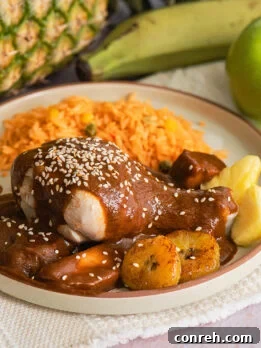
Mole Manchamanteles
5 Stars (no reviews yet)
No reviews
- Author: Ericka Sanchez
- Prep Time: 30 minutes
- Cook Time: 90 minutes
- Total Time: 2 hours
- Yield: 6 cups
Description
Mole Manchamanteles, known for its rich, complex flavors, is not only delicious but also incredibly versatile for meal planning.
Ingredients
- 8 Roma tomatoes, stem scar removed
- 8 dried ancho chiles, wiped clean, stems veins and seeds removed
- ½ cup plus 2 tablespoons vegetable oil
- 1 medium white onion, cut in large slices
- 6 garlic cloves, peeled
- ¼ cup raw almonds, peeled
- ¼ cup raw peanuts
- ¼ cup raisins
- 1 day old bolillo, sliced
- 4 whole cloves
- 8 allspice berries (originally ‘allspice’, but implied berries for grinding)
- 10 peppercorns
- ¼ teaspoon dried oregano
- 1 (3-inch) cinnamon stick
- 3 cups chicken broth, divided
- 1 ½ teaspoon sea salt
- 3 tablespoons sugar
- 2 tablespoons apple cider vinegar
- 1 large ripe plantain, sliced in 1-inch pieces
- 2 cups pineapple, chopped
- 1 small green apple, peeled and chopped in small pieces
Instructions
- Roast Tomatoes: Place Roma tomatoes on a comal or a heavy-bottomed skillet over medium heat. Turn them occasionally with tongs until their skins begin to char and blister. This step enhances their natural sweetness and adds depth of flavor. Remove from heat and set aside to cool slightly.
- Prepare Water for Chiles: In a medium saucepan, bring 4 cups of water to a rolling boil. As soon as the water boils, turn off the heat. This hot water will be used for rehydrating the chiles.
- Rehydrate Ancho Chiles: Carefully place the dried ancho chiles, 2 to 3 at a time, onto the hot comal. Toast them for approximately 30 seconds on each side, just until their skins soften and become fragrant. Be careful not to burn them, as this can make the mole bitter. Immediately transfer the softened chiles to the saucepan with the hot water. Allow them to hydrate and soften for at least 30 minutes.
- Sauté Aromatics: Heat 2 tablespoons of vegetable oil in a large skillet over medium heat. Add the onion slices and peeled garlic cloves. Cook them gently until they become tender and translucent, which should take about 5 minutes. Ensure they do not brown or burn. Using a slotted spoon, remove the cooked onions and garlic and transfer them to a large bowl. Set aside.
- Lightly Fry Almonds: Reduce the skillet heat to medium-low. Add the raw, peeled almonds to the skillet and lightly fry them for about 2 minutes, or until they are golden brown and fragrant. Transfer them to a separate bowl.
- Lightly Fry Peanuts: Add the raw peanuts to the same skillet. Lightly fry them for about 2 minutes until they are slightly toasted. Remove the peanuts and transfer them to the bowl containing the almonds.
- Lightly Fry Raisins: Place the raisins in the skillet. Lightly fry them for approximately 1 minute. As soon as the raisins begin to puff up and soften, remove them from the skillet and add them to the bowl with the almonds and peanuts.
- Fry Bolillo Slices: In the same skillet, over medium heat, lightly fry the slices of day-old bolillo (Mexican bread) until they turn a beautiful golden brown and become slightly crispy. Set them aside on a plate lined with paper towels to absorb any excess oil.
- Grind Spices: Combine the whole cloves, allspice berries, peppercorns, dried oregano, and cinnamon stick in a spice grinder or a traditional molcajete. Process or grind them until they form a fine, aromatic powder.
- Blend Tomato Mixture: In a blender, combine the roasted tomatoes, sautéed onion, garlic cloves, the mixture of fried nuts and raisins, and 1 cup of chicken broth. Blend until the mixture is completely smooth and creamy. Pass this blended mixture through a fine-mesh strainer into a large bowl to ensure a silky texture, pressing down on the solids to extract all liquid. Set aside.
- Blend Chile and Bread Mixture: Add the rehydrated ancho chiles, the freshly ground spices, the fried bolillo slices, and the remaining 2 cups of chicken broth to the blender. Blend thoroughly until this mixture is also completely smooth. Strain this chile mixture into the same bowl containing the tomato mixture, again pressing to extract all liquid. Stir both mixtures well to combine them thoroughly.
- Simmer the Mole Base: Heat the remaining ¼ cup of vegetable oil in a large saucepan over medium-low heat. Carefully pour in the combined mole sauce mixture. Stir in the sea salt, sugar, and apple cider vinegar. Mix everything well and bring the sauce to a gentle simmer. Allow it to cook slowly for 30 minutes, stirring occasionally, to allow the flavors to deepen and meld.
- Fry Plantains: In a separate large skillet, heat the remaining ¼ cup of vegetable oil over medium heat. Add the sliced plantain pieces and fry them until they turn golden brown and slightly caramelized on both sides. Remove the fried plantains and transfer them to a paper towel-lined plate to drain any excess oil.
- Add Fruits to Mole: Add the chopped pineapple pieces to the simmering mole sauce. Cook for 10 minutes, allowing the pineapple to soften and infuse its sweetness into the mole. Then, gently stir in the fried plantains and chopped green apple slices. Continue to cook for an additional 5 minutes, or until the sauce begins to simmer gently again and the fruits are heated through.
- Serve and Enjoy: Your Mole Manchamanteles is now ready! Serve it generously over your choice of cooked chicken, turkey, or pork, accompanied by rice and tortillas.