Embracing the Magic of Mexican Christmas: Traditions, Feasts, and the Iconic Noche Buena Salad
The Christmas season in Mexico is a tapestry woven with rich traditions, heartfelt customs, and vibrant festivities that stretch far beyond a single day. Unlike many cultures that celebrate primarily on December 25th, the heart of Mexican Christmas beats strongest on December 24th, known as Noche Buena (Christmas Eve). This sacred night marks the culmination of weeks of preparation, community gatherings, and profound religious observance, transforming homes and towns into hubs of warmth, flavor, and spiritual reflection.
As the clock ticks towards midnight on Noche Buena, families across Mexico gather for a grand celebration. It’s a day steeped in anticipation, often beginning with the preparation of elaborate feasts. The air fills with the comforting aromas of traditional dishes, most notably savory tamales and rich, warming champurrado, a thick chocolate-based drink. As midnight strikes, marking the dawn of December 25th, presents are joyfully exchanged, adding a burst of excitement to the reverent atmosphere. This moment of gift-giving often follows a family prayer, where loved ones gather around intricate nativity scenes, known as Nacimientos, which often feature cherished religious pieces and relics collected over generations.
These Nacimientos are not mere decorations; they are sacred family heirlooms, lovingly assembled and expanded upon year after year. The scene is often enhanced by the distinct, musty yet pleasant aroma of planta gobernadora, or creosote bush, a desert plant whose fragrance permeates the air, becoming synonymous with the very essence of Christmas for many Mexicans. This unique scent, combined with the soft glow of lights and the quiet reverence, creates an unforgettable sensory experience.
The Journey of Las Posadas: A Nine-Day Pilgrimage of Community and Joy
Leading up to Noche Buena are nine days of deeply cherished festivities known as Las Posadas. Beginning on December 16th and concluding on the 24th, these novenas symbolically represent the nine months of Mary’s pregnancy with Jesus, commemorating her and Joseph’s arduous journey to Bethlehem and their search for lodging. Each day, a different home in the community opens its doors to host a posada, fostering a strong sense of communal bonding and spiritual reflection.
The ritual of a posada is a beautiful reenactment of the biblical story. Participants, often children dressed as angels, Mary, and Joseph, process through the neighborhood carrying candles and singing traditional songs. They stop at designated homes, knocking on doors and singing the litany asking for “posada” (shelter). From inside, the “innkeepers” respond in song, initially refusing entry, until finally, on the last door, the pilgrims are recognized and welcomed with open arms. This symbolic entry into the host home signifies the end of the journey and the beginning of the celebration.
Once inside, the atmosphere shifts from solemn procession to joyful celebration. Families and friends gather to pray the rosary, expressing gratitude and hope. The spiritual aspect seamlessly transitions into a lively feast, where guests enjoy an array of traditional foods and beverages. Classic holiday treats such as buñuelos (fried dough fritters), tamales, and warm ponche navideño (Christmas punch) are typically served, filling the air with enticing aromas. Laughter and conversation fill the space as everyone enjoys the communal meal.
Music is an integral part of the posada, with everyone joining in to sing festive villancicos (Christmas carols). For children, a highlight of the evening is often the breaking of the piñata. Traditionally shaped like a seven-pointed star (representing the seven deadly sins), the clay pot inside is filled with an abundance of fruit and candy. Blindfolded children, wielding a stick of virtue, take turns attempting to break the piñata, a joyous moment symbolizing the triumph of good over evil and the sweet rewards of faith.
After the piñata’s treasures are collected, children are often given a bolo, a small goody bag overflowing with peanuts, oranges, and colorful candies known as colación. These exquisite little candies, often filled with peanuts or orange peel, are not only a treat but also sometimes given as a special reward to those who gently kiss or “adore” the baby Jesus figure once it has been reverently placed in the nativity scene, further deepening the spiritual connection to the celebration.
Ensalada de Noche Buena: A Festive and Flavorful Christmas Eve Centerpiece
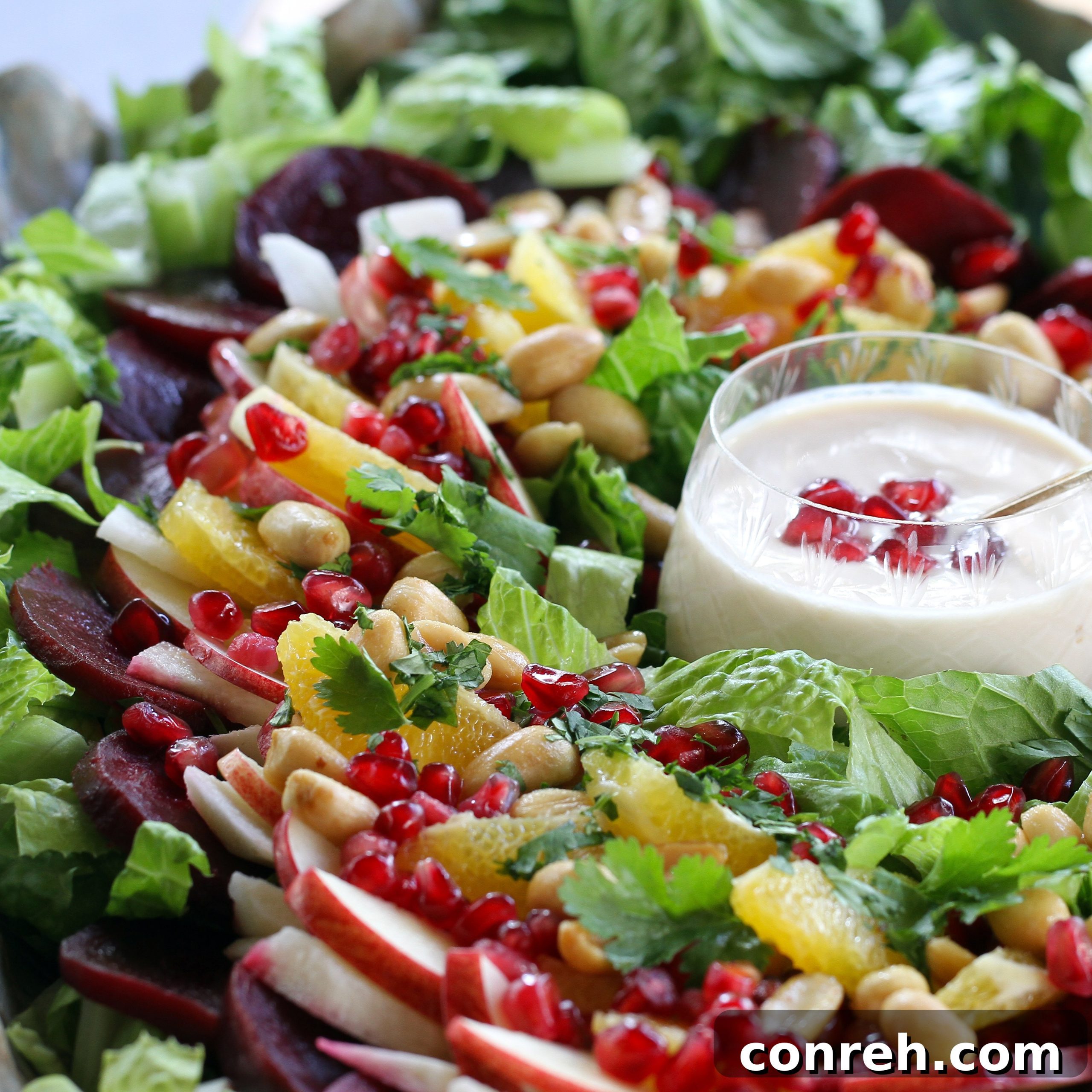
No Mexican Christmas Eve feast would be complete without the vibrant and refreshing Ensalada de Noche Buena, or Christmas Eve Salad. Named after the Poinsettia flower (which is also called Noche Buena in Spanish), this salad is a culinary representation of the holiday’s beauty and spirit. Its stunning presentation, arranged in a circular pattern like a blooming flower and accented by bright crimson pomegranate arils resembling jewels on a wreath, mirrors the iconic festive plant that adorns homes during the holiday season.
Beyond its visual appeal, the Ensalada de Noche Buena offers a delightful contrast to the rich, hearty dishes typically served at Christmas dinner. It’s a symphony of flavors and textures: sweet from the fruit, savory from the vegetables, and crunchy from nuts and jicama. This salad provides a refreshing counterpoint, cleansing the palate and adding a burst of fresh ingredients to the celebratory meal. Its colorful composition – often including beets, apples, oranges, jicama, and pomegranate – not only makes it a visual masterpiece but also a wholesome and delicious addition, embodying the joy and generosity of the Mexican Christmas spirit.
This traditional salad is a testament to the creativity and love infused into Mexican holiday cooking. It’s a dish that transcends mere sustenance, becoming a symbol of the season itself—beautiful, abundant, and full of life. It’s a must-try for anyone looking to experience the authentic flavors of a Mexican Christmas.
Recipe developed for Nestle Kitchens.
Photo by Nestle Kitchens

Christmas Eve Salad (Ensalada de Noche Buena)
No reviews
-
Yield:
10 servings
Ingredients
For Sweet Cream Dressing
- 1 cup NESTLÉ® Media Crema
- 3 tablespoons fresh orange or lime juice
- 2 tablespoons granulated sugar, or to taste
Salad Ingredients
- 1 head Romaine lettuce, leaves washed and shredded
- 4 medium beets, cooked, peeled, and thinly sliced (about 4 cups)
- ½ large jicama, peeled and cut in 1/4-inch-thick slices
- 2 red apples, thinly sliced
- 3 oranges, peeled and cut in wedges, or 3 cups mandarin orange segments
- ¾ cup pomegranate seeds
- ½ cup roasted peanuts
- 1 tablespoon finely chopped fresh cilantro
Instructions
For Sweet Cream Dressing
- Combine media crema, orange juice, and sugar in a small bowl; stir well to combine until smooth.
For Salad
- Carefully arrange the shredded Romaine lettuce leaves over a large serving platter or at the bottom of a large salad bowl, creating a base.
- Artfully layer the prepared beets, jicama slices, apple slices, and orange wedges over the lettuce base. Arrange them in a circular pattern for a visually appealing presentation, reminiscent of a poinsettia flower.
- Generously sprinkle the pomegranate seeds, roasted peanuts, and finely chopped fresh cilantro over the arranged salad, adding color, texture, and a burst of freshness.
- Serve the Ensalada de Noche Buena immediately with the sweet cream dressing on the side, allowing guests to add dressing to their preference. Enjoy this festive and refreshing dish!
Notes
To prevent apple and jicama slices from browning, brush or lightly coat them with a small amount of fresh orange or lime juice after slicing.
Lee la receta en español aquí.