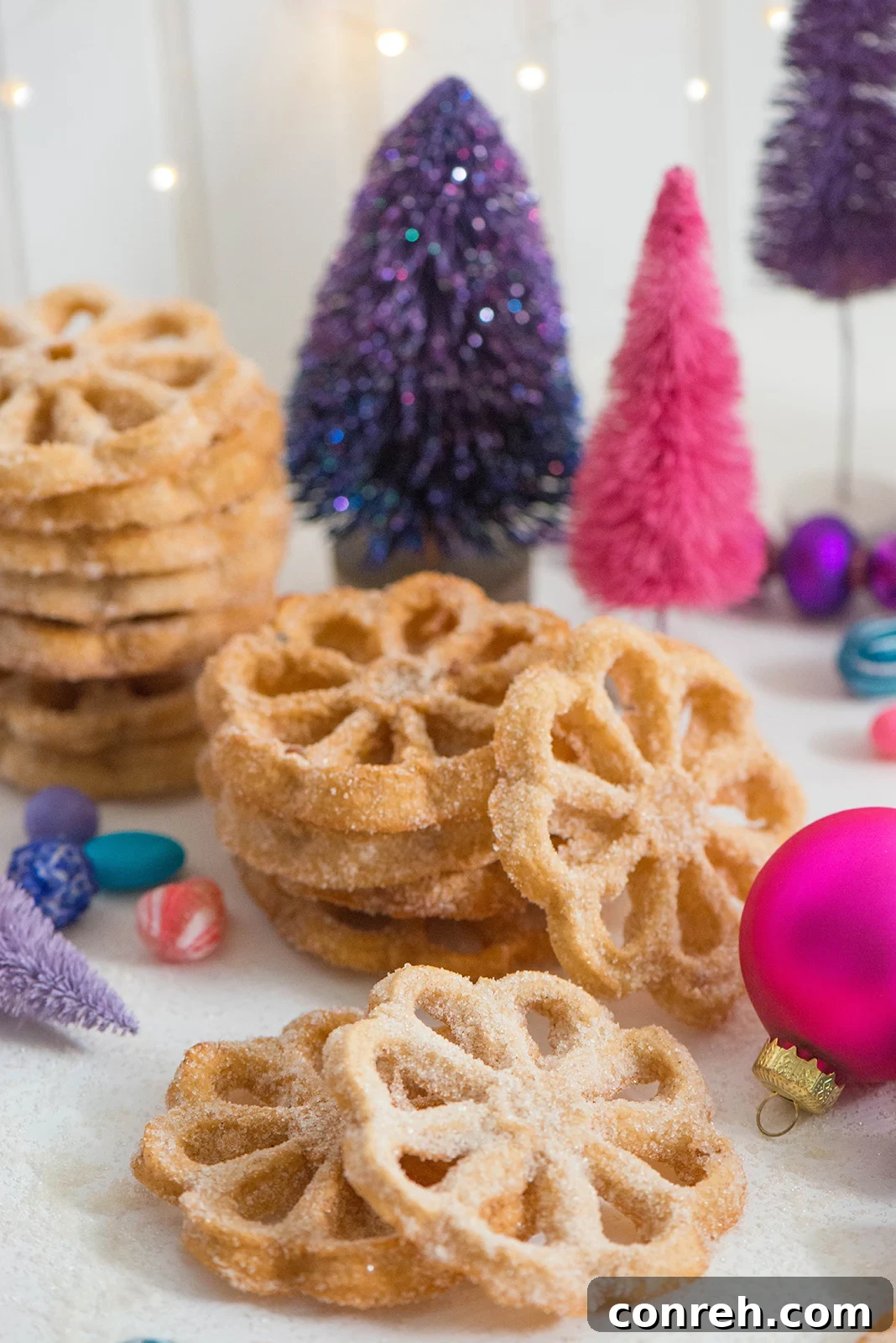
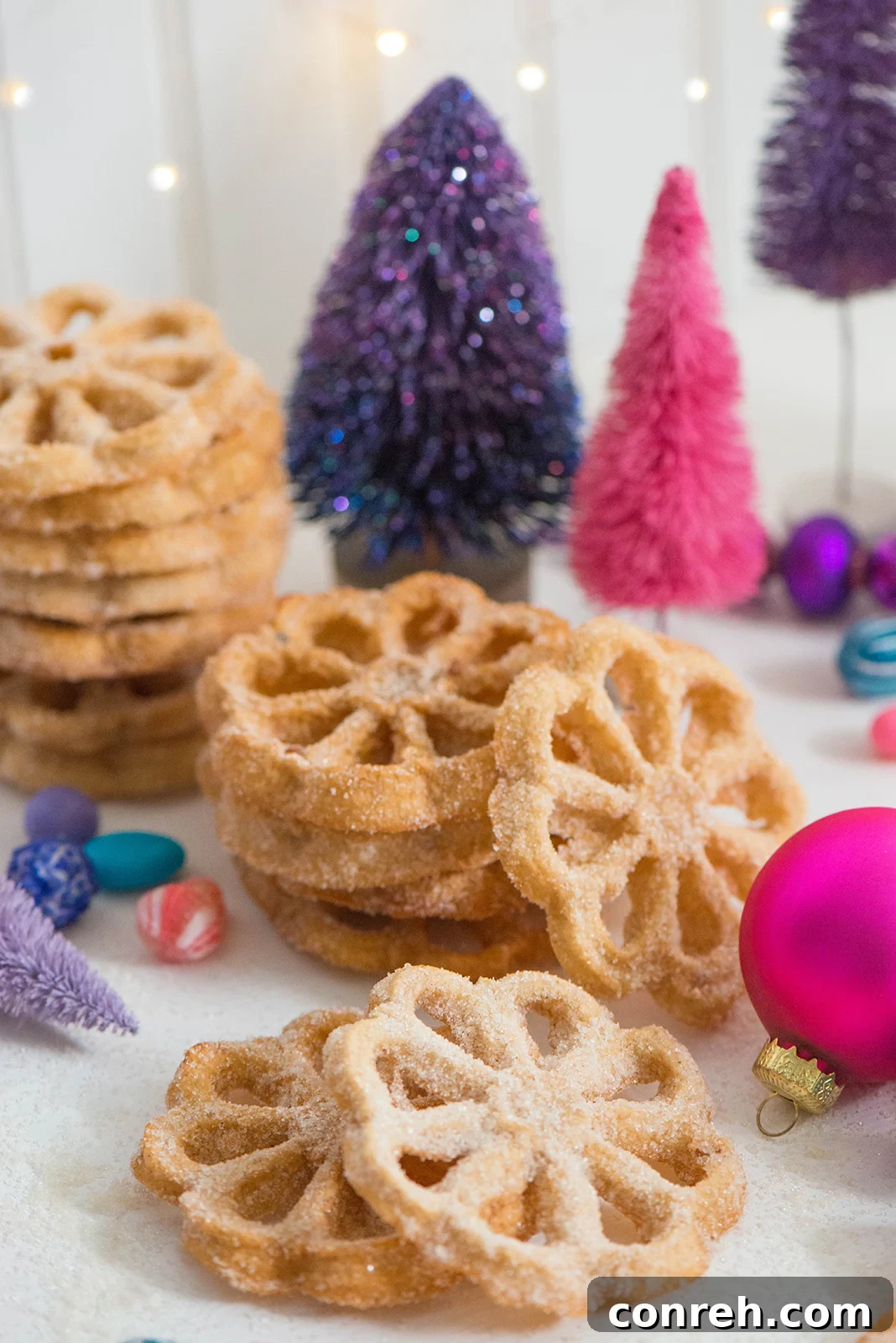
Buñuelos de Viento: Crafting Irresistible Mexican Rosette Fritters for Festive Celebrations
The holiday season, with its twinkling lights and festive melodies, ushers in a truly magical time of year. For many, this period is synonymous with cherished traditions, gathering with loved ones, and, of course, indulging in delectable treats. Today, I’m absolutely thrilled to share one of my absolute favorite holiday desserts: Buñuelos de Viento. These delicate, crispy fritters are more than just a sweet treat; they are a delightful embodiment of joy and celebration, deeply rooted in Mexican culinary heritage. Imagine spending a cozy day wrapping Christmas gifts, baking aromatic cookies, and preparing a fresh batch of these airy delights – that’s precisely how I recently embraced the festive spirit.
Often translated as “wind fritters” due to their incredibly light and ethereal texture, Buñuelos de Viento are a true marvel of simplicity and flavor. They are a beloved staple at holiday gatherings, bringing smiles to faces young and old with every delicate crunch. While the name “buñuelo” might sound familiar, it’s crucial to distinguish these particular treats from other traditional Mexican buñuelos, which are typically made by rolling out dough with a rodillo (or tortilla roller) into flat, disc-like shapes before frying. Buñuelos de Viento, on the other hand, are crafted using a unique and fascinating specialized tool known as a buñuelera, or more commonly, a rosette mold.
The Essential Tool: Mastering the Rosette Mold (Buñuelera)
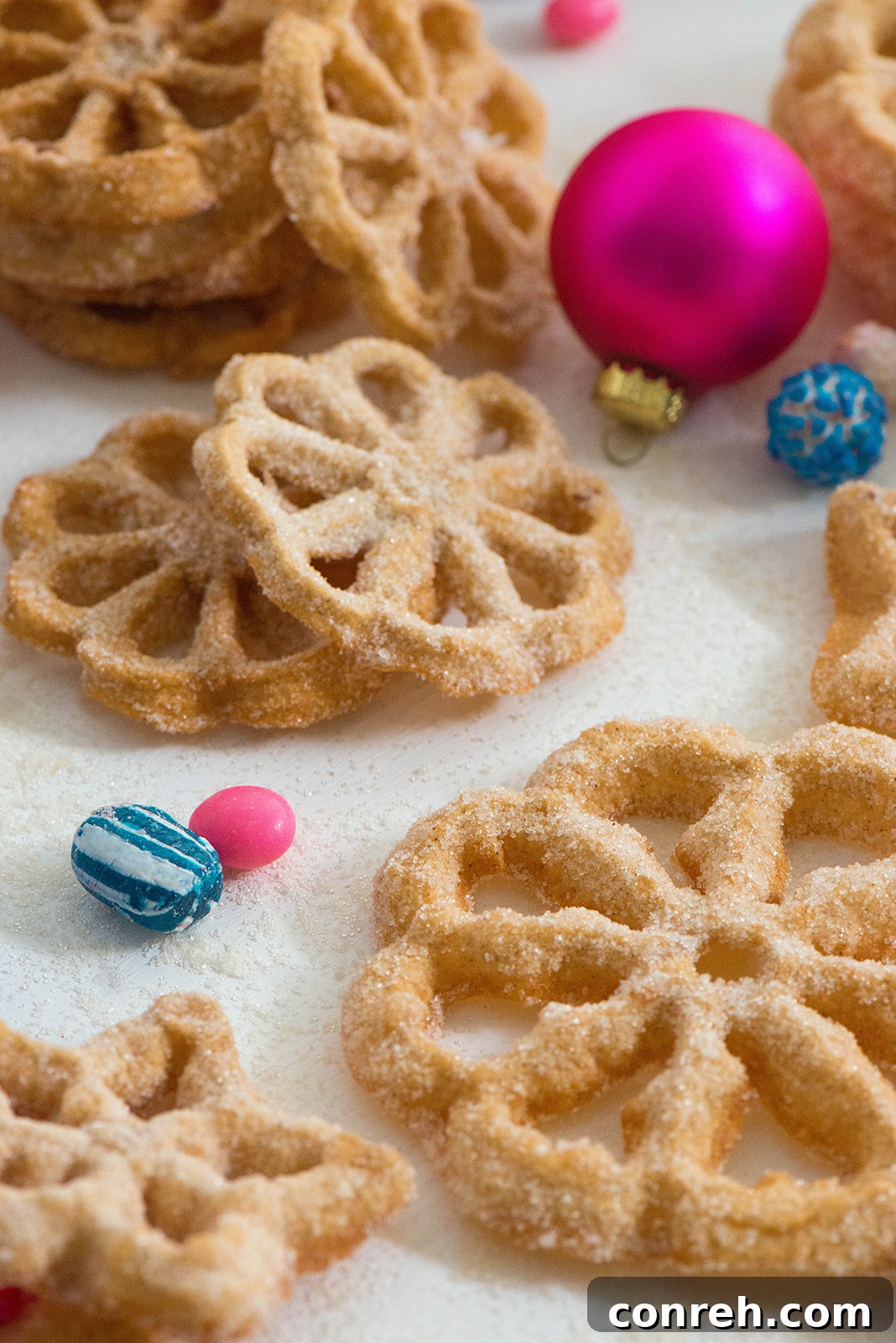
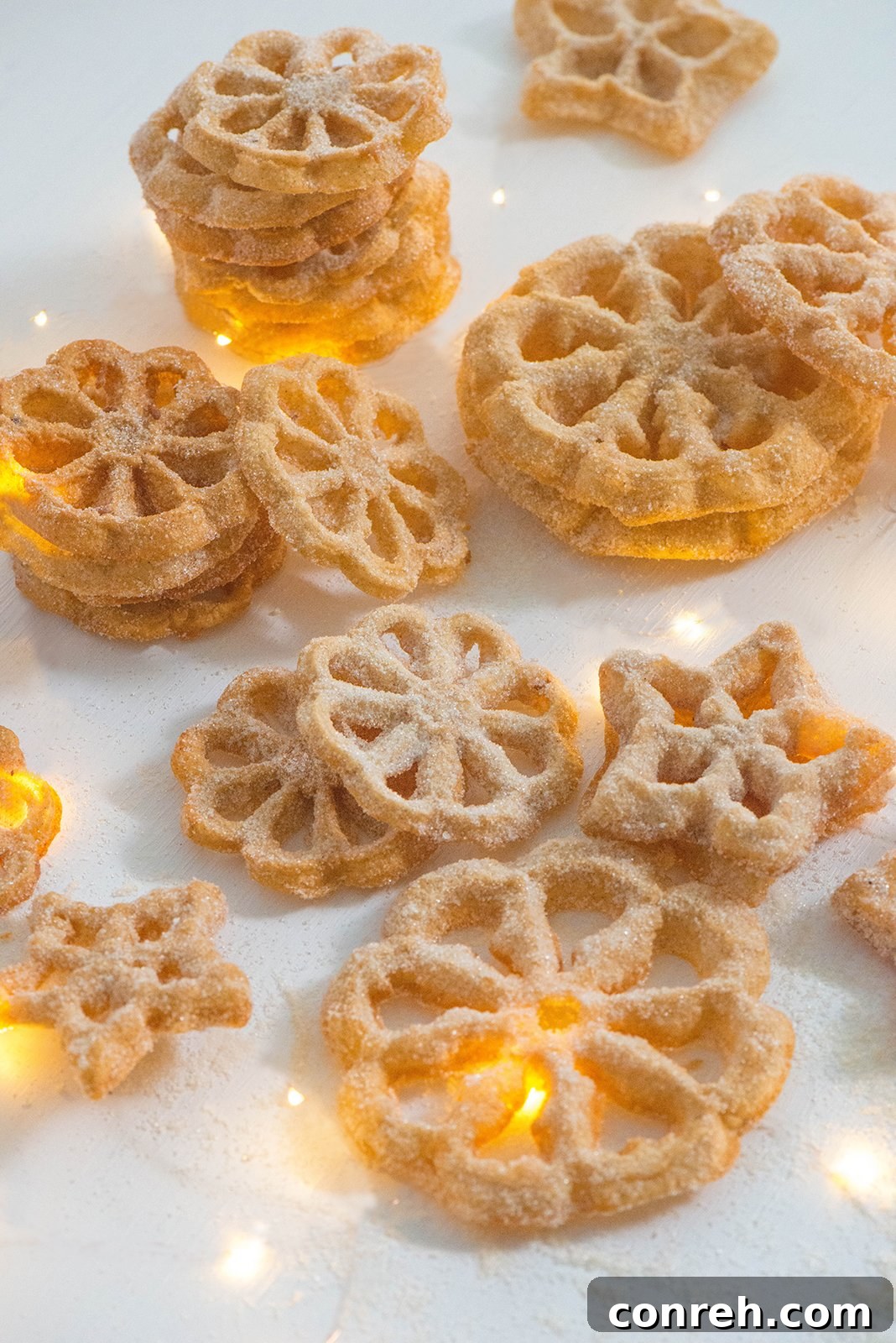
The secret to the distinctive, intricate shape and unparalleled crispiness of Buñuelos de Viento lies entirely in the specialized cooking tool: the buñuelera. This ingenious gadget, frequently crafted from durable cast aluminum, features an ornate metal mold attached to a long, sturdy handle. The molds themselves come in a charming array of intricate shapes, ranging from classic floral rosettes to festive stars and even whimsical butterflies, each designed to create a beautiful, edible work of art. The extended handle is an absolutely essential component, allowing for the safe and precise dipping of the mold into hot oil, which is fundamental to creating perfectly formed fritters without risk of burns.
Acquiring a buñuelera is undoubtedly the foundational first step to embarking on your Buñuelos de Viento culinary journey. These specialized molds are readily available through various channels: you can find them online via major e-commerce retailers, at dedicated kitchen supply stores that cater to gourmet cooking, or, if you’re seeking larger, more traditional, and often handcrafted designs, in the aisles of larger Latin American markets. When selecting your mold, take a moment to consider the size and the intricacy of the design that most appeals to you. Smaller molds will naturally yield a greater number of individual buñuelos per batch, making them perfect for large gatherings, children’s parties, or when preparing them as gifts. Conversely, larger molds produce more substantial, statement-making desserts that are sure to impress. Regardless of your final choice, a well-cared-for buñuelera is destined to become a cherished and frequently used addition to your kitchen arsenal for many holiday seasons to come. It’s also important to remember to properly season new molds by submerging them in hot oil for a short period before their very first use; this crucial step helps to create a non-stick surface, ensuring the batter adheres correctly and releases cleanly every time.
A Culinary Tradition: Buñuelos de Viento in Mexican Celebrations
Buñuelos de Viento are inextricably linked with the vibrant and colorful tapestry of Mexican holiday traditions, holding a particularly esteemed place during posadas and fiestas Decembrinas – the joyous December celebrations that lead up to Christmas. Posadas, meaning “inns” or “lodgings” in Spanish, are a deeply meaningful nine-day celebration reenacting Mary and Joseph’s pilgrimage and search for shelter in Bethlehem. These events are vibrantly filled with carols, candlelight processions, the joyful breaking of piñatas, and, of course, an abundant spread of traditional food and drink, with buñuelos proudly taking their place among the most cherished festive offerings. The sight and, perhaps even more powerfully, the sweet aroma of these golden, crispy treats unequivocally signal the arrival of the most wonderful time of the year, bringing with them an irreplaceable sense of communal warmth and festive spirit.
Beyond the sacred posadas, Buñuelos de Viento gracefully adorn tables at countless holiday parties, family reunions, and festive gatherings throughout the entire month of December. Their elegant, intricate appearance and their undeniably delightful taste make them a perpetual favorite for dessert platters, instantly adding a touch of authentic Mexican charm and sophistication to any celebratory spread. They stand as a testament to the rich and enduring culinary heritage of Mexico, a culture where food transcends mere sustenance to become a vital, expressive component of cultural identity, family bonding, and heartfelt hospitality. Serving these buñuelos is a deeply meaningful way to share a cherished piece of this tradition, inviting everyone present to partake in the warmth, history, and profound joy of the holiday season.
Customizing Your Crispy Delights: Toppings and Flavor Profiles
One of the most appealing and versatile aspects of Buñuelos de Viento is the boundless array of possibilities when it comes to toppings. While absolutely delicious and satisfying on their own, a simple dusting or a generous coating of something sweet truly elevates both their flavor and their presentation. The ultimate choice of topping is entirely up to your personal preference, allowing for endless creative expression and personalization. Common and beloved choices include a straightforward sprinkle of granulated sugar, a more aromatic and generous coating of cinnamon-sugar for a distinct warm spice note, or an elegant dusting of powdered sugar that mimics a fresh blanket of snow. For those who yearn for a deeper, richer, and more complex sweetness, a luscious drizzle of traditional piloncillo syrup (a raw, unrefined cane sugar syrup) offers a distinct caramel-like flavor that beautifully complements the light, delicate texture of the fritter.
Beyond these cherished classic options, adventurous cooks might explore even more creative avenues. Consider a light dusting of high-quality cacao powder for a subtle, sophisticated chocolate hint, or even finely ground Mexican chocolate tablets for an intense, aromatic, and distinctly traditional chocolate experience. For my own batch, I opted to maintain an air of elegant simplicity, dusting them lightly with granulated sugar. To ensure every bite was infused with a consistent warmth, I chose to incorporate a generous amount of ground cinnamon directly into the batter itself. This method creates a nuanced flavor profile that is wonderfully reminiscent of an airy churro, guaranteeing that the delightful spice is present in the very core of the buñuelo, rather than merely on its surface. Whether you prefer a minimalist, understated approach or a lavish combination of multiple toppings, the end result is always a universally delicious, satisfying, and utterly irresistible treat.
Perfect Pairings: What to Serve with Your Buñuelos
To truly complete the delightful experience of enjoying Buñuelos de Viento, pairing them with the right beverage is absolutely essential, especially during the crisp, often chilly December evenings. Keeping in perfect harmony with the traditional and festive spirit of posadas, I wholeheartedly recommend serving these fritters alongside classic Mexican hot drinks. My top and most authentic choices include a rich, comforting, and deeply aromatic Mexican hot chocolate, known for its deep cocoa flavor often beautifully enhanced with cinnamon and sometimes a subtle hint of chili. Another excellent option is the thick and incredibly satisfying champurrado, a traditional chocolate-based atole thickened with masa harina, offering a unique texture and robust flavor. Alternatively, a fragrant atole, a warm, corn flour-thickened beverage that comes in various fruit and spice flavors (such as vanilla or guava), provides a soothing accompaniment. These traditional drinks not only perfectly complement the inherent sweetness and crispiness of the buñuelos but also envelop you in a cozy, nostalgic warmth that is so characteristic of Mexican holiday celebrations.
For those looking for other wonderful beverage options, a robust and freshly brewed coffee, a comforting spiced chai tea, or even a simple, refreshing glass of cold milk can also make delightful companions to these delicate fritters. The key is always to choose a drink that effectively balances the sweetness of the buñuelos and allows their unique, ethereal texture to shine through, transforming each bite and sip into a truly cherished moment to savor.
Gifting and Storing Your Delicate Delights
Buñuelos de Viento are not only a magnificent treat for your own table but also make for absolutely perfect edible gifts for cherished friends, beloved family members, and appreciative neighbors throughout the holiday season. Their beautiful, intricate shapes and undeniably delicious flavor convey a profound sense of thoughtfulness and homemade charm that is deeply valued during festive times. When preparing these exquisite fritters as gifts, consider investing in elegant packaging to further enhance their visual appeal. Transparent cellophane bags, gracefully tied with colorful festive ribbons, or small, beautifully decorative boxes meticulously lined with tissue paper, can effortlessly transform a simple batch of buñuelos into a truly memorable and highly appreciated present. They represent a wonderful, personal way to spread genuine holiday cheer and share a cherished taste of authentic tradition.
These delightful desserts also offer the practical advantage of being suitable for making ahead of time. They typically retain their highly coveted crispiness for a good few days, provided they are stored with appropriate care. To ensure they remain perfectly fresh and wonderfully brittle, place them in an airtight container at room temperature, ideally in a cool, dry place and crucially away from any sources of humidity. It is best to avoid refrigerating them, as the moisture within a refrigerator can unfortunately cause them to rapidly lose their signature crisp texture. However, a significant word of caution must be heeded: buñuelos de viento are notoriously fragile. Their delicate, airy structure means they can easily crumble into a myriad of tiny pieces if mishandled, both during the meticulous packaging process and, even more critically, during transport. Therefore, handle them with the utmost gentleness and care, placing them ever so softly into their containers or bags, and advise your recipients to exercise the same delicate touch. A little extra care and attention during these stages will undoubtedly ensure these beautiful fritters arrive at their destination perfectly intact, ready to be thoroughly enjoyed and savored.
Recipe Yield and the Wisdom of Making Extra Batches
The yield of this particular Buñuelos de Viento recipe can vary quite significantly, primarily depending on the size and design of the rosette mold (buñuelera) you choose to use. If you opt for smaller molds, such as those commonly found from popular brands like Nordic Ware, a single batch of this meticulously prepared batter can produce an impressive quantity, often up to 40 individual buñuelos. These smaller, bite-sized fritters are ideally suited for large festive gatherings, children’s holiday parties, or when you wish to offer a wide and varied selection of delightful treats on your dessert table.
Conversely, if your preference leans towards the larger, more traditional Mexican molds, the exact same amount of batter will yield approximately 20 buñuelos. These larger fritters, with their more prominent size and intricate details, make a truly grand statement and are perfect when served as a featured, standout dessert. Given their absolutely irresistible taste and widespread popular demand, it’s a universal truth that people tend to devour these quickly! I cannot stress enough my strong recommendation to always make an extra batch or even two. You will undoubtedly find that your holiday guests will be incredibly grateful for the generous abundance, and you might even be fortunate enough to have a few precious buñuelos left over to enjoy with your morning coffee the very next day. In the world of holiday treats, it’s always better to have an excess than to face the disappointment of running out of these beloved, crispy delights before everyone has had their fill.
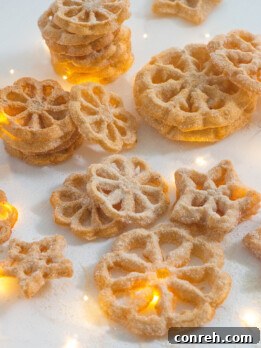
Buñuelos de Viento Recipe
- Author: Ericka Sanchez
- Prep Time: 10 minutes
- Total Time: 40 minutes
- Yield: About 20-40 Buñuelos (depending on mold size)
Description
Celebrate the holidays with these traditional, incredibly light, airy, and crispy Buñuelos de Viento. Perfect for festive gatherings, sharing with loved ones, or as thoughtful, delicious edible gifts. This recipe brings a taste of Mexican holiday joy to your kitchen.
Ingredients
- 2 cups whole milk, at room temperature
- 2 cups all-purpose flour, sifted
- 1 tablespoon vanilla extract (pure vanilla is best for flavor)
- 1 pinch salt (approximately 1/8 teaspoon, to enhance flavors)
- 2 large eggs, lightly beaten
- 1 tablespoon ground cinnamon (adjust to taste for a warmer spice)
- Vegetable oil, for deep frying (you will need about 1-inch depth in your frying pan)
- 2 1/2 cups granulated sugar, for coating (you may need more depending on preference)
Instructions
- In a large mixing bowl, thoroughly whisk together the whole milk, all-purpose flour, vanilla extract, salt, eggs, and ground cinnamon until all ingredients are well combined and the batter is smooth. The ideal batter consistency should be thin and runny, quite similar to that of a classic pancake batter. For an exceptionally smooth finish, you can optionally run the batter through a fine mesh sieve into another clean large bowl. Once prepared, cover the bowl and allow the batter to rest at room temperature for at least 10 minutes; this helps the flour hydrate properly.
- While your batter is resting, prepare your coating station. Pour the granulated sugar into a large, shallow plate or a wide dish and set it aside within easy reach. This sugar will be used to generously coat the buñuelos immediately after they are fried.
- Heat approximately 1-inch depth of vegetable oil in a heavy-bottomed frying pan or a Dutch oven over medium heat. It’s crucial for the oil to be hot enough, but not smoking. You can test the temperature by dropping a tiny bit of batter into the oil – it should sizzle immediately and float to the surface. Carefully immerse your clean rosette mold (buñuelera) into the hot oil, ensuring the entire mold is evenly covered. This step is vital for preventing the batter from sticking to the mold. Working quickly, remove the hot-oiled mold from the pan, allowing any excess oil to drip off, and immediately dip it into the prepared batter. Ensure you cover the bottom and sides of the mold with batter, but it is extremely important not to cover the very top of the mold, as this will prevent the buñuelo from properly releasing into the oil.
- Promptly transfer the batter-coated mold back into the hot oil. Gently and carefully shake the mold up and down within the oil until the buñuelo batter unsticks and gracefully releases itself into the hot oil. Fry this first side for about 10 seconds, or until the buñuelo turns a beautiful light golden brown. Using a wooden skewer or a pair of tongs, carefully flip the buñuelo over and fry the second side for another 10 seconds or until it is evenly golden brown and crispy.
- Once the buñuelo is fried to perfection, quickly transfer it to a plate lined with paper towels to absorb any excess oil. While it is still warm (this is key for the sugar to adhere), immediately place the buñuelo into the shallow plate of granulated sugar. Using a spoon, gently cover both sides lightly and evenly with sugar. Ensure a good coating without being overly heavy.
- Carefully transfer the sugared buñuelo to a large tray or a wire rack to cool slightly. It is important to continue reheating the mold in the oil before each subsequent dip into the batter to ensure consistent results. Repeat this entire process until all the batter has been used, yielding a beautiful and delicious batch of homemade Buñuelos de Viento ready to be enjoyed.
Notes
Special Equipment for Success:
- Rosette mold (buñuelera): Essential for creating the distinctive shapes.
- Wooden skewer or tongs: Crucial for delicately flipping and handling the fragile buñuelos during frying and coating.
- Fine mesh sieve: An optional but highly recommended tool for ensuring a lump-free, super smooth batter.
For the absolute best results, consistently monitor your oil temperature. If the oil is too cool, your buñuelos will absorb too much oil and become greasy. If it’s too hot, they will brown too quickly on the outside before cooking thoroughly on the inside.
Always ensure your mold is heated sufficiently in the hot oil between each buñuelo. A properly hot mold is key to ensuring the batter clings evenly and releases cleanly into the oil, preventing sticking and ensuring beautiful, consistent shapes.