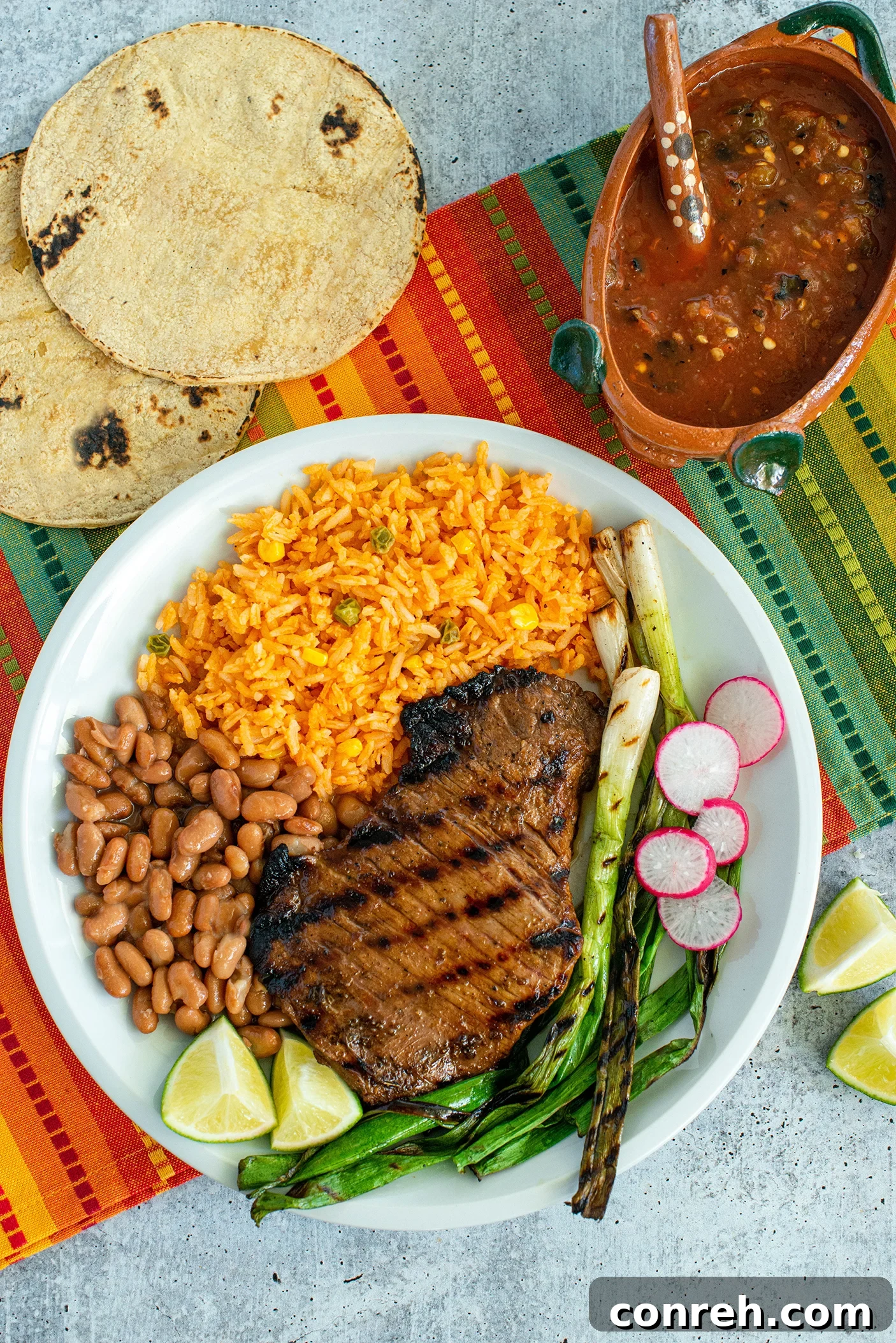
The Authentic Carne Asada Experience: A Northern Mexican Culinary Journey
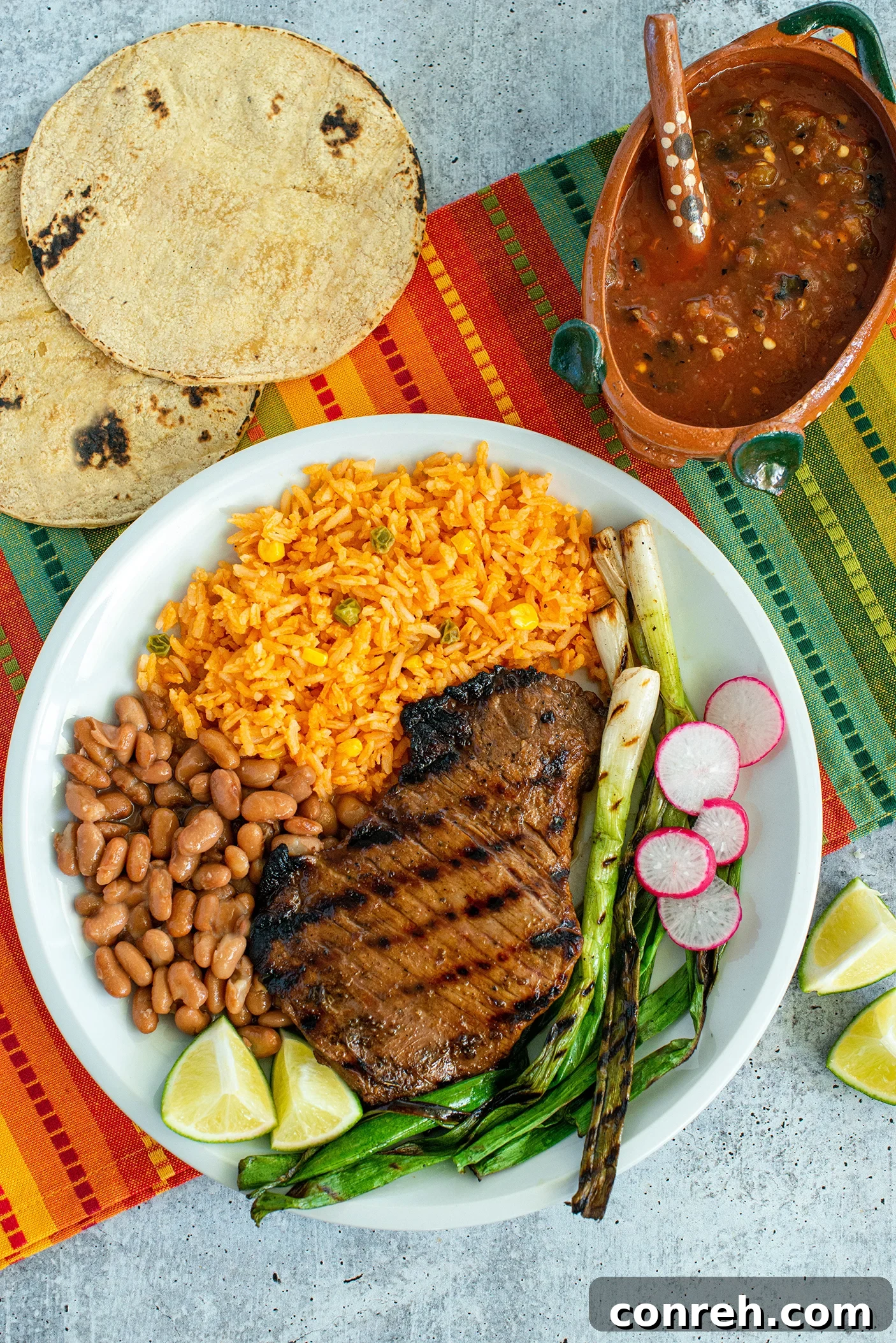
Carne Asada is far more than just grilled steak; it’s a vibrant cornerstone of Northern Mexican culture, a culinary tradition that brings families and communities together. For those of us who grew up with it, especially in border towns like El Paso, Texas, “carne asada” evokes images of sizzling grills, lively music, and the joyful camaraderie of a “parrillada” – a Mexican-style cookout. This article delves into the heart of this beloved tradition, exploring its origins, essential ingredients, and the art of preparing the perfect carne asada.
Northern Mexican Roots: A Tradition Forged in Arid Lands
Northern Mexico’s climate is characterized by its arid landscapes, a factor that historically influenced its culinary practices. With an abundance of beef available year-round, it naturally became a staple ingredient. From these conditions, the tradition of “carne asada” (grilled meat) or “carne a la parrilla” (meat on the grill) evolved. The term “parrilla” itself refers to a grill, often a simple iron grate over hot coals or burning wood, while “parrillada” specifically denotes the lively social gathering centered around it. In states like Nuevo León, home to some of Mexico’s finest “parrilleros” (grillmasters), the art of carne asada is elevated to a culinary celebration, deeply embedded in the local identity.
The Heart of the Home: Family Parrilladas
In countless Mexican households, particularly on weekends and during special occasions, the backyard transforms into a vibrant hub of activity. Family “parrilladas” are multi-generational affairs, where aunts, uncles, cousins, and friends gather, easily numbering twenty or more hungry souls. Imagine the scene: the rhythmic beats of regional music filling the air, the tantalizing aroma of seasoned beef wafting from the grill, and the patriarch or matriarch, often an uncle with a cold beer in hand, proudly overseeing the cooking. Patience is a virtue as everyone eagerly anticipates the moment trays of perfectly grilled, juicy meats are brought to a long table, laden buffet-style with an array of essential fixings. This communal aspect is as vital to the carne asada experience as the steak itself, fostering connections and creating cherished memories that last a lifetime.
The Quintessential Carne Asada: Simple Yet Profound Flavors
At its core, authentic carne asada is a testament to the beauty of simplicity. The focus is on high-quality beef, expertly marinated and grilled to achieve a smoky char and tender interior. The goal is a savory, juicy steak that serves as the star of a larger feast. While every family boasts its own cherished recipe, passed down through generations, the underlying philosophy remains consistent: enhance the natural flavor of the beef without overpowering it. This simple, yet profound approach allows the quality of the meat and the subtle notes of the marinade to truly shine.
Essential Accompaniments for the Perfect Feast
No carne asada is complete without a generous spread of traditional side dishes. These indispensable accompaniments complement the rich flavors of the grilled meat and allow each guest to customize their meal. Staples include creamy refried beans, flavorful Mexican rice, sweet and savory grilled onions, and a vibrant assortment of salsas – from mild pico de gallo to fiery homemade concoctions. Freshly made guacamole, often prepared tableside, adds a rich, cool contrast, while warm stacks of corn and flour tortillas are essential for assembling mouthwatering tacos or simply scooping up the delicious fixings. It’s a potluck affair, with each family member contributing their signature dish, showcasing the diversity and richness of Mexican home cooking.
Related Recipe: Carne En Su Jugo
The Best Cut of Meat for Authentic Carne Asada
- Skirt Steak (Arrachera): Widely regarded as the most traditional choice, skirt steak (known as arrachera in Mexico) is celebrated for its rich, beefy flavor and excellent marbling, which keeps it incredibly moist during grilling. It’s best cooked to a medium or medium-well doneness.
- Flap Steak (Flap Meat or Sirloin Tip): Another highly popular option, flap steak offers a similar robust flavor profile to skirt steak and remains tender when not overcooked. It’s a versatile cut that performs beautifully on the grill.
- Flank Steak: While a good substitute, flank steak is leaner than skirt or flap steak. If using flank, it’s crucial not to overcook it; aim for medium-rare to medium at most to prevent toughness. Always slice against the grain for maximum tenderness.
- Chuck Steak: In a pinch, chuck steak can be used, but it benefits from a little extra preparation. Flattening it with a meat mallet to about 1/8- to 1/4-inch thickness before marinating helps tenderize the meat, making it more suitable for grilling.
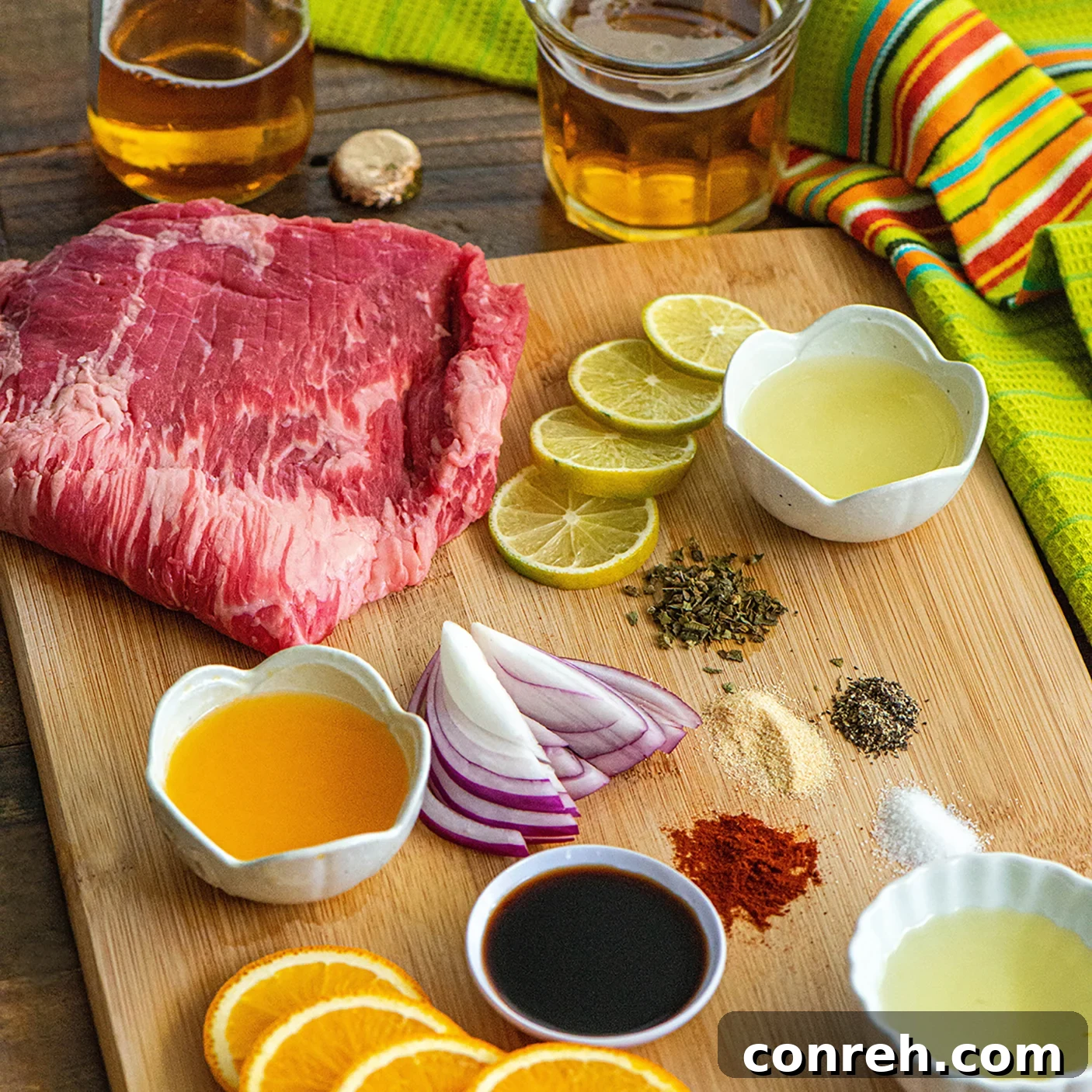
Key Ingredients for a Flavorful Marinade
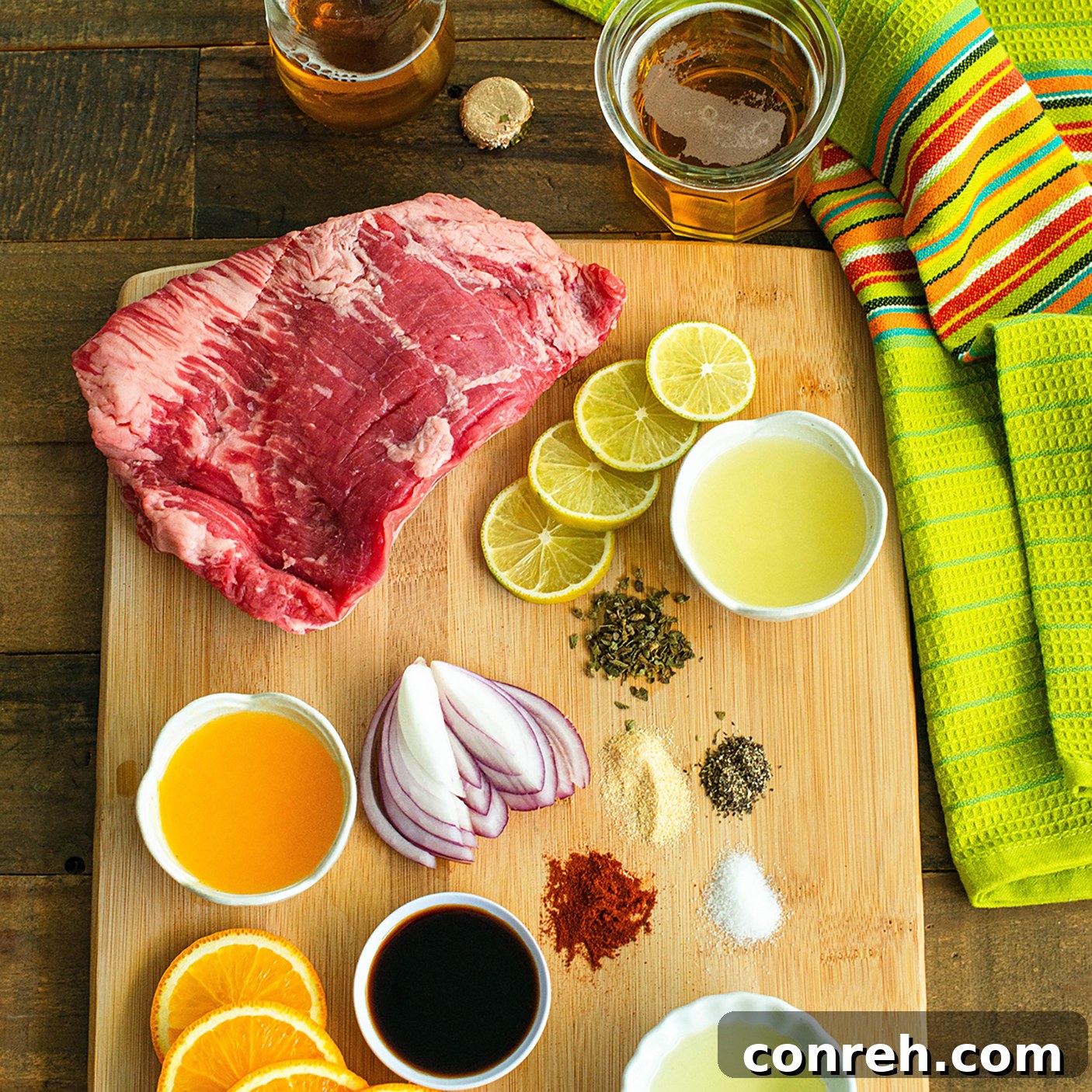
A truly memorable carne asada relies heavily on its marinade, which both tenderizes the meat and infuses it with complex flavors. My family’s recipe, a tried-and-true favorite, perfectly balances citrus, spices, soy sauce, and Mexican beer.
- Citrus Juices (Lime and Orange): Freshly squeezed lime and orange juices are indispensable. Their acidity works wonders by breaking down the meat’s connective tissues, naturally tenderizing it while imparting a bright, zesty flavor. Adding orange and lime slices to the marinade further enhances this, as the zest from their skins releases additional aromatic oils.
- Simple Spices and Herbs: A blend of common yet potent seasonings forms the flavor base. Salt, black pepper, garlic powder, paprika, and dried Mexican oregano (rubbed between your fingers to release its aromas) create a savory depth that is both robust and authentic.
- Extra-Virgin Olive Oil: Incorporating olive oil into the marinade helps keep the carne asada moist during grilling and contributes to a beautiful sear. A good quality, but not necessarily the most expensive, extra-virgin olive oil will suffice.
- Soy Sauce: For an irresistible umami boost and a gorgeous caramelized color on the grill, soy sauce is a key ingredient. If soy sauce isn’t readily available, Maggi seasoning or Worcestershire sauce make excellent substitutions, offering similar savory notes.
- Red Onion: Sliced red onion adds a pungent, slightly sweet, and aromatic element. Its sharp flavor intensifies when combined with the acidic citrus juices, permeating the meat with a savory depth.
- Mexican Beer: Light Mexican beers such as Corona, Pacifico, or Modelo Light are perfect for this marinade. The enzymes in beer aid in tenderizing the meat, while its unique flavor profile adds a subtle complexity that is quintessential to traditional carne asada marinades. Dark Mexican beer can also be used for a richer flavor.
How to Marinate Carne Asada Like a Pro
Proper marinating is paramount for achieving the best flavor and texture in your carne asada.
- Choose the Right Container: To ensure the vibrant flavors of the marinade fully penetrate the meat, use a large non-reactive bowl (such as glass or ceramic) tightly sealed with plastic wrap, a baking dish with a lid, or a gallon-size zip-top bag. Non-reactive materials prevent the acid in the marinade from reacting with the container, which could impart an off-flavor to the meat.
- Combine and Coat: In your chosen container, combine all the marinade ingredients. Cut your chosen steak into manageable pieces for grilling, typically 1 to 2 pounds per piece, ensuring even cooking. Add the steak to the marinade, then gently massage the meat with your fingers to ensure every piece is thoroughly coated. If using a zip-top bag, seal it and then shake and press to distribute the marinade evenly.
- Refrigerate for Optimal Flavor: Place the marinating meat in the refrigerator. While a minimum of 2 hours will impart good flavor, marinating for 8 to 12 hours yields the most delicious and tender carne asada. However, be mindful not to marinate for too long (e.g., beyond 24 hours), as excessive time in an acidic marinade can start to “cook” the meat, potentially making it chewy.
- Plan Ahead: The prep time for this recipe is quick, but the total time includes at least 2 hours of marinating. Planning ahead for marination means you can effortlessly pull off a fantastic carne asada feast, even for a weeknight dinner.
Grilling Carne Asada to Juicy Perfection
The final step in creating exquisite carne asada is precise grilling, which locks in flavors and achieves that irresistible char.
- Preheat Your Grill: Preheat your outdoor grill to medium-high heat, aiming for a temperature between 350°F and 450°F. If an outdoor grill isn’t available, a cast-iron skillet or a grill pan on your stovetop can achieve excellent results.
- Oil the Grates Properly: Lightly oil the cooking grates to prevent the meat from sticking. This can be done by dipping a wad of paper towels in vegetable oil and carefully rubbing it over the hot grates using tongs. Alternatively, cut an onion in half, oil its flat side, and use it to rub the grates – a common traditional method that also adds a subtle aromatic hint.
- Grill the Steak: Place the marinated steak on the preheated grill. Grill with the lid closed to maintain heat and infuse smoky flavor. Turn the meat only once using tongs. The total cooking time will vary depending on the thickness of your steak and your desired level of doneness, typically ranging from 7 to 15 minutes. For medium-rare, aim for an internal temperature of 130°F to 135°F; for medium-well, 145°F to 155°F, checked with an instant-read thermometer.
- Grill Green Onions: While the steak rests, lightly grill a bunch of trimmed green onions, turning them often, until they are lightly charred and tender, about 3-5 minutes.
- Rest and Slice: Once grilled, transfer the steak to a clean cutting board. Drape it loosely with aluminum foil and let it rest for at least 3 minutes. This crucial resting period allows the juices to redistribute throughout the meat, resulting in a more tender and flavorful bite. After resting, thinly slice the steak across the grain. Slicing against the grain shortens the muscle fibers, further enhancing tenderness.
Serving Suggestions: Completing Your Carne Asada Feast
A truly authentic carne asada experience is a symphony of flavors and textures, with the grilled steak as the undisputed star.
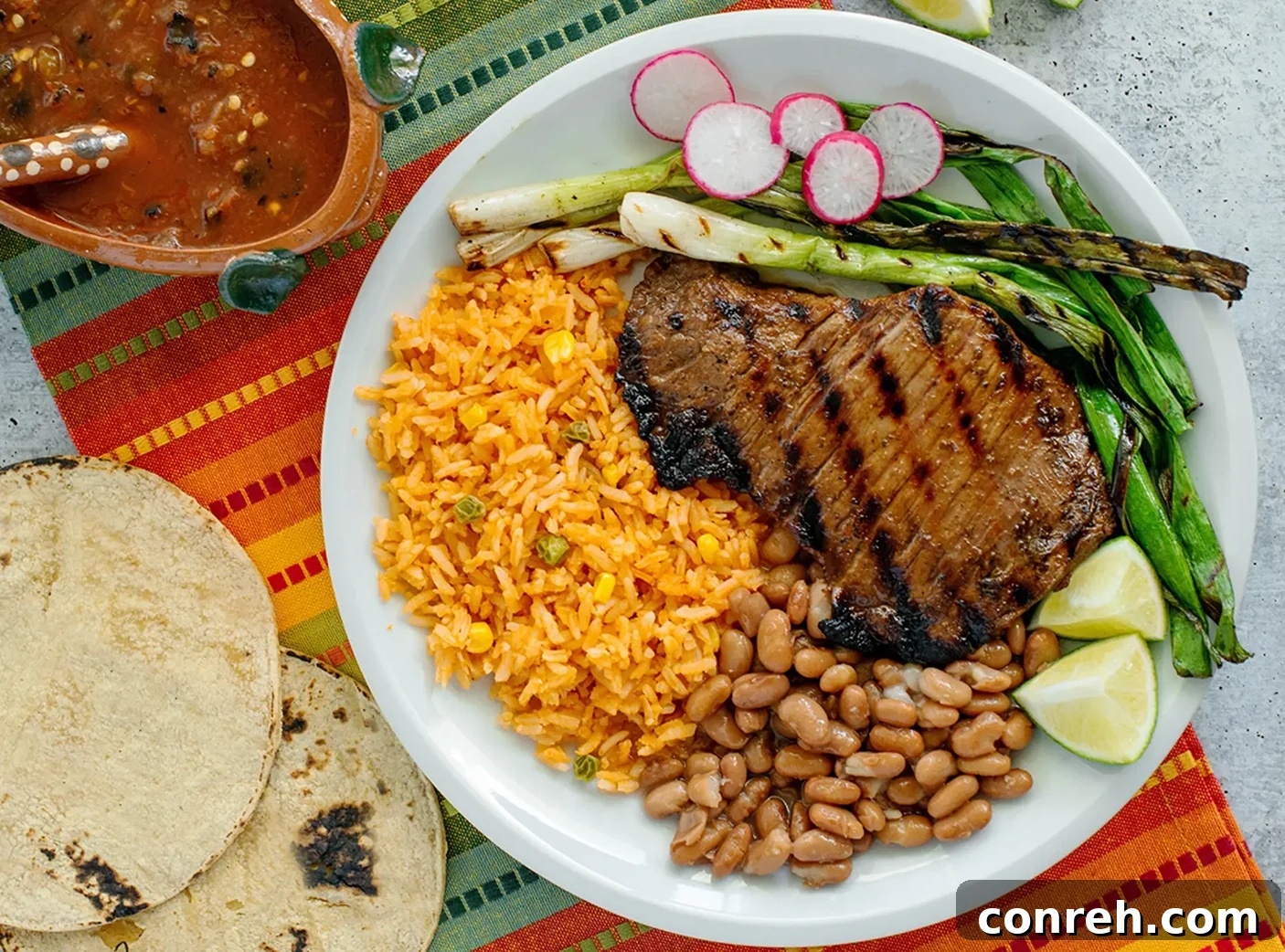
- Traditional Pairings: Serve the thinly sliced steak with the grilled green onions, warm corn or flour tortillas, and a fresh squeeze of lime juice to brighten all the flavors.
- Essential Sides: Complement your meal with classic Mexican staples like fluffy Mexican rice, savory refried beans, and creamy guacamole.
- Fresh Toppings: Offer a variety of fresh toppings such as crisp radish slices, vibrant chopped cilantro, and a selection of homemade salsas – from a mild, refreshing pico de gallo to a smoky roasted chile salsa.
- Borracho Beans: Many aficionados enjoy a bowl of borracho beans (drunken beans) alongside their carne asada. These flavorful pinto beans are simmered in a rich broth with a touch of beer, bacon, tomatoes, jalapeños, and onion, adding another layer of traditional flavor and depth.
Creative Ways to Enjoy Leftovers
Should you be fortunate enough to have leftover carne asada, the possibilities are endless for transforming it into new, exciting meals:
- Carne Asada Tacos or Nachos: Chop the meat into bite-sized pieces for quick and delicious tacos, or layer them over crispy tortilla chips for loaded steak nachos.
- Ultimate Burritos: Create robust burritos packed with the seasoned steak, beans, rice, and a dollop of sour cream or chipotle crema.
- Mexican Sandwiches (Tortas): Layer the sliced carne asada into crusty Mexican bolillo bread with avocado, cheese, and pickled jalapeños for a satisfying torta.
- Breakfast Tacos: Mix leftover carne asada with scrambled eggs for a hearty and flavorful breakfast taco.
- Mexican Steak Salad: Toss cold slices with fresh greens, avocado, corn, black beans, and a zesty lime vinaigrette for a healthy and vibrant salad.
Storage and Reheating Tips for Leftover Carne Asada
Proper storage and reheating ensure your leftover carne asada remains as delicious as the first time.
How to Store Leftover Carne Asada:
- Refrigerator: Once cooled, place sliced carne asada in an airtight container or wrap it tightly in aluminum foil. It can be safely stored in the refrigerator for up to 4 days.
- Freezer: For longer preservation, transfer the cooled meat to a freezer-safe zip-top bag or an airtight container. Label it with the date and consume within 2 months for optimal flavor and texture. For convenience, consider freezing it in smaller, individual portions for quick future meals.
How to Reheat Carne Asada:
- Skillet or Grill: For the best results, gently reheat slices in a hot skillet or on a grill for just a couple of minutes per side until warmed through. Be careful not to overcook, as this can make the meat tough.
- Microwave: Reheat in short bursts (30-60 seconds) with a splash of water or broth to help retain moisture. Loosely cover the dish with a damp paper towel to prevent drying out.
- Oven: Wrap the carne asada slices tightly in aluminum foil and reheat in a preheated oven at 300°F (150°C) for approximately 10-15 minutes, or until warmed through.
Carne Asada Recipe
Description
This carne asada recipe is packed with bold, citrusy flavor and perfect for grilling season. Whether tucked into tacos, served with rice and beans, or sliced over a salad, it’s a classic that never disappoints.
Author: Ericka Sanchez
Prep time: 15 minutes
Marinating time: 2-12 hours
Cook time: 7-15 minutes
Total time: 2 hours 22 minutes (includes minimum marinating time)
Ingredients
- 12 oz. light Mexican beer (such as Corona, Pacifico, or Modelo Light)
- 1/2 cup freshly squeezed lime juice
- 1/2 cup freshly squeezed orange juice
- 1/4 cup sliced red onion
- 2 Tbsp. soy sauce
- 2 Tbsp. extra-virgin olive oil
- 1 Tbsp. paprika
- 1 Tbsp. dried Mexican oregano (rubbed with your fingers)
- 1 tsp. salt
- 1 tsp. garlic powder
- 1 tsp. black pepper
- 4 orange slices
- 4 lime slices
- 2 lb. skirt steak (or use flap steak or flank steak)
- Vegetable oil (for oiling grill grate)
- 1 bunch green onions (ends trimmed)
- For Serving: Corn tortillas, salsa, radish slices, lime wedges, guacamole, refried beans, Mexican rice.
Instructions
- Prepare Marinade: In a large non-reactive bowl or a gallon-size zip-top bag, combine the beer, lime juice, orange juice, sliced red onion, soy sauce, olive oil, paprika, dried Mexican oregano, salt, garlic powder, black pepper, orange slices, and lime slices. Mix thoroughly.
- Marinate Steak: Cut the steak into manageable pieces for grilling. Add the steak to the marinade, ensuring it’s completely coated. Cover the bowl tightly or seal the zip-top bag and refrigerate for at least 2 hours, or ideally overnight (8-12 hours), for the best flavor. Do not marinate for more than 24 hours.
- Preheat Grill: Preheat your grill to medium-high heat (350°F to 450°F). Lightly oil the cooking grate using tongs and an oiled paper towel or a half onion.
- Grill Steak: Place the marinated steak on the hot grill. Close the lid and grill, turning the meat once, until the edges are nicely charred and the steak reaches your desired doneness (7-15 minutes total, depending on thickness). Use an instant-read thermometer: 130°F-135°F for medium-rare, 145°F-155°F for medium-well.
- Grill Green Onions: While the steak rests, grill the trimmed green onions, turning frequently, until lightly charred and tender (3-5 minutes).
- Rest and Serve: Transfer the grilled steak to a cutting board, tent with foil, and let it rest for about 3 minutes to allow juices to redistribute. Thinly slice the steak across the grain. Serve immediately with the grilled green onions, warm tortillas, salsa, radish slices, lime wedges, and any other desired accompaniments like guacamole, rice, and beans.
Frequently Asked Questions (FAQs)
What cut of meat is best for carne asada?
Skirt steak or flap steak are highly recommended due to their rich flavor and tenderness when grilled. Flank steak is also a good option if not overcooked, and always sliced against the grain.
How long should I marinate carne asada?
Marinating for 8-12 hours (overnight) yields the best flavor. Even 1-2 hours will make a noticeable difference if you’re short on time. Avoid marinating for more than 24 hours to prevent the meat from becoming mushy or tough.
Can I cook carne asada without a grill?
Yes, absolutely! A hot cast-iron skillet or a broiler can achieve a similar delicious sear and charred flavor. Ensure your pan or broiler is thoroughly preheated before adding the meat.
Why is my carne asada tough?
Toughness usually results from overcooking or incorrect slicing. Carne asada should be cooked to medium-rare or medium, and always sliced thinly against the grain to break up muscle fibers and ensure tenderness.
Can I use chicken instead of beef for this recipe?
Yes, the marinade works wonderfully with boneless, skinless chicken thighs or breasts. Just adjust the cooking time accordingly, ensuring chicken reaches an internal internal temperature of 165°F (74°C).