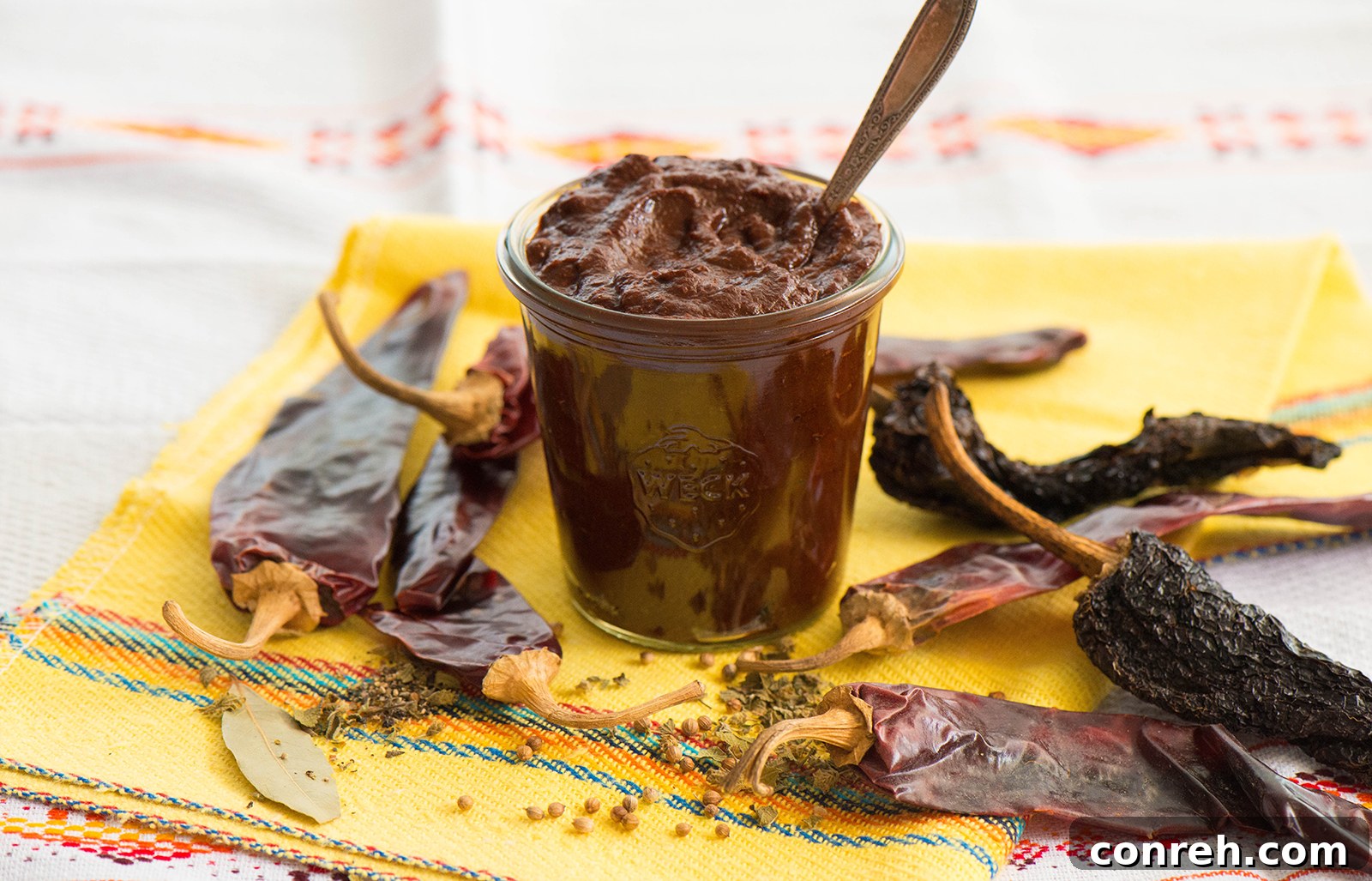
Red chile adobo is more than just a marinade; it’s a vibrant, flavorful paste deeply rooted in Latin American culinary traditions. This foundational ingredient is a testament to the region’s rich gastronomic heritage, offering a unique blend of smoky, earthy, and sometimes spicy notes that transform ordinary ingredients into extraordinary dishes. For home cooks and professional chefs alike, having a batch of homemade adobo ready in the refrigerator is an unparalleled kitchen shortcut, streamlining the creation of beloved Mexican staples such as carne adobada and pescado adobado. In essence, with red chile adobo on hand, you’ve already completed a significant portion of your meal preparation—we’re talking upwards of 75% of the flavor-building process. All that remains is to select your protein or vegetables, marinate them to perfection, and cook. It’s a game-changer for anyone seeking to infuse their meals with authentic, profound flavor without the extensive daily prep.
The beauty of red chile adobo lies in its remarkable versatility. Its robust flavor profile makes it an ideal partner for a wide array of ingredients, promising to elevate any dish it graces. Imagine succulent flank steak, tender roasted chicken, flavorful pork, delicate fish fillets, crispy potato wedges, garden-fresh zucchini, or even hearty tofu steaks, all imbued with the deep, complex flavors of this rich paste. Whether you prefer grilling, baking, or pan-frying, adobo ensures a consistently delicious outcome, making it an indispensable component in any kitchen aspiring to create bold and exciting meals.
The Culinary Magic of Adobo: More Than Just Flavor
Adobo serves a dual purpose in cooking: it’s not only a potent flavor enhancer but also an effective tenderizer. The combination of chiles, spices, and sometimes an acidic component like vinegar works harmoniously to break down tough fibers in meat, resulting in a remarkably tender and juicy end product. This transformative quality makes adobo a cornerstone in cuisines where achieving both deep flavor and a pleasing texture is paramount. Beyond its immediate culinary benefits, adobo also offers incredible convenience, significantly reducing the time and effort required for daily cooking, making it perfect for busy weeknights or elaborate weekend feasts.
Unlocking Flavor: The Essential Role of Chiles
The soul of any red chile adobo lies in its selection of dried chiles. Each variety contributes its own unique flavor and heat profile, allowing for endless customization. For a mild yet deeply flavored adobo, chiles like **guajillo** (known for its fruity, tangy, and slightly smoky notes), **pasilla** (offering a rich, earthy, and sometimes chocolatey essence), and **morita** (a smoked jalapeño with a fruity, smoky, and medium heat) are excellent choices. These chiles provide a foundation of complexity without overwhelming the palate with excessive heat.
For those who prefer a more fiery kick, incorporating spicier varieties such as **pequin** or **chile de arbol** can dramatically increase the heat level. Pequin chiles, small but mighty, deliver an intense, sharp heat, while chile de arbol offers a clean, bright heat with subtle nutty undertones. The adobo recipe shared here leans towards a mild yet smoky and profoundly flavorful experience, striking a perfect balance for a wide range of dishes. However, understanding the nuances of these chiles empowers you to tailor your adobo to your personal preference, crafting a paste that perfectly complements your culinary vision.
Preparing the chiles is a critical step in developing the adobo’s full flavor potential. This typically involves removing the stems and seeds (which can add bitterness and unnecessary heat), lightly toasting them on a dry skillet to awaken their aromatic oils, and then rehydrating them in hot water until softened. This process ensures that the chiles release their vibrant flavors and contribute to the adobo’s smooth, rich texture.
Crafting Your Own Adobo: Tools and Techniques
The process of making red chile adobo, while traditional, is surprisingly simple and accessible to any home cook. The key lies in effectively grinding the various spices and chiles into a smooth, cohesive paste. Traditionally, a molcajete—a Mexican mortar and pestle made from volcanic rock—is used. The porous surface of the molcajete is exceptional at breaking down ingredients, releasing essential oils and creating a superior texture and depth of flavor that is hard to replicate with modern tools. If a molcajete isn’t available, a standard mortar and pestle will work effectively, requiring a bit more effort to achieve the desired consistency. For a quicker, more convenient option, a handheld coffee bean and nut grinder or a high-speed blender can also be employed, though they may produce a slightly different texture.
The Symphony of Spices
Beyond the chiles, a carefully selected blend of spices contributes to the adobo’s complex flavor profile. Garlic cloves provide pungent depth, while yellow onion adds a subtle sweetness and aromatic foundation. Ground black pepper introduces a sharp, earthy warmth, and dried coriander seed offers a citrusy, slightly sweet note. Cumin, whether ground or as whole seeds, imparts its signature earthy and warm aroma, a hallmark of many Latin dishes. Dried oregano adds a Mediterranean touch with its herbaceous, slightly minty character. Finally, apple cider vinegar provides the essential acidity, balancing the richness of the chiles and spices, and aiding in the tenderization process. A touch of salt enhances all these flavors, bringing them into perfect harmony.
Storage and Longevity: Keeping Your Adobo Fresh
One of the many advantages of red chile adobo is its excellent shelf life, making it a perfect candidate for meal prepping. When stored properly in an airtight jar and refrigerated, this vibrant paste can last for approximately 4-6 weeks. This extended freshness means you can prepare a larger batch and have it readily available to enhance numerous meals throughout the month, further solidifying its status as a kitchen staple. For even longer storage, adobo can be frozen in ice cube trays or small containers, preserving its flavor and potency for several months.
Beyond the Marinade: Culinary Applications
While adobo is famously known as a marinade, its uses extend far beyond simple marinating. Its rich, concentrated flavor can be incorporated into various stages of cooking:
- **Stews and Braises:** Add a spoonful to your favorite stews or braised dishes to deepen their flavor profile. It’s fantastic in pork, beef, or even vegetarian stews.
- **Sauces:** Whisk it into sauces for tacos, enchiladas, or burritos to give them an authentic, homemade taste.
- **Dressings:** A small amount can add an exciting kick to salad dressings or vinaigrettes.
- **Condiment:** Serve it as a side condiment with grilled meats or roasted vegetables for an extra layer of flavor.
- **Vegan/Vegetarian Delights:** It’s not just for meat! Adobo is incredible for marinating plant-based proteins like tofu, tempeh, or seitan, imparting a robust, savory flavor. It also enhances roasted root vegetables or grilled portobello mushrooms.
This red chile adobo is more than just a recipe; it’s an invitation to explore the depth and vibrancy of Latin American cuisine. Its ability to transform simple ingredients into flavorful masterpieces, coupled with its convenience and versatility, makes it an essential addition to any cook’s repertoire. Stay tuned, as I’ll be sharing a variety of recipes that highlight the incredible versatility of this adobo. Lately, we’ve been incorporating it into almost all our dishes, and we simply can’t get enough of its rich, irresistible flavor.

Authentic Red Chile Adobo Paste
5 Stars 4 Stars 3 Stars 2 Stars 1 Star
No reviews
Yield: Makes 2 cups 1x
Ingredients
Scale
- 8 large garlic cloves
- ¾ cup yellow onion, coarsely sliced
- 5 dried pasilla ancho chiles, stemmed and deseeded
- 10 dried guajillo chiles, stemmed and deseeded
- 1 bay leaf
- 1 teaspoon freshly ground black pepper
- ½ teaspoon dried coriander seeds
- 1/8 teaspoon ground cumin (or whole cumin seeds)
- 1 teaspoon dried oregano
- 1/3 cup apple cider vinegar
- ½ teaspoon salt, or to taste
Instructions
- Prepare the Aromatics: Heat a dry skillet over medium-high heat. Lightly roast the garlic cloves and onion pieces until slightly softened and fragrant, about 3-5 minutes. Set them aside.
- Toast the Chiles: In the same dry skillet, lightly toast the dried chile skins for 3-5 seconds on each side. Be careful not to burn them, as this can make the adobo bitter. Set them aside immediately.
- Rehydrate the Chiles: Place the toasted chile skins in a saucepan and add enough hot water to fully cover them. Bring to a boil for 3 minutes, then remove from the stove. Leave the chiles submerged in the hot water to soak and soften for at least 15-20 minutes.
- Grind the Spices: While the chiles are soaking, place the bay leaf, black pepper, coriander, cumin, and oregano in a molcajete or mortar and pestle. Grind them into a very fine powder. This step helps release their essential oils and deepens the flavor of the adobo.
- Blend the Adobo: Drain the rehydrated chiles, reserving a small amount of the soaking liquid. Transfer the chiles to a blender container. Add the ground spices, the roasted garlic and onion, apple cider vinegar, and salt. Blend until a smooth, thick paste forms. If the paste is too thick to blend easily, add a few teaspoons of olive oil or some of the reserved chile soaking liquid, one teaspoon at a time, until the desired consistency is reached.
- Store the Adobo: Transfer the finished adobo to an airtight jar or container. Store it in the refrigerator between uses to maintain freshness.
Notes
This flavorful adobo paste can be stored in the refrigerator for up to 6 weeks in an airtight container. For longer storage, it can also be frozen for several months.