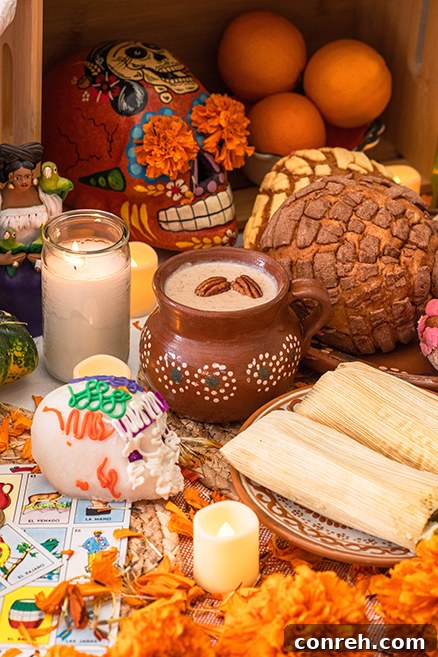
Embracing the Spirit of Día de Muertos: Building Sacred Altars & Cherishing Traditions
Día de Muertos, or the Day of the Dead, is much more than a holiday; it’s a profound and heartwarming celebration deeply woven into the fabric of Mexican culture. This ancient tradition offers a beautiful opportunity to honor, remember, and connect with loved ones who have passed away, ensuring their memories continue to thrive within our hearts and homes. At the core of this vibrant observance is the creation of an *ofrenda* or altar, a sacred space meticulously crafted to welcome the spirits of the departed back to the living world, if only for a night. This year, as families across Mexico and beyond prepare for this spiritual reunion, I’m embarking on the joyful task of building my family’s altar, infusing it with personal touches, cherished memories, and traditional elements. Join me as I share insights into constructing a meaningful altar, understanding the symbolism behind each offering, and incorporating beloved family favorites to make this year’s celebration truly special.
Related Recipe: Pumpkin Atole
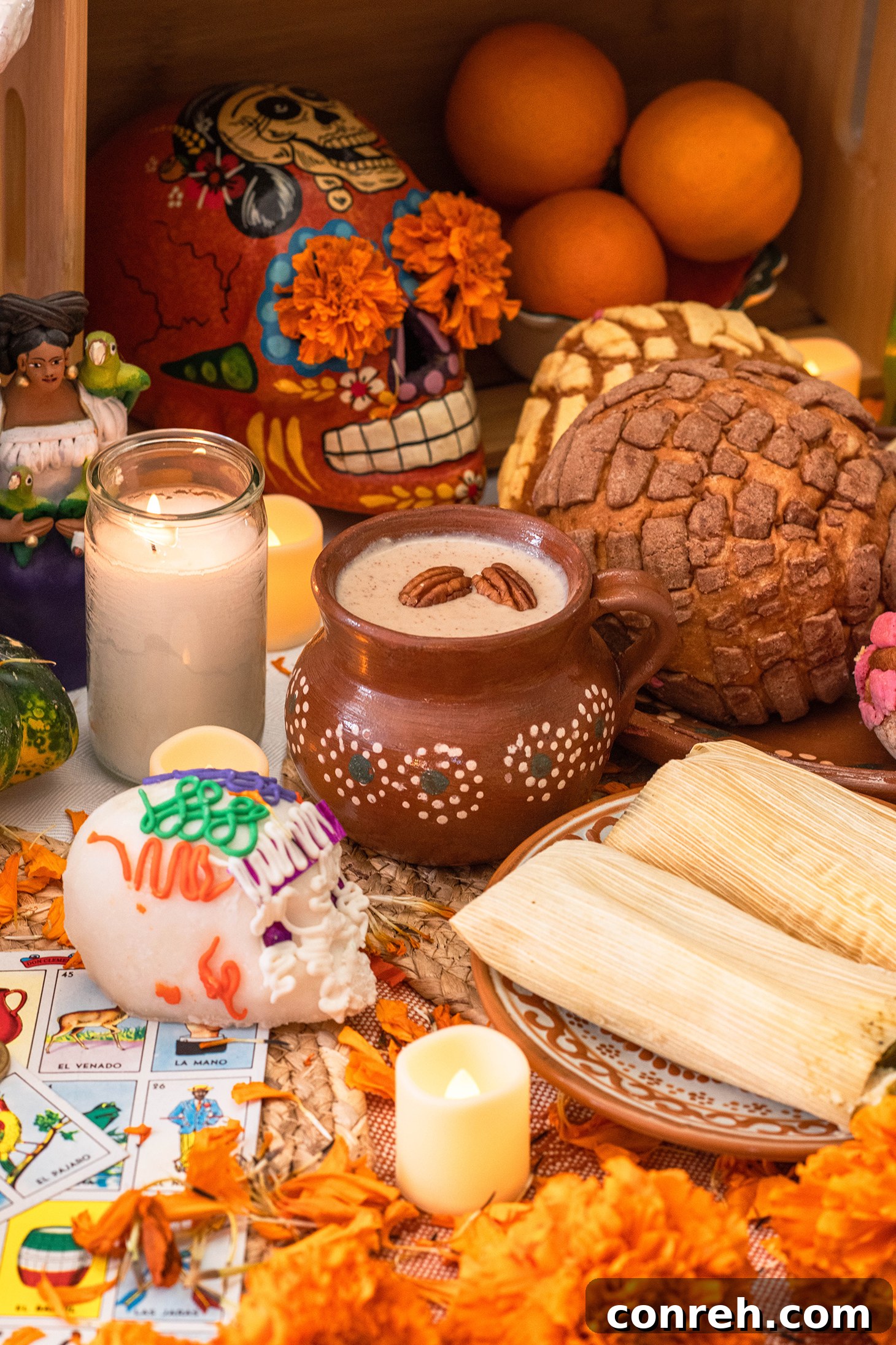
Crafting the Ofrenda: Essential Elements and Symbolic Offerings for a Spiritual Reunion
The *ofrenda* acts as a welcoming beacon, a spiritual bridge designed to guide and nourish the spirits of our ancestors during their brief return. More than just a decorative display, each item placed on the altar holds deep symbolic meaning, representing the fundamental elements of existence: earth, fire, water, and wind. These elements are not merely aesthetic choices; they are crucial components in ensuring the spirits’ safe and comfortable journey back to their earthly homes for Día de Muertos, offering them solace, refreshment, and the warmth of family remembrance.
Building an *ofrenda* is a deeply personal and often multi-generational activity, reflecting the unique heritage and memories of each family. It’s an act of love and respect, a tangible manifestation of the belief that death is not an end, but a transition, and that the bonds of family transcend time and space. The layers of the altar often represent different levels of existence or different stages of life, from the heavens to the underworld, culminating in a celebration of the present moment shared with those who came before us.
Key Items to Grace Your Day of the Dead Altar
- Vibrant Marigolds (Cempasúchil): The quintessential flower of Día de Muertos, known as the “flower of the dead,” cempasúchil with its brilliant orange and yellow hues, is believed to possess a powerful, intoxicating fragrance that guides the spirits. A path of marigold petals is often laid from the entrance of the home to the altar, creating a luminous, aromatic trail for returning souls. Their ephemeral beauty symbolizes the fleeting nature of life and the vibrant cycle of remembrance.
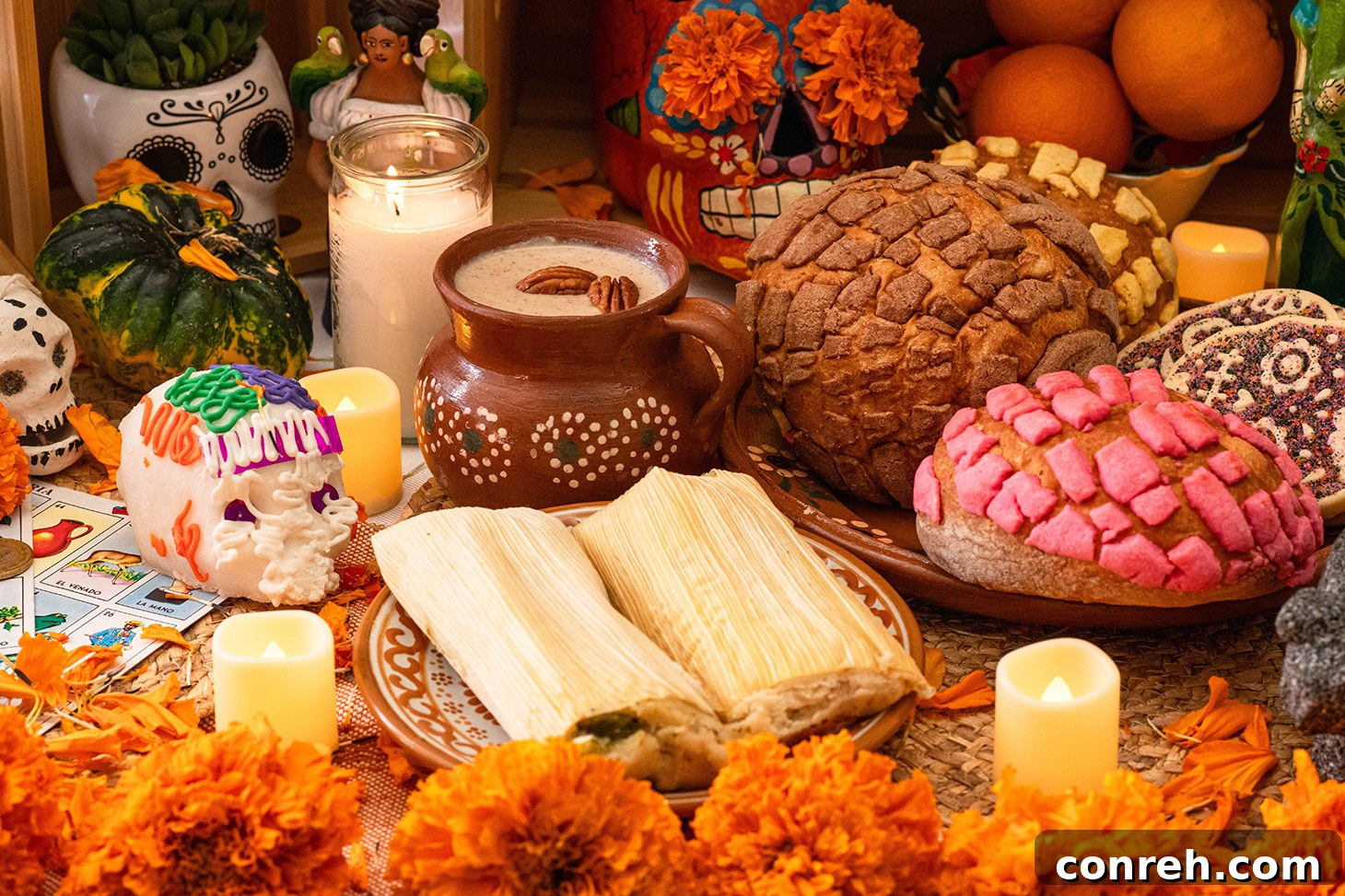
- Nourishing Food and Drink Offerings: Food is central to any celebration, and Día de Muertos is no exception. Traditional items like *pan de muerto* (bread of the dead), with its crossbones decoration, and intricately designed sugar skulls (calaveras de azúcar) are essential. *Pan de muerto* represents a fraternal offering to the souls, while sugar skulls symbolize the sweetness of life and serve as a playful reminder of death. Beyond these staples, families lovingly place favorite meals, fruits, beverages, or even tamales – anything the departed savored in life – onto the altar. These offerings not only nourish the spirits after their long journey but also symbolize the family’s continued care and love.
- Cherished Photos and Personal Mementos: To truly personalize your *ofrenda* and strengthen the connection with your loved ones, include their photographs, personal items, or small trinkets they treasured. A favorite book, a tool, a piece of jewelry, or even a specific brand of cigarette or drink can bring their essence to the altar, making the space feel uniquely theirs. These items evoke powerful memories and allow living family members to share stories and anecdotes, keeping the spirit of the departed alive through shared recollection.
- Illuminating Candles and Refreshing Water: Candles, representing the element of fire, serve as guiding lights, illuminating the path for spirits to find their way back home. Their flickering flames symbolize faith, hope, and the warmth of a loving welcome. A glass of fresh water, a simple yet profoundly meaningful offering, is placed to quench the thirst of the spirits after their long journey from the spiritual realm. Sometimes, a dash of salt is also included, symbolizing purification and the continuation of life. These elements ensure the spirits are welcomed, refreshed, and feel at peace upon their arrival.
- Incense and Copal: The aromatic smoke of copal incense, an ancient resin used by indigenous peoples of Mexico, is believed to cleanse the altar space and elevate prayers. It acts as another fragrant guide for the spirits, purifying the area and inviting their presence. Its sweet, distinctive scent is synonymous with Día de Muertos, adding another layer to the sensory experience of the *ofrenda*.
- Papel Picado: Delicately cut tissue paper banners, known as *papel picado*, are a vibrant decorative element, representing the element of wind. Their intricate designs and movement symbolize the fragility of life and the joyful, celebratory spirit of the occasion. The vibrant colors and dancing shadows add a festive touch to the sacred space.
The construction of an *ofrenda* is a holistic experience, engaging all senses and fostering a deep sense of connection to heritage and family. It’s a canvas for storytelling, a testament to enduring love, and a beautiful way to maintain a relationship with those who have transitioned to the next chapter of existence.
Atole de Nuez: A Warm, Nutty Embrace and a Tribute to Enduring Family Love
Among the myriad of traditional dishes prepared for Día de Muertos, certain recipes hold a special place, not just for their flavors but for the memories they evoke. This year, my *ofrenda* will proudly feature Atole de Nuez (pecan atole), a creamy, warm beverage that was an absolute favorite of my beloved grandmother. The aroma alone, as I prepare this rich atole, transports me back to countless cherished memories: cold evenings spent nestled with family, laughter echoing through the house, and the comforting presence of my grandmother. Atole, a thick, masa-based drink, is a staple in Mexican households, especially during the cooler months, symbolizing warmth, comfort, and nourishment. While variations abound—chocolate, vanilla, and cinnamon being popular choices—this pecan rendition offers a unique depth and richness that is profoundly comforting.
The art of making atole involves carefully thickening milk (or water) with masa harina (corn flour) or cornstarch, resulting in a smooth, velvety consistency akin to a drinkable porridge. Sweetened traditionally with *piloncillo* (unrefined cane sugar), or sometimes brown sugar, and infused with fragrant spices like cinnamon, atole is served warm, making it the quintessential comforting beverage. For Día de Muertos, offering Atole de Nuez is more than just providing a drink; it’s a heartfelt tribute, a liquid hug that carries the warmth of our love to our ancestors, inviting them to partake in a taste of home and a sip of cherished memory.
The inclusion of pecans in this atole adds a luxurious, earthy dimension, setting it apart from other versions. The nuts are typically toasted and then blended with milk, creating a rich, creamy base that is both indulgent and deeply satisfying. This specific flavor profile speaks volumes about family traditions and the unique tastes that define our shared history. It’s a reminder that even in remembrance, there is joy, flavor, and the enduring sweetness of family bonds.
Cultural Variations and Adaptable Substitutions for Your Atole
One of the beautiful aspects of traditional Mexican cuisine, and especially atole, is its inherent flexibility. Recipes are often passed down through generations, each family adding their unique twist, making it wonderfully adaptable to personal preferences and available ingredients. Don’t hesitate to make this recipe your own:
- Exploring Flavor Options: While pecans offer a distinctive richness, feel free to experiment with other nuts. Almonds (atole de almendra) provide a delicate, slightly sweet flavor, while walnuts (atole de nuez regular) can lend a bolder, more robust profile. You can also mix nuts for a complex flavor. For a more traditional route, consider chocolate (champurrado), vanilla, or fruit-based atoles like guayaba (guava) or fresa (strawberry) for a different yet equally delicious experience.
- Sweetener Substitutes: *Piloncillo*, with its caramel-like notes, is the authentic choice for atole, imparting a unique depth of flavor. However, if *piloncillo* is not readily available, brown sugar, dark agave nectar, or even honey can be used as excellent substitutes, each offering a slightly different nuance to the sweetness. Adjust the amount to your taste preference.
- Dairy-Free Options: For those with lactose intolerance or dietary restrictions, crafting a dairy-free atole is simple and doesn’t compromise on flavor. Almond milk, oat milk, or cashew milk work beautifully as alternatives to whole milk, providing a creamy texture and harmonizing well with the other ingredients. Ensure to use unsweetened versions to control the sweetness of the final product.
- Elevating Your Serving Ideas: To truly embrace the authentic experience, serve your atole in traditional clay mugs (jarritos de barro). Not only do these rustic vessels add an undeniable charm, but their natural insulating properties help keep the drink wonderfully warm for longer. Pair your pecan atole with other classic Mexican delights like savory tamales, sweet *pan dulce*, or your favorite autumnal pastries for a truly indulgent and cozy snack or breakfast that warms both the body and soul. Consider a sprinkle of cinnamon or a dollop of whipped cream for an extra touch of decadence.
The adaptability of atole makes it a perfect dish to celebrate personal heritage while honoring broader cultural traditions. It allows for creativity in the kitchen while staying true to the comforting essence of this beloved Mexican beverage.
Frequently Asked Questions About Día de Muertos & Atole
Building an *ofrenda* (altar) is a central tradition of Día de Muertos, designed to welcome and honor the spirits of deceased loved ones. It acts as a temporary portal, inviting souls back to the living world to visit their families, partake in their favorite foods, and feel remembered. Each item on the altar holds symbolic meaning, representing the elements of earth, water, fire, and wind, and guiding the spirits on their journey.
Yes, absolutely! Atole is a wonderful drink to prepare ahead of time. It can be made a day or two in advance and stored in the refrigerator. When ready to serve, gently reheat it over low heat, stirring frequently. If it becomes too thick, simply add a splash of milk or water to reach your desired consistency. This makes it perfect for Día de Muertos gatherings.
The world of atole flavors is vast and delicious! Popular options include atole de chocolate (a rich chocolate version, often called *champurrado* when made with masa harina), atole de vainilla (vanilla), and atole de canela (cinnamon). You can also find fruit-based atoles like atole de guayaba (guava), atole de fresa (strawberry), or even unique variations with spices like pumpkin atole. Each flavor offers a distinct and comforting experience.
No, while pecans bring a wonderfully unique and rich flavor to this specific recipe, you are welcome to substitute them. Almonds (atole de almendra) or walnuts (atole de nuez) are excellent choices, each providing a slightly different, yet equally delightful, flavor profile. Feel free to experiment with your favorite nuts or even a combination to find what you enjoy most.
Personalizing your altar is key to making it a truly meaningful tribute. Include anything that was significant to your loved ones: their favorite books, candies, dishes, tools, musical instruments, or small trinkets they adored. Placing their photographs prominently also creates a strong visual connection. The more personal touches you add, the more special and unique your altar will be to your family and the memory of those you are honoring.
Despite its association with death, Día de Muertos is far from a sad holiday. It is a vibrant, joyous celebration that embraces life, memory, and the enduring connection between the living and the dead. While there is a profound sense of respect and remembrance, the overall tone is celebratory, filled with music, colorful decorations, and delicious food, all to honor and welcome back the spirits of loved ones.
Día de Muertos stands as a testament to the enduring power of love and memory, a cultural treasure that allows us to bridge the veil between worlds and celebrate the lives of those we hold dear. Through the meticulous crafting of an *ofrenda*, adorned with marigolds, cherished mementos, and nourishing offerings, we create a welcoming space for our ancestors. Sharing traditional foods like the comforting Atole de Nuez isn’t merely an act of sustenance; it’s a profound ritual that brings their memory to life, rekindling stories, fostering intergenerational connections, and ensuring that our precious family traditions continue to flourish. This celebration reminds us that death is a part of life’s journey, and through remembrance, love truly never dies.
Print Recipe
Pecan Atole
No reviews
- Author: Ericka Sanchez
- Prep Time: 10 minutes
- Cook Time: 15 minutes
- Total Time: 25 minutes
- Yield: 8 servings
Description
This heartwarming Atole de Nuez recipe delivers a rich, creamy, and nutty beverage, traditionally made with pecans and sweetened with authentic *piloncillo*. It’s an ideal comforting drink for cool evenings and a perfect offering for your Día de Muertos altar.
Ingredients
- 2 cups pecan halves
- 1 (12 ounce) can evaporated milk
- 1 tablespoon vanilla extract
- 2 liters whole milk
- 2 cinnamon sticks
- 1 6-ounce piloncillo cone (or brown sugar to taste)
- 2 tablespoons corn starch
Instructions
- Begin by combining the pecan halves, evaporated milk, and vanilla extract in a blender. Blend thoroughly until the mixture is completely smooth and creamy. Set this pecan blend aside.
- In a separate small bowl, reserve ½ cup of the whole milk. In a large 5-quart pot, combine the remaining whole milk, cinnamon sticks, *piloncillo* cone, and the prepared blended pecan mixture. Place the pot over medium heat.
- Add the cornstarch to the reserved ½ cup of whole milk and stir vigorously until the cornstarch is fully dissolved and there are no lumps. Set this cornstarch slurry aside.
- Continue to heat the mixture in the 5-quart pot, stirring occasionally, until the *piloncillo* has completely dissolved and the pecan milk mixture comes to a gentle boil. Once boiling, slowly stir in the cornstarch and milk slurry. Reduce the heat to low and continue stirring constantly for several minutes until the atole thickens to your desired creamy consistency. Serve warm in traditional mugs and enjoy this comforting treat.