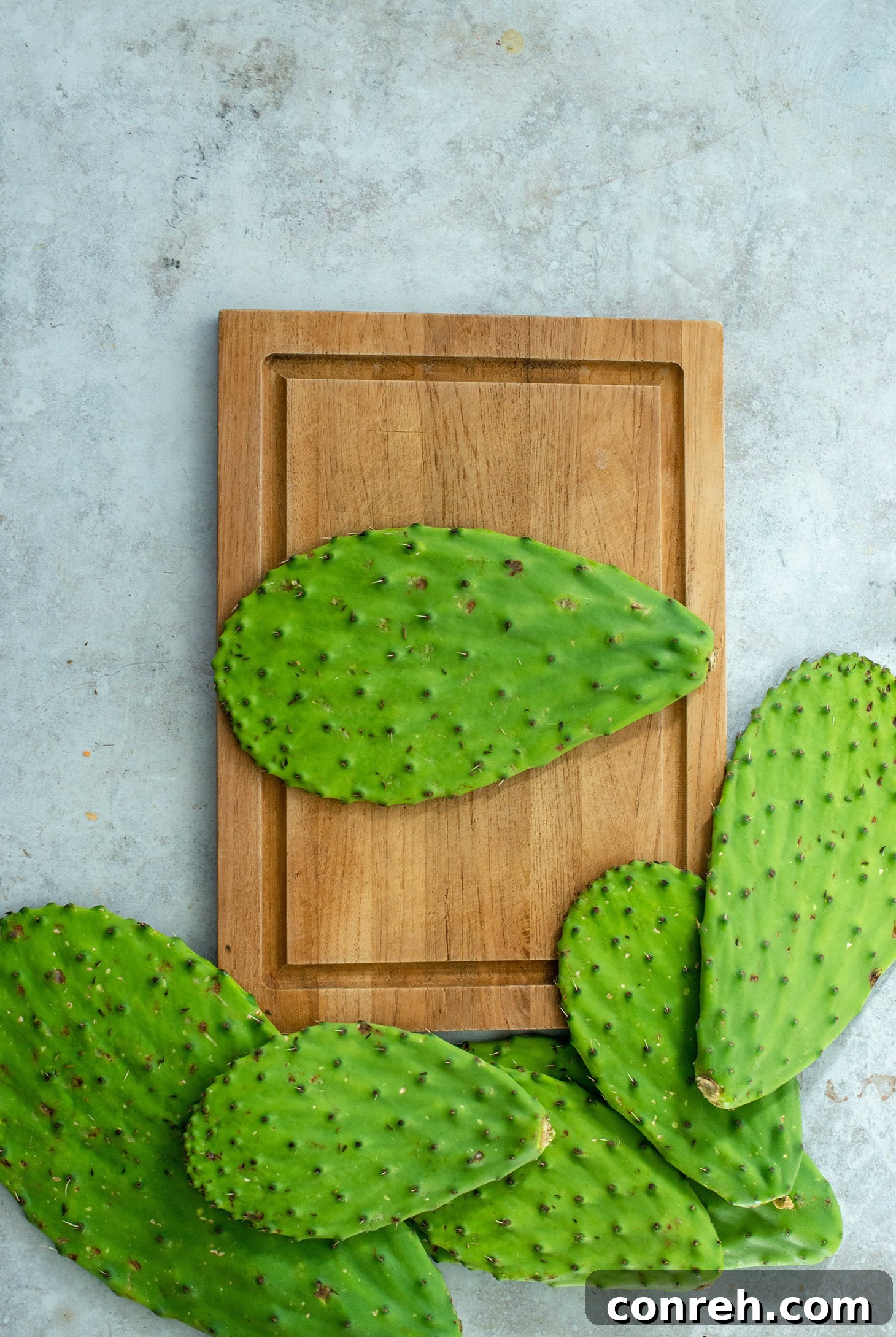
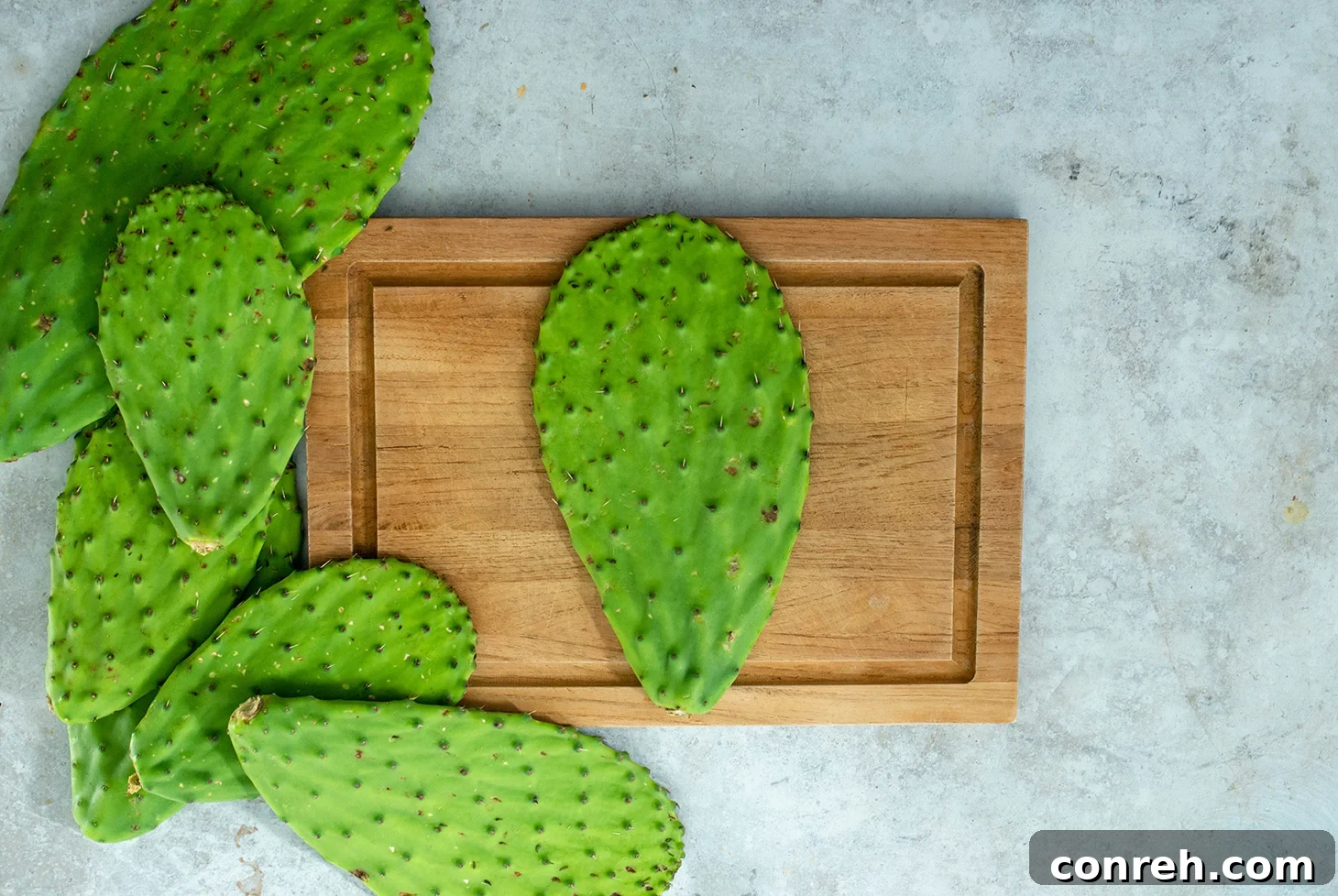
Nopales: Unlocking the Delicious Secrets of Cactus Paddles
Journey into the heart of Mexican culinary tradition with nopales, the vibrant, fresh paddles of the prickly pear cactus. Far from being just a visual icon of the desert, nopales are a culinary marvel, revered for their distinctive tangy flavor and impressive nutritional profile. Often misunderstood due to their initial prickly appearance and natural sliminess (known as ‘baba’), these versatile vegetables transform into a tender, bright, and utterly delicious ingredient when prepared correctly. They seamlessly integrate into a myriad of dishes, from the sizzling fillings of tacos and hearty stews to refreshing salads and savory scrambled eggs, offering a unique texture and zest that elevates any meal.
More than just a food, nopales represent a connection to heritage and a commitment to healthy eating. Rich in dietary fiber, powerful antioxidants, and essential vitamins, they are truly a superfood native to the Americas. This comprehensive guide will demystify the process of selecting, cleaning, and cooking nopales, empowering you to confidently bring this ancient and nutritious vegetable into your kitchen. Discover the secrets to transforming these succulent cactus paddles from their initial prickly state into a delicious and highly versatile staple.
Selecting and Storing Your Nopales: Freshness Matters
The quality of your nopales begins at the market. You’ll typically encounter two main forms: whole pads with their spines intact, or pre-cleaned and chopped nopales in plastic bags. Each option comes with its own advantages and considerations, especially regarding freshness and convenience.
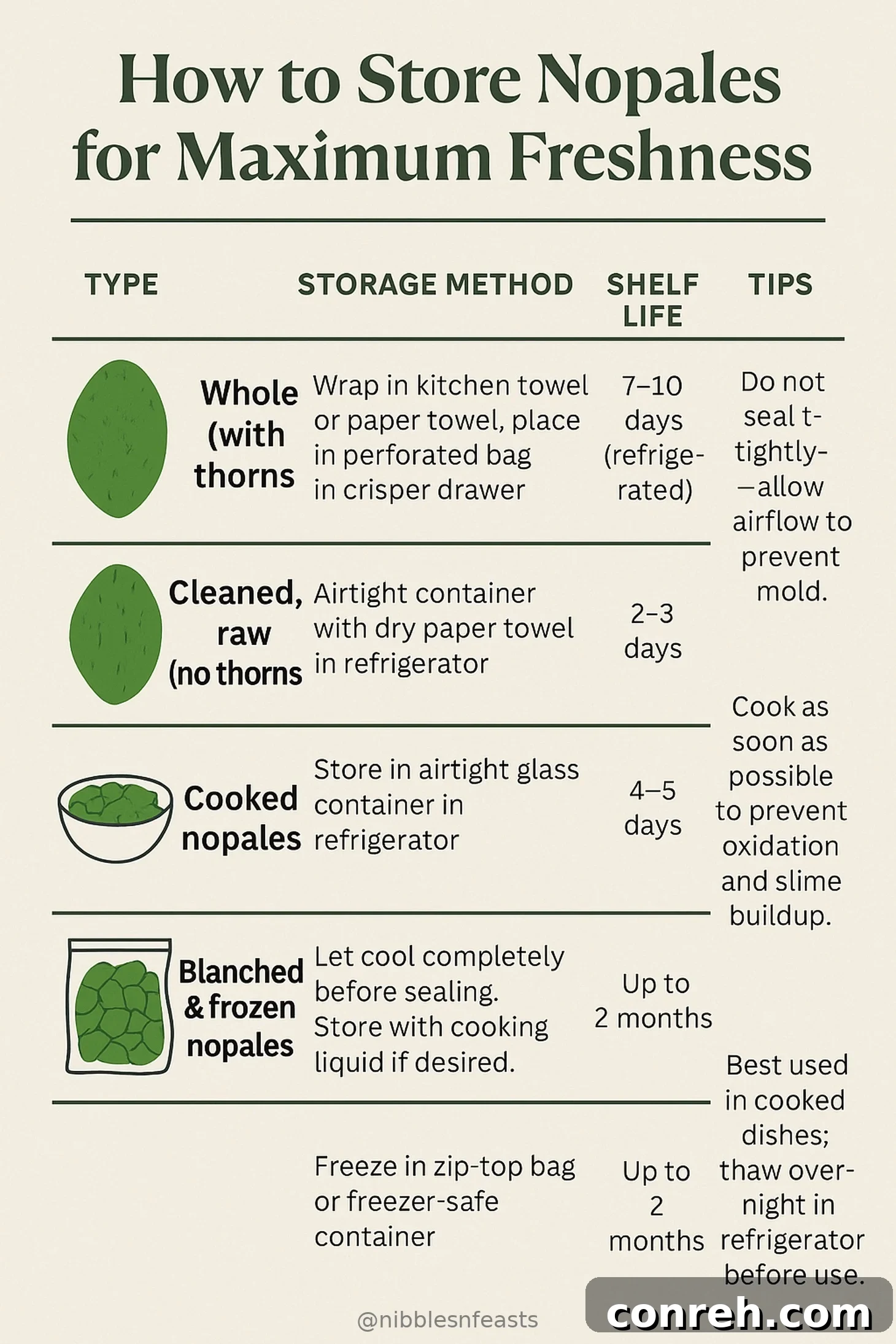
Opting for Whole Nopales: If you’re not planning to cook them immediately or prefer the freshest possible product, whole nopales with intact spines are your best bet. Look for pads that are firm, vibrant green, and plump, showing no signs of wilting, shriveling, or excessive bruising. Avoid any pads that appear yellowish, overly soft, or have large dark spots, as these are indicators of age or poor handling. When stored properly in the refrigerator, wrapped loosely in a paper towel and placed in a plastic bag, whole nopales can remain fresh for up to a week, sometimes even longer.
Choosing Pre-Cleaned Nopales: For those with limited time or who are new to preparing nopales, pre-cut varieties offer immense convenience. These are typically found in the refrigerated produce section of Latin markets. While they save you the cleaning step, it’s crucial to use them within a day or two of purchase. Once exposed to air, much like avocados or apples, pre-cut nopales begin to oxidize rapidly, losing their bright green color and turning a dull, dark brown or black. This oxidation doesn’t necessarily mean they’ve spoiled, but it does affect their visual appeal and can slightly alter their fresh flavor. Always check the packaging for a “best by” date and choose bags where the nopales still look bright green and moist.
Regardless of your choice, ensuring your nopales are fresh is the first step to a truly delicious dish. Their natural sliminess (baba) is more pronounced in older or improperly stored pads, so starting with fresh ingredients will make the cooking process smoother and the results more satisfying.
Related Recipe: Cactus and Chorizo Salad – A delicious way to enjoy cooked nopales!
Mastering the Art of Cleaning Nopales
Don’t let the spines intimidate you! Cleaning nopales is a straightforward process that becomes almost meditative with practice. Safety and thoroughness are key to enjoying these delicious cactus paddles. Here’s what you’ll need to get started:
- A sharp paring knife (a vegetable peeler can also be used by some for scraping)
- A sturdy cutting board
- A thick kitchen towel or several layers of paper towels (essential for safe handling)
- Cold running water
- Optional: Kitchen gloves for extra protection against tiny, invisible spines.
Once you have your tools ready, follow these steps to prepare your nopales for cooking:
Step-by-Step Instructions: Cleaning Fresh Nopales
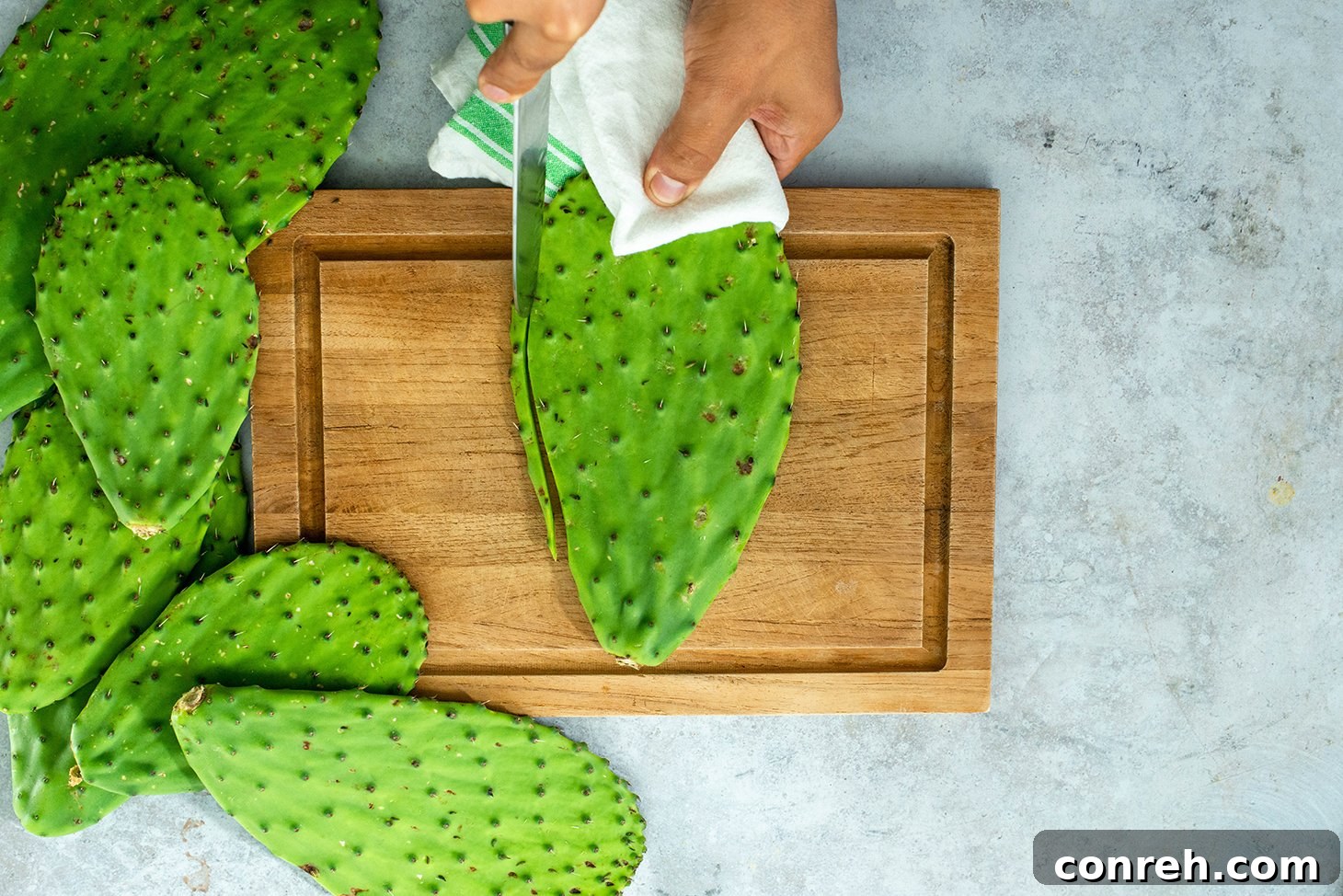
1. Secure the Paddle Safely
Lay a single cactus pad flat on your cutting board. This stable surface is crucial for preventing slips. Now, carefully grip the pad firmly with a thickly folded kitchen towel or several layers of paper towels, holding it by its thickest base. This provides a secure, non-slip hold and protects your hands from any stray spines. Ensure your grip is firm enough that the paddle won’t shift while you work.
2. Trim the Outer Edges
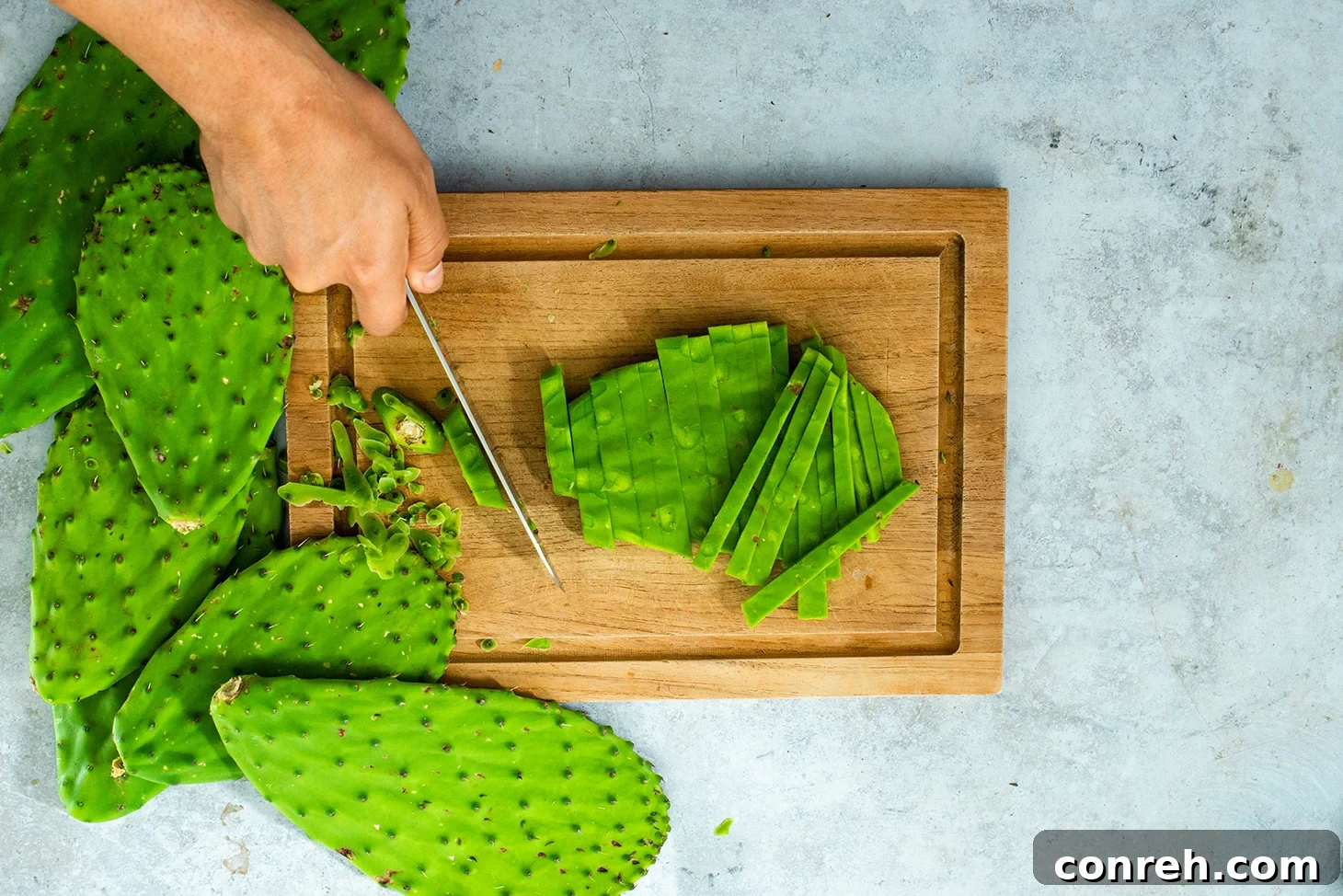
Using your sharp paring knife, meticulously slice off the entire outer rim of the cactus pad. These edges are often tough and contain a higher concentration of spines, including the tiny, hair-like glochids that can be particularly irritating. Aim for a thin cut, just enough to remove the spiny perimeter, preserving as much of the edible green flesh as possible.
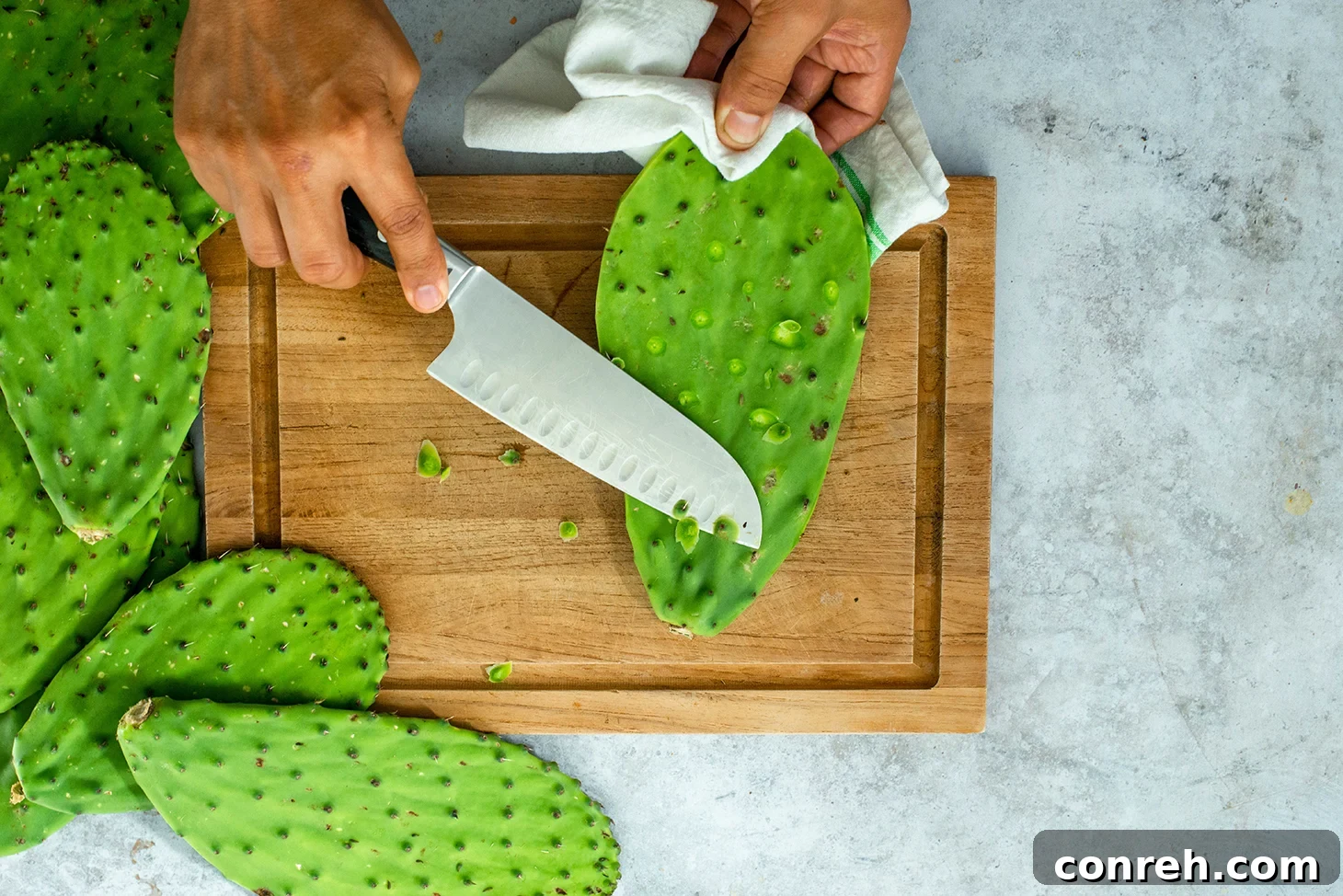
3. Systematically Remove All Thorns
With the paddle still securely held, begin scraping the surface of the pad with your knife, working carefully against the natural direction of the spines. Use a shallow angle, much like peeling a vegetable, to lift and remove the thorns and their bases. Always scrape away from your body to prevent accidental cuts or pokes. Once one side is clear, flip the paddle and repeat the process on the other side. Pay close attention, as some spines can be very tiny and difficult to spot, especially the glochids. A thorough job here is essential for a pleasant eating experience.
4. Remove the Base and Any Blemishes
Once all spines are removed, address the base of the paddle – the part where it was cut from the plant. This section is typically tough and fibrous, so trim off about ½ inch (1-2 cm) to ensure a tender final product. Additionally, carefully inspect the entire pad for any dark spots, bruised areas, or other imperfections. Use your knife to trim away these blemishes, leaving only the pristine green flesh.
5. Rinse Thoroughly and Dry
After all the cleaning and trimming, give the cactus pad a brisk rinse under cold running water. This helps wash away any lingering tiny spines, sap, or debris. Once rinsed, pat the nopales thoroughly dry with a clean kitchen towel. They are now impeccably clean, spineless, and ready for your chosen method of preparation – whether you plan to slice, dice, julienne, or cook them whole. This careful cleaning process ensures a safe and enjoyable culinary experience.
Why Embrace Nopales? A Powerhouse of Health Benefits
Nopales are far more than just a culinary curiosity; they are a revered superfood with a rich history of medicinal use in Mexico. Incorporating these humble cactus paddles into your diet offers a delicious way to boost your overall health and well-being. Here’s a deeper look into their impressive nutritional advantages:
- Exceptional Source of Dietary Fiber: Nopales are packed with both soluble and insoluble fiber. Soluble fiber helps regulate blood sugar and cholesterol levels, while insoluble fiber promotes healthy digestion, prevents constipation, and adds bulk to your diet, contributing to a feeling of fullness. This makes nopales an excellent choice for digestive health and weight management.
- Naturally Low in Calories: For those mindful of their caloric intake, nopales are a fantastic option. They offer significant nutritional value without adding many calories, allowing you to enjoy flavorful and satisfying meals without guilt. This low-calorie density makes them a smart addition to any diet plan.
- Abundant in Antioxidants: These cactus paddles are a treasure trove of antioxidants, including essential vitamins A, C, and E. Antioxidants are vital for combating oxidative stress in the body, which can damage cells and contribute to chronic diseases. By neutralizing free radicals, nopales help reduce inflammation, support a robust immune system, and promote healthy, radiant skin.
- Rich in Plant-Based Calcium and Magnesium: Nopales provide a substantial amount of plant-derived calcium and magnesium, two minerals crucial for bone health, nerve function, and muscle contraction. For individuals seeking non-dairy sources of calcium or aiming to increase their magnesium intake, nopales offer a delicious and natural solution.
- Supports Blood Sugar Regulation: Scientific studies have indicated that nopales may play a significant role in managing blood sugar levels. Their unique fiber content is thought to slow down the absorption of carbohydrates, thereby reducing post-meal glucose spikes. This makes them a particularly beneficial food for individuals with diabetes or those looking to maintain stable blood sugar.
- Remarkably Hydrating: With their high water content, nopales contribute to your daily hydration needs. This is especially valuable in warmer climates or during periods of increased physical activity, helping to keep your body refreshed and functioning optimally.
- Anti-Inflammatory Properties: Beyond their antioxidant content, nopales contain compounds that exhibit natural anti-inflammatory effects. Regular consumption may help reduce chronic inflammation in the body, which is linked to various health conditions.
Whether you’re grilling them until smoky, simmering them in a savory stew, or tossing them into a fresh, crisp salad, nopales provide a wonderfully flavorful and traditionally-rooted way to significantly enhance the nutritional value of your meals, continuing a legacy of health enjoyed for generations.
A Taste of Tradition: The Cultural Significance of Nopales
In Mexican culture, nopales are more than just a vegetable; they are a deeply embedded symbol of national identity, resilience, and culinary heritage. The image of the nopal cactus is famously featured on the Mexican flag, representing the mythical founding of Tenochtitlan by the Aztecs. This powerful symbolism extends into everyday life and the kitchen.
For many Mexican households, the process of cleaning nopales is an age-old tradition, often considered a rite of passage. It’s one of those essential life skills, like making tortillas from scratch, passed down through generations from abuela (grandmother) to mother to child. Learning to deftly handle the prickly pads without getting pricked is a testament to patience and respect for traditional foods. There’s a quiet pride in mastering this task, a connection to ancestral knowledge that goes beyond mere cooking. Some people even affectionately joke that if you can clean nopales proficiently, you’re officially ready for marriage – a humorous nod to the practical skills and dedication required for a thriving household.
Beyond the kitchen, the cactus itself is a potent metaphor for resilience. It thrives in harsh, arid environments, enduring drought and challenging conditions, yet consistently offers sustenance and beauty. This mirrors the enduring spirit of the Mexican people, who have historically overcome adversity with strength and resourcefulness. Each time nopales are prepared and served, it’s a quiet celebration of this resilience and a continuation of a culinary legacy that nourishes both body and soul. Engaging with nopales means participating in a living history, savoring flavors that have sustained communities for centuries, and embracing a tradition that binds families together.
How to Cut and Cook Nopales (Cactus Pads)
No reviews
- Author: Ericka Sanchez
- Prep Time: 5 minutes
- Cook Time: 30 minutes
- Total Time: 35 minutes
- Yield: Makes 4 cups
Description
This is my tried-and-true method for cooking nopales to perfection. It effectively reduces the natural sliminess, known as ‘baba,’ leaving them wonderfully tender and full of bright flavor. This preparation is ideal for use in various recipes, whether from this site or your own culinary creations, ensuring a delightful texture and taste every time.
Ingredients
- 3 pounds cleaned and chopped nopales (refer to cleaning instructions above)
- 1 cup fresh cilantro sprigs, gently bruised to release aroma
- 2 whole garlic cloves, peeled
- ¼ white onion, roughly chopped
- 1 teaspoon salt, or to taste
Instructions
- In a large, heavy-bottomed pot, combine the thoroughly cleaned and chopped nopales with the fresh cilantro sprigs, peeled garlic cloves, roughly chopped white onion, and salt. Ensure all ingredients are nestled together at the bottom of the pot.
- Cover the pot tightly with a lid. Cook over medium-low heat for approximately 30 minutes. During this period, the nopales will naturally release a significant amount of their own liquid, creating a steamy environment that helps them cook down. Stir occasionally to ensure even cooking and prevent sticking.
- After 30 minutes, remove the lid. Continue to cook for another 10 minutes, allowing the liquid to simmer rapidly and begin to evaporate. This crucial step helps to further cook off the ‘baba’ (sliminess) and concentrate the flavors of the nopales.
- Once cooked and most of the liquid has evaporated, immediately drain the nopales in a colander. Rinse them thoroughly under cold running water. This quick rinse helps to stop the cooking process and significantly reduce any remaining sliminess, ensuring a clean and pleasant texture.
- Allow the nopales to cool completely in the colander or spread out on a tray. Once fully cooled, transfer them to a glass container with a lid. They are now perfectly cooked and ready to be incorporated into your favorite dishes or stored for later use.
Notes
Cooked nopales are wonderfully versatile and can be stored in an airtight container in the refrigerator for about 5 days. Add them to your morning huevos rancheros or scrambled eggs for a hearty breakfast, toss them into lunchtime tacos for a refreshing crunch, or serve them chilled with diced tomatoes, onions, and crumbled queso fresco for a quick and vibrant ensalada de nopales. Their slightly tart and earthy flavor is a delightful addition to many meals.
Frequently Asked Questions About Nopales
When selecting nopales, look for pads that are firm to the touch, vibrant green in color, and show minimal blemishes, dark spots, or yellowing. They should feel hydrated and smooth, not dry, shriveled, or excessively soft. A fresh pad will have a slightly glossy appearance. Avoid any that look limp or have a strong, unpleasant odor, as these indicate they are past their prime.
Yes, nopales can absolutely be eaten raw! They are often enjoyed in fresh salads. However, raw nopales must be meticulously cleaned to remove all spines, and then thinly sliced or diced. Be aware that raw nopales have a more pronounced sliminess (baba) and a distinctly tart, almost lemony flavor compared to their cooked counterparts. Some people love the crisp texture and tangy kick of raw nopales, while others prefer the milder flavor and tender, less slimy texture achieved through cooking.
Reducing the ‘baba’ is a common goal when cooking nopales. Several techniques work effectively: Boiling and Rinsing: As demonstrated in our recipe, cooking nopales with aromatic ingredients like garlic, onion, and cilantro, then thoroughly draining and rinsing them under cold water after boiling, is highly effective. The rinsing removes much of the mucilaginous liquid. Grilling or Sautéing: Dry cooking methods like grilling, roasting, or sautéing nopales directly in a hot pan (without added water) naturally cooks off the slimy texture, resulting in a drier, firmer consistency. Adding Acid: Some cooks add a splash of vinegar or a squeeze of lime juice to the cooking water, which can also help break down the mucilage.
Yes, cooked nopales freeze quite well! After boiling and rinsing, allow them to cool completely. Then, transfer them into airtight freezer bags or containers, removing as much air as possible to prevent freezer burn. Cooked nopales can be stored in the freezer for up to 2 months. When thawed, their texture might be slightly softer than freshly cooked nopales, making them ideal for dishes where their texture is less critical, such as stews, soups, or scrambled eggs, rather than crisp salads.
Cooked nopales are incredibly versatile and can enhance a wide array of Mexican and fusion dishes. Some popular uses include: adding them to breakfast scrambled eggs (huevos con nopales); incorporating them into savory tacos, enchiladas, or quesadillas; stirring them into hearty soups like caldo de res or vegetable stews; or creating a refreshing ensalada de nopales by tossing them with diced tomatoes, onions, cilantro, and crumbled queso fresco. They also make a fantastic side dish for grilled meats or fish.
Indeed, there are specific parts of the nopales pad that should be avoided. The most important is the thick, tough base where the pad was cut from the main plant; this part is typically very fibrous and unpalatable. Always trim off about a half-inch from the base during the cleaning process. Additionally, ensure all spines, glochids (tiny hair-like thorns), and any visibly damaged, bruised, or heavily oxidized dark areas are thoroughly removed before cooking or consuming. Only the tender, vibrant green flesh should be used.
Embrace the Delight of Nopales in Your Kitchen
Embarking on the journey of cooking with nopales might seem a little daunting at first, given their unique appearance and the initial task of cleaning. However, as you gain experience, you’ll discover that the process is not only straightforward but can become a surprisingly meditative and deeply satisfying culinary ritual. The act of preparing these ancient cactus paddles connects you to a rich cultural heritage and rewards you with an incredibly versatile and nutritious ingredient.
Once you’ve mastered the art of cleaning and cooking nopales, you’ll find yourself with a vibrant, tangy, and tender vegetable that is ready to star in countless meals. From quick weeknight dinners to festive gatherings, nopales offer a fresh perspective on healthy eating, infusing your dishes with authentic Mexican flavors and a wealth of health benefits. So, shed any intimidation, embrace the adventure, and allow the humble yet extraordinary nopal to become a cherished and frequently used ingredient in your culinary repertoire. Your taste buds, and your body, will thank you.