Savoring Tradition: The Enduring Charm of Mexican Hot Chocolate and Abuelita
In a rapidly changing world, certain flavors possess an extraordinary power: they transport us back in time, grounding us in cherished memories and cultural heritage. We all have that one special product, a culinary touchstone that resonates deeply within our hearts. Perhaps it’s the comforting crunch of a specific breakfast cereal, the refreshing zest of a fruit juice, or the savory embrace of a canned soup. Whatever it may be, there exists a unique item that unfailingly evokes the innocence and joy of childhood.
These aren’t just mere consumables; they are edible legacies, steeped in nostalgia and personal history. They are the tastes that accompanied us on cold winter nights, brightened Saturday mornings while watching cartoons, or became our anticipated after-school comfort. These sensory anchors connect us to our past, providing a sense of warmth, security, and belonging that few other experiences can replicate. For many, the simple act of tasting these foods is akin to unlocking a treasure chest of fond recollections.
Nestle Chocolate Abuelita: A Symbol of Home and Heritage
For me, that irreplaceable product, brimming with a lifetime of affectionate recollections, is Nestle Chocolate Abuelita. It’s far more than just hot chocolate; it’s a potent symbol of family, comfort, and a vibrant cultural heritage lovingly passed down through generations. The very name, “Abuelita,” meaning “little grandmother” in Spanish, immediately evokes images of warmth, wisdom, and the unconditional love associated with grandmothers and traditional home cooking.
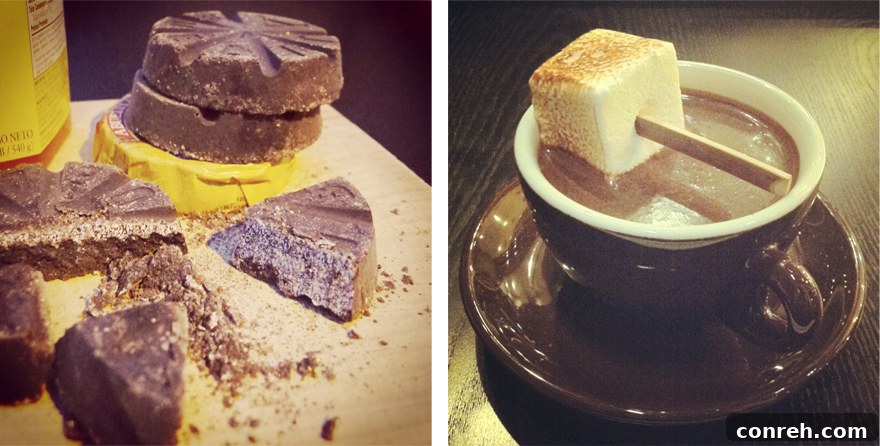
This iconic Mexican chocolate brand, instantly recognizable by its distinctive hexagonal tablets and unique blend of rich cacao with cinnamon (and often a subtle hint of chili), has been a staple in Mexican and Mexican-American households for decades. It has become synonymous with celebratory moments, quiet family gatherings, and everyday indulgences. The familiar red and yellow packaging holds the promise of a truly authentic and heartwarming experience, an essential component of many cultural festivities and daily rituals.
My mind frequently drifts back to the kitchen of my childhood, a space perpetually infused with the enchanting aroma of my mother preparing Chocolate Abuelita. It wasn’t merely a simple act of mixing; it was a ritual, a performance steeped in meticulous dedication and boundless love. Standing purposefully over the stove, her posture a testament to years of practiced tradition, she would rhythmically whisk the wooden molinillo – a beautifully crafted “little mill” – between the palms of her hands. This seemingly simple action was a graceful dance of tradition, transforming humble ingredients into a frothy, rich elixir that promised comfort and happiness.
The Molinillo: An Ancient Tool, A Timeless Tradition
The molinillo itself is a fascinating and elegant tool, a true piece of culinary history. Typically crafted from wood, and often intricately carved with rings and grooves, it is specifically designed to create the signature foam that is utterly essential to authentic Mexican hot chocolate. Its unique structure isn’t just decorative; it’s engineered to aerate the chocolate as it’s rotated between the hands, transforming a liquid into a velvety, frothy masterpiece. The rhythmic, almost meditative motion required to use it is a tactile connection to generations past, allowing the maker to feel the chocolate’s transformation.
This ancient implement does more than just stir; it infuses the drink with air, creating a luxurious texture that elevates the entire experience from a mere beverage to a comforting, almost ceremonial, delight. Tracing its roots back to pre-Hispanic times when cacao was first revered by Mesoamerican civilizations, the molinillo serves as a tangible bridge, connecting modern kitchens to the rich and enduring culinary traditions of Mexico. Its presence in a kitchen signifies a commitment to authenticity and a respect for the time-honored methods of chocolate preparation.
The Chocolate Molinillo Song: A Childhood Symphony
As the rich chocolate swirled and frothed under my mother’s expert hands, my siblings and I would often burst into song, our childish voices harmonizing with the rhythmic clatter of the molinillo. We’d playfully sing “The Chocolate Molinillo” song, its lively verses echoing through the living room, a joyous soundtrack to our eager anticipation. This wasn’t merely a tune; it was an integral part of the hot chocolate experience, a delightful way to pass the time and build excitement until our steaming mugs of Mexican hot chocolate were finally cool enough to drink without burning our eager tongues.
The song itself is a charming piece of Mexican folk tradition, often sung by children during the preparation of hot chocolate, reinforcing the communal and joyful aspects of this cherished drink. It’s a call-and-response, a playful rhyme that captures the innocence and simple pleasures of childhood, forever linking the sound of the molinillo to moments of family togetherness and sweet expectation.
The lyrics, playful and endearing, capture a slice of childhood innocence and cultural whimsy:
Chocolate, molinillo, estirar, estirar
Que el demonio va a pasar.
Dicen que soy, que soy una cojita
Y si lo soy, lo soy de a mentiritas
Desde chiquitita me quedé, me quedé
Cojita, cojita, cojita de un pie
Me gusta la leche, me gusta el café
Pero más me gustan los ojos de usted.*
For those curious about its charming message and playful nuances, here’s a heartfelt translation:
*Chocolate, stirrer, stretch, stretch,
For the devil’s going to pass by.
They say that I’m, that I’m lame,
And if I am, I am not for real.
Since I was little I’ve been, I’ve been
Lame, lame, lame on one foot.
I like milk, I like coffee,
But I like your eyes better.
Recalling the unadulterated happiness we felt, running circles around the living room as we sang, still brings an involuntary smile to my face. It’s a powerful reminder of how simple pleasures, deeply rooted in family traditions, can forge some of the most enduring and beautiful memories of our lives, shaping our understanding of comfort, community, and home.
The Rich Tapestry of Mexican Hot Chocolate
Mexican hot chocolate stands distinctly apart from its European or American counterparts. It is characteristically made with dark chocolate or ground cacao beans, robust cinnamon, and often a hint of other warm spices like vanilla, nutmeg, or even a delicate touch of chili powder. This subtle addition of chili doesn’t make the drink spicy but rather adds a unique warmth and profound depth, enhancing the overall complexity of the flavor profile. The texture is usually thicker and richer, thanks to the way the chocolate is processed into tablets and the crucial frothing action achieved by the molinillo.
This isn’t merely a drink; it’s a cultural experience, a cornerstone of Mexican culinary identity, especially prevalent during colder months, special occasions, and significant holidays like Day of the Dead (Dia de Muertos), Las Posadas, and Christmas. Its warmth and richness embody the spirit of these celebrations, bringing people together around a shared cup.
The history of this traditional beverage is as rich and layered as its flavor, dating back thousands of years to ancient Mesoamerican civilizations. For the Aztecs and Mayans, cacao was revered as a sacred gift from the gods, consumed in various forms, often bitter and spiced, and integral to religious ceremonies, rituals, and as a potent source of energy. Over centuries, as cacao traveled across continents and adapted to new palates, it evolved into the sweet, comforting drink we know today, yet it has never lost its deep cultural and spiritual significance in Mexico.
Beyond the widespread appeal of Nestle Abuelita, countless regional variations and artisanal preparations of Mexican hot chocolate exist throughout Mexico. One particularly popular variation is Champurrado, a thick, masa-based chocolate beverage often served alongside churros or tamales. Champurrado utilizes corn masa dough (the same corn flour used for making tortillas) as a natural thickener, imparting a unique, almost porridge-like consistency that is incredibly satisfying and filling. This rich, earthy drink is especially cherished during Dia de Muertos and Las Posadas, offering both warmth and sustenance during festive gatherings. The common thread among all these diverse variations is the unwavering emphasis on robust flavor, a creamy, comforting texture, and the communal joy of sharing a warm cup with loved ones.
Creating New Memories with Timeless Traditions
The profound beauty of such culinary traditions lies not only in their ability to preserve the past but also in their boundless capacity to create new, indelible memories. Just as my mother taught me the art of wielding the molinillo and instilled in me the sheer joy of a shared cup of hot chocolate, I earnestly hope to pass these cherished traditions on to future generations. Sharing a mug of warm, frothy Mexican hot chocolate is more than just a gesture; it’s an open invitation to connect, to reminisce about days gone by, and to build new stories and experiences together.
It’s about taking a deliberate moment to slow down from the hustle and bustle of modern life, to savor the simple pleasures that truly nourish the soul, and to appreciate the invisible yet powerful links that bind us to our heritage, our ancestors, and to each other. These traditions are living legacies, constantly evolving yet retaining their core essence, ensuring that the heartwarming taste of Mexican hot chocolate continues to bring joy and connection for many years to come.
A few years ago, as part of a wonderful collaboration with El Mejor Nido (meaning “The Best Nest,” a platform often dedicated to celebrating family and home life), I had the delightful opportunity to share this profound passion with my readers. Through a special giveaway, we offered one lucky individual four packs of Chocolate Abuelita along with a beautiful Dean & Deluca molinillo – the perfect tools to recreate that authentic, frothy hot chocolate experience, whether using Abuelita or preparing a traditional Champurrado. This initiative was a testament to how brands and communities can effectively come together to celebrate, promote, and keep alive cherished cultural practices and traditions.
Please note: The giveaway mentioned below concluded on November 27, 2011, and is no longer active. The original content regarding entry methods has been preserved here to reflect the historical context of the past post.
The past giveaway encouraged engagement and shared experiences:
Giveaway is now CLOSED
One entry: Participants were asked to leave a comment below sharing their favorite way to enjoy their hot Mexican chocolate. (For notification purposes, participants needed to ensure an email address was provided, e.g., patty at nibblesnfeasts dot com).
One entry: Liking Nibbles & Feasts on Facebook
One entry: Liking El Mejor Nido on Facebook
One entry: Tweeting: Win a #Chocolate Abuelita and Dean and Deluca Molinillo via @NibblesNFeasts : http://su.pr/9IJFYw
Participants could accumulate up to 4 total entries, with the clear requirement to comment back confirming which actions they took for proper tracking. The contest was open exclusively to U.S. Residents aged 18 or older, with no PO Boxes permitted for prize delivery. The contest officially concluded on November 27, 2011, at 11:59 PM, PST, and one (1) winner was randomly chosen from all valid entries through the use of random.org.
It’s important to note that no direct compensation was received for the original promotional aspect of this particular blog post. It was published as part of a sponsored campaign facilitated through Construye El Mejor Nido, and all opinions expressed within the post were, and remain, entirely my own and reflect genuine experiences.
Congratulations to the past winner, Daysi Morales!