Migas: A Beloved Mexican Comfort Dish with Rich History
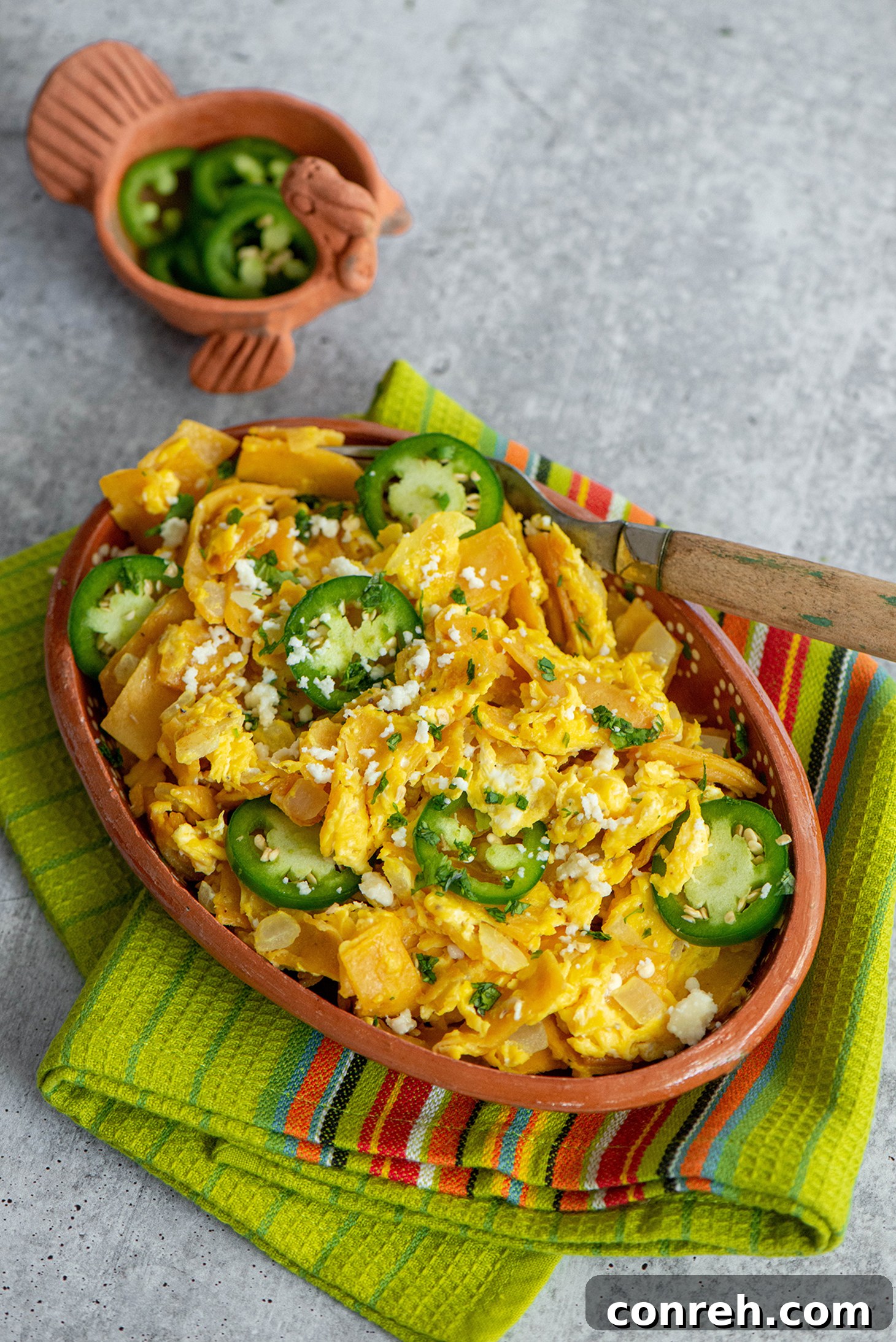
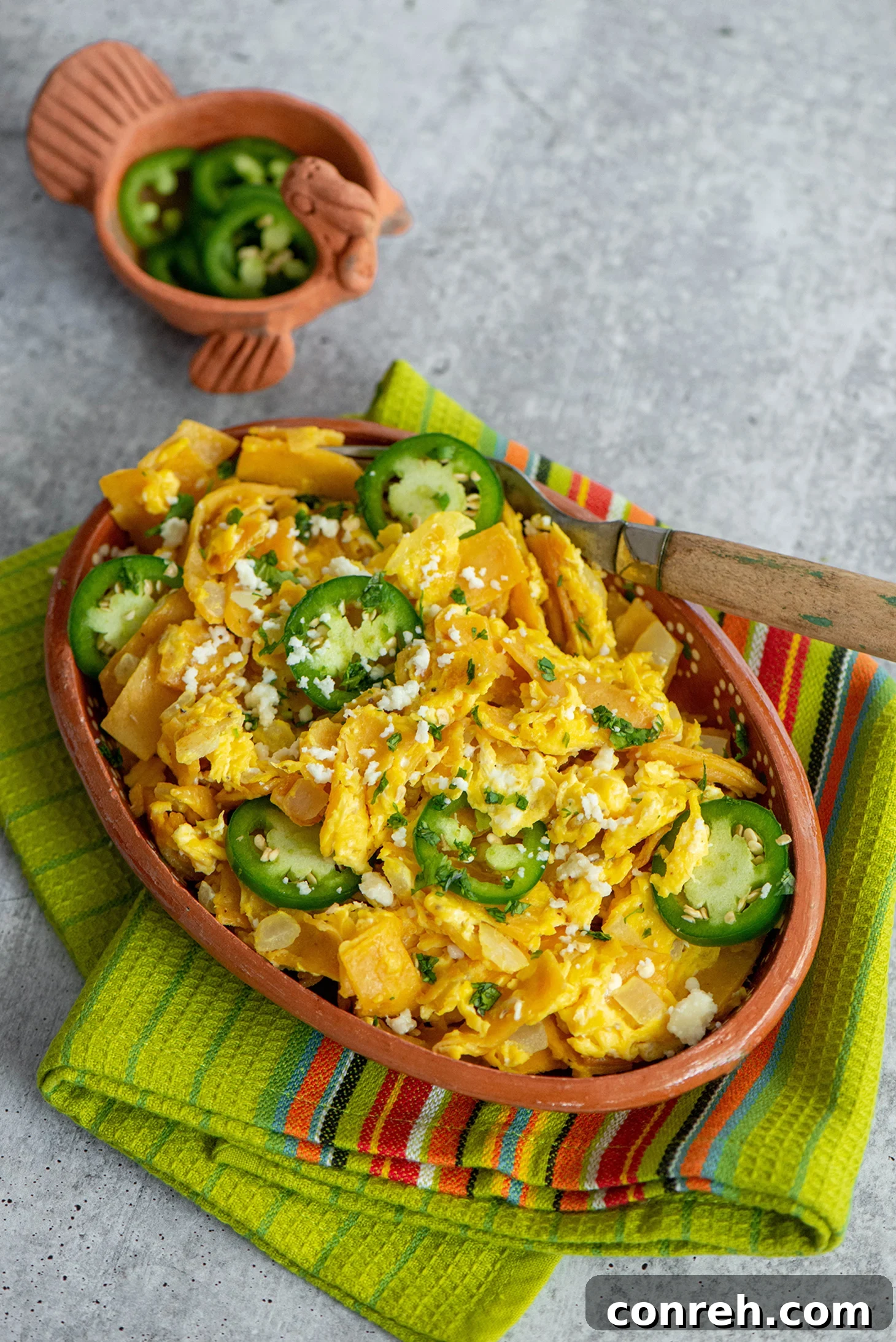
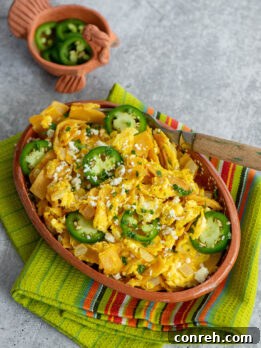
Migas, meaning “crumbs” in Spanish, is much more than just a simple breakfast. It’s a cherished Mexican comfort dish that evokes images of bustling family kitchens and the aroma of sizzling tortillas. At its core, this humble yet incredibly satisfying meal combines fried tortilla pieces with scrambled eggs, onions, and an array of vibrant toppings. Yet, beyond its straightforward ingredients, Migas carries generations of tradition, embodying the resourceful spirit of Mexican cooking.
While variations of Migas exist across different regions of Mexico and even in Spain, the Mexican-style version, particularly with corn tortillas, is a staple that many families grow up enjoying. Often served as a hearty breakfast or a leisurely brunch, its true beauty lies in its ingenuity. Day-old corn tortillas, which might otherwise go to waste, are given new life, transformed into golden, crispy bites that perfectly absorb the rich flavors of fluffy scrambled eggs. It’s a meal that feels both rustic and nourishing, ideal for kickstarting the day, feeding a family on a budget, or even as a comforting late-night snack.
The dish’s adaptability and deliciousness have cemented its place in Mexican culinary heritage, making it a favorite for its simplicity, flavor, and heartwarming appeal. Each bite offers a delightful contrast of textures—crispy tortillas against soft eggs—complemented by the fresh bite of onion and the customizable zest of various toppings.
Related Recipe: Cactus and Egg Burrito
The Rich Tapestry of Migas: Cultural Significance and Regional Delights
- A Dish of the People: Migas has always been regarded as a “people’s dish,” born from a deep-rooted need to prevent food waste and ingeniously stretch basic pantry staples into something hearty and fulfilling. This philosophy of resourcefulness is a hallmark of traditional Mexican cuisine, where every ingredient is valued and transformed with creativity. In Mexico, Migas is predominantly enjoyed as a breakfast meal, particularly on weekends when families gather, fostering a sense of community and shared culinary joy around the table.
- Mexican Migas vs. Spanish Migas: A Culinary Divergence: While both Mexico and Spain lay claim to a dish called Migas, their primary difference lies in the star carbohydrate. The Spanish cousin, also named Migas, typically uses stale bread as its base, often fried with garlic, chorizo, and grapes. This divergence beautifully illustrates how both versions evolved from the same frugal cooking philosophy: maximizing flavor and sustenance from what’s available, ensuring nothing goes to waste. The Mexican version, with its distinctive corn tortilla base, stands as a unique culinary expression.
- Regional Adaptations Across Mexico and Beyond: The versatility of Migas truly shines in its regional variations. In central and northern Mexico, for instance, cooks often incorporate savory additions like diced chorizo, which lends a rich, spicy depth, or nopales (tender cactus paddles), providing a unique earthy flavor and slightly chewy texture. These ingredients not only enhance the dish’s taste but also reflect the local produce and culinary preferences of each area. When Migas crossed the border into Tex-Mex cuisine, it embraced American influences, often featuring generous amounts of melted cheese and a vibrant, chunky salsa, transforming it into an even heartier, zestier meal. Regardless of the specific variation, the fundamental spirit of Migas remains constant: it is a comforting, highly adaptable plate that celebrates the ingenuity and culinary heritage of home cooks, making it a beloved dish across diverse palates.
Crafting the Perfect Migas: Essential Ingredients and Flavor Customization
Although the basic Migas recipe calls for just a few humble ingredients, its true charm lies in its incredible flexibility. This allows you to easily adapt it to your personal taste preferences and what you have readily available in your pantry. Here are some detailed ingredient suggestions and ways to customize your Migas for an unforgettable experience:
- Tortillas: The foundation of authentic Migas. Traditional recipes wisely call for day-old corn tortillas. These older tortillas contain less moisture, allowing them to fry up significantly crispier and develop a more robust texture compared to fresh ones, which can sometimes become soggy. Any good-quality corn tortilla will work beautifully, but embracing the slightly stale ones truly elevates the dish. Cut them into strips or small triangles for optimal crispiness.
- Oil: The choice of cooking oil plays a subtle yet important role in the overall flavor profile. While neutral vegetable oil or canola oil are perfectly suitable for achieving that desirable crispness, some cooks prefer to use lard for a deeper, more traditional Mexican flavor. Alternatively, a good-quality olive oil can impart a rich, Mediterranean nuance, offering a different but equally delicious outcome.
- Onion: Finely chopped white onion provides a sharp, pungent kick that balances the richness of the eggs and tortillas. However, feel free to experiment with other varieties. Yellow onion, when sautéed, offers a milder sweetness, adding a different layer of flavor. Red onion, with its slightly sharper but sweeter profile, can also be a delightful alternative, especially if you enjoy a touch of vibrant color and a fresher bite.
- Eggs: The fresher the eggs, the fluffier and more luxurious your Migas will be. Opt for large, good-quality eggs if possible. You can also adjust the egg-to-tortilla ratio to your liking; adding more eggs will result in a softer, more egg-forward Migas, whereas fewer eggs will allow the crispy tortillas to take center stage.
- Chiles: For those who love a bit of heat and brightness, thin slices of fresh jalapeño are a fantastic addition, stirring them in with the onions. If you prefer a more intense spice, serrano peppers can be used. For a quick and easy kick, a spoonful of your favorite salsa, stirred in or served on the side, can also provide that desirable extra warmth.
- Cheese: Crumbled queso fresco is the classic choice, offering a salty, tangy, and crumbly finish that beautifully complements the other ingredients. However, don’t shy away from exploring other Mexican cheeses. Cotija cheese, with its salty and firm texture, or shredded Oaxaca cheese, known for its mild flavor and excellent melting properties, can be delicious alternatives that add their own unique character to the dish.
- Optional Add-ins: This is where the true creativity of Migas shines. Many families enjoy stirring in various additions to stretch the dish further or enhance its flavor complexity. Diced tomatoes add freshness and a touch of acidity, while savory chorizo brings a spicy, meaty richness. Leftover beans, especially refried beans, can be incorporated for a heartier, more substantial meal. Other popular additions include bell peppers, spinach, or even shredded cooked chicken for a complete meal.
Serving Your Migas: From Traditional Breakfast to Dynamic Brunch Spread
Migas is a dish that truly shines when served hot and fresh, straight from the skillet. Its adaptable nature means you can dress it up or down, making it suitable for any occasion, from a quick weekday meal to a lavish weekend brunch. Here are some serving suggestions to inspire your culinary creativity:
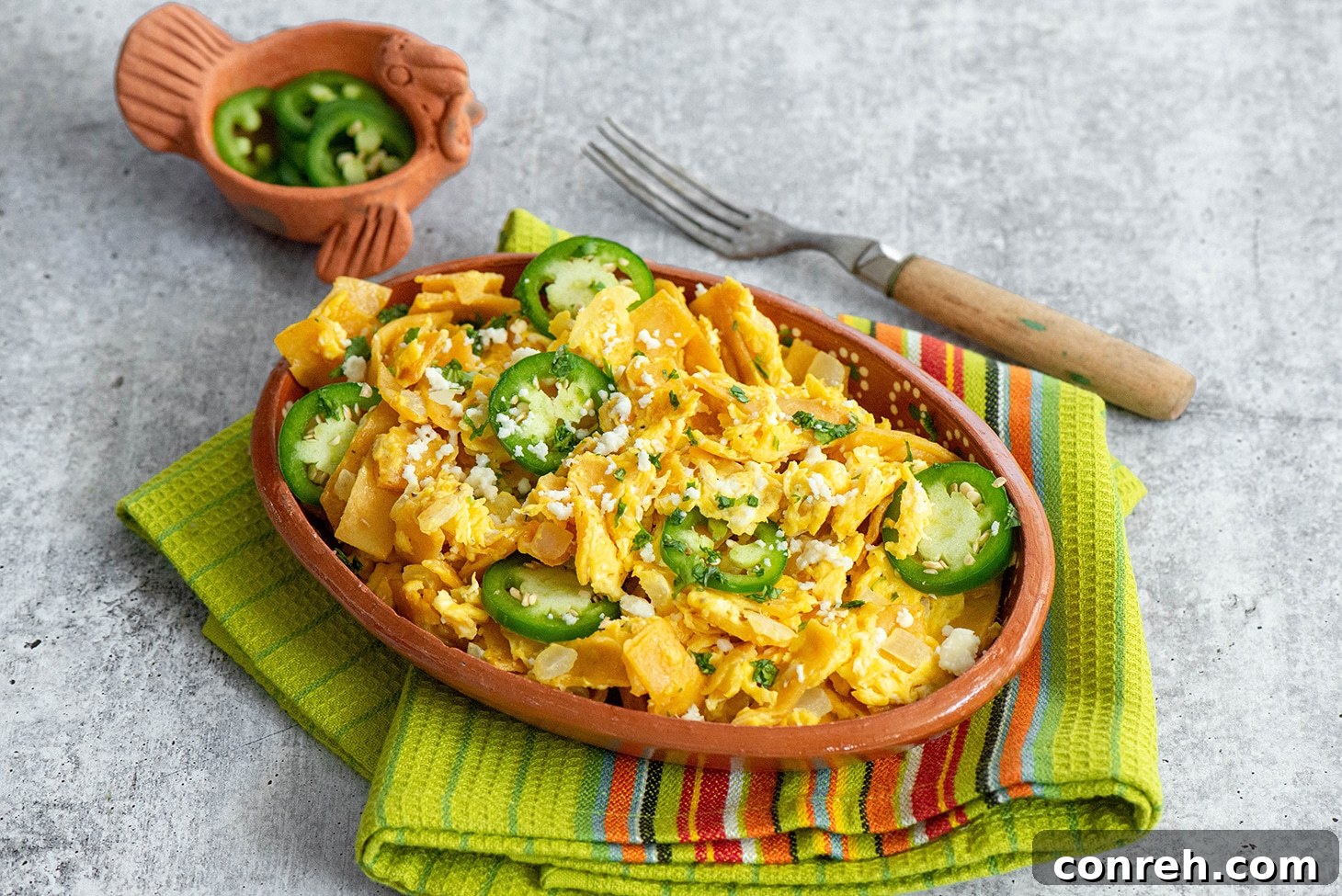
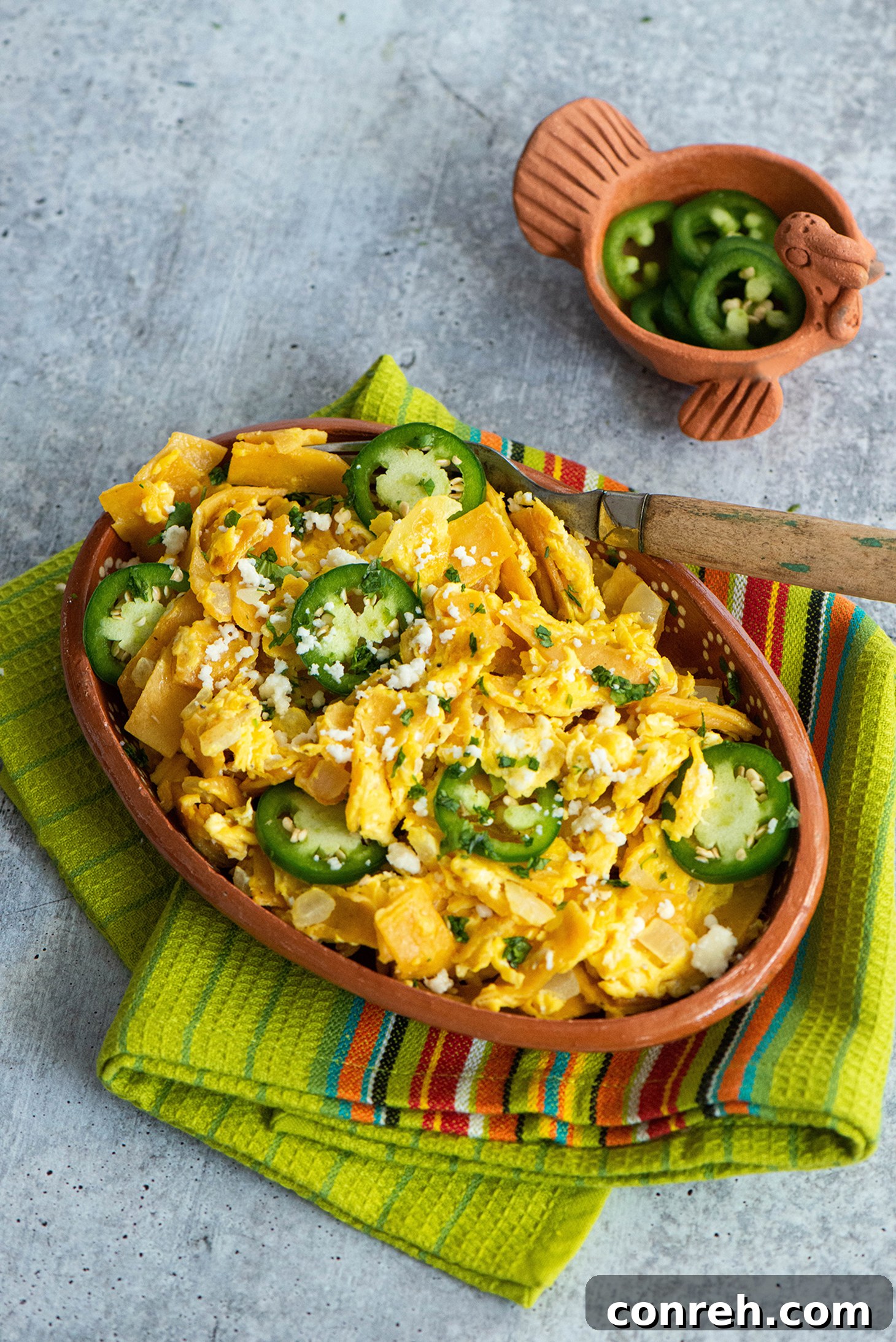
- Traditional Mexican Style: For an authentic experience, garnish your Migas generously with crumbled queso fresco, a sprinkle of fresh cilantro, and a few extra slices of jalapeño for a pop of color and heat. Serve it alongside warm, fluffy refried beans and extra corn tortillas (or even flour tortillas) for scooping up every delicious bite. A dollop of your favorite red or green salsa is also a must.
- Brunch-Ready Elegance: Elevate your Migas for a special brunch by pairing it with creamy avocado slices or a vibrant guacamole. A light drizzle of your favorite homemade or store-bought salsa, whether smoky chipotle or fresh pico de gallo, adds a burst of flavor. Complement the meal with a refreshing tall glass of traditional Mexican agua fresca (like horchata or jamaica) or a rich, aromatic café de olla.
- Hearty Tex-Mex Style: If you’re leaning towards a more robust Tex-Mex flavor profile, load up your Migas with extra toppings. Add a generous spoonful of fresh pico de gallo, a dollop of cool sour cream or Mexican crema, and a sprinkle of shredded Monterey Jack or cheddar cheese—or a blend of both—to melt into gooey perfection. This version is particularly satisfying and can be a meal in itself.
- Family-Style Feast: Migas is a communal dish by nature. For a relaxed family meal, simply bring the hot skillet directly to the table and let everyone scoop out their own portion. Arrange a variety of toppings in small bowls—from chopped cilantro and onions to different salsas, sour cream, and hot sauce—allowing each person to customize their plate according to their preference. This interactive approach makes mealtime fun and engaging.
- Breakfast Burrito or Taco Filler: Migas also makes an excellent filling for breakfast burritos or soft tacos. Simply spoon the mixture into warm flour tortillas, add your favorite toppings like cheese, salsa, and avocado, and roll them up for a portable and delicious meal.
Storage and Reheating Tips for Migas
While Migas is undeniably best enjoyed fresh off the skillet for optimal texture, you can certainly store leftovers if needed. Here are some practical tips to keep your Migas delicious:
- Refrigeration: Allow any leftover Migas to cool completely before transferring it to an airtight container. This will help prevent moisture buildup. Once cooled, refrigerate for up to 2 days. Beyond that, the tortilla pieces may lose too much of their desirable crispiness.
- Reheating: The key to successful reheating is to revive the crispness of the tortillas. The best method is to warm the Migas in a skillet over medium heat, stirring occasionally. This allows the tortilla pieces to regain some of their original texture. Avoid using a microwave, as it tends to steam the dish, often resulting in soggy tortillas and a less appealing texture.
- Freezing: Unfortunately, Migas does not freeze well. The fried tortilla pieces undergo an undesirable change in texture when thawed, becoming overly soft and mushy. It’s always best to prepare only the amount you anticipate eating to ensure the best possible experience.
Frequently Asked Questions (FAQs) About Migas
Migas is truly at its best when prepared and served immediately. The crispy texture of the tortillas, which is a hallmark of the dish, diminishes as it sits. However, you can certainly do some prep work in advance to make cooking quicker. Chop your onions, slice your tortillas, and prepare any desired toppings ahead of time. This will significantly reduce your cooking time when you’re ready to make the dish.
Both Migas and Chilaquiles are iconic Mexican dishes that feature fried corn tortillas as a base, but their preparation and final texture are quite distinct. The main difference lies in how the tortillas are treated: Chilaquiles involve simmering the fried tortilla pieces (totopos) directly in a flavorful salsa, which softens them significantly and allows them to absorb the sauce. Migas, on the other hand, keeps the tortilla pieces crisp as they are gently folded into scrambled eggs, maintaining a delightful textural contrast.
There are several ways to kick up the heat in your Migas! You can add finely diced serrano peppers to the skillet along with the onions for a sharp, intense spice. Stirring in a splash of your favorite hot sauce or a spoonful of chile oil during cooking also works wonders. For a deeper, smoky flavor profile, consider incorporating a chipotle salsa or a pinch of smoked paprika.
Absolutely not! While Migas is traditionally enjoyed as a breakfast or brunch meal in Mexico, its hearty and satisfying nature makes it suitable for any time of the day. It’s an excellent option for a quick and flavorful lunch, a comforting dinner, or even a late-night snack when you’re craving something warm and delicious.
Migas pairs wonderfully with a variety of side dishes. Classic choices include creamy refried beans, crispy roasted potatoes or home fries, and a light, fresh green salad to balance the richness. For beverages, consider a traditional Mexican café con leche, a rich Mexican hot chocolate, or a refreshing glass of agua de jamaica (hibiscus tea).
While traditional Mexican Migas almost exclusively uses corn tortillas for their characteristic flavor and crisp texture, you can certainly experiment with flour tortillas if that’s what you prefer or have on hand. However, note that flour tortillas tend to yield a softer, chewier result rather than the desired crispiness of corn tortillas when fried. If using flour tortillas, ensure they are cut into small pieces and fried until golden and firm.
The name “Migas” literally translates to “crumbs” or “bits” in Spanish. This name directly reflects the dish’s humble origins, which involved using leftover or stale bread (in Spain) or tortillas (in Mexico) broken into small pieces to create a resourceful and filling meal. It’s a testament to the culinary creativity born out of necessity, transforming simple leftovers into a beloved staple.
Migas is truly more than just a combination of eggs and tortillas; it’s a culinary narrative that speaks volumes about Mexican creativity, resourcefulness, and the sheer joy of transforming simple, everyday ingredients into something profoundly delicious. Whether you decide to whip up a batch for a quick weekday breakfast, serve it as the star of a leisurely weekend brunch, or enjoy it as a comforting meal anytime, Migas has an unparalleled way of making any table feel warm, inviting, and steeped in tradition. Personalize it with your favorite toppings, share its warmth with family and friends, and savor a taste of a timeless culinary heritage that never goes out of style.
Migas Recipe
5 Stars
4 Stars
3 Stars
2 Stars
1 Star
No reviews
- Author: Ericka Sanchez
- Prep Time: 10 minutes
- Cook Time: 12 minutes
- Total Time: 22 minutes
- Yield: serves 4
Description
Discover the authentic Mexican breakfast dish, Migas. This easy-to-make, comforting recipe combines crispy fried corn tortillas with fluffy scrambled eggs, fresh onions, and your choice of delicious toppings. It’s a frugal dish rooted in tradition, perfect for breakfast, brunch, or any meal that calls for a taste of heartwarming Mexican cuisine.
Ingredients
- 2 tablespoons cooking oil (vegetable, canola, or lard for traditional flavor)
- 4 day-old corn tortillas, cut into small strips or triangles
- ¼ cup white onion, finely chopped
- 4 large eggs
- Salt to taste
- Black pepper to taste
- **For Garnish (Optional):**
- Fresh jalapeño slices or diced serrano peppers
- Crumbled queso fresco (or Cotija/Oaxaca cheese)
- Fresh cilantro, chopped
- Your favorite salsa or hot sauce
- Avocado slices
Instructions
- Prepare Tortillas and Onions: Heat the cooking oil in a large skillet or frying pan over medium heat. Once the oil is shimmering, add the sliced tortilla pieces. Fry them, stirring occasionally, until they turn golden brown and become crispy, which usually takes about 5 minutes. Then, add the chopped white onion to the skillet with the crispy tortillas and continue to stir for about 2 minutes, allowing the onion to soften and become translucent.
- Add Eggs and Finish: Pour the whisked eggs directly into the skillet with the tortilla and onion mixture. Season generously with salt and black pepper to taste. Using a spatula, gently fold all the ingredients together as the eggs begin to set. Continue cooking and folding for approximately 3-4 minutes, or until the eggs are cooked to your desired consistency – still soft and fluffy but fully set.
- Serve and Garnish: Carefully transfer the hot Migas from the skillet to a serving dish or individual plates. Garnish immediately with fresh jalapeño slices, a generous crumbling of queso fresco, and a sprinkle of chopped cilantro. Serve hot, optionally with a side of refried beans, avocado slices, and your favorite salsa for an authentic Mexican experience.