Xe’ek: The Refreshing Yucatecan Fruit Salad for Hanal Pixán
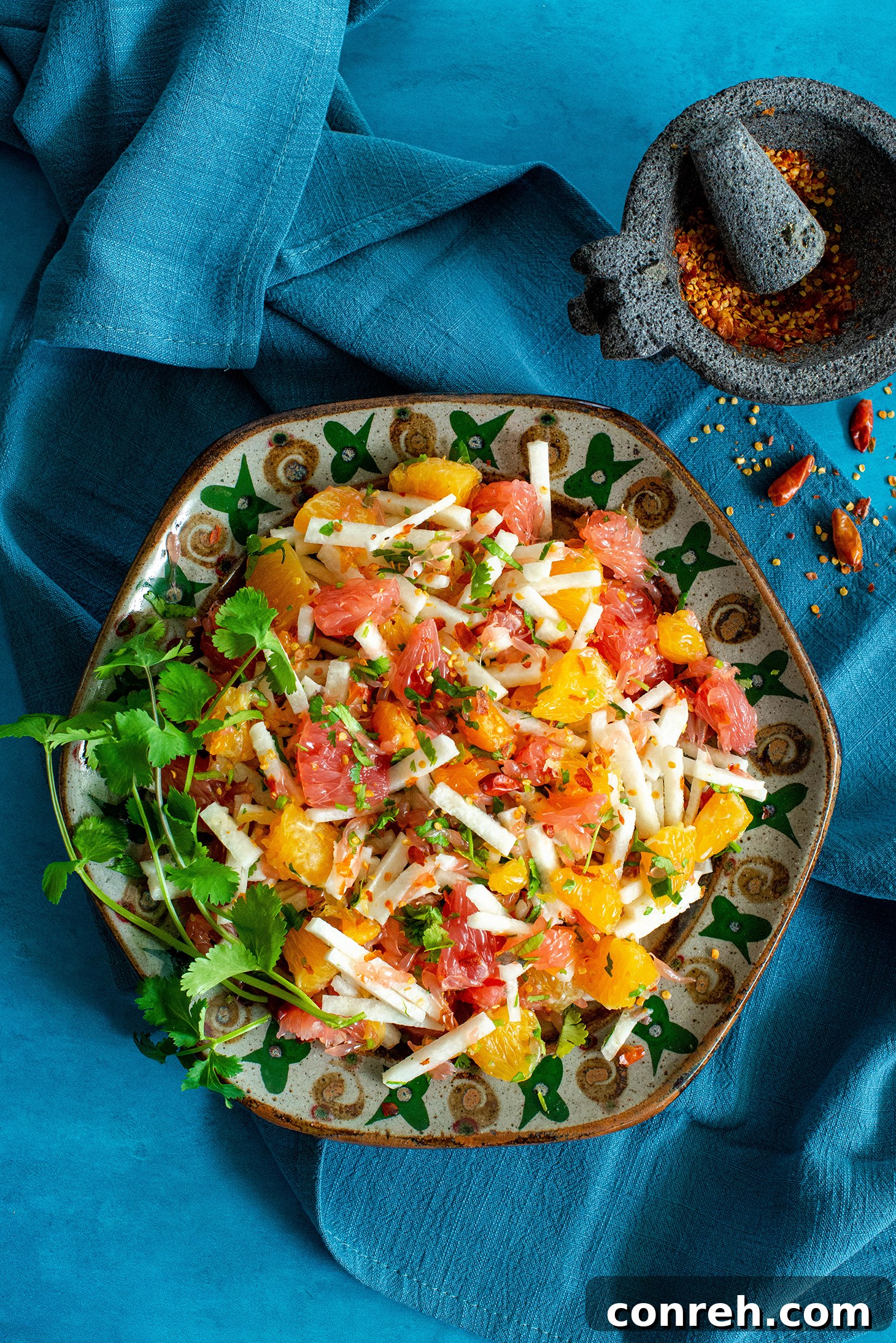
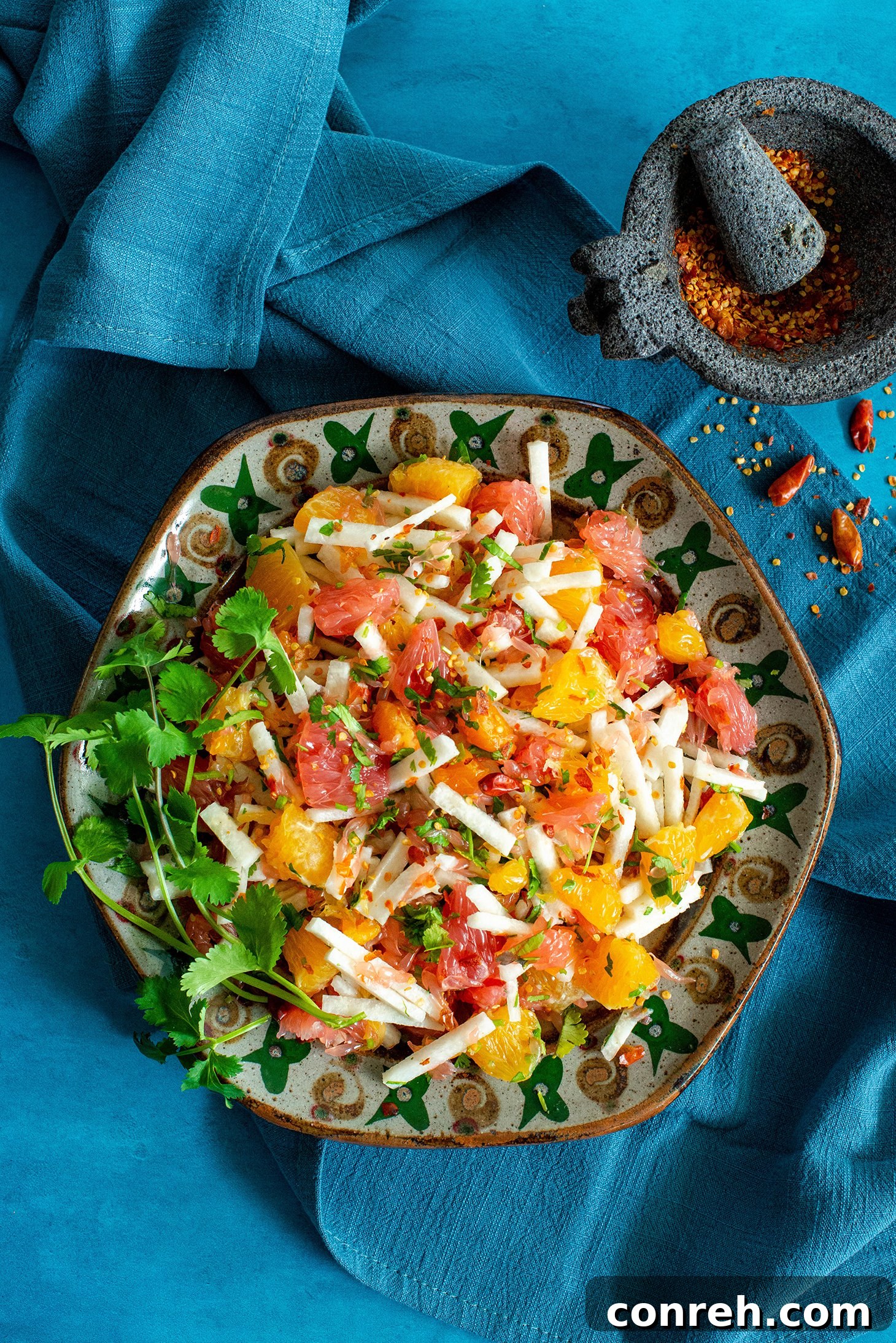
When thoughts drift to Day of the Dead (Día de los Muertos) culinary traditions, iconic dishes like pan de muerto, rich moles, or intricate sugar skulls often come to mind. However, in the enchanting Yucatán Peninsula of Mexico, the celebration, known as Hanal Pixán (meaning “food for the souls” in Mayan), takes a uniquely refreshing and vibrant turn with a traditional fruit salad called Xe’ek (pronounced “check”). This bright, citrus-forward salad is a captivating blend of ancient tradition and modern appeal, offering a harmonious mix of sweet, tangy, and subtly spicy flavors. More than just a simple side dish, Xe’ek is a nourishing and deeply symbolic offering, rich in immune-boosting Vitamin C and bursting with invigorating taste. It stands as a meaningful addition to the Hanal Pixán altar and a delightful staple on the breakfast table.
Embodying the spirit of its Mayan origins, Xe’ek is a testament to the region’s rich culinary heritage. It provides a crisp, revitalizing counterpoint to the more substantial, traditional foods served during this multi-day ancestral tribute. Its preparation is simple, yet its impact is profound, connecting generations through shared flavors and profound cultural significance.
Understanding Xe’ek: A Mayan Culinary Tradition
- The Essence of Xe’ek: In the Mayan language, “Xe’ek” directly translates to “mixture” or “revoltijo,” a fitting name for this colorful medley of jicama and various citrus fruits, enlivened with fresh lime juice, a hint of chile, and aromatic cilantro. This traditional Yucatecan fruit salad is an integral part of Hanal Pixán, the unique Day of the Dead observance in the Yucatán Peninsula. The Mayan belief system emphasizes that Hanal (food) nourishes the body, while Pixán (soul) sustains the spirit, a philosophy beautifully embodied in this ancestral offering.
- A Morning Ritual: Xe’ek typically graces the morning meal spread during the Hanal Pixán festivities. It’s often served alongside heartier, richer Yucatecan staples such as creamy tamales colados, the intensely flavored relleno negro, or classic huevos fritos (fried eggs). The bright acidity and satisfying crunch of the Xe’ek fruit salad provide a perfect balance, cutting through the richness of these traditional dishes and preparing the palate for further enjoyment. It’s a refreshing awakening for both body and soul.
- Cultural Depth: Hanal Pixán is not merely a single day but a profound period of remembrance and connection, where families welcome back the souls of their departed loved ones. Offerings of food and drink, including Xe’ek, are placed on altars to nourish these returning spirits. The freshness and vitality of Xe’ek symbolize renewal and the continuous cycle of life and death, making it a sacred component of these deeply personal and communal ceremonies.
Unlocking Flavor: Ingredient Variations for Your Xe’ek
The true charm of Xe’ek lies in its inherent adaptability and embrace of seasonal ingredients. While the classic recipe thoughtfully combines a trio of citrus — juicy oranges, tangy grapefruits, and sweet mandarins — there’s ample room for culinary creativity and personal preference. Experimenting with these variations allows you to tailor the salad to your taste and what’s freshest:
- Fruits Beyond the Core: Expand the citrus palette by incorporating pomelo for a milder, sweeter note, or introduce cara cara oranges and blood oranges for stunning color and unique flavor profiles. For an added layer of tropical sweetness and texture, thinly sliced pineapple can be a wonderful addition, enhancing the salad’s vibrant character. Consider seasonal berries or even segments of star fruit for visual appeal and a burst of different flavors.
- Herbaceous Twists: While fresh cilantro is the customary herb, lending its distinctive, bright notes, you might explore substituting or adding fresh mint. Mint offers a cool, invigorating aromatic finish that can be particularly appealing, especially when serving Xe’ek as a refreshing palate cleanser or a light dessert. Parsley can also be used for a more subtle, earthy undertone.
- Customizing the Heat: Traditionally, dried pequin chiles are crushed and sprinkled over Xe’ek, providing a smoky, nuanced heat that awakens the palate. However, the level of spice is entirely in your hands. For a milder kick, a sprinkle of popular Tajín seasoning (a chili-lime salt blend) is an excellent choice. If you prefer more robust heat, finely minced chile de árbol can be used. For those who are sensitive to spice or preparing the salad for children, omitting the chile entirely still leaves a wonderfully flavorful and refreshing dish.
- Enhancing Texture and Crunch: Some regional interpretations of Xe’ek incorporate thinly sliced red onion, which adds a pungent crispness and beautiful color. Delicate cucumber slices can also be introduced for an extra layer of hydration and a refreshing crunch, making the salad even more dynamic in texture. For an unexpected savory depth, finely diced avocado can also be a delightful addition, adding creaminess.
Versatile Ways to Serve Xe’ek: From Breakfast to Brunch
Xe’ek is remarkably versatile, making it a perfect addition to a wide array of meals and occasions. Its bright, clean flavors and refreshing crunch can elevate any spread:
- A Traditional Breakfast Side: As is customary during Hanal Pixán, Xe’ek is an ideal accompaniment to heartier breakfast dishes. Its zesty profile beautifully complements rich tamales, savory huevos rancheros, or even simple fried eggs, providing a refreshing contrast that energizes the start of the day.
- An Invigorating Palate Cleanser: Serve small portions of Xe’ek between courses during a multi-course meal. The sharp citrus and crisp jicama effectively refresh the palate, preparing guests to fully appreciate the subsequent flavors.
- A Light and Elegant Appetizer: For a sophisticated presentation, spoon Xe’ek into delicate small cups, shot glasses, or onto crisp endive leaves. This makes for an elegant, bite-sized starter at gatherings, offering a burst of fresh flavor without being too heavy.
- Perfect for Picnics and Brunch: Its vibrant colors and refreshing qualities make Xe’ek an absolute hit for warm-weather menus, whether it’s a casual picnic, a backyard barbecue, or an elegant brunch spread. It travels well and maintains its freshness, making it a convenient choice.
- A More Substantial Salad: To transform Xe’ek into a more filling main course or a robust side salad, consider topping it with toasted pumpkin seeds (pepitas) for a nutty crunch and added protein. Crumbled queso fresco or a sprinkle of cotija cheese can introduce a delightful creamy, salty element that harmonizes beautifully with the fruit.
- A Health-Conscious Dessert: While not a conventional dessert, the natural sweetness and invigorating acidity of Xe’ek make it a wonderfully light and guilt-free finish to any meal, especially when served well-chilled on a warm day.
Tips for Optimal Freshness and Storage of Xe’ek
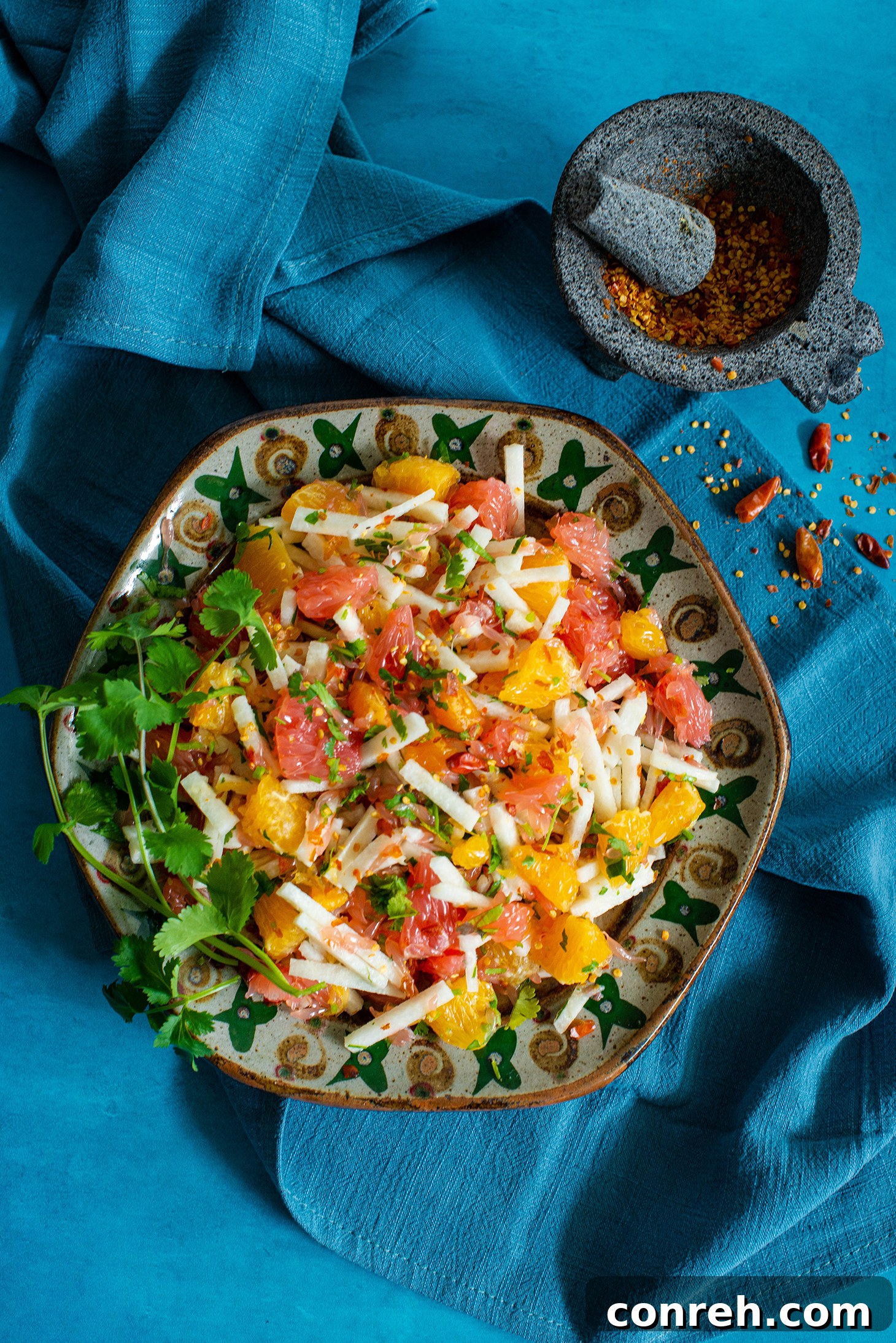
- Best Served Fresh: Xe’ek is truly at its peak when enjoyed immediately after preparation. The crispness of the jicama and the vibrant zing of the citrus are most pronounced, and the ingredients hold their distinct textures. Once mixed, the acids in the citrus will gradually begin to soften the jicama and cilantro.
- Refrigeration: If you need to prepare Xe’ek in advance, or have leftovers, store it in an airtight container in the refrigerator for up to two days. To maintain optimal texture and flavor, it’s highly recommended to add the fresh cilantro and crushed chile flakes just before serving. This prevents the herbs from wilting and the chile from becoming soggy.
- Avoid Freezing: Xe’ek is not suitable for freezing. Both the citrus fruits and jicama have high water content, and the freezing and thawing process will cause them to lose their firm texture, resulting in a mushy and unappealing salad. For best results, always aim to consume it fresh or within the recommended refrigeration period.
- Prep Ahead Strategy: To save time, you can segment the citrus and slice the jicama a day in advance, storing them separately in airtight containers in the refrigerator. Combine all ingredients, including the dressing, cilantro, and chile, just an hour or two before you plan to serve.
Xe’ek: A Nutritional Powerhouse
Beyond its incredible flavor and cultural significance, Xe’ek is a nutritional champion, offering a wealth of health benefits. It is naturally low in fat and calories, making it an excellent choice for a light and healthy meal or snack, especially when you consider its rich content of:
- Abundant Vitamin C: Packed with navel oranges, grapefruits, and mandarins, Xe’ek is an exceptional source of Vitamin C. This essential vitamin is crucial for bolstering the immune system, promoting healthy skin, and acting as a powerful antioxidant that protects cells from damage.
- Rich in Dietary Fiber: Thanks to the fibrous jicama and the natural membranes of the citrus fruits, Xe’ek provides a good amount of dietary fiber. Fiber is vital for digestive health, helping to regulate blood sugar levels, and contributing to a feeling of fullness, which can aid in weight management.
- Superior Hydration: With its high water content from fresh fruits and jicama, Xe’ek is an excellent dish for staying hydrated, particularly beneficial in warm climates. Proper hydration is key for overall bodily functions, energy levels, and maintaining skin elasticity.
- Potent Antioxidants: The diverse array of citrus fruits in Xe’ek, especially grapefruit, are rich in flavonoids and other antioxidants. These compounds play a critical role in combating oxidative stress, reducing inflammation, and supporting long-term immune function and cellular health.
- Calorie-Conscious & Heart-Healthy: A generous one-cup serving of Xe’ek typically contains around 90 calories. Importantly, it contains zero added sugar, relying solely on the natural sweetness of the fruits. Furthermore, it’s composed entirely of heart-healthy, natural ingredients, making it a smart choice for anyone looking to maintain a balanced and nutritious diet.
Frequently Asked Questions About Xe’ek
Absolutely! If the bitter notes of grapefruit are not to your liking, or if it’s simply out of season, you can easily substitute it with more oranges for added sweetness or try pomelo, which offers a milder, sweeter citrus flavor profile while maintaining a similar texture. Adjust the other citrus amounts to your preference.
The spice level of Xe’ek is entirely customizable, ranging from mild to moderately hot, depending on the quantity of pequin chile you choose to add. For those who prefer a completely mild version, especially when serving children or guests with a low spice tolerance, the chile can be omitted entirely without compromising the refreshing essence of the salad.
For the most enjoyable Xe’ek experience, segmenting the citrus is highly recommended. This involves carefully removing all the skin, white pith, and membranes, leaving only the juicy flesh. Use a sharp paring knife to slice away the peel and pith, then carefully cut between the membranes to release each segment. This method ensures the salad remains juicy and tender, free from any bitterness or tough textures.
Yes, absolutely! Xe’ek is a naturally vegan and gluten-free dish. It contains no animal products or by-products, making it an excellent and inclusive option for a wide range of dietary preferences and restrictions.
While Xe’ek is not traditionally categorized as a dessert, its delightful blend of sweetness and acidity makes it a surprisingly lovely and light finish to a meal. Served chilled, it can be a refreshing alternative to heavier desserts, especially on a warm day.
Dried pequin chiles are commonly available in Latin American grocery stores, specialty food markets, or through online retailers. If pequin chiles are not readily accessible, you can use crushed red pepper flakes for a similar heat profile, or opt for Tajín seasoning for a chili-lime kick.
Jicama (pronounced HEE-kah-ma) is a root vegetable native to Mexico, known for its crisp, starchy, and slightly sweet flavor, often described as a cross between an apple and a potato. It has a brown, papery skin and white, crunchy flesh. You can typically find jicama in the produce section of most large supermarkets, often near other root vegetables or international produce.
Xe’ek: The Vibrant Taste of Yucatán Tradition
Xe’ek is far more than just a fruit salad; it is a culinary embodiment of the Yucatán’s rich cultural tapestry. Rooted deeply in the traditions of Hanal Pixán, this bright and bold dish is also perfectly suited for modern, everyday nourishment. With its refreshing crunch, exhilarating citrusy brightness, and profound cultural significance, Xe’ek invites a taste of the Yucatán into any kitchen, offering both delicious flavor and a connection to ancestral wisdom.
Whether you are actively honoring ancestors during the sacred observance of Hanal Pixán, or simply seeking a new, vibrant, and healthy twist on a classic fruit salad, Xe’ek is a soulful, invigorating dish that is truly worth discovering and savoring. Its simplicity belies its depth of flavor and its ability to refresh, delight, and connect you to a rich culinary heritage.
Xe‘ek Salad
No reviews yet.
- Author: Ericka Sanchez
- Prep Time: 15 minutes
- Total Time: 15 minutes
- Yield: serves 4
Description
Pronounced “check,” and meaning “mixture” or “revoltijo” in Mayan, this traditional Yucatecan fruit salad is a vibrant blend of tangy, sweet, and spicy flavors. Loaded with immune-boosting Vitamin C, it’s the perfect way to refresh and invigorate your day. Xe’ek is traditionally served during Hanal Pixán, the Day of the Dead celebration in the Yucatán, where Hanal signifies “food” and Pixán represents the “soul that gives life to the body.” It serves as a fantastic accompaniment to rich, hearty meals, such as fried eggs or traditional tamales, offering a bright and welcome contrast.
Ingredients
- 1 ½ cups jicama, sliced into matchsticks
- 2 tablespoons lime juice
- 3 navel oranges, segmented
- 1 large grapefruit, segmented
- 2 mandarins, segmented
- ¼ cup fresh cilantro, finely chopped
- ½ teaspoon sea salt
- 2 tablespoons dried pequin chiles, crushed (adjust to taste)
Instructions
- In a large mixing bowl, combine the jicama matchsticks, lime juice, and the juice from one segmented orange. Stir well to ensure the jicama is thoroughly coated. Set the bowl aside.
- Carefully peel the grapefruit, mandarins, and the remaining two oranges. Using a small, sharp knife, remove as much of the white pith and membranes as possible from each segment. Chop the citrus segments into bite-sized pieces and add them to the bowl with the jicama and juices.
- Add the finely chopped fresh cilantro, sea salt, and crushed pequin chiles to the bowl. Toss all the ingredients gently but thoroughly until everything is well mixed and evenly distributed. Serve immediately for the best flavor and texture.