Leche Frita: A Crispy, Creamy Taste of Spain – Your Ultimate Fried Milk Guide
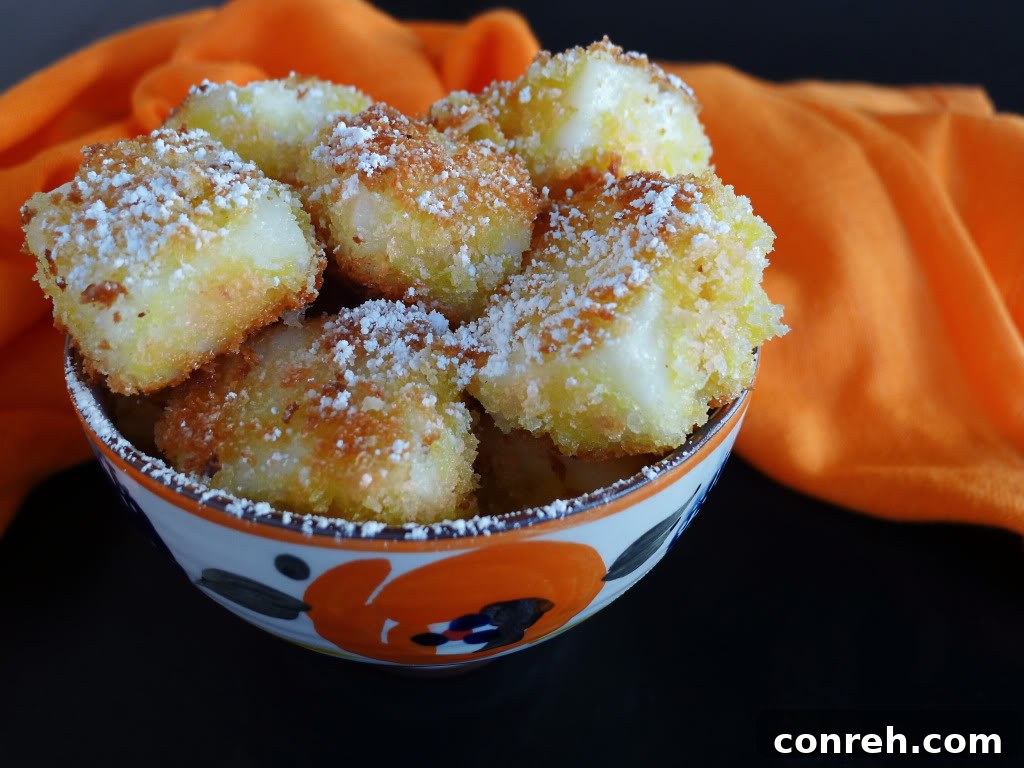
Imagine a dessert that offers an enchanting contrast: a delightfully crisp, golden exterior giving way to a warm, luscious, melt-in-your-mouth custard. That’s the magic of Leche Frita, or “Fried Milk.” This traditional Spanish delicacy is a true testament to the simple yet profound pleasures of European cuisine. It’s more than just a sweet treat; it’s an experience – a warm hug of creamy goodness seasoned with your favorite spices, like a hint of nutmeg, a dash of cinnamon, or even aromatic pumpkin pie spice. While often enjoyed simply dusted with powdered sugar, a sprinkle of cinnamon mixed with granulated sugar can add a slightly different, equally delightful twist, enhancing its inviting aroma and flavor profile. Prepare to be captivated by this humble yet extraordinary dish that promises a symphony of textures and tastes in every bite.
Unveiling Leche Frita: A Spanish Culinary Jewel
Leche Frita isn’t merely a dessert; it’s a culinary cornerstone in Spain, revered as a beloved street food and a staple on many restaurant menus, especially during festive seasons like Easter (Semana Santa) and Christmas. Its origins are deeply rooted in Spanish kitchens, where creativity transformed basic, readily available ingredients like milk, flour, and sugar into something extraordinary. For many Spaniards, Leche Frita evokes nostalgic memories of childhood and family gatherings, much like churros or buñuelos hold a special, comforting place in Mexican culture – iconic, comforting, and universally adored by generations. It’s a dish that embodies hospitality and the warmth of shared meals.
The allure of Leche Frita lies in its unique texture and exquisite taste. The process involves crafting a thick, rich milk-based custard, allowing it to firm up, then meticulously coating it in a delicate breading before frying it to golden perfection. The result is a dessert that surprises and satisfies, offering a symphony of textures and flavors. Each bite delivers that initial gratifying crunch, a delicate shell that gives way to the slow, luxurious ooze of the warm, subtly sweet custard. The interior remains remarkably tender and creamy, a delightful counterpoint to the crispy crust. It’s a sophisticated yet comforting treat that perfectly embodies the spirit of Spanish gastronomy, showcasing how simple ingredients can create a truly unforgettable culinary experience.
Why You’ll Love Making Fried Milk at Home
Despite its gourmet appearance and sensational taste, Leche Frita is surprisingly straightforward to prepare in your own kitchen. This recipe calls for very few, readily available ingredients – primarily milk, sugar, cornstarch, eggs, and breadcrumbs – making it an accessible project for home bakers and dessert enthusiasts of all skill levels. The magic of transforming humble liquid milk into a solid, fryable custard feels almost enchanting, and the satisfaction of creating such an impressive and authentic Spanish dessert from scratch is truly rewarding. It’s a fantastic way to impress guests or simply treat your family to something special and unique.
Preparing Leche Frita offers an opportunity to engage with traditional cooking techniques and discover the joy of homemade confections. While it requires a bit of patience, mainly for the essential chilling time, the active preparation steps are minimal and enjoyable. It’s a fantastic dish to master for entertaining guests, bringing a unique flair to your dinner parties, or simply indulging in a special treat for yourself and your loved ones. Imagine the delight on faces as you present these warm, golden-brown pillows of creamy goodness. Once you experience the unparalleled taste of freshly made, warm Leche Frita, you’ll understand why it’s cherished across Spain and continues to gain popularity worldwide.
The Secret to Perfect Leche Frita: Mastering the Custard
The heart of any exceptional Leche Frita lies in its custard. Achieving the perfect consistency is paramount: it needs to be firm enough to cut and fry without falling apart, yet remain incredibly creamy and soft once cooked. The key to this success begins on the stovetop. When preparing the custard mixture, combining the dry ingredients first (sugar, cornstarch, spices) before gradually whisking in the cold milk is crucial to prevent lumps. As the mixture begins to heat and thicken, constant whisking is absolutely vital. This continuous agitation ensures even cooking, prevents sticking to the bottom of the saucepan, and helps achieve a silky-smooth texture free of any unsightly bubbles or clumps. You’ll want to whisk vigorously for about a minute once it comes to a boil, until it reaches a thick, pudding-like consistency.
Once the custard reaches its desired thickness and you’ve stirred in your butter and optional lemon zest, it’s poured into a shallow dish and then comes the most critical phase: refrigeration. This isn’t just a suggestion; it’s a non-negotiable step that demands patience. The custard requires a minimum of three hours, and often preferably overnight, of undisturbed chilling time in the refrigerator. This extended period allows the mixture to fully set and firm up, becoming robust enough to handle the subsequent breading and frying processes. Rushing this step will invariably result in a custard that’s too soft, making it difficult to cut cleanly and prone to disintegrating in the hot oil. Patience here truly yields the most glorious, perfectly structured Leche Frita.
Step-by-Step Leche Frita Recipe: Your Guide to Sweet Success
Ready to embark on your culinary journey to Spain? Here’s a detailed, easy-to-follow recipe to create your very own batch of delectable Leche Frita, ensuring a perfect crispy-creamy treat every time.
Ingredients:
- 1/2 cup (100g) granulated sugar, plus extra for topping if desired
- 1/2 cup (60g) cornstarch (maicena)
- 1/4 teaspoon ground nutmeg (or ground cinnamon, or pumpkin pie spice for a seasonal twist)
- 3 cups (700ml) whole milk (full-fat milk yields the creamiest results)
- 1 tablespoon (14g) unsalted butter
- 1/4 teaspoon grated lemon zest (optional, but highly recommended for a bright, subtle flavor)
- 2 large eggs, lightly beaten, for breading
- 3/4 cup (75g) fine breadcrumbs (Panko or standard fine breadcrumbs work best for a crisp coating)
- Vegetable oil, sunflower oil, or other neutral oil for deep frying
- Powdered sugar for dusting (essential for serving)
- Ground cinnamon mixed with granulated sugar (optional topping for an extra layer of flavor)
Equipment Needed:
- Medium-sized heavy-bottomed saucepan
- Whisk
- 8×8 inch (20×20 cm) glass or ceramic baking dish
- Plastic wrap or cling film
- Sharp knife
- Three shallow dishes or bowls for your breading station (one for beaten eggs, one for breadcrumbs)
- Large pot, Dutch oven, or deep fryer for frying
- Slotted spoon or spider skimmer
- Plate lined with paper towels for draining
Instructions:
- Prepare the Custard Base: In your medium saucepan, combine the 1/2 cup of granulated sugar, cornstarch, and ground nutmeg (or your chosen spice). Whisk these dry ingredients together thoroughly until they are well incorporated and no lumps remain. Gradually pour in the 3 cups of cold whole milk, whisking constantly until the mixture is smooth and fully combined.
- Cook the Custard: Place the saucepan over medium heat. Bring the mixture to a gentle boil, stirring continuously with your whisk. This constant agitation is absolutely critical to prevent the mixture from sticking to the bottom of the pan and to ensure a lump-free, smooth custard. Once it begins to boil, continue to whisk vigorously for about 1 minute, or until the mixture has thickened considerably to a thick, pudding-like consistency. Remove the saucepan from the heat immediately.
- Add Flavor and Finish: Stir in the tablespoon of unsalted butter and the grated lemon zest (if you are using it) until the butter is completely melted and fully incorporated into the custard. The butter adds a luxurious richness, while the lemon zest provides a wonderful, subtle brightness that beautifully cuts through the sweetness.
- Chill and Set: Carefully pour the hot custard mixture into the prepared 8×8 inch glass or ceramic dish. Spread it evenly to create a flat, uniform layer. Allow the custard to cool slightly at room temperature for about 15-20 minutes. Then, cover the dish loosely with plastic wrap, making sure the plastic wrap touches the surface of the custard to prevent a “skin” from forming. Transfer the dish to the refrigerator and chill for a minimum of 3 hours, or preferably overnight, until the custard is very firm and completely set. This step is essential for successful frying.
- Prepare for Frying: Once the custard is completely firm, remove the dish from the refrigerator. Using a sharp knife, carefully cut the chilled custard into 2-inch (5 cm) squares or rectangles. Gently use a spatula or knife to loosen and remove each piece from the dish.
- Set Up Breading Station: Prepare your breading station. In one shallow dish, place the lightly beaten eggs. In another shallow dish, place the fine breadcrumbs.
- Bread the Custard: Take each custard square and first dip it entirely into the beaten egg, ensuring it is fully coated. Allow any excess egg to drip off. Then, transfer the egg-coated square to the breadcrumbs, pressing gently to ensure an even and complete coating on all sides. Repeat this process for all the custard pieces. For an extra crispy crust, you can double-coat by dipping each piece back into the egg and then into the breadcrumbs again.
- Heat the Oil: In a large, heavy-bottomed pot, Dutch oven, or deep fryer, heat about 2-3 inches of vegetable, sunflower, or other neutral oil to 350-375°F (175-190°C). If you don’t have a kitchen thermometer, you can test the oil by dropping a small piece of breadcrumb into it; it should sizzle immediately and turn golden brown within 30 seconds.
- Fry the Leche Frita: Carefully place a few breaded custard pieces into the hot oil, being cautious not to overcrowd the pot. Overcrowding can lower the oil temperature and result in soggy fried milk. Fry for 2-3 minutes per side, or until they are beautifully golden brown and crispy on all sides.
- Drain and Serve: Using a slotted spoon or spider skimmer, carefully remove the fried milk pieces from the hot oil and transfer them to a plate generously lined with paper towels to drain any excess oil. This helps maintain their crispness.
- Final Touch: While still warm, generously dust the Leche Frita with powdered sugar. For an alternative twist, sprinkle with the optional cinnamon-sugar mixture. Serve immediately and savor the incredible crispy-creamy contrast! Leche Frita is best enjoyed fresh and warm.
Elevate Your Experience: Serving Suggestions & Flavor Variations
While Leche Frita is undeniably exquisite on its own, its versatility allows for numerous enhancements and pairings that can elevate the experience even further. Traditionally, a generous dusting of powdered sugar is the go-to finish, creating a delicate sweetness and an elegant presentation that makes the dessert truly shine. However, don’t shy away from experimenting with other toppings to personalize this Spanish delight.
For a delightful warmth and subtle spice, a blend of ground cinnamon and granulated sugar offers a fantastic alternative, adding another layer of aromatic complexity. Beyond simple dustings, Leche Frita truly shines when paired with cool, refreshing elements. Imagine the delightful contrast of warm, crispy fried milk alongside a scoop of your favorite ice cream. I personally adore pairing it with green tea ice cream, with its earthy notes beautifully complementing the sweet custard, all finished with a decadent drizzle of chocolate syrup. Classic vanilla bean ice cream, a scoop of rich chocolate, a tangy fruit sorbet, or even a dollop of fresh whipped cream can also create an unforgettable dessert experience. Consider serving it with a side of fresh seasonal berries or a light fruit compote (like berry or apple) for a touch of freshness, color, and natural acidity that balances the sweetness.
Internally, you can also play with the custard’s flavor profile to match your preferences. Beyond traditional nutmeg and cinnamon, a hint of orange zest or even a delicate touch of rosewater can add a vibrant citrus or floral note, respectively. A touch of almond extract or even a subtle hint of cardamom could introduce an unexpected, yet delightful, complexity to the custard itself. The possibilities are truly endless for customizing this Spanish classic to suit your personal taste and creative culinary spirit!
The Nutritional Goodness of Milk: More Than Just a Dessert Ingredient
Beyond its incredible taste and versatility in creating delectable desserts like Leche Frita, milk remains a powerhouse of nutrition, an essential component of a balanced diet for many around the world. It’s packed with vital nutrients that support overall health and well-being across all ages. Think of calcium, which is absolutely crucial for building and maintaining strong bones and teeth; Vitamin D, which plays a pivotal role in aiding calcium absorption and supporting immune function; and high-quality protein, essential for muscle repair, growth, and overall satiety. Incorporating milk into your meals, especially in such a delightful and palatable form as Leche Frita, is a wonderful way to enjoy its myriad benefits and ensure a wholesome ingredient is part of your indulgence.
In fact, this very article aligns with the philosophy of the “Master of the Glass Half Full” – a movement dedicated to promoting the positive aspects and numerous benefits of milk in our daily lives. What better way to incorporate this nutritious staple into your diet than through a mouth-watering dessert that’s both comforting and fulfilling? Leche Frita beautifully demonstrates that healthy, foundational ingredients can be transformed into indulgent pleasures, proving that mindful eating doesn’t mean sacrificing taste. It embodies #positivismo in every delicious, creamy-crispy bite, encouraging us to look at food not just for sustenance, but also for joy and well-being.
A Delicious Endorsement: Our Sponsors & Community
This post is proudly part of a sponsored campaign, brought to you in collaboration with the California Milk Processor’s Board and Latina Mom Bloggers. Their commitment to sharing wholesome recipes, promoting the nutritional benefits of milk, and fostering a vibrant community resonates deeply with our mission to bring delicious, enriching, and informative content to our valued readers. We believe in the power of good food and strong communities, and this partnership allows us to deliver both.
We enthusiastically encourage you to explore more about the benefits of milk and connect with inspiring communities that share a similar passion for positive living and healthy choices. For additional information about the benefits of milk and to join the ongoing conversation, visit the “Master of the Glass Half Full” on Facebook or Twitter under the insightful hashtag #positivismo. Engage with a community that celebrates positive living, nutritious options, and culinary delight, one delicious glass of milk, or in this case, one perfect fried milk square, at a time!
We hope this comprehensive guide inspires you to try your hand at making Leche Frita in your own kitchen. It’s a culinary adventure that promises to delight your senses and bring a wonderful taste of traditional Spanish charm right into your home. Enjoy the journey and the incredibly satisfying results of this unforgettable dessert!