Garibaldis: Unveiling the Sweet History and Enduring Charm of Mexico’s Favorite Sprinkle-Topped Poundcake
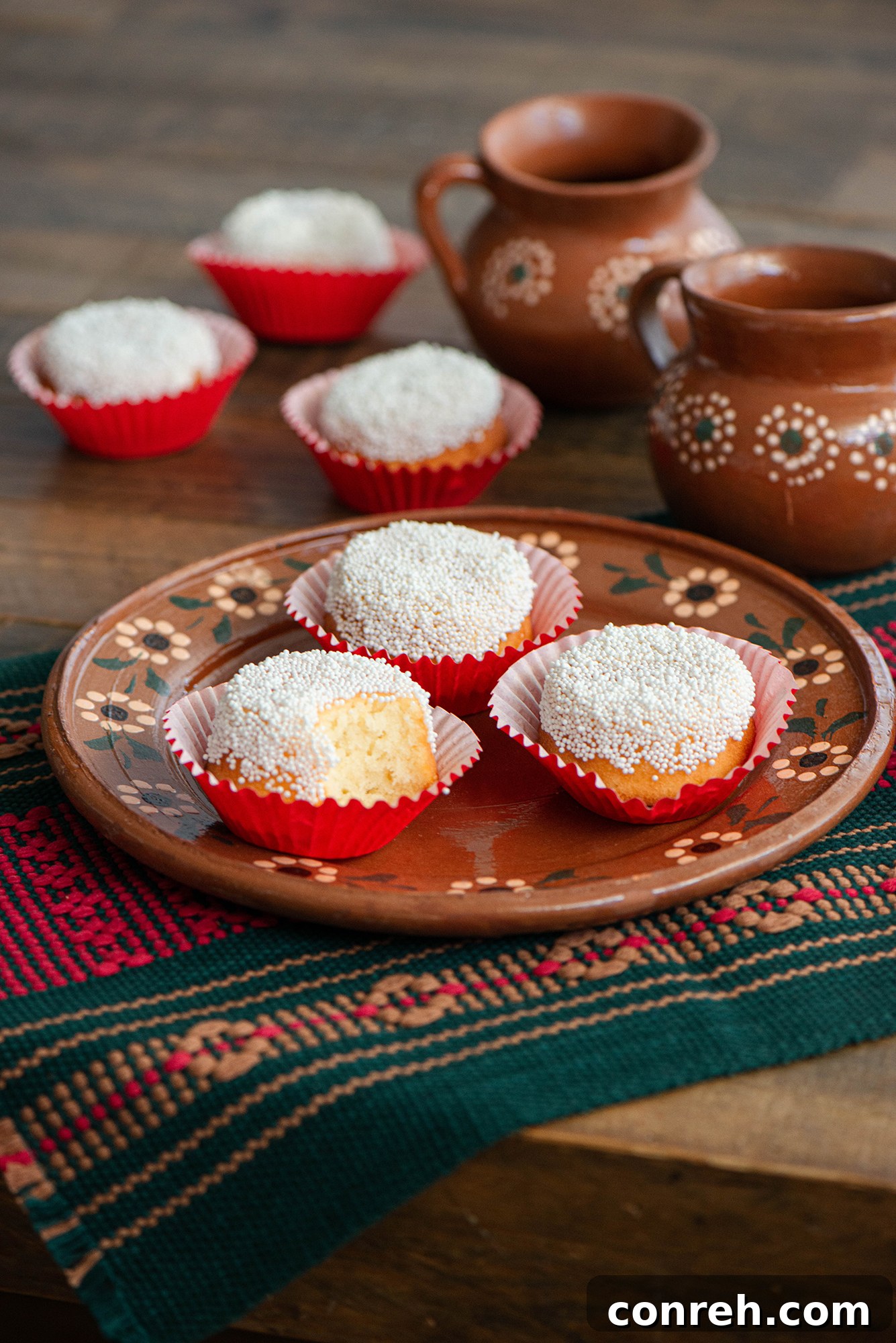
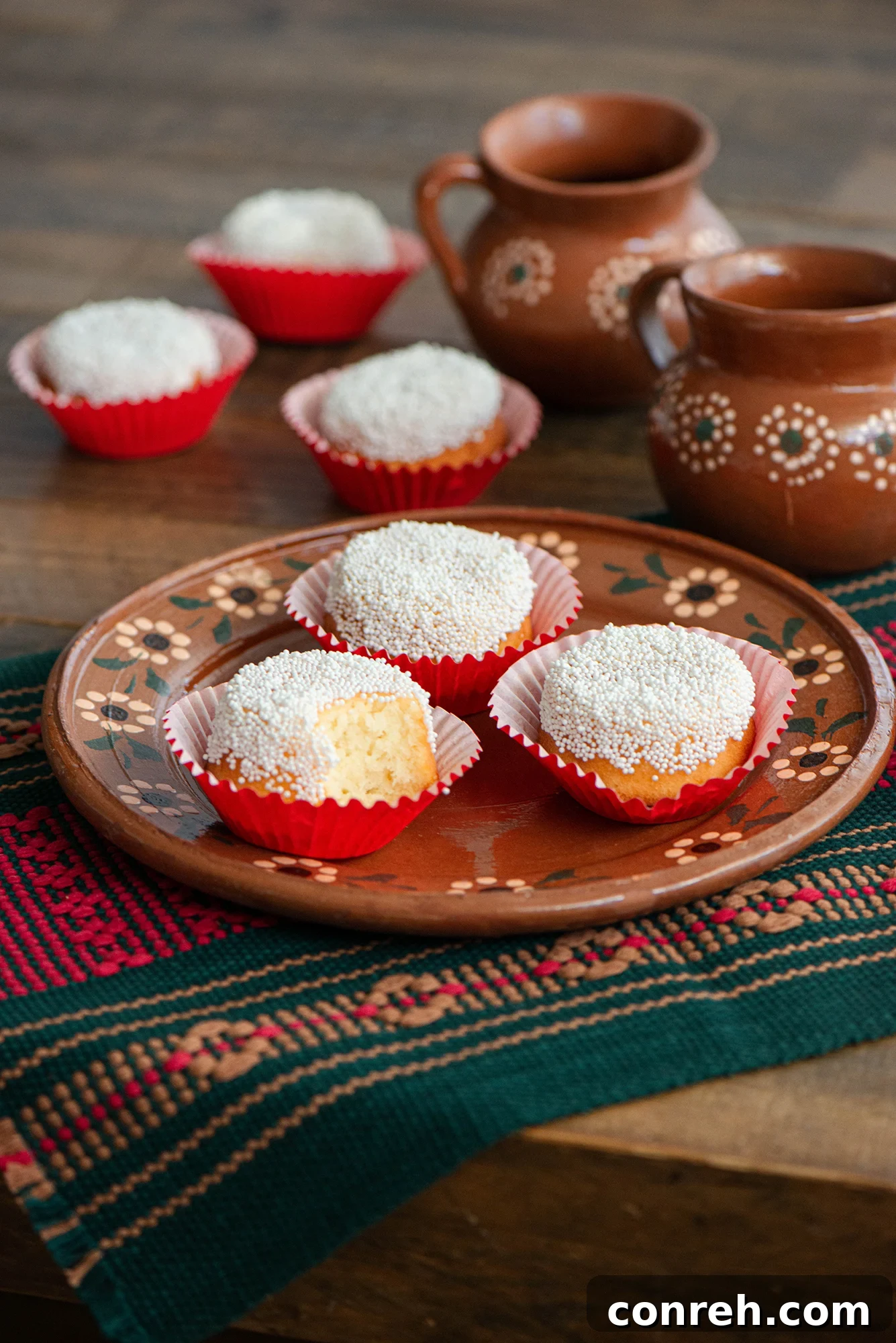
Step into any authentic Mexican panadería, and your senses will be immediately captivated by an array of vibrant pastries. Amidst the fluffy conchas and delicate orejas, a truly special treat often gleams from the display cases: the Garibaldi. These delightful mini poundcakes, crowned with a lustrous apricot glaze and an abundance of pearly white sprinkles, are more than just a confection; they are a cherished icon of Mexican bakery culture. Each bite of a Garibaldi offers a taste of rich history, a narrative woven from immigration, culinary innovation, and the beautiful fusion of diverse traditions. This article delves into the fascinating journey of the Garibaldi, from its humble origins to its status as a beloved national treasure.
Related Recipe: Authentic Mexican Bread Pudding (Budín de Pan)
Cultural Resonance and Widespread Popularity
For countless Mexicans, the Garibaldi evokes a powerful sense of comfort, nostalgia, and cherished family traditions. These petite poundcakes are frequently purchased by the dozen in elegant bakery boxes, destined to grace weekend breakfast tables, sweeten family visits, or add a touch of joy to birthday celebrations. Their presence is as comforting and familiar as a steaming cup of traditional café de olla, instantly transporting many back to cherished childhood memories.
Over generations, the Garibaldi has firmly established its place as a nostalgic favorite. It’s a common ritual in many Mexican families to visit the neighborhood panadería after church or school, a delightful outing where children and adults alike carefully select their favorite pastries. The distinctive sprinkle-covered Garibaldi is almost always a must-have item in that precious bakery box, a testament to its enduring appeal across age groups.
Despite their clear European influences, Garibaldis have been wholeheartedly embraced and integrated into Mexico’s vibrant culinary identity, much like other staples such as bolillos and the broader category of pan dulce. Their deep integration into daily life, particularly evident in bustling urban centers like Mexico City, beautifully illustrates the dynamic and ever-evolving nature of Mexican cuisine. This rich culinary landscape has a remarkable ability to welcome and adapt outside influences, transforming them into something uniquely and deliciously Mexican.
A Sweet Glimpse into the Past: The Fascinating Origins of Garibaldi
The story of the Garibaldi is intricately linked to the vibrant culinary tapestry of Mexico City in the late 19th century. This was an era when European immigrants played a pivotal role in shaping the city’s burgeoning food scene, introducing new techniques, ingredients, and flavors. It was within this dynamic environment that this beloved pastry first emerged, specifically with the establishment of El Globo Panadería, one of Mexico’s most iconic bakery chains, founded in 1884 by an enterprising French-Italian family.
The name “El Globo” (meaning “The Globe”) was carefully chosen to symbolize the diverse global influences that inspired the bakery’s recipes and innovative techniques. Among the many exquisite creations introduced by El Globo to eager Mexican palates, the Garibaldi quickly distinguished itself. It represented a unique and harmonious blend of sophisticated French baking methods, elegant Italian aesthetic sensibilities, and the distinctive local flavor preferences of Mexico. The pastry’s name, “Garibaldi,” is widely believed to be a respectful homage to Giuseppe Garibaldi, the renowned Italian general and nationalist who played a crucial role in the unification of Italy. While the connection may have been more symbolic, evoking a sense of European heritage and prestige, it certainly added to the pastry’s intriguing appeal.
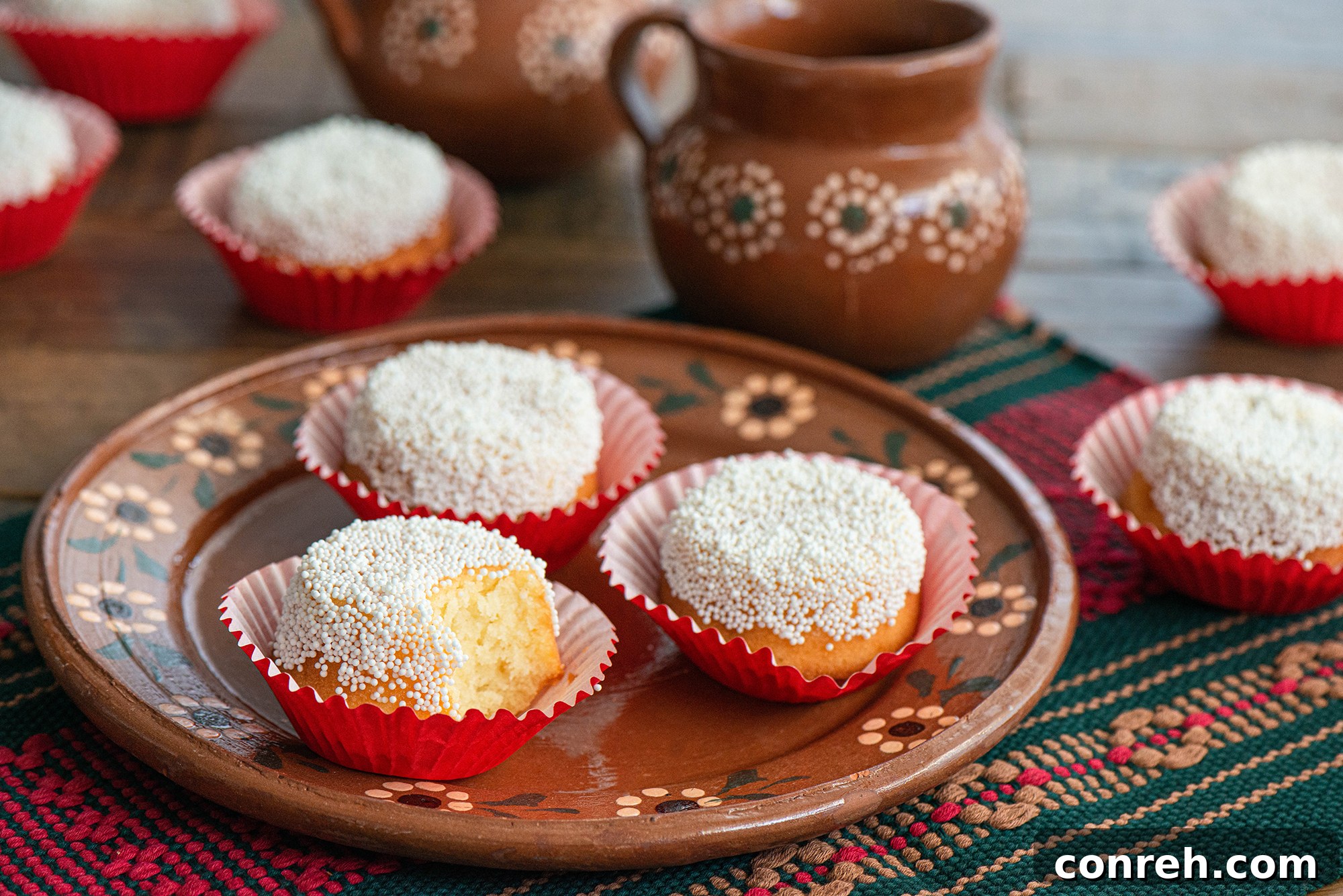
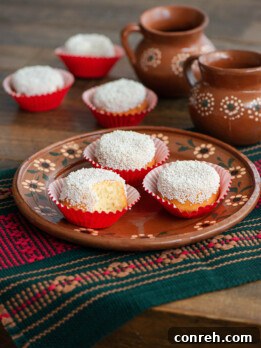
What truly elevates Garibaldis beyond a simple poundcake are their signature characteristics and exquisite finishing touches. They begin with a foundation of a dense, rich, and impeccably buttery poundcake base, providing a satisfyingly moist crumb. This is then generously brushed with a bright, glistening apricot preserve, imparting a tangy sweetness and beautiful sheen. Finally, each cake is meticulously dipped into a cascade of snowy-white nonpareils, those tiny, spherical sugar sprinkles. These decorative sprinkles are far more than mere embellishment; they deliver a delightful textural contrast, offering a pleasant crunch that beautifully complements the soft, tender crumb of the cake underneath, creating a truly unforgettable sensory experience.
Creative Ingredient Innovations and Variations
While the traditional Garibaldi adheres to a fairly consistent and beloved format, the home baker has ample opportunity to express creativity and personal flair while remaining true to the delightful spirit of the original. Exploring these ingredient variations can lead to exciting new interpretations of this classic Mexican pastry:
- Fruit Glaze Swaps: Although apricot preserve is the quintessential choice for Garibaldis, experimenting with other fruit preserves can offer a refreshing twist. Consider peach for a milder sweetness, tropical pineapple for a zesty note, or even guava for an authentic Latin American flavor profile. Each swap brings a unique character to the cake.
- Sprinkle Styles: The hallmark of a Garibaldi is undeniably its pristine white nonpareils, which provide both texture and visual appeal. However, for special occasions or a more festive look, don’t hesitate to use multicolored sprinkles or even subtle pastel variations. These can transform the Garibaldi into a celebratory treat perfect for parties or holidays.
- Flavored Poundcakes: Enhance the intrinsic aroma and flavor of the poundcake itself by incorporating delicate additions. A touch of bright citrus zest, such as orange or lemon, can provide a wonderful fragrant lift, while the inclusion of real vanilla bean paste or extract will deepen the cake’s classic, comforting essence.
- Miniature Versions: For charming, bite-sized treats perfect for entertaining or children’s parties, utilize mini muffin tins. Remember to adjust the baking time accordingly, as smaller cakes will cook much faster, ensuring they remain moist and tender.
Regardless of the creative variations you choose, the enduring appeal of the Garibaldi lies in maintaining a harmonious balance between the rich, dense cake, the sweet and glossy fruit glaze, and the satisfying crunch of the decorative sprinkles. This trifecta ensures that every bite is a delightful experience.
Versatile Serving Suggestions
Garibaldis are remarkably versatile and can be enjoyed in a multitude of delightful ways, making them suitable for almost any occasion, from casual mornings to elegant desserts:
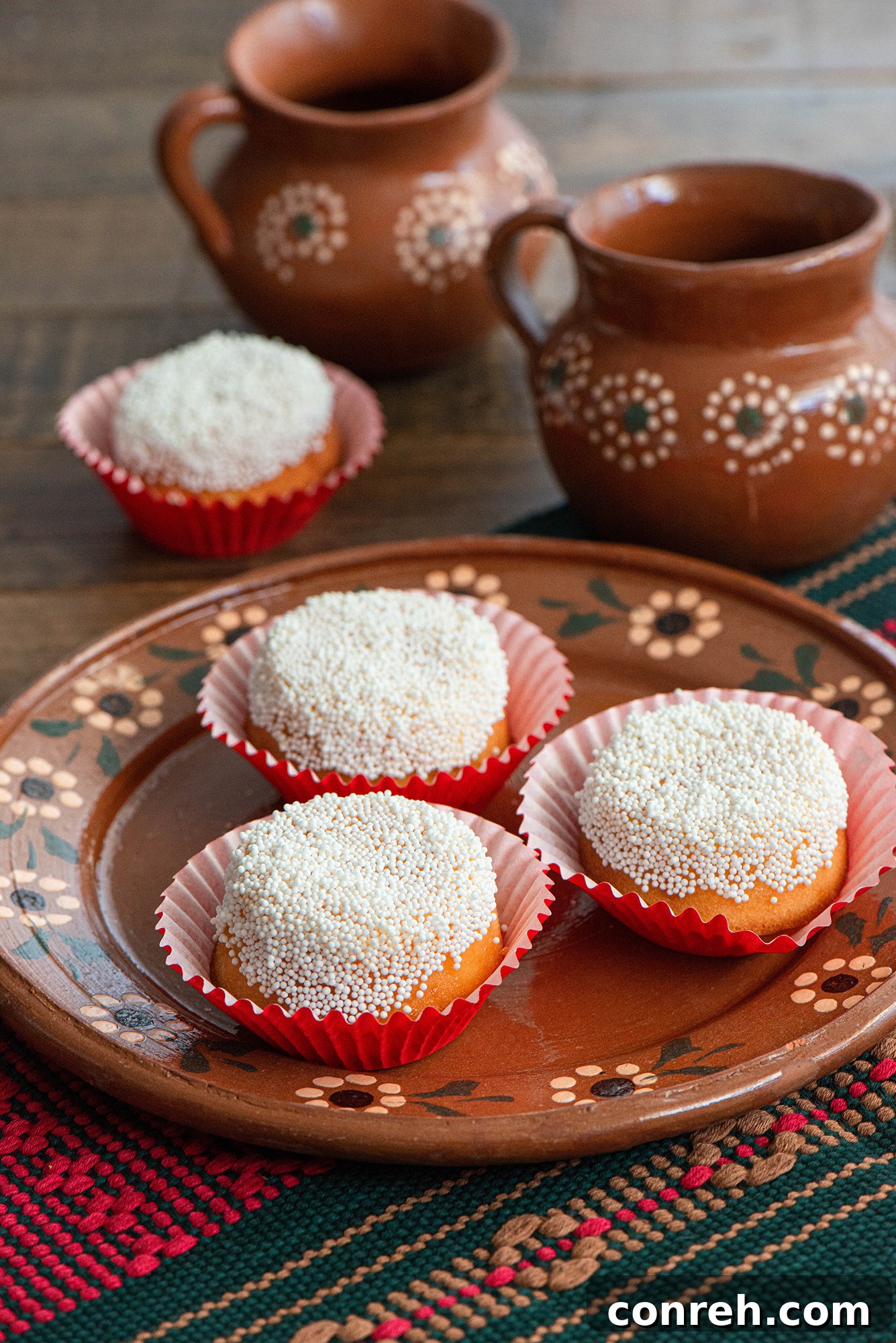
- With Coffee or Hot Chocolate: This is arguably the most traditional and beloved pairing. The rich, buttery notes of the Garibaldi perfectly complement the robust flavors of a morning coffee or the comforting warmth of a Mexican hot chocolate, creating an ideal breakfast or afternoon merienda.
- At Brunch Buffets: Their charming individual portions and visually appealing sprinkle topping make Garibaldis an excellent addition to any brunch spread. They offer a self-contained dessert option that’s both elegant and easy for guests to enjoy.
- As Thoughtful Gifts: When nestled into colorful cupcake liners and carefully arranged in a decorative box, homemade Garibaldis transform into truly thoughtful and delicious gifts, perfect for friends, neighbors, or hosts.
- With Ice Cream: For a more contemporary and indulgent dessert experience, try slicing a Garibaldi in half horizontally and serving it alongside a scoop of premium vanilla bean or rich dulce de leche ice cream. The combination of warm cake and cold, creamy ice cream is simply divine.
Optimal Storage Practices
To ensure your Garibaldis remain fresh, moist, and utterly delicious for as long as possible, follow these simple storage guidelines:
- Room Temperature: For immediate enjoyment and to maintain their best texture, store Garibaldis in an airtight container at room temperature. They will remain wonderfully fresh for up to 3 days, perfect for enjoying throughout the week.
- Refrigeration: If you reside in a particularly warm or humid climate, or if you wish to extend their freshness slightly longer, refrigerate them in a well-sealed container. It’s best to allow them to return to room temperature for about 15-30 minutes before serving to fully appreciate their tender crumb and flavors.
- Freezing: For long-term storage, Garibaldis can be frozen with excellent results. It is recommended to freeze the unglazed poundcakes, wrapped individually in plastic wrap and then placed in an airtight freezer bag or container, for up to a month. After thawing, simply apply the apricot glaze and sprinkles to preserve their delicate texture and visual appeal.
Intriguing Facts About Garibaldis
- Trademarked Treat: The original recipe and name for Garibaldis are still proudly held by El Globo Panadería. Their version continues to be a top-seller, setting the standard for this beloved Mexican pastry across the nation.
- A Name Shrouded in Mystery: While the connection to Giuseppe Garibaldi is widely accepted, the exact reason or person who bestowed the name upon this specific pastry remains a charming mystery. Many believe it was chosen to signify European sophistication and culinary excellence.
- Iconic in Mexico City (CDMX): In the vibrant capital of Mexico City, a box of freshly baked Garibaldis is considered as iconic a souvenir or gift as exquisite Talavera pottery or a fine bottle of mezcal, representing the city’s rich culinary heritage.
- Cross-Border Appreciation: Garibaldis are rapidly gaining recognition and popularity in Mexican bakeries across the United States, particularly within cities that boast large and thriving Mexican-American communities, where they offer a comforting taste of home.
- Universally Loved: Despite their whimsical, sprinkle-topped appearance, Garibaldis are not solely for children. Adults adore them for their sophisticated buttery richness, perfectly balanced sweetness, and satisfying texture, making them a treat for all ages.
- Perfectly Packable: Their convenient individual shape and sturdy poundcake structure make Garibaldis an ideal choice for lunchboxes, delightful additions to picnics, or satisfying snacks for road trips and travel.
Frequently Asked Questions (FAQs) About Garibaldis
While you technically can substitute margarine for butter, it’s important to note that the flavor and texture of your Garibaldis will be noticeably different. Butter is crucial for providing the rich, authentic taste and luxurious mouthfeel that truly define a delicious Garibaldi poundcake. For the best results, stick with high-quality butter.
Absolutely! For a quick and easy apricot glaze, you can simply microwave the apricot preserves with a splash of water or orange juice for approximately 30–45 seconds. Heat it until the mixture becomes wonderfully runny and easily spreadable, eliminating the need for stove-top heating.
Nonpareils are tiny, spherical decorative sugar sprinkles commonly used in baking and confectionery. For traditional Garibaldis, white nonpareils are the classic choice. You can readily find them in most baking supply stores, dedicated candy shops, specialty grocery stores, or conveniently online through various retailers.
You can certainly experiment with a 1:1 gluten-free flour blend as a substitute for traditional flour. However, please be aware that the texture of the resulting cake will likely be different from the classic version. It’s often a good idea to test a small batch first to ensure you achieve your desired results.
While a stand mixer offers convenience, it is not strictly necessary. A good quality hand mixer will work perfectly well for this recipe. The key is to ensure you thoroughly beat the butter and sugar until the mixture becomes light, fluffy, and significantly paler in color, which is crucial for the cake’s tender texture.
Cornstarch plays a vital role in achieving the signature tender crumb of Garibaldis. It helps to soften the texture of the cake, effectively mimicking the delicate qualities of cake flour, resulting in a wonderfully moist and melt-in-your-mouth bite.
Embrace the Sweet Legacy
Whether you are embarking on a delicious journey to recreate a cherished childhood memory or experiencing the enchanting flavors of this Mexican classic for the very first time, baking Garibaldis at home offers a delightful and rewarding way to connect with the rich and vibrant culinary heritage of Mexico. With their golden, tender crumb, the alluring sheen of glossy fruit glaze, and the joyous flourish of their sprinkle finish, these charming little cakes stand as a delicious testament to the fact that the sweetest stories, and indeed the most profound cultural connections, are often found in the most humble and delightful bites.
Print Recipe
Garibaldis: Mexican Sprinkle Poundcakes
5 Stars
4 Stars
3 Stars
2 Stars
1 Star
No reviews
- Author: Ericka Sanchez
Prep Time: 15 minutes
Bake Time: 18 minutes
Total Time: 33 minutes
Yield: Makes 24 1x
Description
Garibaldis are exquisite Mexican mini poundcakes, celebrated for their rich, buttery crumb and delightful toppings. Each cake is generously brushed with bright apricot preserves and then finished with a shower of festive white sugar sprinkles. This iconic pastry is a staple in Mexican bakeries, with a fascinating history rooted in the European immigrant families who helped found the renowned El Globo Panadería in Mexico City’s historic center.
Ingredients
Scale
- 3 cups all-purpose flour
- 1 teaspoon baking powder
- 1 tablespoon corn starch
- 1 ¼ cups unsalted butter, softened to room temperature
- 1 ½ cups granulated sugar
- 4 large eggs, at room temperature
- ¼ cup vegetable oil
- 1 ½ cups milk (whole or 2%)
- ½ cup apricot preserves
- 2 tablespoons water or fresh orange juice (for glaze)
- ½ cup white nonpareils (sugar sprinkles)
Instructions
- Preheat your oven to 350° F (175° C). Lightly spray two standard (12-count) muffin tins with a non-stick cooking spray, ensuring each mold is evenly coated. Set these prepared tins aside.
- In a large mixing bowl, meticulously sift together the flour, baking powder, and cornstarch. Sifting helps to aerate the dry ingredients and remove any lumps, ensuring a smooth batter. Once combined, set this bowl aside.
- Using the bowl of a stand mixer fitted with the paddle attachment, or a large bowl with a hand mixer, combine the softened butter and granulated sugar. Beat at a medium speed for about 3 minutes until the mixture is light, creamy, and noticeably pale. Reduce the mixer speed to low, then gradually add the eggs, one at a time, ensuring each is fully incorporated before adding the next. Follow with the vegetable oil. Finally, alternately add the sifted dry ingredients and the milk, beginning and ending with the dry ingredients. Mix until just combined and smooth, taking care not to overmix, which can lead to a tough cake; approximately 3 minutes.
- Using an ice cream scoop for even portions, divide the prepared batter among the muffin molds, filling each one just under the rim. Bake for 16-18 minutes, or until the edges of the poundcakes are beautifully golden brown and a toothpick inserted into the center comes out clean. Allow the poundcakes to cool in the molds for 5 minutes before carefully removing them and transferring them to a wire cooling rack to cool completely.
- While the poundcakes are cooling, prepare the apricot glaze. In a small saucepan, combine the apricot preserves and the water (or orange juice). Place the saucepan over low heat and stir continuously until the mixture is well combined, smooth, and runny enough to easily coat the cakes. Remove the saucepan from the heat once the desired consistency is achieved.
- Pour the white nonpareils into a shallow bowl. Take each cooled poundcake and dip the bottom half (the domed top that was at the bottom of the muffin tin) into the warm apricot preserve mixture, ensuring it’s evenly coated. Immediately after glazing, dip the same apricot-coated side into the bowl of white nonpareils, gently pressing to adhere the sprinkles. Place the finished Garibaldis into individual cupcake liners with the sprinkle-covered side facing up. Let them cool completely, allowing the glaze to set, then enjoy your homemade Garibaldis!