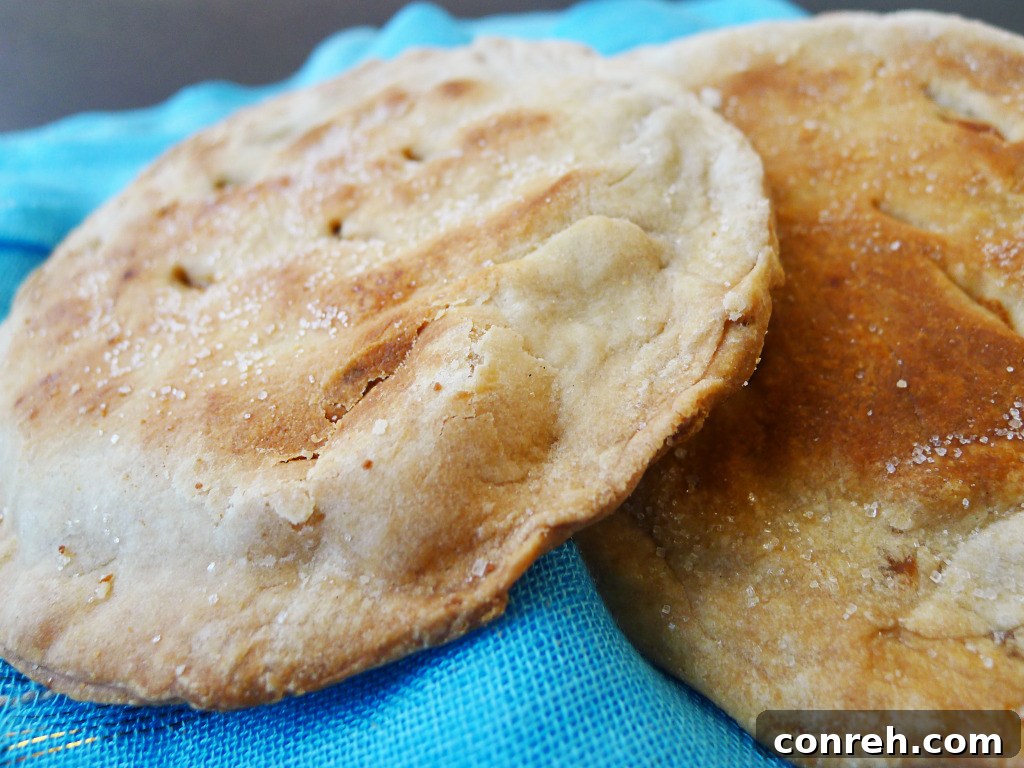
Coyotas: The Sweet Soul of Sonora – A Culinary Journey to Hermosillo
Imagine a culinary escape to the sun-drenched landscapes of Sonora, Mexico, where the air hums with vibrant culture and the aroma of traditional delights. My mind often wanders to Hermosillo, the state capital, and a particular craving takes hold: the heavenly turnovers known as Coyotas. These exquisite pastries are more than just a dessert; they are a bite-sized piece of Sonoran heritage, a testament to the region’s rich history and culinary artistry. With their delicate, flaky crust and melt-in-your-mouth fillings, Coyotas beckon travelers and food enthusiasts alike to experience their unique charm.
The Endearing History and Cultural Roots of Coyotas
The story of Coyotas begins in the quaint and historic district of Villa de Seris, a charming neighborhood nestled within Hermosillo, Sonora. It was here that these delightful creations first graced the tables of local restaurants, originally serving a distinctive role. Traditionally, these thin, round, flaky pastries, generously filled with crushed piloncillo, were not just a sweet treat but a customary accompaniment to a hearty carne asada dinner. They offered a perfect sweet counterpoint to the savory, smoky flavors of grilled meat, making them an integral part of the Sonoran dining experience. This initial pairing speaks volumes about the region’s culinary philosophy, where simplicity and robust flavors often intertwine.
Over time, the humble Coyota began its delicious evolution. What started as a complementary snack gradually transformed into a standalone dessert, capturing the hearts of those with a sweet tooth. While the classic piloncillo filling remains a cherished favorite, modern interpretations have embraced an exciting array of fruity fillings. Today, you can find Coyotas bursting with the flavors of dates, succulent pineapple, tangy quince paste, and crisp apples, each offering a delightful twist on the original. This adaptability showcases the pastry’s enduring appeal and its ability to evolve while retaining its authentic essence, making it a versatile staple in Mexican patisserie.
The Significance Behind the Name: A Mestizo Legacy
The name “Coyota” itself is imbued with cultural depth and historical significance. It is a mestizo term, gracefully translating to “daughter of Indigene and Spaniard.” This evocative phrase paints a vivid picture: “sweet, dark-skinned, and full of grace.” This definition beautifully encapsulates the hybrid nature of both the people and the cuisine of Mexico. It speaks to the harmonious blend of indigenous traditions and Spanish colonial influences that shaped the nation’s identity and its gastronomic landscape. In this sense, the Coyota is not merely a pastry; it is a culinary emblem of mestizaje, a sweet, modern empanada that symbolizes the exquisite fusion of cultures, flavors, and histories that define Sonora and beyond.
Understanding Piloncillo: The Heart of Traditional Coyotas
Central to the authentic flavor of Coyotas is piloncillo, a cornerstone ingredient in traditional Mexican confectionery. Piloncillo, also known as panela or rapadura, is unrefined whole cane sugar, typically sold in cones or blocks. Unlike granulated white sugar, piloncillo retains all the natural molasses, giving it a rich, complex flavor profile with notes of caramel, rum, and a subtle smokiness. This deep, earthy sweetness is what truly differentiates a traditional Coyota, offering a depth of flavor that cannot be replicated with processed sugars. Its raw, unadulterated character provides a comforting warmth that perfectly complements the flaky pastry, making each bite an authentic taste of Mexico.
The process of incorporating piloncillo into Coyotas is an art in itself. Whether dissolved to create a syrup or crushed into a fine powder, its preparation is crucial for achieving the desired texture and sweetness in the filling. The slight crystallization and chewiness it imparts when baked within the dough add another layer of sensory delight, contributing to the Coyota’s distinctive texture. This commitment to using traditional ingredients like piloncillo highlights the importance of preserving culinary heritage, ensuring that the flavors of Sonora remain true to their origins while satisfying contemporary palates.
Crafting Your Own Sonoran Delight: The Coyota Recipe
Bringing the magic of Hermosillo into your own kitchen is a rewarding experience, and making Coyotas from scratch is a journey of flavor and tradition. This recipe, adapted from the original, offers a step-by-step guide to creating these delectable pastries, ensuring you capture the authentic taste and texture that make them so beloved. Patience and a love for baking are your best ingredients, promising a batch of golden, flaky turnovers that will transport you straight to the heart of Sonora.
Ingredients:
- 2 pounds all-purpose flour (plus 5 tablespoons for filling mixture)
- 1 pound shortening (vegetable shortening is preferred for flakiness)
- 6 (8-ounce) cones of piloncillo (unrefined cane sugar)
- 2 tablespoons active dry yeast
- 1 cup warm water (approximately 105-115°F / 40-46°C)
- 2 large eggs, beaten (for brushing the tops)
- Optional: Granulated sugar for dusting (after baking)
Preparation Instructions:
Step 1: Prepare the Piloncillo for the Dough
In a small saucepan or microwave-safe bowl, combine 1 cup of warm water with 2 of the piloncillo cones. Heat gently, stirring occasionally, until the piloncillo is completely dissolved, forming a sweet syrup. Ensure the water isn’t too hot to kill the yeast later. Let this mixture cool to a lukewarm temperature, as extreme heat can deactivate the yeast. Set aside while you prepare other components.
Step 2: Prepare the Piloncillo Filling
Take the remaining 4 piloncillo cones. Using a grater, food processor, or a heavy mortar and pestle, crush or finely chop the piloncillo until it resembles coarse sugar or fine crumbs. This step is crucial for an even filling. Once crushed, transfer the piloncillo to a bowl and thoroughly mix in the 5 tablespoons of additional flour. The flour helps to absorb moisture during baking and prevents the piloncillo from becoming too liquid. Use your hands to ensure the mixture is well combined and free of large lumps. Set this sweet filling aside.
Step 3: Create the Dough Base
In a large mixing bowl, combine the 2 pounds of all-purpose flour. Add the shortening, cutting it into the flour with a pastry blender, your fingertips, or a fork until the mixture resembles coarse crumbs. This technique is essential for achieving the characteristic flaky texture of Coyotas. Next, sprinkle in the active dry yeast evenly over the flour mixture. Gradually pour in the lukewarm piloncillo water (from Step 1) into the dry ingredients. Mix everything together, either by hand or using a stand mixer with a dough hook, until a cohesive, soft dough forms. The dough should be pliable and slightly sticky but manageable. If the dough feels too dry, add a tiny bit more warm water, one tablespoon at a time, until the desired consistency is reached. Avoid adding too much water, as this can make the dough tough.
Step 4: Knead and Form the Dough Balls
Turn the dough out onto a lightly floured surface. Knead the dough by hand for about 5-7 minutes until it becomes smooth and elastic. Proper kneading develops the gluten, contributing to the Coyota’s tender yet structured crust. Once kneaded, divide the dough into 40 equal-sized portions. Rolling them into small, uniform balls will ensure your Coyotas are consistent in size and shape.
Step 5: Roll and Fill the Coyotas
Using a rolling pin, take each dough ball and roll it out into a thin, tortilla-like circle, approximately 4-5 inches in diameter. The thinner the dough, the flakier and more delicate your Coyotas will be. On 20 of these rolled-out dough circles, place about 1 ½ tablespoons of the piloncillo and flour filling in the center. Be careful not to overfill, as this can lead to leakage during baking. Take another rolled-out dough tortilla and carefully place it over the filled one, creating a sandwich. Gently press down around the edges to seal the filling inside. To secure the edges and give them a decorative finish, you can either crimp them with a fork or fold and pinch them inwards, much like sealing an empanada.
Step 6: Prepare for Baking
Preheat your oven to 350°F (175°C). Lightly grease a large baking sheet or line it with parchment paper to prevent sticking. Carefully transfer the sealed Coyotas onto the prepared baking sheet, leaving a little space between each one to allow for even baking.
Step 7: The Final Touches and Baking
Before baking, take a knife or a fork and gently poke a few small holes on the top surface of each Coyota. These holes allow steam to escape during baking, preventing the pastries from puffing up excessively and ensuring a crispier crust. In a small bowl, whisk the 2 beaten eggs. Using a pastry brush, lightly coat the top of each Coyota with the egg wash. This egg wash will give them a beautiful golden-brown color and a subtle sheen once baked. Place the baking sheet in the preheated oven and bake for approximately 15-20 minutes, or until the Coyotas are a lovely golden brown and appear flaky. Keep an eye on them, as oven temperatures can vary.
Step 8: Cool and Serve
Once baked to perfection, remove the Coyotas from the oven. If desired, you can lightly sprinkle them with a little granulated sugar while they are still warm for an extra touch of sweetness and sparkle. Let them cool slightly on a wire rack before serving. Coyotas are best enjoyed warm, perhaps with a cup of coffee, milk, or a traditional Mexican hot chocolate. This recipe yields approximately 20 delicious Coyotas, perfect for sharing with family and friends or savoring solo.
Serving Suggestions and Variations
While traditional Coyotas are a treat in themselves, their versatility allows for various serving suggestions and exciting variations. Enjoy them warm, fresh from the oven, allowing the piloncillo filling to be gooey and inviting. They pair wonderfully with a robust cup of morning coffee, a glass of cold milk, or as a delightful conclusion to any meal. For a truly authentic experience, serve them alongside a traditional Mexican hot chocolate, creating a perfect balance of rich, warm flavors.
Beyond the classic piloncillo, don’t hesitate to experiment with the fillings. As mentioned, date, pineapple, quince paste, and apple fillings are popular choices. You could also try guava paste, dulce de leche, or even a mix of nuts and cinnamon for a different twist. For an extra touch of decadence, dust the warm Coyotas with powdered sugar or a sprinkle of cinnamon sugar. These small additions can elevate the experience and cater to different preferences, making Coyotas a truly customizable delight.
The Enduring Allure of Hermosillo’s Sweet Treasure
Coyotas are more than just a regional pastry; they are a culinary icon that embodies the spirit and flavor of Sonora. From their humble beginnings in Villa de Seris to their current status as a beloved dessert, they tell a story of cultural fusion, innovation, and tradition. Each flaky bite offers a journey through history, a taste of authentic Mexican craftsmanship, and a sweet reminder of the warmth and hospitality of Hermosillo. Whether you dream of visiting Sonora or choose to recreate these magical treats in your own kitchen, Coyotas promise an unforgettable experience.
So, take a moment to savor the thought of these sweet, dark-skinned, and graceful turnovers. Let their aroma fill your home and their flavor transport you. Embracing the tradition of Coyotas is to embrace a piece of Mexico’s vibrant culinary soul. We encourage you to try this recipe, explore the diverse flavors of Sonora, and perhaps, one day, make that dream trip to Hermosillo to experience the authentic taste firsthand. Buen provecho!