This is part of a sponsored campaign with Latina Mom Bloggers and the United Soybean Board. However, all opinions expressed are my own.
Celebrating Heritage, Culture, and Culinary Traditions: A Family Journey Through Hispanic Heritage Month
From September 15th to October 15th, the United States joyously observes Hispanic Heritage Month, a vibrant period dedicated to honoring the profound contributions and rich cultural tapestry woven by Hispanic Americans into the fabric of our nation. These four weeks are more than just a date on the calendar; they represent an invaluable opportunity to reflect on the diverse heritage, innovative spirit, and enduring impact of Hispanic communities across every sector of American society.
For my family, this month serves as a pivotal time to reinforce the deep roots of our culture and instill a sense of pride and connection in my son. While cultural appreciation is an everyday part of his upbringing, Hispanic Heritage Month offers a heightened focus, allowing us to delve deeper into the richness of our traditions and underscore the critical importance of mastering the Spanish language in an increasingly globalized world. It’s a period of intentional learning and joyful discovery, transforming our home into a dynamic hub for cultural exploration.
Our celebration is a vibrant medley of engaging activities designed to make learning fun and memorable. We embark on geographical adventures, tracing the diverse landscapes and unique identities of Latin American countries on maps. We immerse ourselves in culinary explorations, recreating popular dishes from various regions, which allows us to taste history and tradition. And, of course, we continuously expand our Spanish vocabulary, ensuring the language remains a living, breathing part of our daily interactions. This immersive approach ensures that Hispanic Heritage Month is a non-stop educational and enriching experience for every member of our family.
The Heart of Our Home: Breakfast Conversations and Cultural Discoveries
Weekday mornings, particularly during breakfast, offer a precious window of calm and connection with my five-year-old son. It’s a time when distractions fade, and I have his undivided attention, making it the perfect setting for meaningful conversations. These quiet moments over a warm meal become our informal classroom, where we travel across continents, discussing the myriad of delightful dishes served throughout Latin America, sparking his curiosity about the world beyond our kitchen.
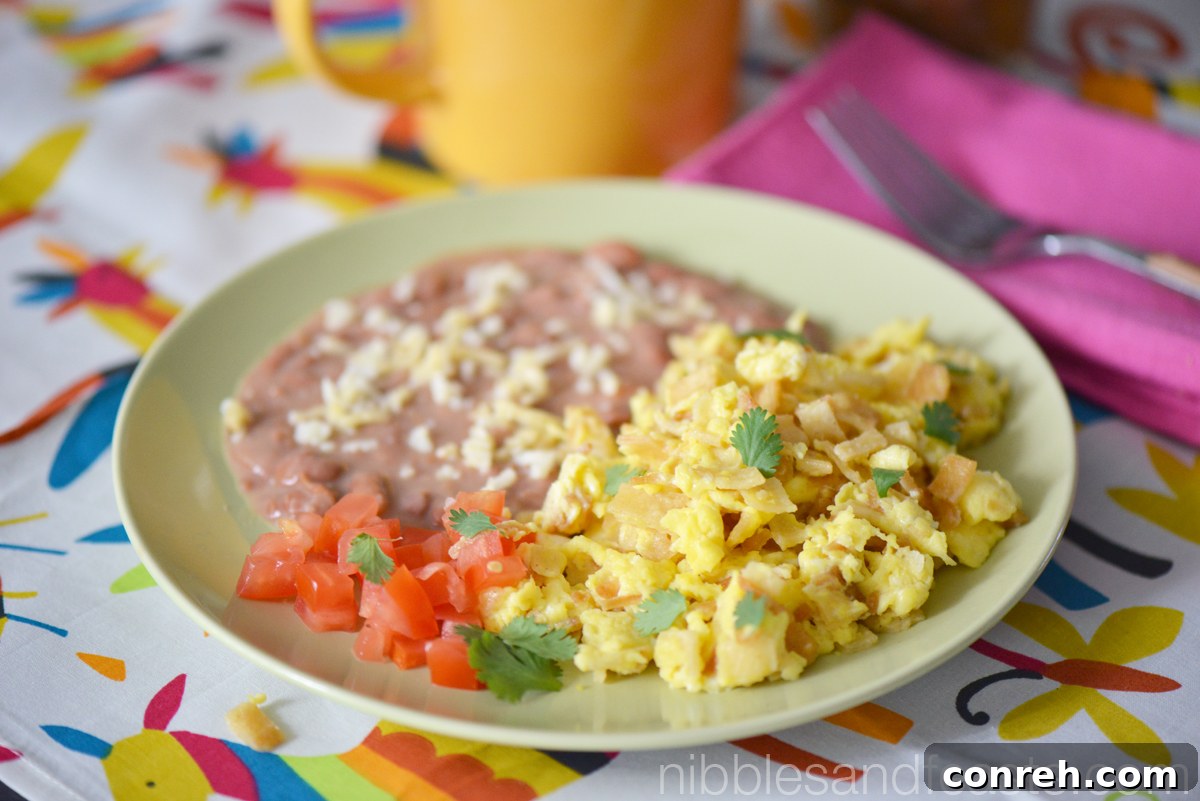
One particular dish that always brings a smile to his face, and often initiates these cultural dialogues, is migas. He adores the Tex-Mex version, a comforting concoction of fluffy scrambled eggs mixed with crispy corn tortilla strips, often a staple in our household. However, I make it a point to gently guide him beyond the familiar, explaining the fascinating regional variations of this seemingly simple dish. It’s an excellent way to show him how food, much like language, adapts and transforms across different cultures and geographies.
Migas: A Culinary Journey Through Regional Variations
The beauty of migas lies in its adaptability and its rich history, evolving from a humble peasant dish designed to use stale bread or tortillas into a beloved staple across various cultures. While my son enjoys his Tex-Mex style, I describe how traditional Mexican migas often present a more soupy consistency, typically prepared with day-old bolillos—a type of crusty bread—rather than tortillas. This distinction alone highlights how core ingredients can dramatically alter a dish’s character, reflecting local produce and culinary heritage.
Venturing further, we discuss European counterparts, such as the Spanish migas, which frequently feature stale bread soaked in water, then fried with garlic, olive oil, and often accompanied by savory additions like chorizo, pancetta, or even grapes, depending on the region. These are often hearty, rustic dishes, traditionally enjoyed by shepherds or laborers, showcasing resilience and resourcefulness in cooking. The Portuguese version, too, is a testament to this versatility, often being more elaborate, incorporating robust flavors from pork meat and a vibrant medley of vegetables, creating a richer, more complex profile than its Latin American cousins. Each variant tells a unique story about its origin, the people who created it, and the ingredients available to them, making migas a culinary ambassador for cultural diversity.
The Secret Ingredient: Embracing Soy Oil in Our Kitchen
Despite their diverse preparations and regional nuances, a common thread that elegantly binds all these delightful migas variations is the use of cooking oil. For our family-friendly version, and indeed for a vast array of our everyday cooking, I consistently choose soy oil. Its neutral flavor profile is a significant advantage in the kitchen. Unlike some oils that can overpower or subtly alter the natural taste of ingredients, soy oil allows the authentic flavors of the tortilla chips and eggs to truly shine, enhancing the overall deliciousness of our dish without imposing its own character.
Soy oil is not just a cooking staple for its neutral taste; it’s a truly remarkable and versatile ingredient. Much like other widely used vegetable oils, it seamlessly integrates into an incredibly broad spectrum of dishes, transcending culinary boundaries. From delicate baked goods and rich desserts to savory stir-fries, marinades, and, of course, the perfect migas, soy oil offers consistent performance and a light touch. Furthermore, it’s known for being a good source of omega-3 fatty acids, making it a health-conscious choice for families looking to incorporate beneficial fats into their diet without compromising on taste or cooking quality.
Beyond its culinary attributes, choosing soy oil also aligns with values of sustainability and supporting American agriculture. The soybeans that produce this oil are primarily grown by U.S. farmers, contributing to local economies and providing a reliable, homegrown resource for our kitchens. It’s an ingredient that brings both flavor and responsibility to our table.
To deepen your understanding of soy oil and to discover an inspiring collection of delicious and innovative recipes you can create with it, I highly recommend visiting SoyConnection.com. You can also connect with the community and find more culinary inspiration by following the United Soybean Board on Facebook at http://www.facebook.com/UnitedSoybeanBoard.
Recipe Spotlight: Our Family-Friendly Migas
Here’s how we prepare our simple, yet incredibly flavorful, family-friendly Migas – a perfect dish to celebrate Hispanic Heritage Month and enjoy any time of the year!
Migas
Serves 2
Ingredients
- 1 tablespoon soy oil
- 2 corn tortillas, chopped into 1/4-inch bits (these will crisp up beautifully)
- 4 large eggs
- 1/4 cup milk (any type will work, adding to the fluffiness of the eggs)
- Salt to taste (start with a pinch and adjust)
- Freshly ground black pepper to taste
- 1/3 cup Roma tomatoes, chopped (for a burst of freshness and color)
- 1 tablespoon fresh cilantro, finely chopped (for aromatic garnish)
Method
- Prepare the Tortilla Strips: In a large, non-stick skillet, heat the soy oil over medium heat. Once shimmering, add the chopped tortilla bits. Stir frequently with a wooden spoon or spatula until the pieces begin to brown and become delightfully crispy, which typically takes about 3 minutes. Keep an eye on them to prevent burning.
- Whisk the Egg Mixture: While the tortillas are crisping, crack the eggs into a small mixing bowl. Add the milk, salt, and pepper. Using a fork or a whisk, beat the mixture vigorously until the egg yolks and whites are thoroughly combined and slightly frothy. This ensures a uniform texture in your scrambled eggs.
- Combine and Cook: Once the tortilla bits are perfectly browned, pour the whisked egg mixture evenly over them in the skillet. Allow the eggs to set slightly for about 30 seconds without stirring. Then, using a silicone spatula, gently fold the eggs and tortilla bits together. Continue to fold and scramble until the eggs are cooked to your desired consistency – typically soft and fluffy, which takes approximately 3 minutes. Avoid overcooking to keep them tender.
- Serve and Garnish: Immediately transfer the warm migas to serving plates. For a complete and satisfying meal, serve alongside a hearty portion of refried beans and a sprinkle of shredded cheese. Garnish generously with the freshly chopped Roma tomatoes and a sprinkle of finely chopped fresh cilantro, adding both color and a burst of fresh flavor.
This recipe not only delivers a delicious meal but also opens up conversations about culinary traditions and the simple joy of cooking together. It’s a wonderful way to connect with culture, one bite at a time.
Beyond the Plate: Sustaining Cultural Identity
Our kitchen is more than just a place to prepare meals; it’s a classroom, a gathering space, and a cultural embassy. Through dishes like migas, and the stories we share around them, we reinforce the idea that culture is a living, breathing entity, constantly evolving but always rooted in tradition. Hispanic Heritage Month provides a structured time for these explorations, but the true goal is to integrate these lessons into the everyday rhythms of our family life, fostering a continuous appreciation for our heritage and the vibrant tapestry of global cultures.
Encouraging bilingualism, exploring diverse cuisines, and understanding the historical contributions of Hispanic Americans are not merely academic exercises; they are vital components of raising globally aware, empathetic, and culturally rich individuals. Food, in particular, serves as a powerful, accessible, and delicious medium through which these profound lessons can be absorbed and cherished by children of all ages.
We invite you to explore the myriad ways you can celebrate Hispanic Heritage Month, whether it’s through cooking, music, art, or language. Every effort to connect with and celebrate culture enriches not only our families but also the broader community.
This is part of a sponsored campaign with Latina Mom Bloggers and the United Soybean Board. However, all opinions expressed are my own.