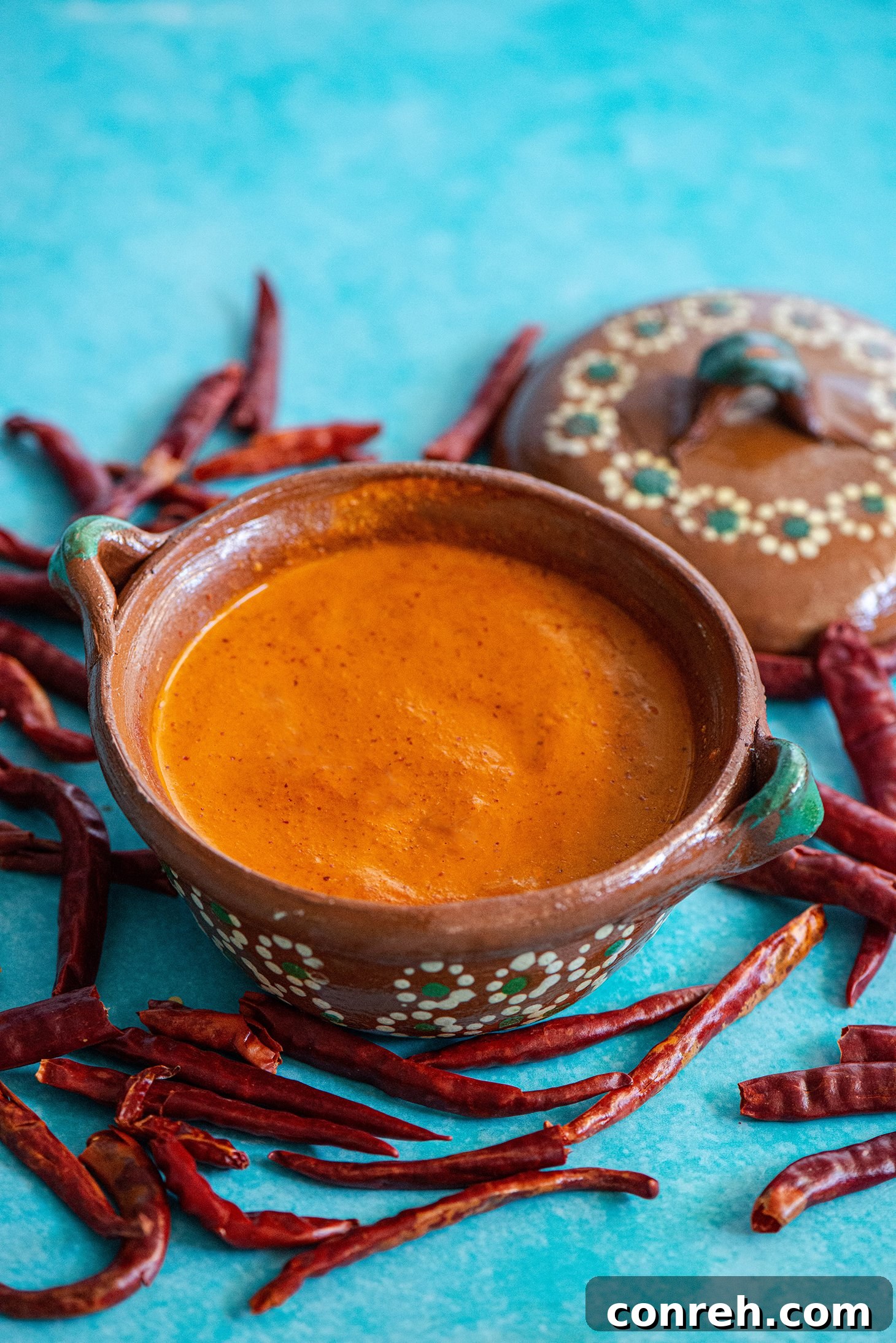
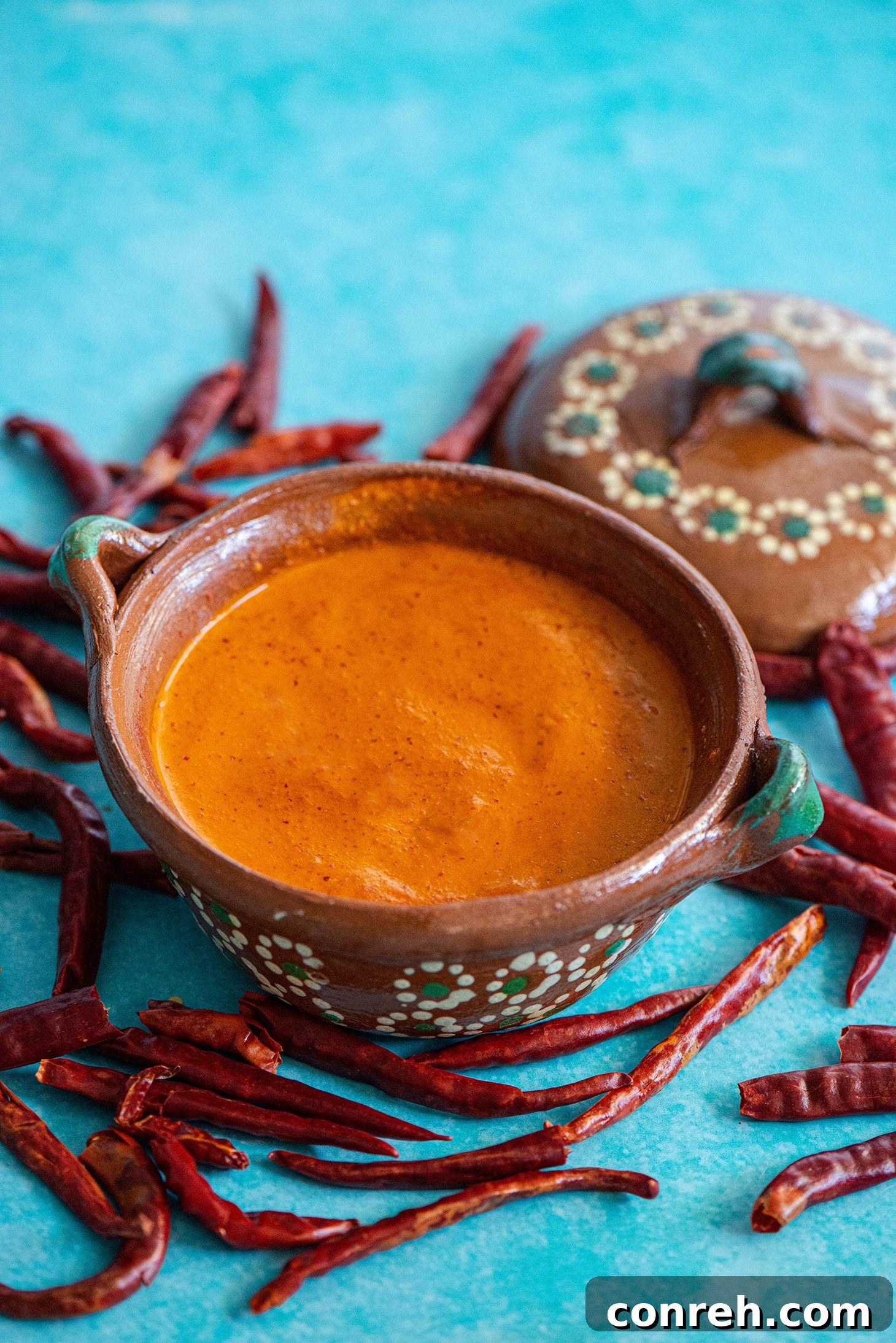
Unleash the Heat: Mastering Authentic Chile de Árbol Salsa for a Culinary Adventure
In the vibrant world of Mexican cuisine, few condiments command as much respect and adoration as a perfectly crafted salsa. Among the countless varieties, **Salsa de Chile de Árbol** stands out as a true icon—a fiery, flavorful powerhouse that elevates any dish it touches. This isn’t just a sauce; it’s a testament to the power of simplicity, proving that with just a handful of quality ingredients and a swift preparation, you can unlock an extraordinary depth of flavor and a kick that truly awakens the palate.
Imagine starting your day with a drizzle of this smoky, pungent elixir over scrambled eggs, transforming a humble breakfast into an unforgettable culinary experience. Or picture a comforting bowl of white pozole, instantly vibrant with a ruby-red hue and an exhilarating spicy warmth. This salsa isn’t for the faint of heart; its robust heat demands attention, but its intricate notes of earthy smokiness and piquant garlic ensure a balanced burn that leaves you craving more. Quick to prepare and easy to store, it promises to turn everyday meals into remarkable feasts.
Related Recipe: Queso Fresco and Watercress Salsa
The Enduring Legacy of Chile de Árbol in Mexican Gastronomy
The **chile de árbol** is more than just a pepper; it’s a cultural cornerstone deeply woven into the fabric of Mexican households and culinary traditions. Its name, literally “tree chile,” hints at the plant’s woody stems and tree-like growth habit, a distinctive feature that sets it apart. While beloved across Mexico, its prominence is particularly strong in the central-western states of Jalisco and Michoacán, where it’s a staple in countless kitchens and street food stalls.
With a Scoville Heat Unit (SHU) rating ranging from 15,000 to 30,000, the chile de árbol offers a significant, yet approachable, level of heat. To put this into perspective, it’s considerably spicier than the common jalapeño (2,500-8,000 SHU) but generally milder than the intense habanero (100,000-350,000 SHU). This balanced heat profile is precisely why it’s so versatile and celebrated, providing a lingering warmth without overwhelming the other flavors in a dish. Its clean, sharp spiciness, combined with subtle nutty and smoky undertones when dried and toasted, makes it ideal for a potent, vibrant salsa.
Historically, dried chiles have been the backbone of many traditional Mexican salsas, stews, and marinades. The process of drying concentrates their flavors, adding an unparalleled depth that fresh chiles simply cannot replicate. For chile de árbol salsa, these dried chiles are typically lightly fried or toasted to intensify their smoky notes, then rehydrated before being blended with fresh garlic and salt. This simple, time-honored technique transforms a few humble ingredients into a condiment of profound taste and character, a staple found gracing tables at taquerías, accompanying grilled meats, enhancing tacos de barbacoa, and adding zest to tortas nationwide. Its consistent presence highlights its integral role in Mexican culinary identity.
Crafting the Perfect Chile de Árbol Salsa: A Guide to Authentic Flavor
Creating an exceptional salsa de chile de árbol relies on understanding the nuances of a few key steps. While the recipe is deceptively simple, mastering these techniques ensures a superior outcome, rich with the desired smoky heat and robust flavor.
Choosing Your Ingredients Wisely
The foundation of any great salsa lies in its ingredients. For chile de árbol salsa, quality is paramount even with a short list:
- Chile de Árbol: Look for dried chiles that are still somewhat pliable, bright red, and free from excessive dust or discoloration. A fresh aroma is also a good indicator. Avoid brittle or pale chiles, as they may be stale and lack flavor.
- Oil: Vegetable oil is commonly used for its neutral flavor, allowing the chiles to shine. You can also experiment with a light olive oil or avocado oil for a slightly different undertone.
- Garlic: Fresh garlic cloves are non-negotiable. Their pungent notes perfectly complement the chile’s heat.
- Salt: Essential for balancing and enhancing all the flavors. Use sea salt or kosher salt, adjusting to your preference.
- Water: Crucial for rehydrating the chiles and achieving the desired salsa consistency.
The Art of Frying and Hydrating
The initial treatment of the chiles is perhaps the most critical step, dictating the salsa’s final flavor profile:
- Lightly Fry the Chiles: Heat ¼ cup of vegetable oil in a medium skillet over medium heat. Once shimmering, add ¾ cup of dried chile de árbol. Stir rapidly and continuously for approximately 2 minutes. The goal is to lightly toast the chiles, awakening their smoky, nutty flavors. Be extremely careful not to burn them; burnt chiles will impart a bitter, acrid taste to your salsa, ruining its delicate balance. They should turn a slightly darker, vibrant red and become fragrant. If they start to turn black, remove them immediately.
- Hydrate for Smoothness: Reduce the heat to low. Carefully add ¾ cup of water to the skillet, taking care as it will sizzle vigorously. Cover the skillet with a lid and allow the chiles to simmer gently for about 5 minutes. This simmering process allows the chiles to fully rehydrate and soften, making them easier to blend into a smooth consistency and ensuring their flavors are fully released into the liquid.
Blending and Seasoning for Perfection
- Blend to Desired Consistency: Carefully transfer the rehydrated chiles along with all the cooking liquid from the skillet into a blender. Add 2 fresh garlic cloves and ½ teaspoon of salt. Blend on high speed until the mixture is smooth and uniform. If the salsa appears too thick for your liking, add water a teaspoon at a time, blending after each addition, until you achieve your preferred consistency. Some prefer a thinner, pourable salsa, while others enjoy a slightly thicker, spoonable texture.
- Taste and Adjust: Once blended, taste the salsa and adjust the salt as needed. Remember, proper seasoning can significantly enhance the overall flavor. Transfer the finished salsa to a serving bowl.
Elevating Your Salsa: Creative Variations and Customization
While the basic version of chile de árbol salsa is profoundly delicious, its beauty also lies in its adaptability. You can easily modify this recipe to add complexity, temper the heat, or simply tailor it to your personal taste and the dish it will accompany.
- Mild it Down for Broader Appeal: To soften the intense heat and introduce a lovely fruity depth, consider adding 1–2 dried guajillo chiles during the frying and rehydration step. Guajillos are much milder (2,500-5,000 SHU) and offer a sweet, tangy, and slightly smoky flavor that beautifully complements the árbol. For an even gentler approach, remove some of the seeds from the árbol chiles before frying, as the seeds and veins contain the highest concentration of capsaicin.
- A Tangy Twist for Brightness: Incorporate 1–2 tablespoons of white vinegar or a generous splash of fresh lime juice into the blender. The acidity brightens the salsa, cutting through the richness and heat, adding a refreshing zing that can make the flavors pop. This is especially good for balancing very rich or fatty dishes.
- Roasted Garlic for Mellow Depth: Instead of raw garlic, use 2-3 cloves of roasted garlic. Roasting garlic transforms its pungent bite into a sweet, caramelized, and mellow flavor that adds incredible depth and complexity to the salsa without the raw garlic’s sharpness.
- Tomato or Tomatillo Base for Body: For a smoother, silkier texture and a slightly sweeter or tangier profile, blend in one small roasted tomato or 2-3 roasted tomatillos. Roasting them beforehand concentrates their natural sugars and flavors. This variation creates a salsa with more body, often preferred for topping tacos or enchiladas.
- Smoky Notes and Earthy Aromas: To enhance the smoky character, add a pinch of ground cumin or a tiny amount of Mexican oregano to the blender. You can also toast a few extra árbol chiles until they are almost dark but not burnt, then blend them in for an even deeper, more pronounced smoky essence. A touch of smoked paprika can also achieve this if you don’t want to over-toast the chiles.
- Less Oily Version: If you prefer a lighter salsa, you can significantly reduce the amount of oil used. Instead of ¼ cup, use just 1-2 tablespoons to lightly toast the chiles. The oil helps extract and carry flavors, but a minimal amount is sufficient if you’re aiming for a less rich consistency.
These adaptations allow you to truly personalize your chile de árbol salsa, ensuring it perfectly matches your dish—or your heat tolerance and flavor preference.
Mastering Storage and Preservation
One of the many advantages of homemade salsa de chile de árbol is its excellent shelf life, allowing you to prepare it in advance and enjoy its bold flavors whenever inspiration strikes.
- Refrigeration: Store your freshly made salsa in a clean, airtight glass jar with a tight-fitting lid. When refrigerated properly, this salsa will maintain its vibrant flavor and heat for up to **10 days**. Always ensure the lid is sealed tightly to prevent air exposure, which can diminish freshness.
- Freezing for Long-Term Enjoyment: For extended storage, chile de árbol salsa freezes beautifully. The best method is to portion it into an ice cube tray. Once completely frozen, transfer the solid salsa cubes into a freezer-safe bag or container. This allows you to thaw only the amount you need, minimizing waste and ensuring freshness. Frozen salsa can last for **up to 3-4 months** without significant loss of quality.
- Thawing and Serving Tips: When ready to use frozen salsa, transfer the desired amount to the refrigerator overnight or use the defrost setting on your microwave. Before serving refrigerated salsa, it’s beneficial to let it sit at room temperature for about 15 minutes. This slight warming allows the flavors to “wake up” and become more pronounced. A quick stir before serving will also help recombine any separated ingredients and ensure a consistent texture.
Beyond the Bowl: Unleashing the Versatility of Chile de Árbol Salsa
The potent and complex flavor of chile de árbol salsa makes it an incredibly versatile condiment. There’s almost no wrong way to incorporate it into your cooking, but here are some favorite suggestions to inspire your culinary creativity:
- Breakfast Booster: Transform your morning meal by drizzling this fiery salsa over scrambled eggs, fried eggs, or huevos rancheros. It’s also fantastic slathered inside breakfast burritos, adding a spicy kick to your morning routine.
- Pozole Rojo “Hack”: This is a game-changer! Instantly convert a simple white chicken pozole into a rich, flavorful pozole rojo by stirring in a generous spoonful of chile de árbol salsa. It provides the characteristic red color and a burst of spicy, earthy flavor without the need for simmering a separate red chile broth.
- Taco Transformation: A must-have for any taco night. Spoon it generously over tacos de carne asada, carnitas, al pastor, or grilled veggies. Its intense flavor cuts through rich meats and complements fresh toppings beautifully.
- Tostada Topping: Spread a thin layer of refried beans onto a crispy tostada, add some crumbled queso fresco, and then finish with a daring dollop of chile de árbol salsa for a simple yet explosive snack or light meal.
- Dangerously Delicious Dip: While exceptionally hot, it makes an addictive dip for totopos (tortilla chips). Proceed with caution, as a little goes a long way, but the combination of crisp chips and spicy salsa is undeniably satisfying.
- Marinades and Rubs: Blend it into marinades for chicken, pork, or beef to infuse a deep, spicy flavor before grilling or roasting. It also works wonderfully as a component in dry rubs for a smoky, fiery crust.
- Soups and Stews: Stir a tablespoon or two into your favorite chili, lentil soup, or black bean soup to add an instant layer of heat and Mexican-inspired flavor.
- Garnish for Grilled Foods: It’s the perfect accompaniment to almost any grilled dish, from fish to vegetables, adding a vibrant finish and a burst of flavor.
Frequently Asked Questions About Chile de Árbol Salsa
Yes, it is generally considered a hot salsa. With a Scoville rating of 15,000–30,000 SHU, it offers a noticeable and lingering heat. However, you can manage the spiciness by removing some of the seeds before blending, as the seeds and internal membranes contain the most capsaicin. Mixing in a milder chile like guajillo also helps to mellow the heat while adding complexity.
Absolutely. While oil helps to extract and carry the flavors of the chiles, you can reduce the amount. Instead of ¼ cup, use just 1–2 tablespoons of oil to lightly toast the chiles. The salsa will still be flavorful but with a lighter texture.
While chile de árbol offers a unique flavor profile, if you’re in a pinch, dried cayenne chiles or even dried Thai bird’s eye chiles can be used as a substitute for heat. Be aware that the flavor profile will differ, as these chiles have their own distinct characteristics.
For this specific salsa, dried chiles are essential. The drying process concentrates their heat and develops complex smoky and earthy notes that are crucial to the authentic flavor of chile de árbol salsa. Fresh chiles would yield a completely different, brighter, and often less nuanced result.
If your salsa turns out too spicy, you can blend in a small roasted tomato, a bit of white vinegar, or even a teaspoon of sugar to help balance the heat. Serving the salsa alongside cooling ingredients like Mexican crema, sour cream, avocado, or fresh cheese (like queso fresco) will also help to mellow the spice on your palate.
Yes, this traditional chile de árbol salsa recipe contains no animal products or gluten, making it naturally suitable for vegan, vegetarian, and gluten-free diets. It’s a versatile condiment that fits a wide range of dietary preferences.
You will need a medium-sized skillet or frying pan for toasting and hydrating the chiles, and a blender (a standard kitchen blender or immersion blender works) to achieve a smooth consistency.
When working with hot chiles like chile de árbol, it’s recommended to wear gloves to protect your hands from capsaicin, the compound that causes heat. Avoid touching your eyes or face after handling chiles. Ensure good ventilation in your kitchen, as the fumes from frying chiles can be irritating. Always wash your hands thoroughly with soap and water after preparation.
Chile de Arbol Salsa Recipe
Chile de Arbol Salsa
- Author: Ericka Sanchez
- Prep Time: 10 minutes
- Cook Time: 10 minutes
- Total Time: 20 minutes
- Yield: makes 1 1/3 cups
Description
This chile de arbol salsa is perfectly spicy and incredibly versatile. A little goes a long way because it truly packs a punch. Ideal for giving scrambled eggs a serious kick or transforming your white chicken pozole into a rich, spicy red version.
Ingredients
- ¼ cup vegetable oil
- ¾ cup dried arbol chiles
- 2 garlic cloves
- ½ teaspoon salt (or to taste)
Instructions
- Heat oil in a medium skillet over medium heat. Add arbol chiles and stir. Lightly fry for 2 minutes, stirring rapidly. Be careful not to burn them, as this will result in a bitter taste.
- Reduce heat to low, add 3/4 cup water, and cover to hydrate the chiles. Simmer gently for 5 minutes until softened.
- Transfer the chiles with their liquid to a blender. Add garlic cloves and salt. Blend until completely smooth. If the salsa is too thick, add water a teaspoon at a time until your desired consistency is reached.
- Transfer the finished salsa to a serving bowl and serve immediately, or store as directed.
Final Thoughts: Embrace the Fiery Flavor
Chile de árbol salsa is more than just a condiment; it’s a celebration of robust flavor, exhilarating heat, and a rich culinary heritage. It embodies the essence of Mexican cooking: taking simple, high-quality ingredients and transforming them into something truly unforgettable. This rustic, traditional salsa is precisely what you need when your meal calls for a bold burst of character and an undeniable kick.
Whether you’re aiming to invigorate your breakfast, give your pozole a fiery, traditional twist, or simply add a touch of authentic Mexican spice to any dish, this salsa delivers. Its intense flavor and lasting warmth will quickly make it a favorite in your kitchen.
So, the next time you find yourself yearning for a dynamic infusion of flavor and heat, reach for this classic red salsa. Just remember the golden rule: a little goes a long way. Use it wisely, and let the chile de árbol salsa transport your taste buds straight to the heart of Mexico.