Celebrating Mexican Christmas: A Journey Through Rich Traditions and Festive Flavors
The Christmas season in Mexico is a tapestry woven with vibrant colors, deep-rooted traditions, and an abundance of festive flavors that delight the senses. Far more than just a single day of celebration, Mexican Christmas, known as Navidad, unfolds into a joyous period stretching from early December through January. At its heart lies the magical night of December 24th, Nochebuena, or Christmas Eve, a time when families gather closely to honor age-old customs and create new cherished memories.
On Nochebuena, the air crackles with anticipation and the comforting aromas of traditional Mexican food fill every home. It’s a day often spent preparing culinary delights, most notably the beloved tamales and rich, frothy champurrado. These dishes are not merely food; they are an integral part of the celebration, often prepared collectively by family members, passing down recipes and techniques through generations. As the clock inches closer to midnight, the excitement builds, culminating in the eagerly awaited moment when gifts are exchanged and opened, typically just after the stroke of midnight on December 25th, marking the official start of Christmas Day. This timing imbues the gift-giving with a special sense of magic and wonder, as families celebrate the birth of Jesus and the dawn of Christmas morning.
Beyond the delicious feast and gift-giving, a profound spiritual reverence underpins Mexican Christmas traditions. Families often gather to pray and admire their meticulously crafted Nacimientos, or nativity scenes. These aren’t just simple decorations; they are often elaborate works of art, painstakingly assembled over years and even generations, with each precious religious figure and piece holding significant sentimental value. The arrangement of the nativity scene is a ritual in itself, a moment of quiet reflection and shared spirituality that brings families closer. It tells the story of the Nativity, often incorporating elements unique to Mexican culture. Adding to the unique sensory experience is the distinct, earthy yet pleasantly humid scent of the *gobernadora* plant, an aroma that many Mexicans associate intimately with the Christmas season, evoking a deep sense of home and holiday spirit, a true “smell of Christmas.”
Las Posadas: A Nine-Day Journey of Faith and Community
A significant prelude to Nochebuena and an essential part of the Mexican Christmas celebration are the nine days of Las Posadas. Beginning on December 16th and continuing until December 24th, these novenas, as they are often called, symbolically represent each month of Mary’s pregnancy with Jesus. This beautiful tradition is a reenactment of Mary and Joseph’s pilgrimage to Bethlehem, seeking shelter, and it embodies the spirit of hospitality and community that is so central to Mexican culture during the holidays.
Each evening, a different home in the community takes on the role of hosting a Posada. Participants, often children dressed as angels or shepherds, and adults carrying figures of Mary and Joseph, form a procession. They sing traditional carols and hymns, going from door to door, symbolizing Mary and Joseph’s search for lodging. The group outside sings a plea for shelter, while those inside the host home sing a refusal, until finally, they are recognized and welcomed in. This dramatic reenactment is a heartwarming spectacle that draws neighbors together, fostering a strong sense of community and shared faith, making it a truly unique Mexican Christmas tradition.
Once inside the designated home, the celebrations truly begin. Families and friends gather to pray the rosary, offering gratitude and reflection. This spiritual moment is followed by a vibrant fiesta, filled with laughter, singing of traditional Christmas carols, and, of course, delicious food and drinks. For the children, a highlight of any Posada is the breaking of the piñata. Often shaped like a star with seven points (representing the seven deadly sins) or other festive figures, these colorful clay pots (or papier-mâché creations over a clay pot) are filled with an assortment of fruits and candies. Blindfolded children take turns trying to break the piñata with a stick, amidst cheers and encouragement, eagerly awaiting the shower of treats that rain down.
Following the piñata fun, children are often given a “bolo,” a small bag or package filled with an assortment of peanuts, oranges, and special colorful candies known as dulces de colación. These unique candies, often hard-shelled with a peanut or orange peel filling, are not just treats; they also serve as a sweet reward given to those who “kiss” or “adore” the Baby Jesus figure once it has been placed in the manger of the nativity scene. The entire Posada experience is a beautiful blend of solemn reverence, joyful celebration, and communal bonding, enriching the Mexican Christmas spirit with unforgettable moments for all ages.
Ensalada Nochebuena: The Vibrant Jewel of the Christmas Eve Table
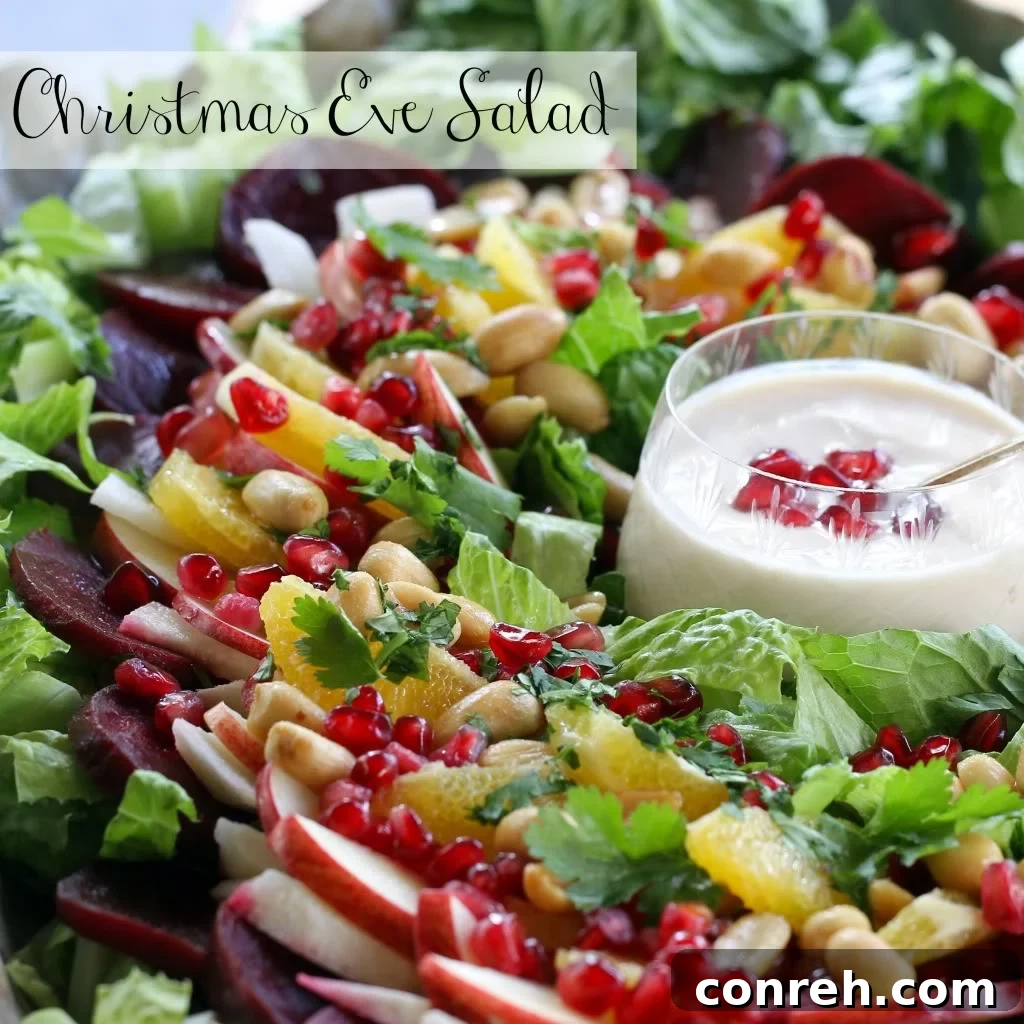
No Mexican Christmas Eve feast would be complete without the radiant presence of Ensalada Nochebuena, or Christmas Eve Salad. This vibrant dish plays an intrinsic part in the traditional holiday spread, embodying both the beauty and the spirit of the season. Its name, “Nochebuena,” translates directly to Christmas Eve, and also refers to the poinsettia flower, or “Flor de Pascua,” which blooms brilliantly during this time of year. The salad itself mirrors the stunning beauty and rich colors of this iconic Christmas plant, making it a feast for both the eyes and the palate and a symbol of festive abundance.
The Ensalada Nochebuena is typically arranged in a beautiful circular pattern, reminiscent of a festive wreath or a blooming flower. This artful presentation, often accentuated by the gleaming, ruby-red arils of pomegranate seeds, which sparkle like jewels on a crown, transforms a simple salad into a centerpiece. The combination of ingredients creates a symphony of flavors and textures: it’s simultaneously sweet, savory, and wonderfully crunchy. Each bite offers a refreshing contrast, making it a perfect accompaniment to the richer, heartier dishes often served during the holiday season. This salad is not just a dish; it’s a celebration of color, flavor, and tradition, eagerly anticipated by everyone gathered around the Christmas Eve table, bringing freshness and brightness to the festive meal.
Recipe: Ensalada Nochebuena (Christmas Eve Salad)
Bringing the vibrant flavors of a Mexican Christmas to your table is easier than you might think with this traditional Ensalada Nochebuena recipe. This refreshing salad is a beautiful and delicious way to celebrate the holiday season, offering a perfect balance of sweet, tangy, and earthy notes. It’s not only a feast for the eyes, with its poinsettia-like arrangement, but also a delightful culinary experience that will impress your guests and complement any festive meal. This particular recipe has been thoughtfully crafted for Nestlé Kitchens, ensuring a perfect blend of flavors and ease of preparation. Whether you’re hosting a grand Christmas Eve dinner or simply wish to enjoy a taste of authentic Mexican holiday cuisine, this Ensalada Nochebuena is sure to become a cherished part of your festive repertoire. (Photo courtesy of Nestlé Kitchens).
Ensalada Nochebuena
Yields: 10 servings
Ingredients For the Sweet Cream Dressing:
- 1 cup NESTLÉ® Media Crema (a rich, unsweetened Mexican cream that provides a luscious base)
- 3 tablespoons fresh orange or lime juice (freshly squeezed juice will offer the best flavor profile, enhancing the dressing’s brightness and tang)
- 2 tablespoons granulated sugar, or to taste (adjust sugar content based on your preference for sweetness, starting with less and adding more if desired)
Ingredients for the Salad:
- 1 head romaine lettuce, thoroughly washed and chopped into large, bite-sized pieces (providing a crisp, refreshing green foundation)
- 4 medium beets, cooked until tender, peeled, and thinly sliced (this should yield approximately 4 cups of sliced beets, offering vibrant color and earthy sweetness)
- ½ large jicama, peeled and cut into ¼-inch slices (jicama offers a unique crisp, watery texture and a slightly sweet, nutty flavor that is incredibly refreshing)
- 2 red apples, thinly sliced (choose crisp, sweet varieties like Fuji or Honeycrisp for best results, contributing sweetness and crunch)
- 3 oranges, peeled and segmented into supremes (removing pith and membrane for a cleaner taste and texture) or 3 cups of canned or fresh mandarin orange segments (fresh segments provide a more vibrant citrus burst and beautiful presentation)
- ¾ cup pomegranate seeds (arils), for garnish and added crunch (their jewel-like appearance and tart burst are indispensable)
- ½ cup toasted peanuts, coarsely chopped (toasting enhances their flavor and adds a satisfying crunch, complementing the other textures)
- 1 tablespoon fresh cilantro, finely chopped, for a fresh herbal note (a sprinkle of cilantro brightens the overall flavor profile)
Instructions For the Sweet Cream Dressing:
- In a small mixing bowl, combine the NESTLÉ® Media Crema, fresh orange or lime juice, and granulated sugar.
- Whisk thoroughly until all ingredients are well combined and the sugar has dissolved. Ensure the dressing is smooth and creamy. Taste and adjust sweetness or tartness as desired by adding a pinch more sugar or a squeeze of juice. Set aside or refrigerate until ready to serve. This dressing can be prepared a few hours in advance to allow flavors to meld, but whisk again before serving.
Instructions For the Salad Assembly:
- Prepare the Base: Begin by washing the romaine lettuce leaves thoroughly under cold water. Pat them dry with paper towels or use a salad spinner to remove excess moisture. Chop them into large, manageable pieces. Arrange these lettuce pieces in an attractive circular pattern on the bottom of a large, shallow serving platter or a wide salad bowl. This forms the vibrant green base of your “wreath.”
- Layer the Vegetables and Fruits: Carefully arrange the cooked and thinly sliced beets over the lettuce, creating another colorful ring. Ensure an even distribution for visual appeal and balanced flavor. Follow this with a layer of thinly sliced jicama, ensuring an even spread for texture in every bite.
- Add the Sweetness: Next, gently place the thinly sliced red apples over the jicama, creating another layer of contrasting color and flavor. To prevent the apple slices and jicama from oxidizing and turning brown, you may lightly coat them with a splash of orange juice or lemon juice immediately after slicing. This simple step preserves their fresh appearance.
- Incorporate Citrus: Artfully arrange the bright orange segments (supremes or mandarin segments) over the other ingredients. The sweet and tangy citrus notes will cut through the richness of the cream dressing and add a refreshing zest, making each forkful a delight.
- Garnish and Finish: Generously sprinkle the vibrant pomegranate seeds over the entire salad. Their jewel-like appearance and burst of tartness are essential to the salad’s aesthetic and flavor profile. Follow with the toasted peanuts, adding a delightful crunch and nutty flavor that complements the sweetness of the fruit. Finally, scatter the finely chopped fresh cilantro for a final flourish of color and herbaceous aroma, tying all the flavors together.
- Serve: Present the beautifully arranged Ensalada Nochebuena immediately to your guests. Serve the sweet cream dressing on the side in a small pitcher or bowl, allowing individuals to add as much or as little as they prefer, ensuring each serving is perfectly dressed to individual taste. This also helps keep the salad fresh and crisp until served.
Chef’s Note: As mentioned in the assembly steps, thinly sliced apples and jicama can be lightly brushed or tossed with a small amount of orange or lemon juice immediately after cutting. This simple yet effective trick prevents them from browning, preserving the fresh, vibrant appearance of your spectacular Christmas Eve Salad for longer, ensuring it looks as good as it tastes throughout your celebration.
This Ensalada Nochebuena is more than just a dish; it’s an experience, a delightful fusion of tradition, flavor, and visual appeal, perfectly capturing the festive spirit of a Mexican Christmas. Enjoy preparing and sharing this wonderful recipe with your loved ones during your holiday celebrations, and savor a true taste of Mexican heritage!