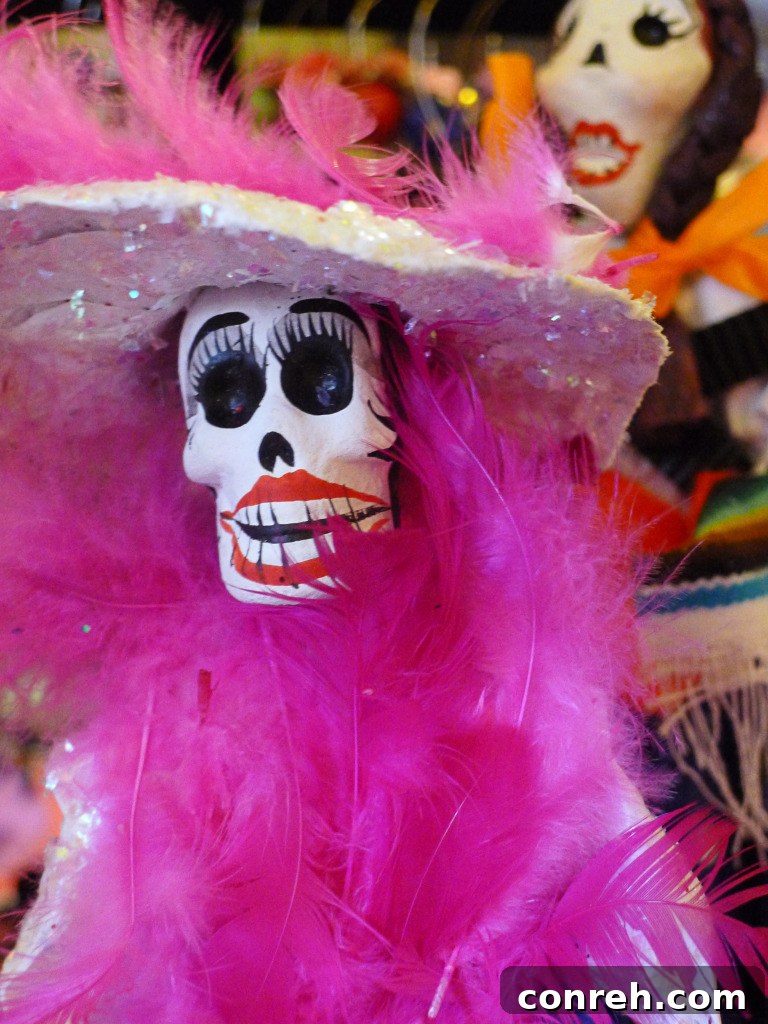
Dia de Muertos: A Vibrant Celebration of Life, Memory, and Mexican Heritage
Dia de Muertos, universally known as the Day of the Dead, stands as one of the most profoundly symbolic and beautifully intricate holidays rooted in Mexican culture. Far from being a somber occasion, it is a truly vibrant, joyful, and deeply spiritual celebration dedicated to honoring and remembering loved ones who have passed away. This unique observance transcends mere mourning, embracing the cycle of life and death with warmth, humor, and reverence, fostering a strong connection between the living and the departed.
Over the years, I have been incredibly fortunate to experience the powerful embrace of Dia de Muertos in its most authentic settings, from the culturally rich heartlands of Oaxaca, Mexico, to the dynamic, multicultural tapestry of Los Angeles. These firsthand encounters have not only deepened my appreciation but also expanded my understanding of this extraordinary tradition, which principally unfolds on November 1st (traditionally known as All Saints’ Day, dedicated to departed children or ‘angelitos’) and November 2nd (All Souls’ Day, honoring adults).
The Sacred Heartbeat: Ofrendas and Altars
At the very core of Dia de Muertos lies the meticulous creation of ofrendas, or altars. These are much more than mere decorative displays; they are sacred spaces, lovingly and painstakingly constructed to welcome the spirits of the deceased back to their earthly homes for a brief, yet deeply meaningful, reunion with their families. Every single element placed upon the altar is imbued with profound symbolism, contributing to a truly breathtaking and emotionally resonant tribute to those who have passed on.
Key Symbolic Elements that Adorn an Ofrenda:
- Zempasuchil (Mexican Marigolds): These brilliant orange and yellow flowers are arguably the most iconic visual symbol of Dia de Muertos. Their striking vibrant color and distinctly strong, sweet fragrance are believed to serve as a luminous path, guiding spirits from the cemetery directly to their family altars, ensuring they find their way home.
- Candles: Illuminating the path for the returning souls, candles represent divine light, unwavering faith, and enduring hope. Each flickering flame often signifies a specific departed loved one, with an additional candle sometimes lit for any forgotten soul, ensuring no one is left out.
- Photographs: Placed prominently at the center of the altar, photographs of the honored deceased serve a crucial purpose: they ensure the altar is intensely personal and that the specific spirits know exactly where to return.
- Food and Drink: A lavish and tempting spread of the departed’s favorite foods and beverages is perhaps the most crucial offering. This culinary tribute can range from traditional Mexican delicacies like mole, tamales, or fresh fruit, to specific snacks, soft drinks, or even alcoholic spirits such as tequila or mezcal that the loved one cherished during their lifetime. These offerings are thoughtfully provided to nourish the weary spirits after their long journey back.
- Pan de Muerto (Bread of the Dead): This sweet, soft, and delicately flavored bread is an absolute staple of the Dia de Muertos celebrations. Often shaped with decorative “bones” or a tear-drop design atop a central sphere, it profoundly symbolizes the deceased and the enduring sweetness of life itself. Regional variations abound, but its presence on the altar is nearly universal.
- Calaveras de Azúcar (Sugar Skulls): Far from being morbid, these whimsical, colorful, and often intricately decorated sugar skulls represent the joyous acceptance of death as an integral and natural part of the life cycle. They are frequently adorned with sparkling glitter, vibrant icing, and the names of the deceased (and sometimes even living friends, in a playful, life-affirming gesture).
- Water and Salt: A simple glass of water is offered to quench the thirst of the traveling spirits, while a small pile of salt represents purification and the continuation of life.
- Copal Incense: The aromatic smoke produced by burning copal, a resin used in Mesoamerican rituals since ancient times, is believed to purify the space, ward off negative energies, and carry prayers and petitions directly to the heavens.
- Papel Picado: These delicately cut tissue paper banners, crafted in various vibrant colors, symbolize the fragility of life and the beautiful union between life and death. Their intricate designs add a festive and ethereal touch to the altars.
- Personal Trinkets: Objects that were deeply cherished by the deceased—a favorite book, a specific tool, a piece of jewelry, or even beloved toys for children—are thoughtfully placed on the altar to remind the returning spirits of their earthly comforts and personal connections.
Oaxaca: The Vibrant Epicenter of Tradition
My personal experiences celebrating Dia de Muertos in Oaxaca remain among my most treasured memories. Oaxaca is globally renowned for its particularly vibrant, authentic, and deeply spiritual celebrations, where the conceptual line between the living and the dead seems to beautifully and harmoniously blur. The entire city transforms into an awe-inspiring kaleidoscope of colors, evocative sounds, and intoxicating aromas. Cemeteries, typically places of quiet solemnity, are revitalized into festive, communal gathering spots where families meticulously clean and decorate graves, sharing cherished food, playing traditional music, and recounting beloved stories late into the night. Street processions, known as comparsas, feature participants in elaborate costumes, accompanied by joyous music and dancing, all embodying the jubilant spirit of the holiday. The entire community actively participates, ensuring that these profound traditions are lovingly passed down through generations, creating a truly immersive and unforgettable cultural experience.
Dia de Muertos in Los Angeles: A Diaspora’s Enduring Embrace
The journey of this rich tradition from the ancestral heartlands of Mexico to a bustling, modern metropolis like Los Angeles powerfully showcases the enduring strength of cultural identity and the unwavering dedication to heritage. Here, Dia de Muertos is celebrated with an equally profound fervor, serving as a vital link to cultural roots for Mexican-American communities and an invaluable educational opportunity for the broader public. Public events, captivating museum exhibitions, and heartfelt community gatherings proliferate across the city, allowing Angelenos from all backgrounds to partake in the profound beauty and deep significance of the holiday. I have had the distinct privilege of attending numerous such events, including a particularly inspiring one at The Autry Museum, which masterfully curated exhibits and performances that reverently honored the tradition. These gatherings frequently showcase traditional music, captivating dance, artisan markets brimming with cultural crafts, and impressive communal altars, fostering an invaluable sense of community and shared remembrance among all attendees.
|
|
| My cousin Kimberly singing with Grupo MAZA, adding a beautiful musical dimension to a Dia de Muertos celebration, a cherished family memory. |
The Indispensable Role of Food: Pan de Muerto and Sugar Skulls
Food, in its many forms, plays an absolutely indispensable role in Dia de Muertos, serving simultaneously as a heartfelt offering to the spirits and a source of communal joy for the living. Among the most iconic and beloved edible offerings are the meticulously crafted Pan de Muerto and the artistically rendered Calaveras de Azúcar.
Pan de Muerto: A Symbol Rich in Flavor and Meaning
This delightful sweet bread is not merely a confection; it is a meticulously crafted culinary artwork imbued with deep symbolic meaning. Its typical round shape often represents the human skull, while the strips of dough gracefully arranged in a cross pattern symbolize bones, sometimes featuring a central knob thought to represent tears shed for the departed. The bread is commonly flavored with fragrant orange blossom water or delicate anise, imparting a unique and utterly inviting aroma and taste. The preparation and sharing of Pan de Muerto is a deeply cherished family activity, serving as a beautiful bridge between generations as treasured recipes and time-honored techniques are lovingly passed down. It is a comforting food that perfectly embodies the bittersweet essence of the holiday – gracefully acknowledging loss while simultaneously celebrating life’s enduring sweetness and the continuity of existence.
Calaveras de Azúcar: Artful Reminders of Life’s Sweetness
Sugar skulls are perhaps the most visually recognizable and beloved symbols of Dia de Muertos, adored for their intricate designs, vibrant colors, and charming playfulness. Crafted from molded sugar, these skulls are emphatically not meant to be frightening; rather, they are a whimsical, artistic, and accessible representation of death, gently reminding us that it is a natural, inevitable, and even beautiful part of the complete cycle of life. They are often elaborately decorated with colorful icing, sparkling glitter, and shimmering foil, and frequently personalized with the names of the deceased (or even of living friends, in a lighthearted and affectionate gesture) elegantly inscribed on their foreheads. For children, they serve as a delightful treat, subtly teaching them about the holiday’s profound themes in a gentle and approachable manner. These delightful confections serve as powerful reminders to embrace life fully, to live each moment with joy, and to remember those who came before us with love, warmth, and joyful celebration, rather than with sorrow.
Bringing Dia de Muertos Home: Crafting Your Own Ofrendas and Recipes
The inherent beauty of Dia de Muertos lies in the fact that its profound essence can be embraced and celebrated anywhere, transcending geographical boundaries. Creating your very own ofrenda at home is a deeply personal and incredibly rewarding experience, offering a tangible way to connect with your own loved ones and honor their cherished memory. It does not necessitate elaborate displays or costly items; sincerity, intention, and heartfelt remembrance are the most crucial ingredients.
For those inspired to partake in the culinary traditions that define this holiday, taking the time to craft your own Calaveras de Azúcar and baking fresh, aromatic Pan de Muerto can be a wonderfully immersive and truly enriching way to engage with the holiday’s spirit. The very process of making these traditional items often becomes a meditative act of remembrance, a joyful celebration, and a creative expression of love and connection.
If you’re eager to try your hand at these cherished traditional crafts and delicious recipes, here are some excellent resources to guide you:
|
|
| Discover the intricate and joyful art of making your own vibrant sugar skulls. For an insightful guide and a detailed recipe, consider exploring resources on culturally rich sites like Spanglish Baby, where you can learn how to craft these iconic Dia de Muertos offerings, perfect for your altar. |
|
|
| Master the delicious and deeply symbolic recipe for Pan de Muerto, the traditional Bread of the Dead. For a wonderful, authentic recipe and comprehensive, easy-to-follow instructions, I highly recommend visiting esteemed culinary blogs such as Presley’s Pantry. Their dedicated post on Dia de Muertos offers a fantastic guide to embracing this essential ritual. Click here for their detailed recipe! |
Embracing the Enduring Spirit of Dia de Muertos
Ultimately, Dia de Muertos stands as a profound and beautiful testament to the enduring power of love, connection, and cherished memory. It serves as a poignant reminder that death is not an absolute end but rather a transformative transition, and that our beloved ancestors and friends continue to live on vibrantly in our hearts, our stories, and our family traditions. By actively participating in these rich and meaningful traditions, whether in bustling urban centers or within the quiet sanctity of our homes, we not only pay heartfelt homage to the deceased but also significantly strengthen our vital connections to culture, community, and the timeless, cyclical nature of life itself. This extraordinary holiday encourages us to confront death not with fear or despair, but with understanding, graceful acceptance, and a joyous, heartfelt remembrance of all those who have profoundly shaped our lives. It is a powerful affirmation that as long as we continue to remember them, they are, in the truest sense, never truly gone.