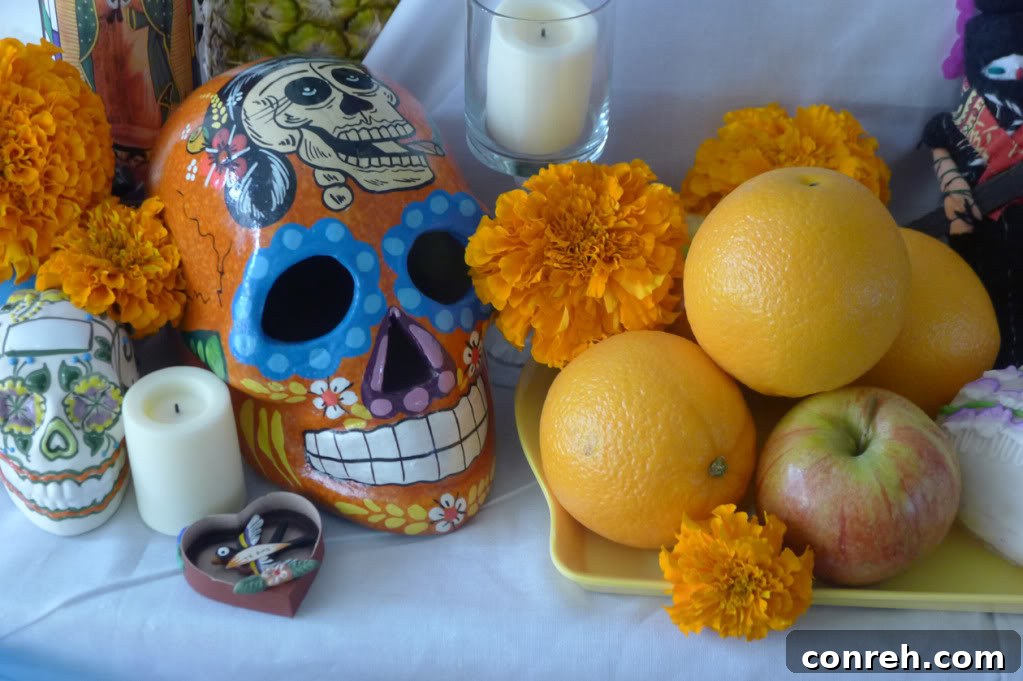
Embracing Tradition: Building a Meaningful Day of the Dead Altar (Ofrenda)
The vibrant colors of marigolds, the sweet aroma of pan de muerto, and the delicate artistry of sugar skulls herald the arrival of one of Mexico’s most profound and beautiful traditions: Dia de Muertos, or Day of the Dead. For our family, this year marked a particularly poignant observance as we meticulously crafted our traditional Day of the Dead altar, or ofrenda. We made the conscious decision to begin our preparations well in advance, not only to capture the freshest seasonal supplies before they vanished from local mercados but also to fully immerse ourselves in the spiritual and educational journey this holiday offers. It was a wonderful opportunity to involve our four-year-old son in every step of the decorating process, transforming it into a hands-on lesson about our rich cultural heritage and the deep meaning woven into the fabric of Dia de Muertos.
More than just an artistic display, our altar this year serves as a heartfelt tribute to all our beloved family members who have passed on. Among them is my cherished grandfather, who departed this life in July. The creation of this sacred space became a therapeutic and beautiful way to honor his memory and keep his spirit alive within our home. Our ofrenda is a tapestry woven with countless memories, adorned with a collection of authentic Mexican artifacts we’ve gathered over the years, each telling its own story. Alongside these personal treasures, we’ve included all the essential symbolic items crucial for a complete and traditional Day of the Dead display, each element carrying a specific purpose in welcoming our ancestors back home.
Understanding Dia de Muertos: A Celebration of Life and Remembrance
Dia de Muertos, often mistakenly conflated with Halloween, is a distinct and profoundly spiritual holiday originating in Mexico. Far from being a somber occasion, it is a vibrant celebration of life, memory, and continuity. Rooted in ancient Mesoamerican traditions, blended with Catholic beliefs, Dia de Muertos asserts that death is not an end but a continuation of life, a natural cycle. On these special days, typically November 1st and 2nd, it is believed that the veil between worlds thins, allowing the spirits of our deceased loved ones to return and visit their families. The entire festival is dedicated to honoring and remembering those who have passed, inviting them back for a joyous reunion filled with their favorite foods, drinks, and memories.
The essence of the celebration lies in the belief that remembering and honoring the dead keeps their spirits alive. It’s a time for families to come together, share stories, laugh, and sometimes shed a tear, all in the spirit of togetherness across the boundaries of life and death. This beautiful tradition teaches us to confront death not with fear, but with love, acceptance, and a deep appreciation for the lives lived and the legacies left behind. It reinforces the importance of family bonds, extending them beyond physical presence into an eternal spiritual connection.
The Heart of the Celebration: Constructing Your Ofrenda
At the core of every Day of the Dead celebration is the ofrenda, or altar. This isn’t just a decorative piece; it’s a sacred space, a meticulously arranged offering designed to welcome and guide the spirits of the departed back to the world of the living. Each item placed on the multi-tiered altar holds symbolic significance, creating a bridge between the living and the dead. The ofrenda serves as a testament to the family’s love and a beacon for the returning souls, providing them with comfort, nourishment, and light after their long journey. Building an ofrenda is an act of devotion, a tangible expression of love and respect for ancestors, and a way to keep their memory vibrant within the family home.
Traditionally, ofrendas are built on multiple levels, often two or three, symbolizing heaven, earth, and purgatory, or the distinct stages of the spiritual journey. While the number of tiers can vary, the intention remains consistent: to provide a welcoming and comprehensive display that caters to the spiritual and sensory needs of the visiting spirits. The process of gathering and arranging these elements is a communal and cherished activity, fostering a deeper connection to heritage and to those who came before us.
Essential Elements for Your Day of the Dead Altar: A Guide to Symbolism
Creating an authentic and meaningful Day of the Dead altar involves understanding the purpose behind each traditional item. Here’s a closer look at the key elements we included on our ofrenda, along with their profound symbolism:
- Cempasúchil (Marigolds): These vibrant orange and yellow flowers are perhaps the most iconic symbol of Dia de Muertos. Their intense color and strong, distinctive scent are believed to attract and guide the spirits from the cemetery to their family homes. We use their petals to create paths leading to the altar, ensuring our loved ones can easily find their way back.
- Pan de Muerto (Bread of the Dead): A staple on every ofrenda, this sweet, often anise-flavored bread is baked in various shapes, typically adorned with bone-like designs or a cross representing tears. It symbolizes the generous offering of sustenance and a communion between the living and the dead. Its delicate sweetness is a comforting treat for the weary spirits.
- Calaveras de Azúcar (Sugar Skulls): These charming, often brightly decorated sugar skulls represent the departed souls. Far from being macabre, they are whimsical and joyful, signifying the acceptance of death as a natural part of life. They are typically inscribed with the name of the deceased (or even living friends as a playful gesture) on the forehead, celebrating individuality and memory.
- Photographs of Loved Ones: Placed prominently, these images are perhaps the most personal and direct connection to those being honored. They serve as a clear invitation, ensuring the correct spirits are welcomed. For us, displaying a photograph of my grandfather was central, allowing us to reminisce about his life and smile at his memory.
- Favorite Foods and Drinks: One of the most heartwarming aspects of an ofrenda is offering the deceased’s favorite dishes and beverages. This might include anything from traditional mole and tamales to modern snacks or a specific brand of soda. These offerings are meant to nourish the spirits after their long journey and to remind them of the comforts of home. We ensured to include some of my grandfather’s preferred treats.
- Candles (Velas): Each candle on the altar represents a departed soul, providing light and warmth to guide them on their journey to and from the world of the living. The flickering flames symbolize life, hope, and faith, ensuring the path is well-lit for the spirits.
- Water (Agua): A simple yet profoundly important offering, a glass of fresh water is placed on the altar to quench the thirst of the spirits who have traveled far. It also symbolizes purification and the continuation of life.
- Salt (Sal): A small pile of salt is included for purification and as a preservative element, symbolizing the continuity of life and helping spirits make the transition. It ensures the souls remain pure as they embark on their journey.
- Incense (Copal): Copal is a resin derived from trees, burned as incense during ceremonies. Its fragrant smoke is believed to cleanse the area, ward off evil spirits, and carry prayers and messages to the heavens, guiding the returning souls.
- Papel Picado: These intricately cut paper banners, often in vibrant colors, adorn the altar. They symbolize the fragility of life, the union between life and death, and the festive nature of the celebration. Their delicate movement also signifies the presence of the wind and the visiting spirits.
- Personal Items and Artifacts: Including objects that belonged to the deceased, such as tools, toys, clothing, or even Mexican artifacts collected over the years, personalizes the altar and brings the spirits closer to their earthly memories and passions. These items remind the spirits that they are remembered and cherished.
Building Our Family Ofrenda: A Generational Tradition in the Making
Our decision to construct the ofrenda early was largely driven by the desire to fully involve our four-year-old son in this sacred family tradition. Watching him carefully place marigold petals, arrange miniature sugar skulls, and help set out the plates of pan de muerto was a truly enriching experience. It wasn’t just about decorating; it was a gentle introduction to a profound cultural lesson. We explained to him the significance of each item, why we place pictures of his great-grandfather, and how these traditions help us remember and honor the people we love, even if we can’t see them anymore.
This hands-on approach transforms abstract concepts like “culture” and “remembrance” into tangible, memorable activities for a young mind. It teaches empathy, respect for ancestors, and a sense of belonging to a larger heritage. As we talked about my grandfather, recounting stories and sharing memories, the altar became more than just an arrangement of items; it became a focal point for our family’s love and grief, a space where his memory felt palpable. It allowed us to collectively process our loss in a beautiful and culturally significant way, ensuring that his legacy lives on through our traditions.
More Than Just Decoration: The Deeper Meaning of Dia de Muertos
Ultimately, a Day of the Dead altar is a powerful statement about the enduring nature of love and the importance of memory. It serves as a physical representation of the belief that death does not sever the bonds of family; it merely changes their form. By building an ofrenda, we actively participate in a tradition that reclaims death from the shadows of fear and places it within the embrace of remembrance and celebration. It’s an act of defiance against forgetting, a joyful affirmation that our loved ones continue to exist in our hearts and minds.
This tradition is a profound teacher, demonstrating to younger generations that remembering the dead is not morbid, but an essential part of a healthy grieving process and a way to celebrate the continuum of life. It fosters a deep appreciation for one’s roots and the rich tapestry of family history, ensuring that cultural heritage is not lost but lovingly passed down through each generation. The laughter, stories, and shared meals around the ofrenda reinforce the idea that death is an integral part of life’s grand cycle, deserving of respect, honor, and even celebration.
Start Your Own Day of the Dead Tradition
Inspired to create your own heartfelt Day of the Dead altar? We encourage you to embrace this beautiful tradition and personalize it to honor your own loved ones. It’s a rewarding experience that deepens family bonds and connects you to a rich cultural heritage.
To help you get started, click here for a comprehensive list of essential altar items, delving further into their purpose behind this special holiday. While you’re planning your ofrenda, don’t forget to explore our delightful Cafe de Olla Atole recipe, a warm and comforting beverage perfect for sharing with family and friends during this special occasion.
May your Day of the Dead be filled with cherished memories, warm reflections, and the enduring love of family, both present and past.