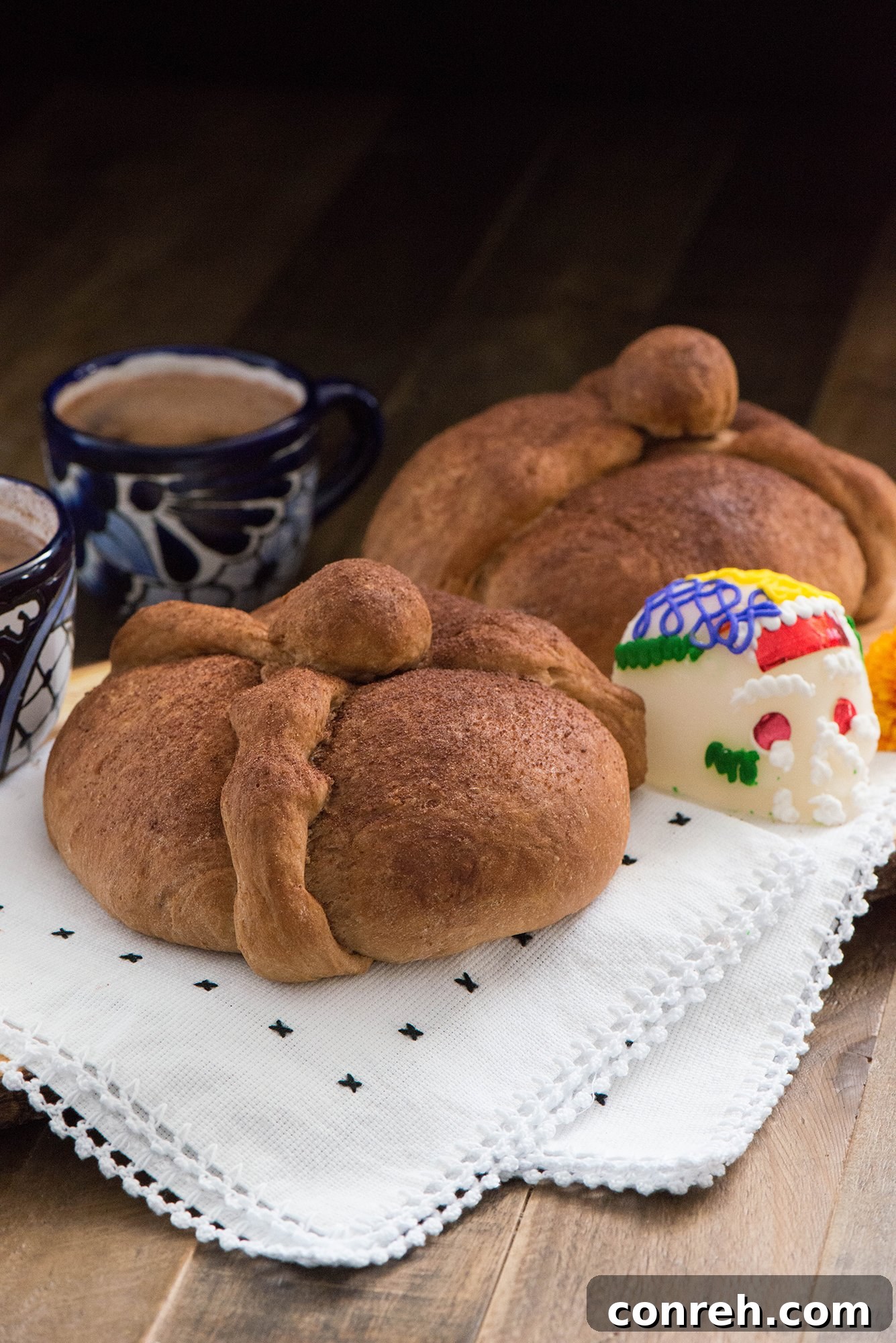
A Soulful Celebration: Crafting Mexican Chocolate Pan de Muerto for Dia de Muertos
Dia de Muertos, or Day of the Dead, is a vibrant and deeply meaningful celebration that transcends grief, transforming it into a joyous remembrance of loved ones who have passed. Central to this rich tradition are the altars, or ofrendas, meticulously prepared with photographs, candles, marigolds, and the favorite foods and drinks of the departed. Among these offerings, Pan de Muerto, or “Bread of the Dead,” holds a particularly sacred and beloved place. For many years, I’ve found immense joy in skipping the bustling panaderías during this special season, choosing instead to create my own versions of this cherished bread at home. While the classic orange blossom and anise-flavored Pan de Muerto is undeniably wonderful, I enjoy exploring new interpretations that keep the tradition fresh and exciting. This year, my kitchen is filled with the comforting aroma of a unique Mexican Chocolate Pan de Muerto, a perfect companion for a warm cup of coffee and a heartfelt addition to our family’s Dia de Muertos altar.
This particular rendition of Pan de Muerto is a delightful variation, offering a rich depth of flavor that sets it apart. The inclusion of Mexican chocolate introduces a wonderful complexity, with its characteristic notes of cinnamon and often a hint of chili, creating a harmonious balance that isn’t overly sweet. This makes it an ideal “dunking bread,” perfectly suited for pairing with frothy Mexican hot chocolate or a soothing cup of café de olla. Both beverages, traditionally quite sweet and aromatic, find a beautiful counterpoint in the subtly spiced and tender crumb of the chocolate-infused bread, ensuring every single dunk is a moment of pure, delicious comfort. The process of making it is surprisingly straightforward, and if you can’t find pre-granulated Mexican chocolate (like Abuelita granulado), a cheese grater or a heavy-duty blender can easily transform the traditional tablets into the perfect consistency.
The Enduring Symbolism and History of Pan de Muerto
To truly appreciate Pan de Muerto, one must understand its profound symbolism and ancient roots. This bread is far more than just a sweet treat; it is a tangible link to Mexican history and spirituality, a culinary representation of life, death, and remembrance. The origins of Pan de Muerto trace back to pre-Hispanic times, where indigenous cultures offered various breads and food items as part of their death rituals. With the arrival of the Spanish and the introduction of wheat and baking techniques, these traditions evolved, giving birth to the Pan de Muerto we recognize today.
Every element of the bread is imbued with meaning. The circular shape often symbolizes the cycle of life and death, or the mound over a grave. The prominent “bones” or “tear drops” that adorn the top represent the deceased, their tears, or the four cardinal directions. At the very top, a small sphere is typically placed, symbolizing a skull, or sometimes representing the heart or the universe. Traditionally, the bread is flavored with orange blossom water or anise, scents believed to guide the spirits back to their homes. Baking Pan de Muerto is, in itself, an act of honoring, a continuation of a practice that connects generations and reinforces the belief that death is not an end, but a transition within the grand cycle of existence.
The Allure of Mexican Chocolate: A Perfect Harmony
Introducing Mexican chocolate to Pan de Muerto is not merely a flavor experiment; it’s a celebration of another deeply rooted element of Mexican culinary heritage. Mexican chocolate is distinct from its European counterparts, characterized by its grainy texture, often a result of being stone-ground, and its bold flavor profile. It’s typically sweetened with unrefined cane sugar (piloncillo) and robustly spiced with cinnamon, and sometimes even a hint of nutmeg or chili. This unique combination creates a warmth and aromatic complexity that pairs exquisitely with the subtle sweetness of Pan de Muerto.
While traditional Pan de Muerto is delightful in its simplicity, the addition of Mexican chocolate elevates the experience to a new level of indulgence. The slight bitterness and spicy notes of the chocolate cut through the sweetness of the bread, creating a sophisticated flavor balance. It’s a natural marriage, bringing together two iconic Mexican tastes into one comforting loaf. The chocolate transforms the bread’s crumb, giving it a deeper hue and a more intense aroma that fills the kitchen as it bakes. For those who appreciate a richer, more profound flavor experience, this Mexican Chocolate Pan de Muerto offers a truly unforgettable twist on a timeless classic, inviting a moment of reflection with every bite.
Embracing the Ritual: The Joy of Baking Your Own Pan de Muerto
The act of baking Pan de Muerto at home is a profound ritual in itself, allowing you to infuse the bread with your own love, memories, and intentions. It’s a sensory journey that begins with the mixing of simple ingredients – flour, yeast, butter, eggs – transformed by the addition of orange zest for tradition and, of course, the star ingredient: Mexican chocolate. The process of kneading the dough, feeling it come alive and grow pliable under your hands, is meditative. As the dough rises, a sense of anticipation builds, knowing that you are creating something not just delicious, but deeply meaningful.
The aroma that wafts from the oven as the Pan de Muerto bakes is truly intoxicating. It’s a comforting blend of sweet dough, fragrant cinnamon, and the subtle spices of the chocolate, creating an atmosphere that instantly evokes warmth and remembrance. For this particular recipe, the choice between pre-granulated Mexican chocolate or grating your own tablets adds a touch of authenticity and effort that makes the final product even more rewarding. Grating the chocolate yourself, with its rustic texture and intense aroma, connects you more intimately to the ingredients and the tradition. This hands-on approach transforms baking from a mere task into an act of devotion, creating a tangible symbol of love to honor those who are no longer with us.
The Dia de Muertos Altar: A Sacred Offering of Love
The ofrenda, or altar, is the heart of Dia de Muertos, a beautifully constructed space meant to welcome the spirits of the deceased back to the world of the living for a brief visit. These altars are adorned with a multitude of items, each carrying significant meaning. Candles illuminate the path for the spirits, photographs remind us of their faces and lives, and vibrant cempasúchil (marigold) flowers, with their intense color and scent, are believed to attract and guide the spirits home. Water is offered to quench their thirst after their long journey, and favorite possessions are placed to make them feel comfortable and remembered.
Food, however, holds a particularly crucial place on the altar. It is sustenance for the weary travelers, a feast prepared with love to nourish their spirits. Pan de Muerto is invariably found at the center of many altars, its symbolic shapes reinforcing its role as an offering for the dead. Presenting a homemade Mexican Chocolate Pan de Muerto adds a deeply personal and heartfelt dimension to the ofrenda. It signifies the effort and love poured into preparing something unique and special for our loved ones, a culinary embrace that transcends the veil between worlds. It’s a way of saying, “We remember you, we cherish you, and we offer you this taste of home.”
The Perfect Accompaniment: Savoring Each Slice
While delicious on its own, Mexican Chocolate Pan de Muerto truly shines when paired with the right beverage. Its not-too-sweet profile and tender crumb make it the quintessential “dunking bread.” The robust flavors of Mexican hot chocolate, often made with water or milk and spiced with cinnamon, are a perfect match. The warmth and frothy texture of the hot chocolate are ideal for soaking into the bread, allowing the chocolate notes within the Pan de Muerto to mingle and intensify with every bite. The result is a comforting symphony of flavors and textures that is both deeply satisfying and nostalgic.
Another superb companion is café de olla, a traditional Mexican coffee brewed with cinnamon and piloncillo (unrefined brown sugar). Its earthy, spicy, and subtly sweet notes complement the chocolate bread beautifully, creating a rich and aromatic experience. Sharing these pairings with family and friends around a table becomes an intimate act of communion, a moment to reflect, share stories, and reinforce bonds while honoring those who have passed. Each dunk, each sip, becomes a small celebration of life, memory, and the enduring power of connection.
Beyond Tradition: Creative Twists and Personal Journeys
While the reverence for traditional recipes is paramount, there is also beauty in personalizing these ancient customs to make them your own. My journey with Mexican Chocolate Pan de Muerto is an example of how to honor the essence of a tradition while injecting a touch of personal creativity. It’s a reminder that culinary traditions are living, evolving entities, capable of embracing new flavors and interpretations while still retaining their core meaning.
For those who enjoy exploring other delicious variations, you might also find inspiration in different textures and toppings. For example, a version with sesame seeds offers a delightful crunch and nutty flavor, providing yet another unique way to enjoy this beloved bread. You can explore more options and ideas here:
Related recipe: Pan de Muerto with Sesame Seeds
A Heartfelt Conclusion: Keeping Memories Alive
Dia de Muertos is a testament to the enduring power of memory and the unbreakable bonds of family, both living and departed. It is a time to pause, to remember with love, and to celebrate the lives that have shaped us. Food, especially a dish as symbolic and cherished as Pan de Muerto, plays a pivotal role in this celebration, serving as a conduit for remembrance, comfort, and connection. Whether you choose the classic version or embark on the delightful adventure of baking a Mexican Chocolate Pan de Muerto, the act of preparing and sharing this bread is a profound way to honor your loved ones. Gather around your table, light a candle, share stories, and let the warmth of this special bread fill your home and your heart. May the sweet aroma and rich flavors of your homemade Pan de Muerto bring peace, joy, and a vivid sense of connection to those you hold dear, keeping their memories alive and vibrant for generations to come.