The Magic of Chocoflan: Mexico’s Enchanting “Impossible Cake”
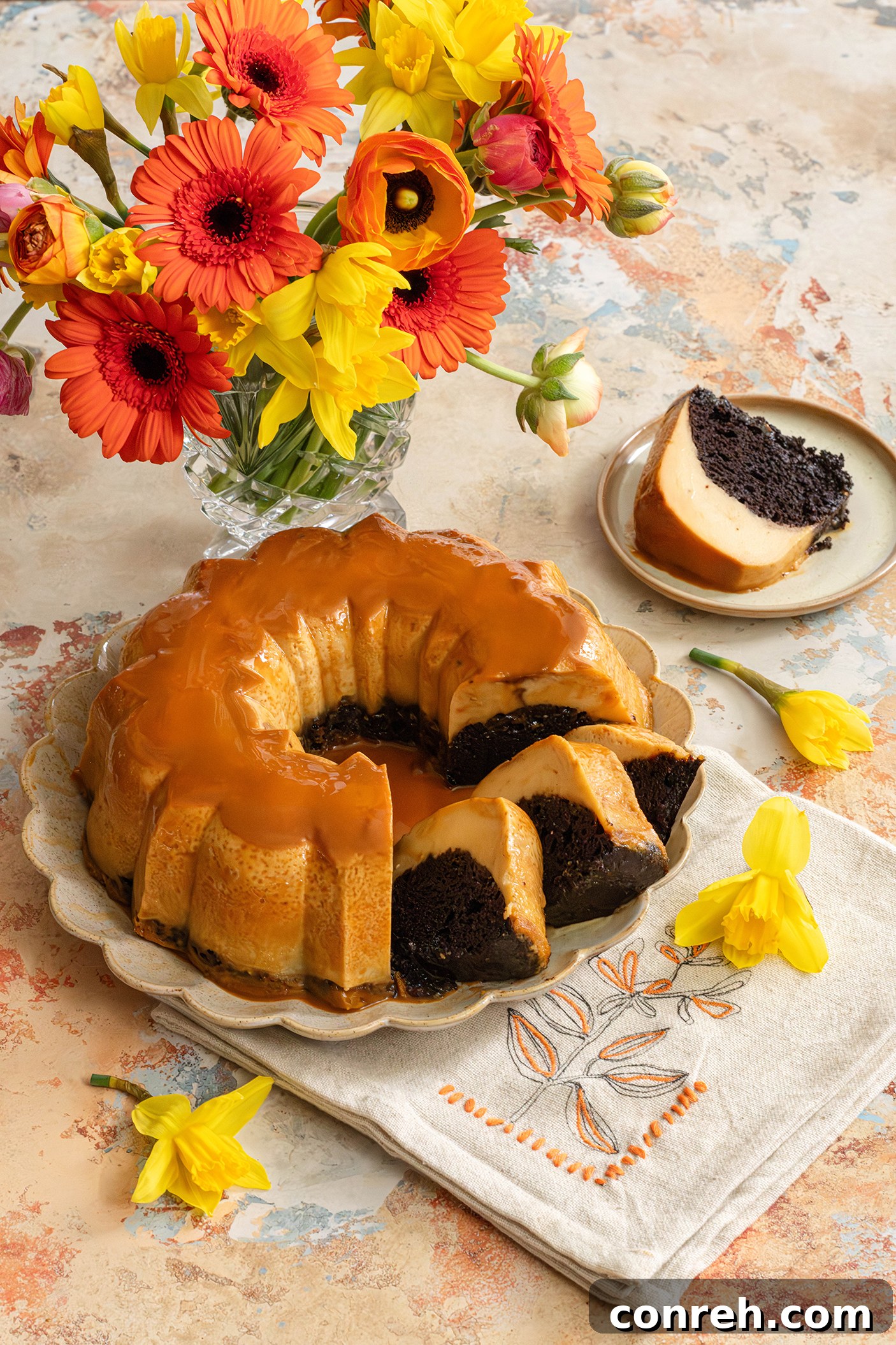
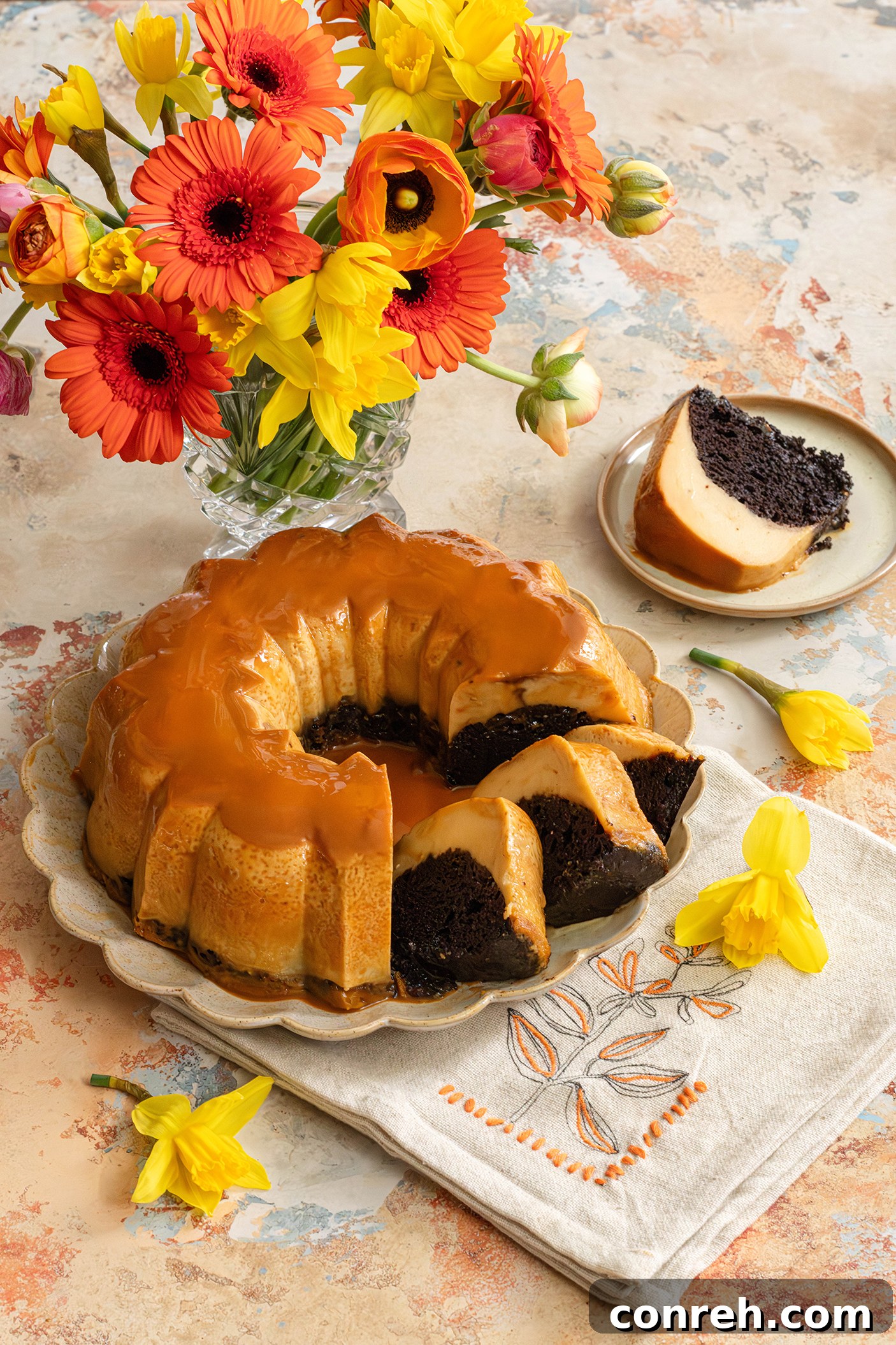
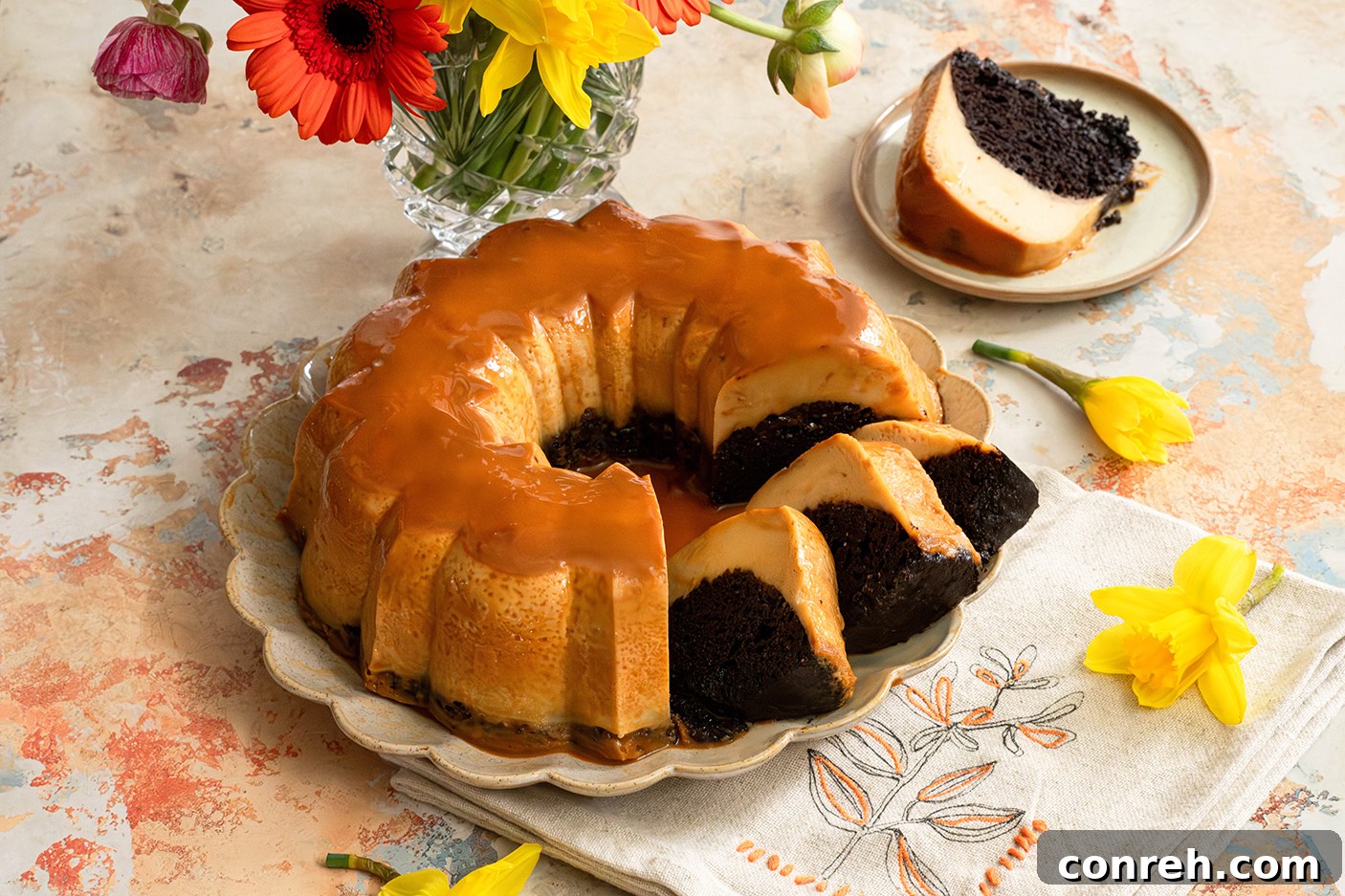
Chocoflan, often revered as “pastel imposible” or the “impossible cake,” is a dessert that truly embodies culinary magic. At first glance, it appears to be a beautifully layered masterpiece, showcasing a rich, dark chocolate cake base crowned with a silky, golden flan. Yet, its true enchantment unfolds during the baking process, where these distinct layers undergo a surprising transformation, seemingly defying the laws of physics to flip their positions. This unique characteristic is what gives Chocoflan its intriguing moniker and cements its place as a showstopper in the world of desserts.
More than just a delicious treat, Chocoflan is a celebration of contrasting textures and complementary flavors. The deep, cocoa notes of the cake perfectly balance the sweet, creamy custard, all tied together by a luscious caramel sauce. Every slice promises a delightful surprise, making it a beloved dessert for gatherings and special occasions across Mexico and beyond. Its captivating appearance and fascinating backstory ensure it’s not just a dish, but a conversation starter, leaving a lasting impression on anyone fortunate enough to experience its charm.
Related Recipe: Esquites Fuego
Unraveling the Mystery: Why is it Called “Impossible Cake”?
The intriguing name “impossible cake” stems from the dessert’s seemingly miraculous inversion during baking. When preparing Chocoflan, the chocolate cake batter is poured into the bundt pan first, followed by the flan mixture. Intuitively, one might expect the cake to bake on the bottom and the flan on top. However, as the Chocoflan bakes in a water bath, a remarkable phenomenon occurs: the denser flan custard gently sinks to the bottom of the pan, while the lighter chocolate cake batter rises and bakes above it. Upon cooling and inverting the cake, the flan naturally forms the bottom layer, and the chocolate cake forms the top, creating the illusion of an “impossible” flip.
This culinary magic isn’t a trick, but a clever demonstration of basic physics and ingredient densities. The flan mixture, composed of eggs, milk, and cream cheese, is significantly denser and heavier than the lighter, leavened chocolate cake batter. As the oven’s heat begins to set the flan, its higher density causes it to slowly descend through the cake batter. Simultaneously, the cake batter, which contains leavening agents like baking soda and baking powder, becomes lighter as it bakes and rises, eventually settling on top of the now-firming flan. The bain-marie (water bath) plays a crucial role, providing a gentle, even heat that allows the flan to set smoothly without curdling, facilitating this elegant separation and inversion. The final touch, a glistening caramel layer (often cajeta or dulce de leche), becomes the beautiful crown once the cake is inverted, adding both visual appeal and a depth of flavor.
The Rich History and Origins of Chocoflan
While the precise birth date of Chocoflan remains a delicious mystery, its roots are deeply intertwined with Mexican culinary traditions and the evolution of beloved desserts. Flan, a direct descendant of European custards like crème caramel, made its way to the Americas through Spanish colonization. Over centuries, it became a staple in Latin American cuisine, with each region developing its unique variations. Chocolate cake, on the other hand, gained widespread popularity much later, especially with the industrialization of baking.
Chocoflan likely emerged as an ingenious fusion, a testament to Mexican home cooks’ creativity in combining two cherished desserts into one harmonious masterpiece. It’s a “mestizo” dessert, blending European custard traditions with the growing love for chocolate. The use of cajeta, a rich goat’s milk caramel distinct from cow’s milk dulce de leche, further grounds Chocoflan in authentic Mexican flavors, reflecting regional preferences and available ingredients. The method of steaming the dessert in a bain-marie, a hallmark of traditional flan-making, ensures its characteristic silky smooth texture.
Today, Chocoflan is a ubiquitous sight at birthdays, holidays, potlucks, and family gatherings across Mexico. Its captivating presentation, with its distinct dual layers and glistening caramel, never fails to impress. Despite its elaborate appearance, the recipe itself is surprisingly straightforward, making it an accessible yet impressive choice for home bakers eager to delight their guests and showcase a touch of Mexican culinary artistry.
Mastering the “Impossible”: Tips for Chocoflan Success
Creating the perfect Chocoflan, while straightforward, benefits from a few key techniques to ensure that magical flip and flawless texture. The choice of a bundt pan is crucial, not just for its signature aesthetic but because its central cone helps the cake bake evenly and makes for easier inversion. Generously greasing and flouring (or using non-stick spray) the pan is paramount to prevent sticking, which can ruin the beautiful presentation.
The water bath, or bain-marie, is perhaps the most critical element in Chocoflan’s success. This gentle cooking method surrounds the baking dish with simmering water, providing a moist, consistent heat that allows the flan to set slowly and evenly. This prevents the delicate custard from curdling, cracking, or becoming rubbery, ensuring that signature creamy texture. It also aids in the separation and inversion process by facilitating the density shift. Always use boiling water for the bath to ensure consistent temperature from the start, and cover the bundt pan loosely with foil to prevent over-browning and excessive moisture loss from the cake layer.
Equally important is patience during the cooling and chilling phases. Allowing the Chocoflan to cool completely on a wire rack before refrigerating is vital. The overnight chill is non-negotiable; it gives the flan ample time to firm up and the layers to fully set and meld their flavors. Attempting to invert a warm or insufficiently chilled Chocoflan will likely result in a messy collapse, robbing you of the desired “impossible” reveal.
Storage and Shelf Life for Optimal Enjoyment
Chocoflan is not only a fantastic dessert to prepare in advance, but it also benefits greatly from being made a day ahead. This allows the various flavors to fully meld together, deepening the caramel, chocolate, and flan notes into a more harmonious and complex profile. After baking and cooling completely, the extended chilling period in the refrigerator is essential for the flan layers to set properly, achieving that desirable firm yet silky texture that holds its shape beautifully when inverted.
To ensure your Chocoflan remains fresh and delicious:
- Always keep it refrigerated. Store it in an airtight container to prevent it from absorbing other odors from the fridge and to maintain its moisture. If an airtight container is not available, wrap it tightly with several layers of plastic wrap.
- When stored correctly, Chocoflan will maintain its best quality for up to 5 days in the refrigerator. Beyond this, while still safe to eat, the texture and freshness might begin to diminish.
- For the best texture, avoid freezing Chocoflan. The delicate custard of the flan contains a high water content, which can form ice crystals during freezing. Upon thawing, these crystals can disrupt the flan’s smooth consistency, making it watery or grainy. The cake layer might also become dry. It’s best enjoyed fresh from the refrigerator.
Serving Suggestions to Elevate Your Chocoflan Experience
Serving Chocoflan is almost as delightful as making it, and with a few thoughtful touches, you can elevate the experience for your guests. The dessert is best enjoyed chilled or slightly cool. Allow it to sit at room temperature for about 10–15 minutes before slicing; this slight warming can help soften the flan just enough to achieve an even silkier, melt-in-your-mouth texture.
To truly make your Chocoflan shine, consider these elegant serving suggestions:
- Drizzle with Extra Caramel: Enhance the existing caramel flavor by offering an additional drizzle of cajeta or dulce de leche over each slice. Its glistening sheen adds both visual appeal and a boost of rich sweetness.
- Fresh Fruit Medley: Bright, fresh berries like raspberries, blackberries, or strawberries provide a wonderful tart contrast to the richness of the cake and flan. A sprinkle of pomegranate seeds can also add a beautiful pop of color and subtle tang.
- Nutty Crunch: For an added layer of texture, consider a sprinkle of finely crushed pecans, walnuts, or toasted almonds. The nutty crunch beautifully complements the smooth textures of the Chocoflan.
- Creamy Indulgence: A generous dollop of freshly whipped cream or a scoop of premium vanilla bean ice cream will transform your Chocoflan into an even more decadent dessert, perfect for truly special occasions.
- Beverage Pairing: Pair a slice of Chocoflan with a strong, dark Mexican coffee or a traditional café de olla, infused with cinnamon and piloncillo. The robust coffee notes cut through the dessert’s sweetness, creating a perfectly balanced ending to any hearty meal.
Frequently Asked Questions About Chocoflan
Yes, absolutely! While a bundt pan gives Chocoflan its iconic shape and often makes inversion smoother, you can certainly use a deep, round or square baking dish (such as a 9×13 inch pan). Just ensure it’s deep enough to accommodate both layers and can fit comfortably inside a larger roasting pan for the essential water bath. The cooking time might vary slightly, so monitor for doneness with a toothpick.
The primary difference lies in the milk used. Cajeta is traditionally made from goat’s milk, which gives it a distinctively richer, slightly tangier, and more complex flavor profile. Dulce de leche, on the other hand, is made with cow’s milk, resulting in a milder, sweeter, and often smoother caramel. Both are delicious and can be used interchangeably in Chocoflan, depending on your flavor preference and what’s available.
The magical layer switch is a fascinating result of density differences. The flan mixture is considerably heavier and denser due to its composition of condensed milk, evaporated milk, cream cheese, and eggs. The chocolate cake batter, while initially poured first, is lighter and contains leavening agents that cause it to rise. As the dessert bakes in the water bath, the heavier flan gently sinks through the lighter cake batter, which then floats and cooks on top. When inverted, the flan becomes the bottom layer and the cake the top.
Absolutely! Using a good quality chocolate box cake mix is a fantastic shortcut if you’re short on time or prefer a simpler process. Prepare the cake mix according to the package instructions, then pour it into the prepared bundt pan as the first layer, just as you would with scratch-made batter. This won’t affect the “impossible” layer flip.
While the recipe specifies creamy honey yogurt for a subtle sweetness and texture, you can experiment with other mild flavors. Vanilla or plain full-fat yogurt would be excellent choices, as they won’t overpower the distinct chocolate and flan components. Avoid strong or very tart fruit-flavored yogurts, as they might clash with the overall flavor profile of the Chocoflan.
Yes, the water bath (bain-marie) is absolutely crucial for Chocoflan. It ensures that the flan cooks gently and evenly, preventing it from curdling, developing a rubbery texture, or cracking on the surface. The moist environment also helps the cake layer stay tender. Without a water bath, you risk a dry cake and a tough, unevenly cooked flan, compromising the delicate balance and signature texture of the dessert.
Skipping the overnight chilling is a common mistake that can lead to disappointment. If you don’t chill the Chocoflan long enough, the flan layer won’t have sufficient time to fully set and firm up. This will result in the layers potentially falling apart or becoming a messy, unappetizing scramble when you attempt to invert the cake. Proper chilling ensures the flan is firm, the flavors are melded, and the cake holds its beautiful, defined shape.
Absolutely! Chocoflan is an ideal make-ahead dessert, making it perfect for entertaining. In fact, its flavors deepen and meld even better after a full day of chilling, so preparing it a day or two in advance is highly recommended. Simply keep it covered and refrigerated until you are ready to serve, allowing you to focus on other party preparations.
Chocoflan isn’t just a dessert; it’s a culinary journey, a conversation starter, and a true showstopper. With its rich, contrasting layers and the delightful surprise of its “impossible” inversion, it stands as a testament to the creativity and heart of Mexican home cooking. Every slice delivers a moment of joy, a fusion of familiar flavors presented in an extraordinary way. Whether you’re celebrating a special occasion or simply sharing a sweet moment with loved ones, this “pastel imposible” promises an unforgettable experience that lingers long after the last delicious bite, leaving you to marvel at its delightful magic.
Print
Chocoflan
5 Stars
4 Stars
3 Stars
2 Stars
1 Star
No reviews
- Author: Ericka Sanchez
Prep Time: 15 minutes
Cook Time: 1 hour 25 minutes
Total Time: 1 hour 40 minutes
Yield: serves 12 1x
Description
Also known as pastel imposible, this chocoflan does something unexpected. The flan and chocolate cake layers switch places as it bakes, giving you two different but perfect textures in one dessert.
Ingredients
Scale
- non-stick cooking spray
- ½ cup cajeta (or dulce de leche)
- 1 cup all-purpose flour
- ½ cup unsweetened cocoa powder
- ¾ teaspoon baking soda
- ¼ cup baking powder
- 1/8 teaspoon salt
- 1 cup sugar
- 6 tablespoons honey, plain or vanilla yogurt
- 6 tablespoons whole milk
- ¼ cup vegetable oil
- 2 eggs
- 1 teaspoon vanilla extract
- 1 (12-ounce can) evaporated milk
- 1 (14-ounce can) sweetened condensed milk
- 4 ounces cream cheese, room temperature
- 4 eggs, room temperature
- ½ teaspoon salt
Instructions
- Preheat oven to 350° F. Spray a 12-cup bundt cake pan with non-stick cooking spray.
- Spread cajeta (or dulce de leche) evenly on the bottom of the bundt pan. Set aside.
- Sift together flour, cocoa powder, baking soda, baking powder and salt in a large bowl. Whisk in sugar.
In a medium bowl add yogurt, milk, oil, eggs and vanilla. Whisk until combined.
- Pour wet ingredients into dry ingredients and stir until combined. Add to bundt pan with cajeta and spread evenly with a spatula.
- Combine evaporated milk, sweetened condensed milk, cream cheese, eggs and salt in a blender. Blend until smooth.
- Place bundt pan in a large roasting pan.
- Carefully add blended flan mixture to bundt pan over cake batter. Add boiling water to roasting pan halfway up the side of the bundt pan. Cover bundt pan loosely with foil and carefully transfer to oven.
Bake for 1 hour 25 minutes or until a toothpick inserted into the cake portion comes out somewhat clean.
- Carefully remove Chocoflan from roasting pan and transfer to a wire rack. Let cool completely, then refrigerate overnight for best results.
- Carefully run a thin pairing knife around the sides of the Chocoflan to loosen it. Place a large serving plate over the top of the cake, facing down, and invert the cake onto the plate. Slice and serve.