Migas: The Heartwarming Mexican Breakfast Staple You Need to Try
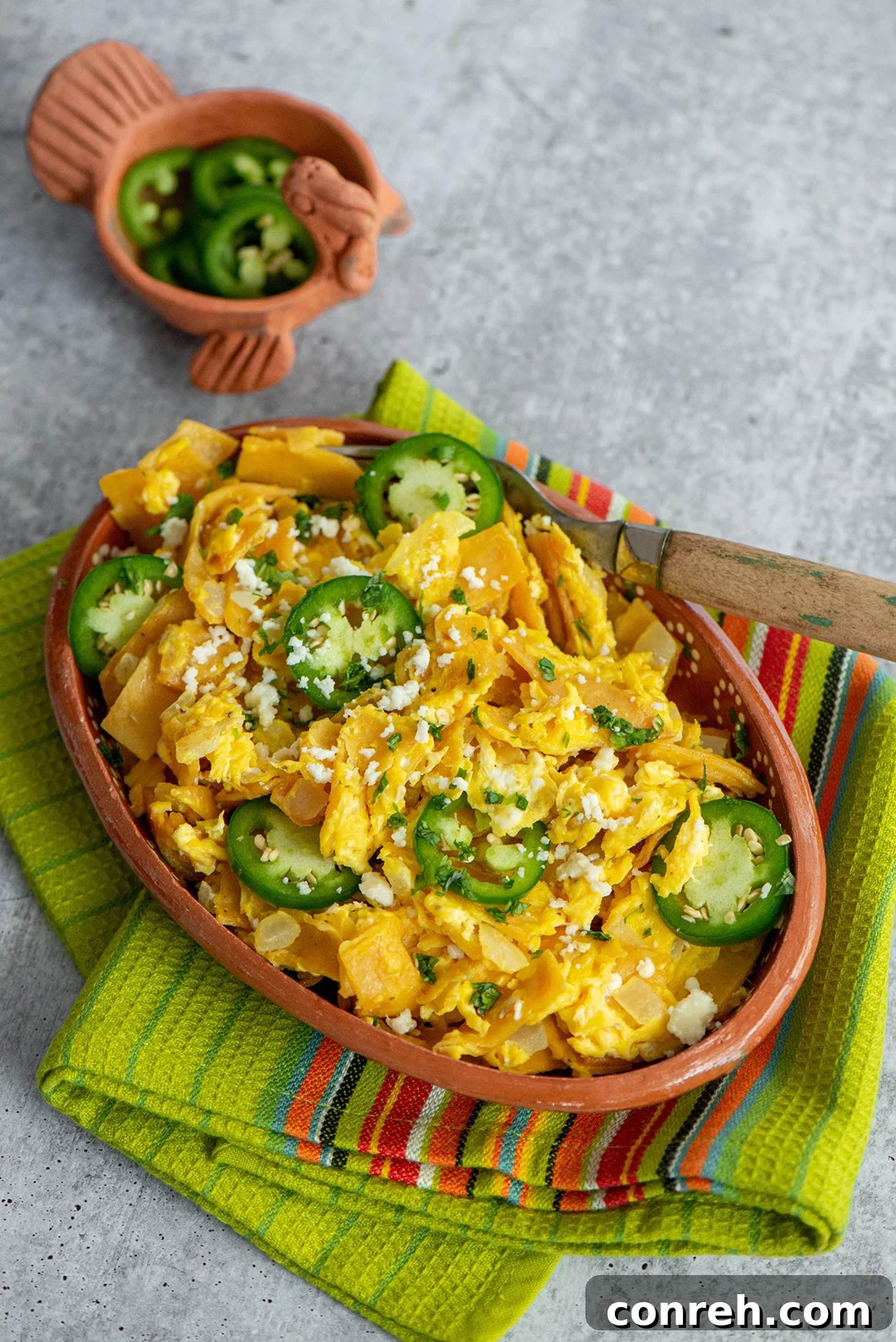
Step into the vibrant world of Mexican cuisine with Migas, a dish that effortlessly marries simplicity with profound flavor. This classic Mexican comfort food isn’t just a meal; it’s a culinary hug, instantly evoking images of bustling family kitchens and cherished traditions. At its core, Migas is a humble yet ingenious creation, featuring fried corn tortillas, fluffy scrambled eggs, sautéed onions, and a medley of fresh, aromatic toppings.
While variations of Migas can be found across different regions of Mexico and even in Spain (where it’s typically made with bread), the Mexican-style version, centered around crispy corn tortillas, is a beloved breakfast or brunch staple for countless families. Its enduring appeal lies in its resourcefulness and comforting nature. Day-old tortillas, often destined for waste, are given a glorious second life, transformed into golden, crunchy fragments that perfectly absorb the rich flavors of scrambled eggs and accompanying ingredients.
More than just a quick bite, Migas offers a satisfying and nourishing experience. It’s the perfect dish to kickstart your day, an economical option to feed a family, or even a delightful late-night indulgence. This article will guide you through the origins, cultural significance, versatile ingredients, and easy preparation of authentic Mexican Migas, ensuring you can recreate this timeless dish in your own home.
Related Recipe: Cactus and Egg Burrito
The Rich History and Cultural Significance of Migas
Migas, meaning “crumbs” in Spanish, is aptly named, reflecting its humble origins as a “people’s dish” born from necessity. This culinary tradition emphasizes frugality and ingenuity, making sure no food goes to waste. In Mexico, Migas is more than just breakfast; it’s a symbol of gathering, often enjoyed on leisurely weekends when families come together around the table. Its widespread popularity underscores its role as a fundamental component of Mexican culinary heritage.
The concept of Migas varies, highlighting regional creativity. While Mexican Migas predominantly features corn tortillas, its Spanish counterpart traditionally uses leftover bread, fried until crisp, then mixed with garlic, paprika, and often cured meats. This parallel evolution showcases a shared culinary philosophy across cultures: transforming simple, readily available ingredients into a hearty, satisfying meal.
Regional Mexican variations further illustrate the dish’s adaptability. In central and northern Mexico, it’s not uncommon to find Migas enriched with savory additions like chorizo, spicy sausage, or earthy nopales (cactus paddles), adding layers of flavor and texture. Across the border, Tex-Mex cuisine has embraced Migas, often incorporating generous amounts of cheese, vibrant salsas, and sometimes even beans, transforming it into a more robust and cheesy affair. Regardless of the specific interpretation, the essence of Migas remains constant: a comforting, versatile, and deeply traditional dish that celebrates the cleverness and passion of home cooks.
This dish’s ability to evolve while retaining its core identity makes it a fascinating subject for food enthusiasts and a delightful meal for anyone seeking an authentic taste of Mexico.
Unlocking Flavor: Ingredient Suggestions for Perfect Migas
The beauty of Migas lies in its simplicity, but also its incredible flexibility. While the core recipe calls for just a few essential ingredients, you can easily adapt it to your personal taste preferences and what you have on hand in your pantry. Here are some detailed suggestions to elevate your Migas:
- Tortillas: The foundation of Migas. For the best crispy texture, traditional Migas recipes highly recommend using day-old corn tortillas. These have less moisture, allowing them to fry up beautifully golden and crisp. However, any good-quality corn tortilla will work. You can slice them into strips, triangles, or small squares – the choice is yours, but smaller pieces tend to integrate better with the eggs.
- Oil: Vegetable oil or canola oil are common choices for their neutral flavor, allowing the other ingredients to shine. For a richer, more traditional taste, some cooks opt for lard (manteca). Olive oil can also be used for a Mediterranean twist, adding a peppery note.
- Onion: White onion provides a sharp, pungent flavor that mellows and sweetens as it cooks, creating a fantastic aromatic base. If you prefer a milder sweetness, yellow onion is a great alternative. For a touch of color and a slightly different bite, red onion can also be used, though it’s less common in traditional Migas.
- Eggs: The fresher the eggs, the better the overall texture and fluffiness of your Migas. You can adjust the egg quantity based on your preference; if you like a softer, more egg-forward dish, feel free to add an extra egg or two.
- Chiles: For a pleasant kick and vibrant freshness, thinly sliced jalapeños are a popular choice. If you crave more heat, serrano peppers will deliver a spicier punch. For a quick and easy spice infusion, stirring in a spoonful of your favorite salsa or even a dash of hot sauce during cooking can work wonders.
- Cheese: Queso fresco is the quintessential topping for Migas, offering a delightful salty, crumbly, and slightly tangy finish. Other excellent Mexican cheese alternatives include Cotija, a drier, saltier grating cheese, or shredded Oaxaca cheese, which melts beautifully and adds a creamy texture.
- Optional Add-ins: Don’t be afraid to experiment! Many families stir in diced tomatoes for freshness, cooked chorizo for a savory, meaty element, or even leftover black or pinto beans to make the dish heartier and more substantial. Diced bell peppers or spinach can also be folded in for extra vegetables.
Perfect Pairings: Serving Suggestions for Migas
Migas is a wonderfully versatile dish that shines brightest when served hot, fresh from the skillet. Its adaptability means you can present it in various ways, from a rustic, traditional spread to an elegant brunch offering, depending on the occasion and your personal preference:
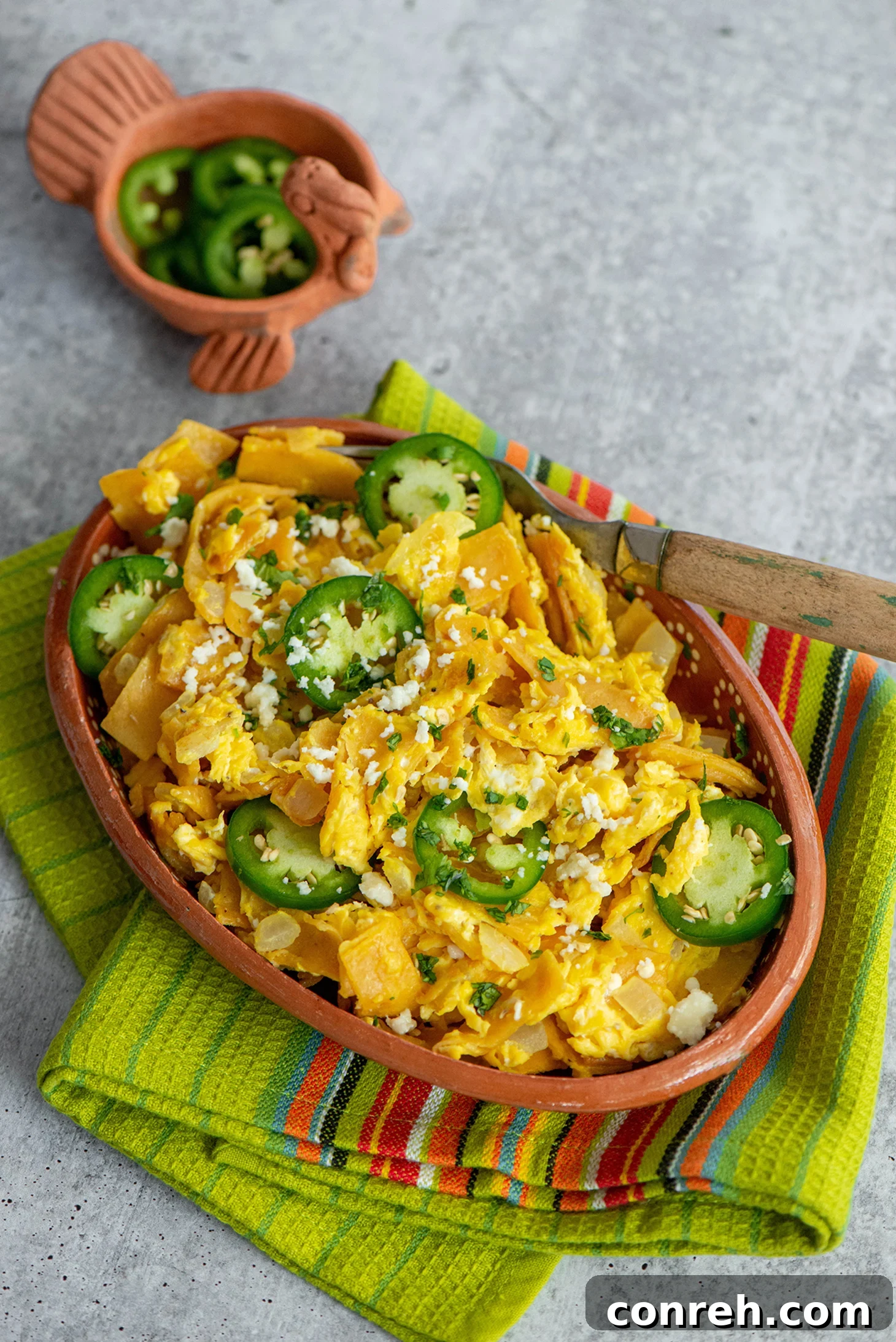
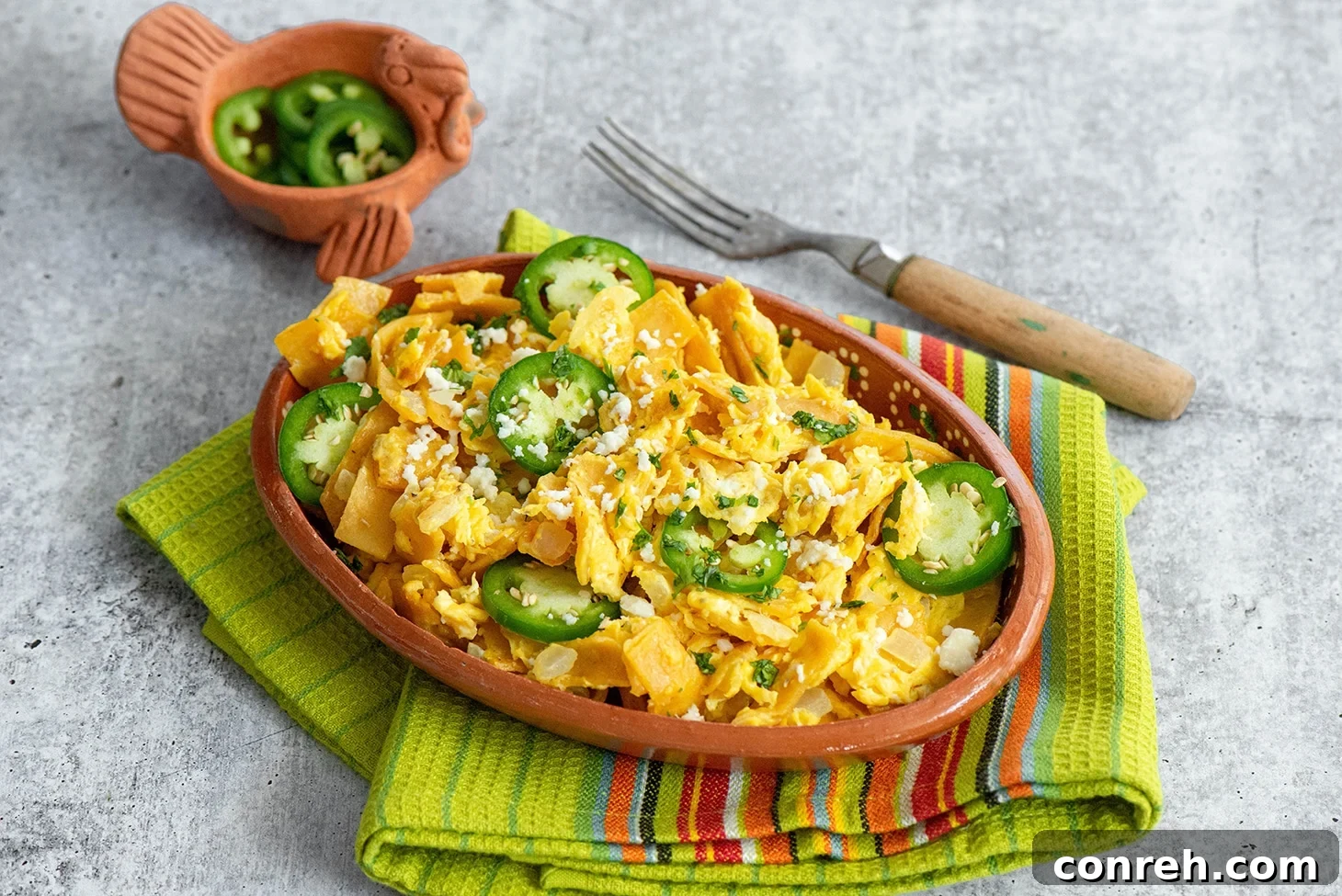
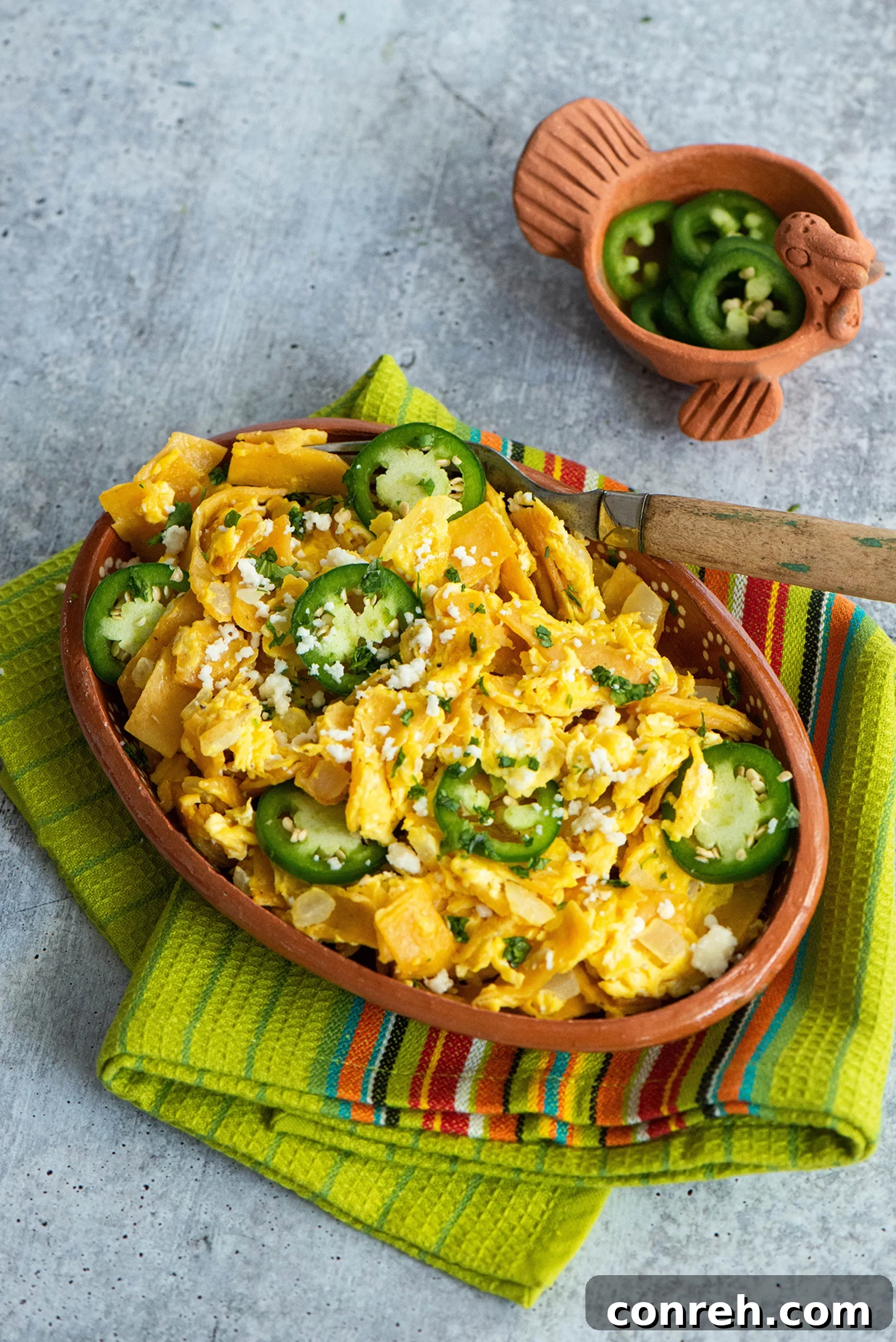
- Traditional Style: For an authentic Mexican experience, garnish your Migas generously with crumbled queso fresco, fresh cilantro, and extra sliced jalapeños for a burst of color and flavor. Serve it alongside a generous portion of warm, creamy refried beans and a stack of freshly warmed corn tortillas, perfect for scooping up every last delicious bite.
- Brunch-Ready Presentation: Elevate your Migas for a special brunch by pairing it with creamy avocado slices, a vibrant drizzle of your favorite homemade or store-bought salsa (salsa roja or salsa verde works beautifully), and a refreshing beverage like a tall glass of agua fresca (such as jamaica or horchata) or a steaming cup of traditional Mexican coffee (café de olla).
- Hearty Tex-Mex Style: If you prefer a richer, more robust version, embrace the Tex-Mex influence. Top your Migas with a spoonful of fresh pico de gallo, a dollop of cool sour cream or Mexican crema, and a sprinkle of shredded Monterey Jack or cheddar cheese that melts enticingly over the warm dish.
- Family-Style Sharing: Migas is a communal dish at heart. Bring the hot skillet directly to the table and let everyone serve themselves. Arrange a variety of toppings in small bowls – cilantro, diced avocado, different salsas, hot sauce, and various cheeses – allowing each family member to customize their plate to their liking. This encourages interaction and makes the meal even more enjoyable.
No matter how you choose to serve it, Migas promises a flavorful and comforting experience that brings people together.
Storage and Reheating Suggestions for Migas
While Migas is undeniably at its best when enjoyed immediately after cooking, sometimes you might have leftovers. Here are some tips for storing and reheating your Migas to maintain as much of its delicious flavor and texture as possible:
- Refrigeration: Allow your cooked Migas to cool completely to room temperature before storing. Transfer it to an airtight container and refrigerate promptly. Properly stored, Migas can be kept in the refrigerator for up to 2 days. Beyond this, the tortilla pieces may become too soft and lose their desirable texture.
- Reheating: To bring your Migas back to life, the best method is to reheat it in a skillet over medium heat. This allows the tortilla pieces to regain some of their crispiness. Add a tiny splash of oil if the skillet seems dry. Gently stir and warm until heated through, typically for 5-7 minutes. Avoid reheating Migas in the microwave, as this method tends to make the tortillas soggy and can result in a less appetizing texture.
- Freezing: Unfortunately, Migas does not freeze well. The fried tortilla pieces, once frozen and thawed, tend to become mushy and lose their characteristic crispness. For this reason, it is highly recommended to prepare only the amount of Migas you intend to consume fresh to fully enjoy its texture and flavor.
By following these simple storage and reheating guidelines, you can still savor leftover Migas without significant compromise to its deliciousness.
Frequently Asked Questions About Migas
Migas is definitely best prepared and served fresh, as the crispy tortillas lose their delightful crunch the longer they sit. However, you can significantly speed up the cooking process by prepping ingredients like chopping the onions, slicing the tortillas, and preparing your desired toppings in advance. This way, you can whip up fresh Migas in minutes when you’re ready to eat.
While both Migas and Chilaquiles are popular Mexican dishes that utilize fried tortillas, their preparation and resulting textures are quite distinct. Chilaquiles involve simmering fried tortilla pieces (totopos) directly in a flavorful salsa until they soften, often topped with cream, cheese, and sometimes chicken or an egg. Migas, on the other hand, keeps the tortilla pieces crisp by folding them into scrambled eggs, creating a drier, crispier dish where the tortillas retain their crunch.
To add more heat to your Migas, you have several options: increase the amount of fresh diced serrano peppers, stir in a generous splash of your favorite hot sauce, or sauté the tortilla pieces with a spoonful of chile oil for an infused spice. For a smoky and robust kick, consider adding a tablespoon of chipotle salsa (either canned chipotles in adobo, finely chopped, or a pre-made chipotle salsa) to the egg mixture.
Absolutely not! While Migas is traditionally enjoyed as a breakfast or brunch dish, especially on weekends, its hearty and satisfying nature makes it a perfect meal for any time of the day. It can be a quick and easy lunch, a comforting dinner, or even a delicious late-night snack when you’re craving something warm and flavorful.
Classic accompaniments for Migas include creamy refried beans, crispy roasted potatoes or home fries, and a simple fresh green salad to balance the richness. For beverages, consider a rich café con leche, a comforting cup of Mexican hot chocolate, or a refreshing glass of agua de jamaica (hibiscus iced tea).
Migas is far more than just a combination of eggs and tortillas; it’s a culinary narrative that speaks volumes about Mexican ingenuity, the joy of communal meals, and the profound satisfaction of transforming simple, everyday ingredients into something truly delicious. Whether you choose to savor it as a swift weekday breakfast or elevate it as the star of a leisurely weekend brunch, Migas possesses an inherent ability to infuse any table with warmth and hospitality. Personalize it with your preferred toppings, share its comforting embrace with loved ones, and immerse yourself in a taste of tradition that, like true comfort, never goes out of style. This versatile and flavorful dish stands as a testament to the enduring appeal of authentic Mexican home cooking.
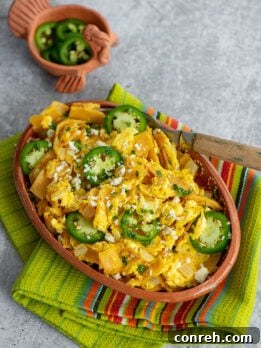
Migas: Authentic Mexican Scrambled Eggs with Tortillas
-
Author:
Ericka Sanchez -
Prep Time:
10 minutes -
Cook Time:
12 minutes -
Total Time:
22 minutes -
Yield:
serves 4
Description
Discover the authentic Mexican breakfast dish, Migas. Crispy corn tortillas scrambled with fluffy eggs and fresh toppings create an easy, comforting, and tradition-rich meal perfect for any time of day.
Ingredients
- 2 tablespoons cooking oil (vegetable or canola recommended)
- 4 corn tortillas, preferably day-old, sliced into small pieces (strips or squares)
- ¼ cup white onion, finely chopped
- 4 large eggs
- Salt to taste
- Black pepper to taste
- Fresh jalapeño slices (for garnish, optional)
- Queso fresco, crumbled (for garnish, optional)
- Fresh cilantro, chopped (for garnish, optional)
Instructions
- Heat the cooking oil in a large non-stick skillet over medium heat. Add the sliced tortilla pieces and fry, stirring occasionally, until they are golden brown and crispy. This usually takes about 5 minutes.
- Add the chopped white onion to the skillet with the crispy tortillas. Continue to stir and cook for another 2 minutes, or until the onion begins to soften and become translucent.
- In a separate bowl, whisk the eggs with a pinch of salt and pepper. Pour the whisked eggs directly into the skillet with the tortillas and onions. Using a spatula, gently fold all the ingredients together as the eggs begin to set. Continue cooking for approximately 4 minutes, or until the eggs are cooked to your desired consistency (fluffy and firm).
- Immediately transfer the hot Migas to a serving dish. Garnish generously with fresh jalapeño slices, chopped cilantro, and crumbled queso fresco, if desired. Serve hot with your favorite sides and enjoy!