Carnitas: The Ultimate Guide to Authentic Mexican Slow-Cooked Perfection
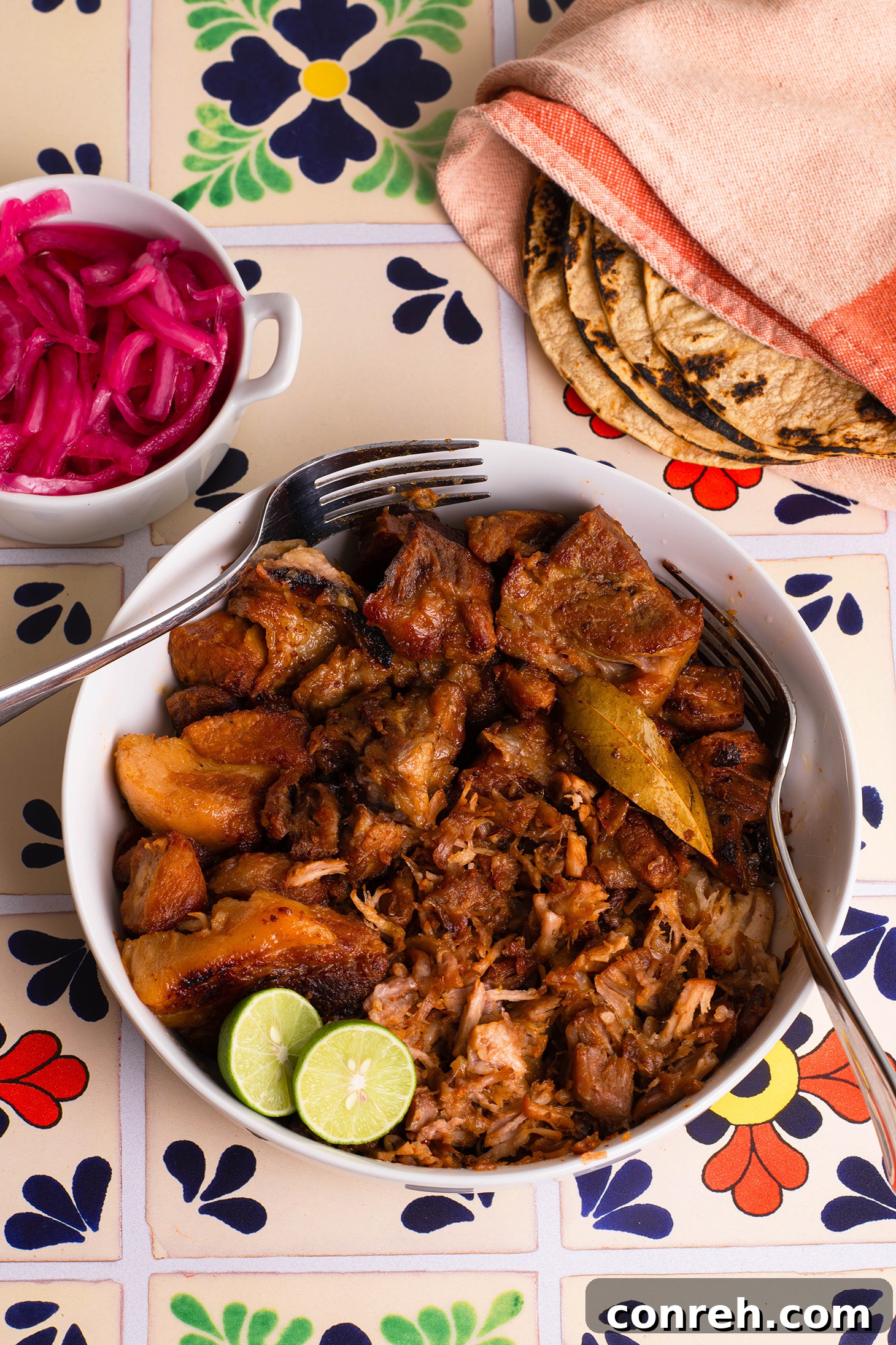
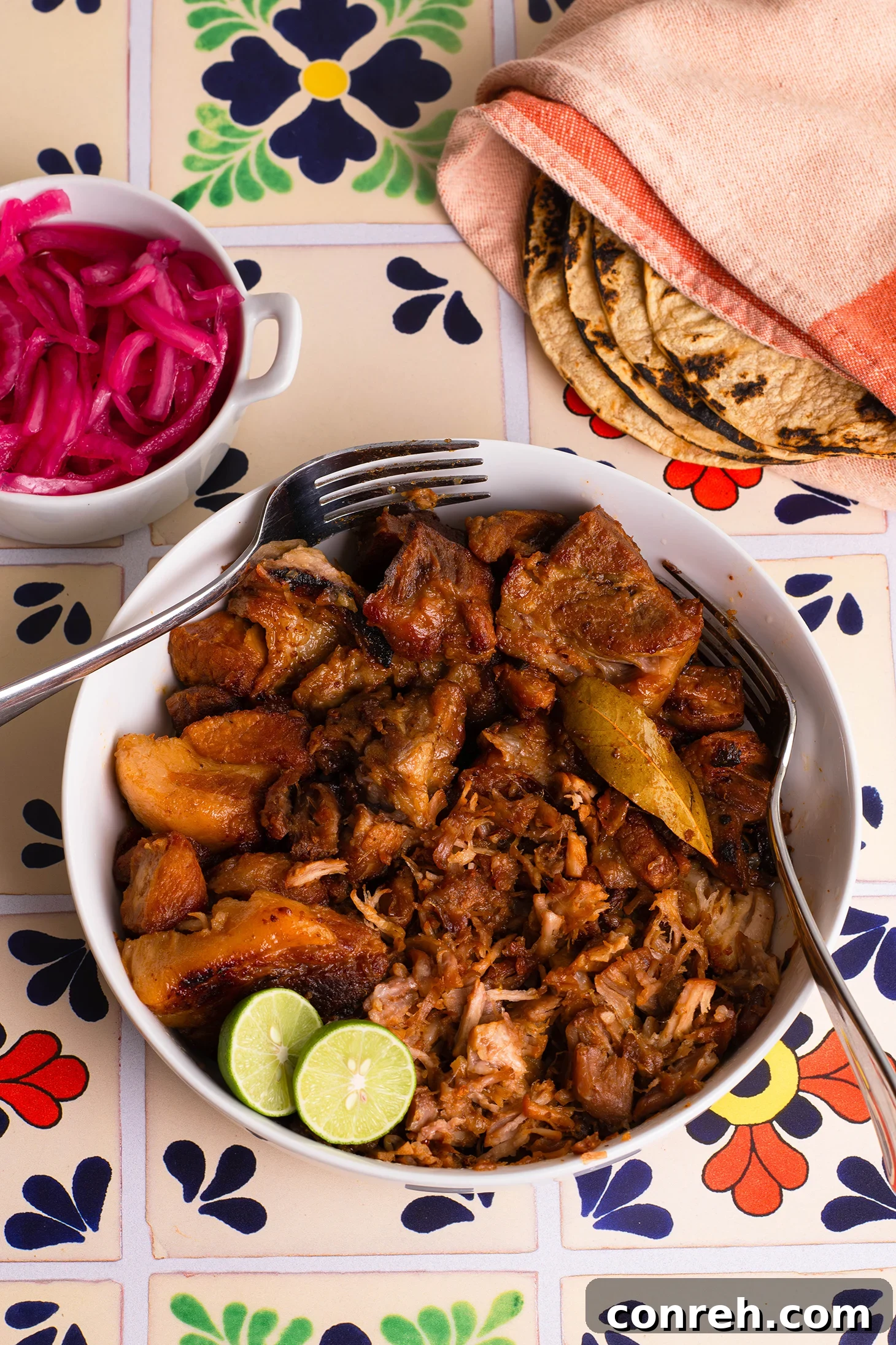
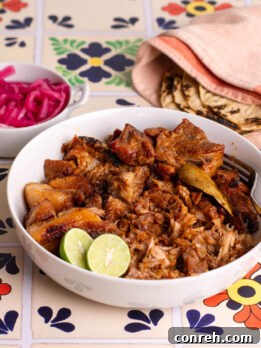
Few dishes capture the soul and warmth of Mexican cuisine quite like Carnitas. Originating from the culinary heartland of Michoacán, this iconic dish is a testament to the magic that happens when simple ingredients are transformed through time and tradition. Picture this: succulent pork, slow-cooked to an unimaginable tenderness, then rendered until its edges become perfectly golden and irresistibly crispy. It’s a symphony of textures and flavors that makes Carnitas an absolute cornerstone of Mexican comfort food.
The very word “Carnitas” translates to “little meats,” a humble name for a dish that delivers such profound satisfaction. Each bite offers a delightful contrast – a melt-in-your-mouth interior encased in a beautifully caramelized, savory crust. Whether nestled in a warm corn tortilla as a taco, layered in a crusty roll for a torta, or savored straight from the pot, Carnitas delivers a deeply satisfying experience. This comprehensive guide will walk you through the process of creating authentic Carnitas, blending time-honored techniques with a hint of modern flair. Our recipe incorporates the subtle sweetness of Coca-Cola and the bright acidity of orange juice, achieving a harmonious balance that elevates the rich, savory pork to new heights. Prepare to fill your kitchen with an aroma that promises pure culinary bliss and transport your taste buds straight to Mexico.
Related Recipe: Tacos al Pastor: A Street Food Classic
Unlocking the Flavor: Why This Carnitas Recipe Excels
Our Carnitas recipe stands out by honoring the centuries-old slow-cooking method while making it accessible for the contemporary home kitchen, typically using a sturdy Dutch oven or a heavy-bottomed pot. The secret to truly exceptional Carnitas lies in the careful rendering of pork in its own fat, a process akin to confit. This method ensures every morsel of meat becomes incredibly moist and tender, imbued with unparalleled depth of flavor. It’s a slow transformation where pork is gently braised, then fried in its own glorious rendered fat, creating the signature crispy exterior.
The foundation of this recipe is built upon a blend of traditional ingredients that lay the groundwork for an authentic taste. Rich pork lard provides the perfect medium for cooking, infusing the meat with a savory richness. Aromatic garlic and fragrant bay leaves contribute earthy undertones, while essential sea salt seasons the pork from within. The inclusion of Coca-Cola and fresh orange juice is a clever twist that serves multiple purposes. The natural acids from the orange juice help to tenderize the pork by breaking down tough muscle fibers, while its bright, zesty notes cut through the richness of the fat. The Coca-Cola, beyond adding a subtle sweetness, also assists in the tenderization process and contributes to the beautiful caramelization, helping to achieve those highly sought-after golden-brown, crispy bits.
As the pork gently simmers, the initial liquid gradually reduces and evaporates. This allows the pork pieces to eventually confit and then fry in their own rendered fat, leading to the transformative crisping of the exterior while the interior remains incredibly juicy. This dual texture – gloriously crispy on the outside, meltingly tender within – is the hallmark of truly authentic and unforgettable Carnitas, making every bite an exquisite delight. This combination of slow cooking, careful seasoning, and a unique tenderizing-and-crisping liquid profile makes this recipe a guaranteed success for the perfect homemade Carnitas.
The Rich Tapestry of Carnitas: History and Culture in Michoacán
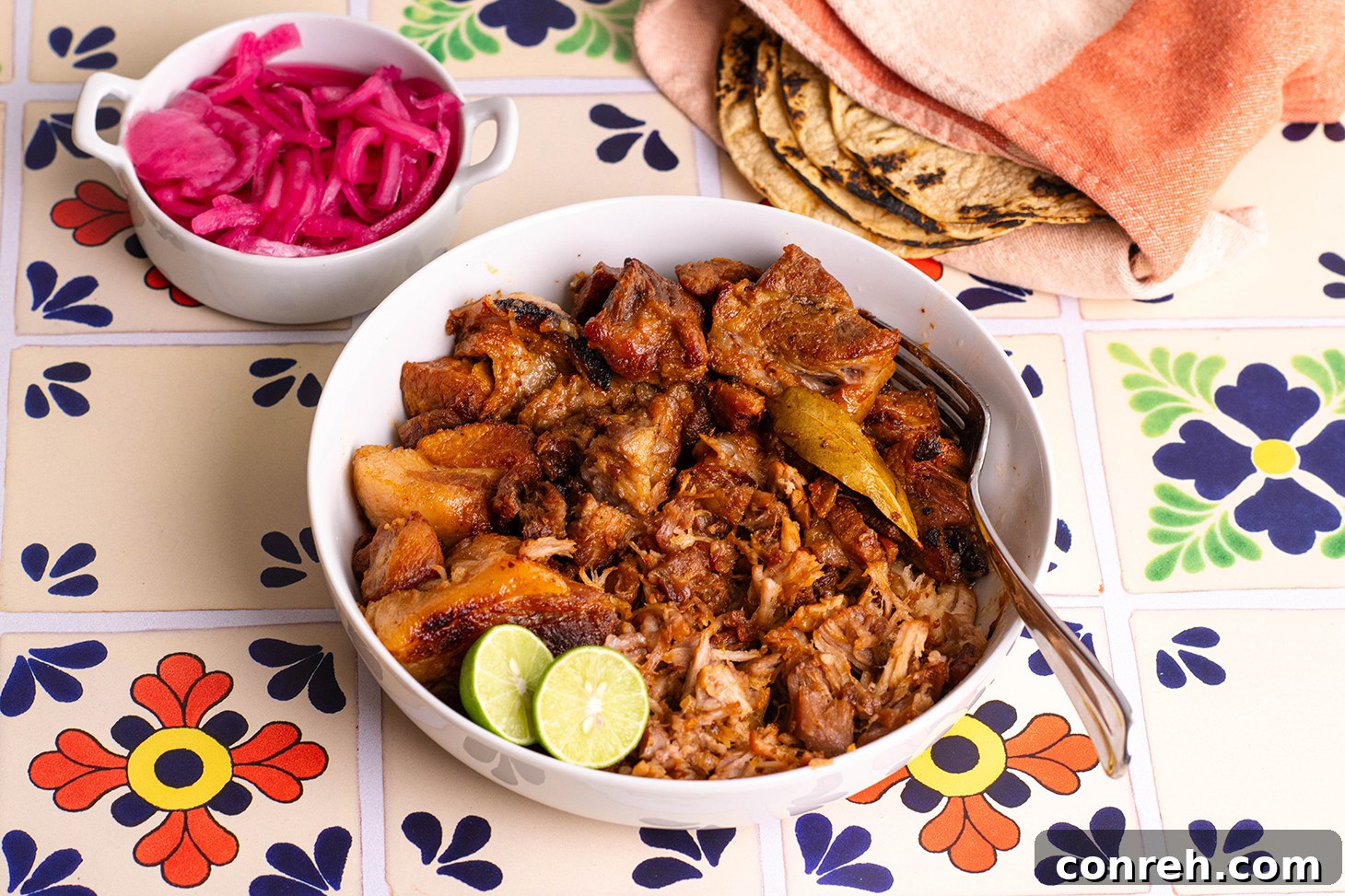
The story of Carnitas is deeply intertwined with the vibrant culture of Michoacán, a Mexican state proudly known as the “carnitas capital” of the world. This culinary tradition dates back centuries, evolving from the necessity of preserving pork into a celebrated art form. In towns such as Quiroga and Uruapan, the preparation of Carnitas is not merely cooking; it’s a sacred ritual, passed down through generations, embodying the spirit of Mexican gastronomy.
Here, local vendors, known as “carniceros,” meticulously prepare the dish in massive, gleaming copper pots, referred to as *cazos de cobre*, over roaring open flames. This traditional method allows for the use of various cuts of pork – from the succulent shoulder and tender ribs to the flavorful skin (*chicharrón*) and other prized parts – each contributing distinct textures and depths of flavor to the final product. The philosophy is nose-to-tail, ensuring nothing goes to waste and every part of the pig adds to the rich mosaic of flavors.
The cooking process is a slow, laborious labor of love, often taking many hours as the pork simmers gently in its own fat and a medley of liquids and aromatics. This extended cooking time fills entire plazas with the intoxicating aroma of simmering pork, garlic, and citrus. This fragrant cloud is an open invitation, drawing families and communities together, transforming the act of eating into a shared celebration. Historically, Carnitas have always been more than just a meal; they are a focal point for community gatherings and celebrations. They symbolize togetherness, bringing families and neighbors around a shared table for everything from joyous holidays and bustling fiestas to simple, cherished Sunday meals. The ritual of patiently slow-cooking the meat, stirring it gently, tasting for perfection, and finally serving it with pride, embodies an act of profound love and dedication. It’s a culinary legacy, a delicious story told through generations, making each bite of Carnitas a taste of Mexico’s rich heritage and enduring communal spirit.
Personalize Your Plate: Essential & Optional Ingredient Variations for Carnitas
Like many cherished Mexican recipes, Carnitas offers wonderful flexibility for personalization, allowing you to adapt it to your taste while honoring its authentic roots. Experiment with these variations to create your signature Carnitas, tailored perfectly to your palate:
- Cuts of Meat: While boneless pork butt (also known as pork shoulder) is the undisputed classic choice due to its ideal marbling and fat content that renders beautifully, don’t hesitate to experiment with a mix of cuts. Incorporating pork belly can add an extra layer of richness and a truly melt-in-your-mouth texture. Including pork ribs can provide a delightful textural contrast and infuse the meat with a deeper, bone-in flavor. A combination of cuts often ensures a diverse range of textures, from crispy bits to succulent, tender shreds, providing a more complex and satisfying experience.
- Lard Alternatives: Traditional Carnitas heavily rely on high-quality pork lard for its unique flavor, rich texture, and superior crisping properties. It’s the secret to that authentic, unforgettable taste. However, if you’re seeking a lighter alternative or prefer not to use lard, a combination of high-quality vegetable oil (like canola or grapeseed oil) or avocado oil with a touch of unsalted butter can yield delicious results. Be aware that while still tasty, the depth of flavor and the crispiness might be slightly different from the traditional, lard-cooked rendition.
- Sweeteners: Our recipe uses Coca-Cola for its unique sweetness and tenderizing qualities. For a truly authentic Mexican flavor profile, consider swapping it for Mexican cola, which is typically made with real cane sugar, offering a purer, more natural sweetness. Alternatively, for a deeper, more rustic sweetness and rich caramel notes, you can use *piloncillo* (Mexican brown sugar cone), dissolved into a syrup, or a modest amount of honey. These alternatives can add nuanced layers of flavor.
- Aromatics & Spices: Elevate the aromatic complexity of your Carnitas with additional spices and herbs. A single cinnamon stick or a few whole cloves can impart a subtle warmth and exotic aroma. Adding a strip of fresh orange or lime zest early in the cooking process will intensify the bright citrus notes. Consider incorporating a few sprigs of fresh marjoram or thyme for an herbal undertone that complements the rich pork beautifully. Some regional variations even include a pinch of oregano or cumin.
- Citrus Options: Oranges are fundamental for their tenderizing properties and bright flavor profile. If fresh oranges aren’t available, or you simply wish to experiment, a blend of lime and pineapple juice can introduce a fantastic tangy, tropical twist. The enzymes in pineapple juice are particularly effective at tenderizing meat, offering a slightly different but equally delicious outcome.
- A Touch of Milk: A lesser-known but traditional technique in some regions involves adding a small amount of milk (about half a cup) during the initial cooking stage. This addition is believed to help further tenderize the pork and contributes to a richer, more even golden-brown crust as the milk solids caramelize. Add it along with the water and salt mixture.
Serving Up Happiness: Creative Ways to Enjoy Your Carnitas
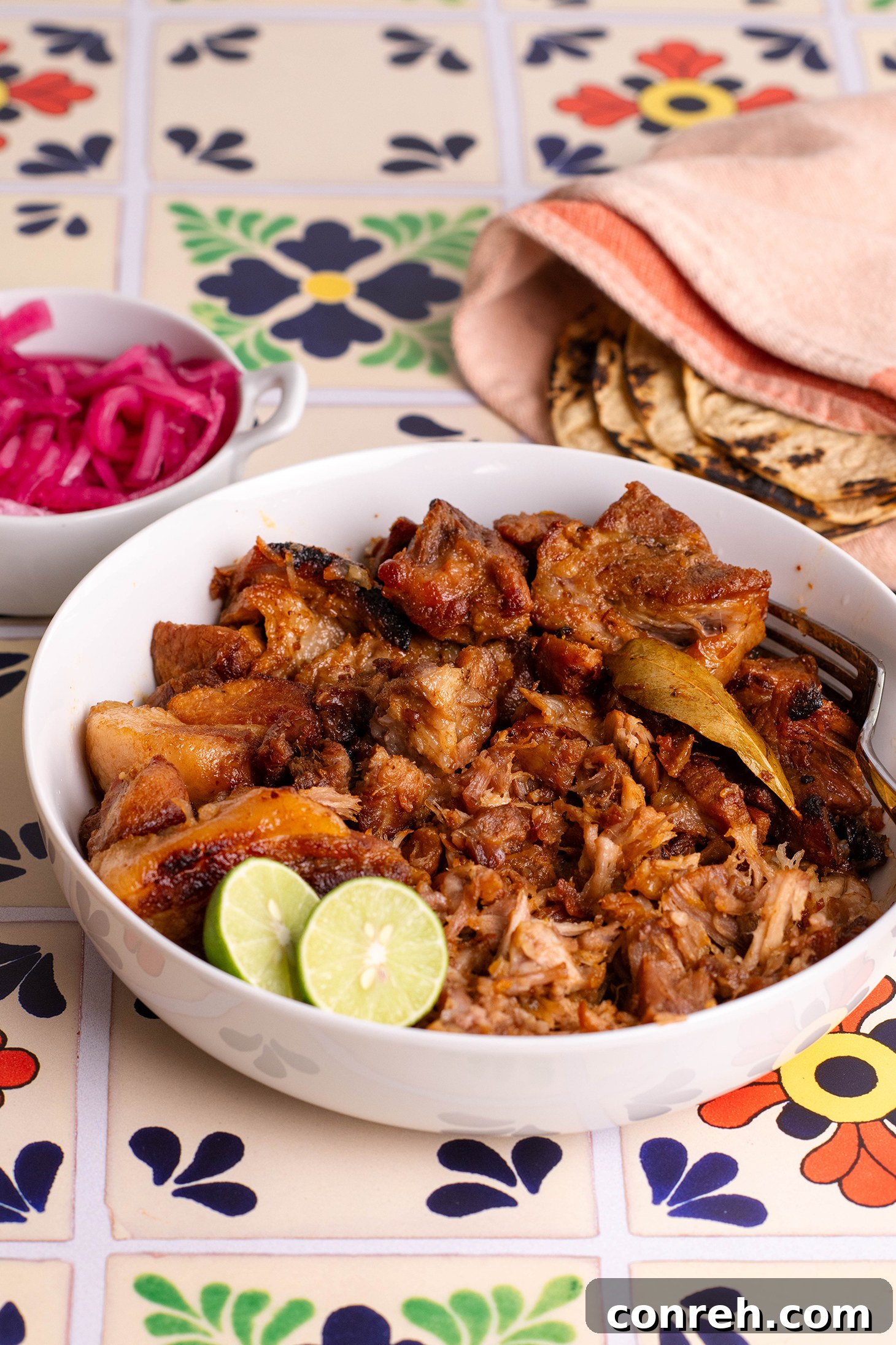
Carnitas are incredibly versatile, offering endless possibilities for serving, though the taco remains the undisputed champion. Their rich flavor and tender-crisp texture make them a perfect foundation for a variety of meals. Here are some delectable suggestions to make the most of your homemade Carnitas:
- Classic Carnitas Tacos: The gold standard! Gently warm soft corn tortillas (preferably freshly made) until pliable and fragrant. Pile them high with generous portions of your tender, shredded Carnitas. Garnish simply with finely diced white onion, a sprinkle of fresh cilantro, and a generous squeeze of lime juice for brightness. A spoonful of vibrant salsa verde or a fiery salsa roja adds the perfect piquant kick. For an extra layer of flavor and texture, consider adding pickled red onions, cool avocado slices or guacamole, or a sprinkle of crumbled *cotija* cheese.
- Hearty Tortas de Carnitas: Elevate your sandwich game with a Mexican torta. Split a crusty *telera* roll or a soft bolillo, lightly toast it, and spread with creamy refried beans. Then, generously stuff with juicy Carnitas, tangy pickled jalapeños, cool avocado slices, and a dash of mayonnaise or Mexican crema. Press it lightly and enjoy a truly satisfying sandwich.
- Carnitas Plates: For a more complete meal, serve the shredded pork alongside fluffy arroz rojo (Mexican red rice) and a side of savory frijoles charros (charro beans) or simple black beans for a fulfilling and traditional Mexican feast.
- Breakfast Bonanza: Don’t limit Carnitas to lunch or dinner! Incorporate them into your breakfast spread for a delicious start to the day. They are fantastic folded into chilaquiles, scrambled with eggs for a hearty *machaca*-style breakfast, or used as a flavorful filling for homemade tamales or breakfast burritos.
- Creative Appetizers & Snacks: Use Carnitas as a topping for *sopes* (thick corn tortillas with toppings), crisp *tostadas*, savory *quesadillas*, or even a unique Carnitas Nachos for a crowd-pleasing appetizer. They also make a fantastic addition to loaded fries or baked potatoes.
- The Ultimate Taquiza: For entertaining, set up a DIY *taquiza* (taco bar) and let your guests build their own culinary creations. Offer an array of salsas (mild to spicy), freshly chopped white onions, cilantro, lime wedges, sliced radishes, avocado, and various other toppings. It’s an interactive, festive, and delightful way to enjoy Carnitas with friends and family.
Smart Storage and Reheating Tips for Your Carnitas
One of the many virtues of Carnitas is how wonderfully they store, making them an excellent candidate for meal prep or enjoying delicious leftovers throughout the week. Once your succulent Carnitas have cooled completely to room temperature, transfer the meat, along with a generous spoonful or two of its flavorful cooking liquid (the precious rendered fat), into an airtight container. Refrigerate promptly, and they will keep beautifully for up to 4 days, ready to be transformed into another delightful meal.
To revive their irresistible texture and flavor, especially that signature crispiness, follow these simple reheating methods:
- For Crispy Perfection (Broiler Method): The absolute best way to bring back that signature crispiness is to spread the refrigerated meat in a single layer on a baking sheet. Broil under high heat for 3–5 minutes, keeping a close eye on it (broilers can be intense!), until the edges begin to crisp and caramelize again. This method perfectly restores their coveted crunchy exterior while keeping the interior tender.
- Skillet Reheating: Alternatively, you can reheat Carnitas in a sturdy skillet over medium heat. Add a spoonful of the reserved lard or cooking liquid to the pan to prevent sticking and aid in re-crisping. Stir occasionally until heated through and lightly re-crisped to your liking. This method works well for smaller batches.
Carnitas also freeze exceptionally well, offering a convenient solution for future meals. Store them in an airtight, freezer-safe container or heavy-duty freezer bags for up to 3 months. To freeze, ensure the meat is completely cooled, then pack it with a little of its rendered fat to preserve moisture and flavor. When you’re ready to enjoy them again, simply thaw the frozen Carnitas overnight in the refrigerator, then reheat using one of the methods described above to bring back their glorious taste and texture as if they were freshly made.
Frequently Asked Questions About Carnitas
Absolutely! While traditional Carnitas are made on the stovetop, modern appliances offer convenient alternatives. For a slow cooker, combine all ingredients (except for the final crisping fat, which you can add later) and cook the pork on low for 6–8 hours or on high for 4–5 hours until it’s perfectly fork-tender. If using an Instant Pot, combine ingredients and cook on high pressure for 40–45 minutes, followed by a natural pressure release. After cooking in either appliance, transfer the tender pork to a baking sheet and broil for a few minutes, or crisp it up in a hot skillet with some of the rendered fat, to achieve those essential crispy edges that make Carnitas so special.
Lard is highly recommended for authentic Carnitas flavor and superior crisping. Its unique fat composition renders the pork incredibly tender and yields the best crispy texture. It’s a key component of the confit process. However, if you prefer an alternative, you can substitute it with vegetable oil (like canola or grapeseed), avocado oil, or a blend of oil and unsalted butter. Be aware that while these alternatives will still produce delicious Carnitas, the flavor profile might be slightly milder, and the crispiness might not be as pronounced as with traditional pork lard.
Achieving those coveted crispy edges is crucial for great Carnitas! After the pork has cooked until tender and has been shredded, the key is to finish it with high heat. The most effective method is to spread the shredded meat in a single layer on a baking sheet (you can drizzle a little extra rendered fat over it) and broil for 3-7 minutes. Watch it very carefully to prevent burning, until golden brown and beautifully crispy. Alternatively, you can return the shredded pork to a hot, heavy-bottomed skillet with some of the rendered cooking fat and sear it over medium-high heat, stirring occasionally, until it reaches your desired level of caramelization and crispness.
The absolute best cut for Carnitas is pork butt, also widely known as pork shoulder. This cut is ideal because it has a good balance of lean meat and fat marbling, which renders down beautifully during the slow cooking process, keeping the meat incredibly moist, tender, and contributing significantly to its rich flavor. Some traditional recipes also incorporate a mix of cuts, such as pork belly (for extra richness and a melt-in-your-mouth texture) or even pork ribs, to achieve a variety of textures and flavors in the final dish. Avoid very lean cuts like tenderloin or pork loin, as they tend to dry out during the long cooking time required for Carnitas.
While both Carnitas and pulled pork involve slow-cooking pork until it’s tender enough to shred, there are distinct differences in their cooking methods and resulting flavor/texture profiles. Pulled pork is typically cooked in a liquid base (like barbecue sauce, apple cider vinegar, or broth) and then shredded and often mixed back with that sauce. Carnitas, on the other hand, are traditionally cooked in lard (pork fat) or a combination of fat and liquid (like water, orange juice, and soda) until all the liquid evaporates. The pork then essentially “confits” and fries in its own fat. This unique confit-frying process is what gives Carnitas their signature crispy exterior and deeply savory, melt-in-your-mouth interior, differentiating them significantly in both texture and flavor profile from standard pulled pork.
Absolutely! While classic Carnitas are not inherently spicy, you can easily add a kick. During the initial cooking stage, you can add dried chiles like ancho, guajillo, or chipotle peppers (rehydrated and pureed or whole) to the liquid. Alternatively, for a simpler approach, serve the finished Carnitas with a spicy salsa roja or salsa macha, or sprinkle with a pinch of cayenne pepper or chili powder before the final crisping step. You can also add a few sliced jalapeños or serrano peppers to the pot during the last hour of cooking for a fresh, vibrant heat.
Carnitas are truly more than just a dish; they are a culinary narrative, a story of tradition, patience, and the joy of coming together. Every golden, crispy, and tender bite carries with it a piece of Mexico’s rich gastronomic heritage, where humble ingredients are transformed into something utterly extraordinary. Whether you’re orchestrating a festive gathering or simply preparing a comforting weekend meal for your loved ones, this recipe invites the vibrant spirit of Michoacán straight into your kitchen. With warm tortillas at the ready and family gathered around, you’ll experience Carnitas exactly as they’re meant to be – a delicious celebration of life, culture, and unforgettable flavor.
Print
Authentic Carnitas Recipe
5 Stars 4 Stars 3 Stars 2 Stars 1 Star
No reviews
Author: Ericka Sanchez
Prep Time: 10 minutes
Cook Time: 2 hours
Total Time: 2 hours 10 minutes
Yield: Serves 6
Ingredients
Scale
- 13 ounces high-quality pork lard
- 2.6 pounds boneless pork butt (shoulder), cut into 2-inch pieces
- 6 large garlic cloves, peeled and lightly smashed
- 2 bay leaves
- ½ cup warm water
- 1 tablespoon fine sea salt
- 1 cup Coca-Cola (room temperature, traditional or Mexican cola preferred)
- 1 cup fresh orange juice
- 1 medium orange, sliced in quarters
Instructions
- In a sturdy 6-quart Dutch oven or a similarly heavy-bottomed pot, melt the pork lard over medium heat until completely liquid. Carefully add the pork butt pieces to the melted lard. Fry the pork, stirring occasionally, until all sides are nicely browned and golden spots begin to form, indicating a good sear and flavor development. Add the peeled and lightly smashed garlic cloves and bay leaves to the pot. Reduce the heat to medium-low, cover the pot with a tight-fitting lid, and allow it to cook gently for 1 hour. During this hour, make sure to turn the pork pieces every 10-15 minutes to ensure even cooking and browning.
- While the pork is simmering, prepare your salt solution. In a small bowl, combine the ½ cup of warm water with 1 tablespoon of fine sea salt. Stir thoroughly until the salt is completely dissolved. Set this mixture aside for later use.
- After the initial hour of cooking, remove the lid. Pour in the Coca-Cola (ensure it’s at room temperature to avoid cooling down the pot too much), fresh orange juice, and add the orange quarters to the pot. Stir in the dissolved water and salt mixture. Bring the liquid back to a gentle simmer. Cover the pot again and continue to cook for an additional 1 hour. Throughout this second hour, stir the contents every 15 minutes. During this stage, the liquid will begin to reduce, and the pork will become incredibly tender as it braises.
- Once the pork is fork-tender and the liquid has mostly evaporated, leaving the pork to confit in its rendered fat, carefully remove the carnitas pieces from the Dutch oven. Transfer them to a cutting board or a shallow dish. Using two forks, or your hands if the meat is cool enough, shred the pork into desired bite-sized pieces. For that essential crispy finish, you can return the shredded pork to the hot fat remaining in the Dutch oven or spread it on a baking sheet and broil for a few minutes until the edges are golden and delightfully crispy. Serve your freshly made Carnitas immediately, hot and ready for your favorite preparations.