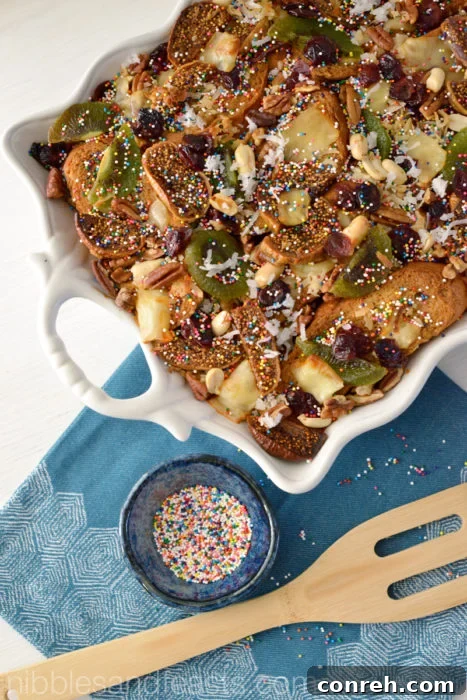
Capirotada: A Heartwarming Mexican Bread Pudding for Lent
Capirotada, often referred to as Mexican bread pudding, is far more than just a dessert; it’s a cherished culinary tradition deeply embedded in Mexican culture, especially during the Lenten season. This humble yet profoundly flavorful dish tells a story of resourcefulness, faith, and family, making it a staple in homes across Mexico and among Mexican communities worldwide. Its origins are often linked to using up leftover ingredients before the Lenten fast, embodying a spirit of no waste and thoughtful preparation.
For those who observe Lent, Capirotada serves a dual purpose. Beyond its symbolic importance, it provides a hearty and satisfying meal during a time when many abstain from meat. The inclusion of cheese offers a valuable source of protein, making it a fulfilling option during Holy Week and the Fridays leading up to Easter. Each ingredient in Capirotada is believed to carry religious symbolism: the bread represents the Body of Christ, the piloncillo syrup His blood, the cheese His holy shroud, and other additions like nuts and fruits symbolizing tears or suffering. This rich symbolism elevates Capirotada from a simple dish to a profound expression of faith and remembrance.
The Enduring Tradition of Capirotada
Every year, families eagerly anticipate the arrival of Lent, not just for its spiritual significance, but for the comforting taste of Capirotada. What makes this dish truly special is its adaptability and the lack of a single “authentic” recipe. Rather, it’s a dish passed down through generations, with each Mexican family boasting their own unique version. This culinary evolution means that while certain staples are non-negotiable—stale bread, a rich piloncillo syrup, and a generous amount of cheese—the myriad of additions truly define a family’s signature Capirotada.
Beyond the core components, it’s not uncommon to find variations that include unexpected ingredients. Some traditional recipes incorporate tomatoes, onions, or even tortillas, adding layers of savory complexity that might surprise those unfamiliar with the dish. These additions contribute to a delicious interplay of sweet and savory notes, demonstrating the ingenuity and culinary creativity ingrained in Mexican cooking. It’s this beautiful diversity that ensures Capirotada remains a vibrant and personal culinary experience for everyone who makes it.
Crafting Your Capirotada: A Culinary Journey of Customization
The beauty of Capirotada lies in its invitation to personalize. While I endeavor to prepare Capirotada at least once a year, I rarely make the same exact version twice. Each Lenten season presents an opportunity to experiment, substituting or introducing a new ingredient that catches my eye. This year, for instance, my culinary exploration led me to incorporate dried kiwi slices and cranberries plumped in strawberry juice, delightful finds from a local farmer’s market. These subtle alterations breathe new life into a beloved classic, keeping the tradition fresh and exciting.
The possibilities for customization are truly endless, allowing each cook to leave their personal stamp on this communal dish. Whether you’re adhering to a classic recipe or venturing into new flavor combinations, Capirotada welcomes innovation. Here are some popular variations and substitutions to inspire your own creation:
- **Fruits:** Enhance the sweetness and texture with chopped bananas or apples, or dried fruits like raisins, prunes, or apricots. The fruit adds a pleasant chewiness and natural sugars.
- **Nuts:** Introduce a satisfying crunch and nutty aroma with chopped walnuts, almonds, pecans, or even peanuts. These also provide additional protein and healthy fats.
- **Citrus Peel:** Grated orange or lemon peel can infuse the syrup and the entire pudding with a bright, aromatic zest, cutting through the richness.
- **Bread Alternatives:** While bolillos are traditional, day-old French bread or even challah can serve as excellent substitutes, providing a similar texture and absorbency. The key is using slightly stale bread that can soak up the syrup without becoming mushy.
- **Sweetener Substitutions:** If piloncillo is unavailable, packed dark brown sugar is a suitable alternative, offering a similar molasses-rich depth to the syrup. Maple syrup or honey can also be explored for different flavor profiles.
- **Cheese Varieties:** Any mild, good melting cheese will work beautifully. Monterrey Jack, white cheddar, or even a mild Muenster are excellent choices, providing the creamy, slightly savory contrast essential to Capirotada. Some recipes also call for a sprinkle of crumbled Cotija cheese on top for a salty finish.
- **Additional Liquids:** Incorporating a splash of orange juice into the syrup can brighten its flavor, or soaking the bread briefly in milk before layering can add an extra layer of richness.
- **Spices:** Beyond cinnamon and cloves, consider a pinch of star anise or a touch of allspice in the syrup for added warmth and complexity.
- **Toppings:** After baking, garnish with additional shredded coconut, more nuts, or for a festive touch, colorful nonpareils (grajea).
With such a flexible framework, it’s truly difficult to go wrong with Capirotada. It remains an accessible, humble dessert or sweet main dish that anyone can prepare, perfectly suited for the reflective season of Lent or as a delightful treat to welcome the vibrancy of spring.
Classic Capirotada Recipe
5 Stars
4 Stars
3 Stars
2 Stars
1 Star
No reviews
Ingredients
Scale
- 2 tablespoons butter
- 4 1/2 cups water
- 2 piloncillo cones (or 1 cup packed dark brown sugar)
- 1 4-inch cinnamon stick
- 3 whole cloves
- 6 stale bolillos (about 9 cups), torn into 1/2-inch pieces (or day-old French bread)
- 1 cup peanuts
- 1/2 cup pecans, chopped
- 1/2 pound Munster cheese, cut into small cubes (or Monterrey Jack, white cheddar)
- 1 can of pineapple chunks, drained
- 1 cup shredded coconut
- 10 slices dried kiwi fruit (optional)
- 1/2 cup dried cranberries soaked in strawberry juice (optional, or regular raisins)
- 10 dried white figs, sliced (optional)
- 4 tablespoons nonpareils (grajea) for garnish
Instructions
- Preheat your oven to 350° F (175° C).
- Generously butter a 9″x13″ baking dish, ensuring all sides are coated to prevent sticking and add flavor.
- In a medium saucepan, combine the water, piloncillo cones (or brown sugar), cinnamon stick, and whole cloves. Bring the mixture to a boil over medium-high heat. Once boiling, reduce the heat to a simmer and let it cook for 5-10 minutes, or until the piloncillo has fully dissolved and the liquid has slightly thickened into a fragrant syrup. Carefully strain the syrup to remove the cinnamon stick and cloves, then keep the warm syrup close by for layering.
- Begin assembling your Capirotada in the prepared baking dish. Distribute approximately one-third of the torn bread pieces evenly across the bottom. Over this bread layer, sprinkle about one-third of each of your chosen additions: nuts, cheese, pineapple, coconut, dried kiwi, cranberries, and figs. Drizzle about one-quarter or less of the warm piloncillo syrup over this layer, allowing it a moment to soak into the bread. Continue this layering process, alternating between bread, the mix of nuts, fruits, and cheese, and drizzling with syrup after each layer. Ensure each layer is well-moistened but not submerged. Finish with a final generous layer of cheese on top. Pour the remaining warm syrup evenly over the entire dish, ensuring all surfaces are covered.
- Cover the baking dish tightly with aluminum foil to trap moisture. Bake for 30-40 minutes, or until the Capirotada is heated through, and the top layer of cheese is bubbling and beginning to turn a light golden brown. For extra browning on the cheese, you may remove the foil for the last 5-10 minutes of baking.
- Serve the Capirotada warm, allowing it to cool slightly after removing from the oven for easier serving. Garnish generously with nonpareils (grajea) for a festive and colorful finish.
Notes for Success
Using stale bread is crucial for Capirotada, as it absorbs the syrup without becoming soggy. If you don’t have stale bread or want to prepare it yourself, you can slice fresh bread and lightly toast it. Place the bread pieces separately on a baking sheet under the broiler for about 5 minutes, or until they are lightly browned and crisp. Be sure to watch them closely to prevent burning. Remove from the broiler and set aside to cool slightly before tearing into pieces.
The richness of Capirotada also depends heavily on the quality of your piloncillo syrup. Don’t rush the simmering process; allow it enough time to develop a thick, luscious consistency that will beautifully coat the bread and other ingredients.