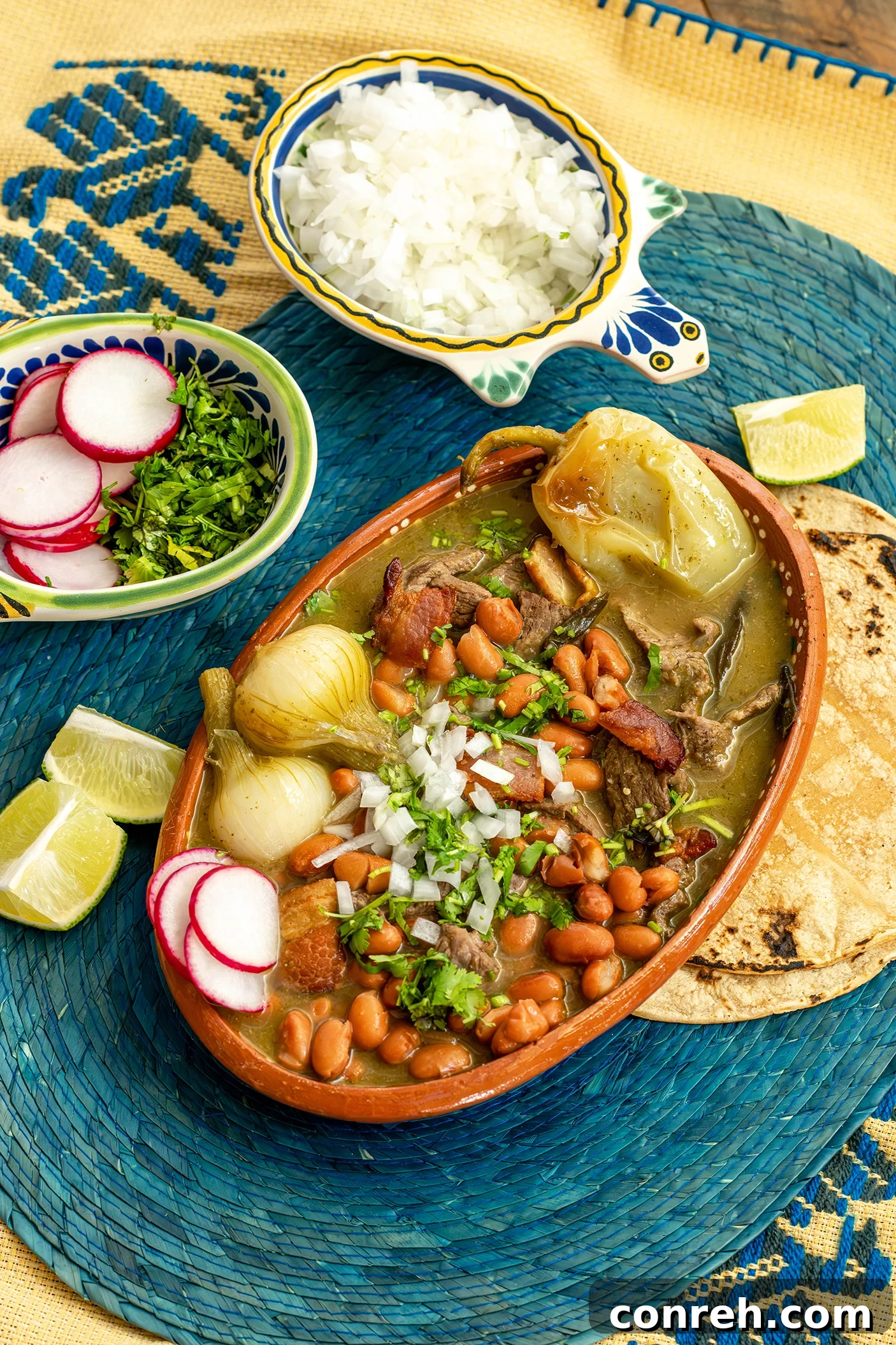
Carne en su Jugo: An Authentic Taste of Jalisco’s Heart
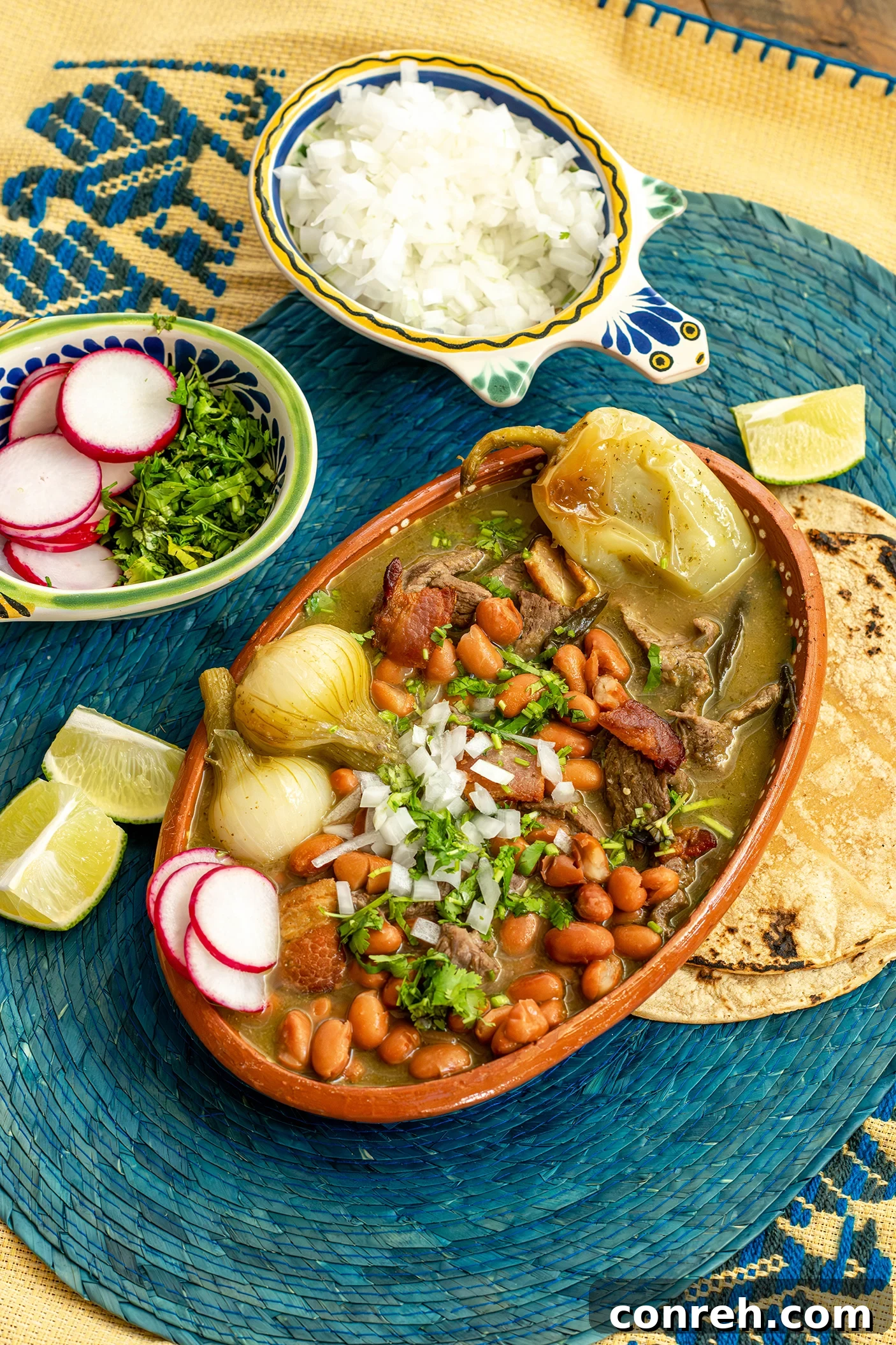
Carne en su Jugo, which literally translates to “Meat in its Juices,” is a culinary masterpiece hailing from the vibrant Mexican state of Jalisco. This region is a cultural beacon, celebrated globally for its mariachi music, exquisite tequila, and iconic dishes like birria and tortas ahogadas. While many immediately think of the bustling metropolis of Guadalajara when Jalisco is mentioned, it’s often the cherished, home-cooked meals from its surrounding towns and villages that truly encapsulate the region’s profound culinary heritage. Carne en su Jugo stands as a prime example of this tradition—a deceptively humble yet exquisitely complex stew. It’s crafted by slow-simmering tender beef in a robust, tangy broth made from tomatillos and chiles, then traditionally served alongside a generous portion of pinto beans and a vibrant array of fresh garnishes. This dish offers a deeply comforting and authentic taste of Mexico, inviting you to explore the rich tapestry of Jalisco’s gastronomic soul.
Related Recipe: Aguachile Negro
The Rich History Behind This Jalisco Gem
The fascinating origins of Carne en su Jugo are widely believed to date back to the mid-20th century in Guadalajara, the capital of Jalisco. During this period, the dish emerged as a hearty, satisfying, and remarkably affordable meal, a staple offering at the countless neighborhood eateries and fondas that dotted the city. These humble establishments were the heart of local cuisine, serving up traditional fare to the working class. One of the most iconic restaurants credited with propelling Carne en su Jugo to widespread fame is Karne Garibaldi. This legendary eatery even holds a Guinness World Record for serving the fastest meal in the world, achieving an astonishing 13.5 seconds from order to table! Such efficiency speaks volumes about the dish’s popularity and the restaurant’s dedication to quick, quality service.
The dish quickly captivated the palates of locals, becoming an undeniable favorite. Its appeal soon transcended the borders of Jalisco, spreading organically into other parts of Mexico. Moreover, it found a welcoming home within Mexican-American communities across the United States, where it offered a comforting taste of heritage. While Carne en su Jugo may not boast the centuries-old lineage of ancient Mexican staples like mole or tamales, its relatively modern genesis does not diminish its cultural significance. Instead, it proudly represents a dynamic evolution of Mexican comfort food—a culinary creation that is bold in flavor, efficient in preparation, deeply nourishing, and undeniably satisfying. It’s a testament to the ongoing innovation within traditional Mexican cuisine, proving that new classics can emerge and thrive, embodying the spirit and warmth of the culture.
A Symphony of Flavors and Textures: What Makes Carne en su Jugo Irresistible?
Carne en su Jugo is far more than just a stew; it’s a meticulously balanced symphony of tangy, savory, and spicy notes that dance harmoniously on the palate. At its core lies a vibrant green base, crafted from fresh tomatillos and fiery serrano chiles, which imparts a refreshing, citrusy brightness and a delightful kick. This tangy foundation beautifully complements the richness of the meat. The addition of crispy bacon is a game-changer, introducing a layer of smoky depth and a welcome salty crunch that contrasts wonderfully with the tender beef. As the beef gently simmers in this flavorful broth, it becomes incredibly succulent, absorbing all the aromatic essences and truly living up to its name, “meat in its juices.”
To further enrich the stew, small cambray onions and mild guero chiles are added, softening as they cook and releasing their natural sweetness and a subtle, lingering heat into the broth. These elements contribute to the stew’s complex character, adding both flavor and body. When served, the experience is elevated by an array of fresh toppings. Ladled over warm pinto beans and generously adorned with crisp radishes, finely chopped white onion, and fresh cilantro, every spoonful offers a captivating contrast. You’ll encounter the cool, crisp bite of the garnishes against the velvety warmth of the stew, creating a dynamic interplay of temperatures, textures, and flavors that makes each bite a truly memorable experience. This thoughtful combination ensures that Carne en su Jugo is not just a meal, but a sensory journey.
Mastering the Art of Serving Carne en su Jugo
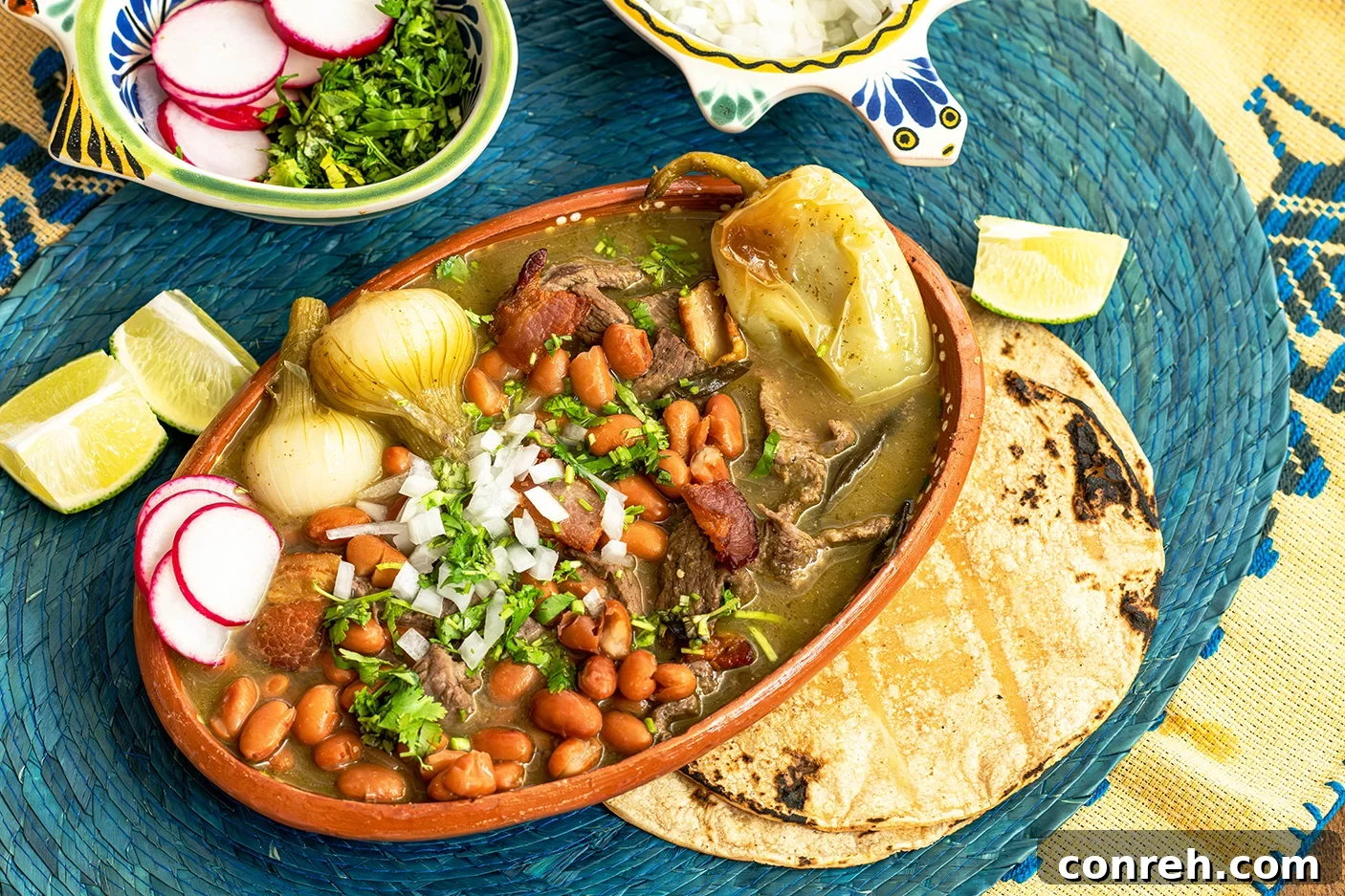
Carne en su Jugo is inherently a communal dish, best enjoyed family-style, where everyone at the table can customize their bowl to perfection. The beauty of this presentation lies in the shared experience and the ability to tailor each serving to individual preferences. Here’s a detailed guide on how to serve this magnificent stew to truly enhance its flavors and presentation:
- Begin by ladling a generous scoop of warm, tender pinto beans into each serving bowl. These beans provide a comforting base, soaking up the flavorful broth and adding a creamy texture that balances the rich stew.
- Next, spoon the piping hot Carne en su Jugo over the beans. Ensure a good mix of the tender beef, crispy bacon, and the vibrant green broth.
- Offer a medley of fresh garnishes on the side. This is crucial for adding contrasting textures and bright flavors. Provide a bowl of finely chopped white onion for a pungent, sharp bite; plenty of fresh cilantro for its herbaceous, refreshing aroma; and thin radish slices to contribute a crisp, peppery crunch. These toppings not only add visual appeal but also introduce a refreshing coolness that cuts through the richness of the stew.
- Accompany the meal with a warm plate of corn tortillas. These are essential for scooping up the stew, dipping into the delicious broth, or even making small, flavorful tacos as you eat. Freshly warmed tortillas elevate the entire experience.
- And critically, don’t forget an abundance of lime wedges. A generous squeeze of fresh lime juice just before eating brightens every single component of the dish, adding a zesty, acidic counterpoint that lifts all the flavors and makes the stew even more invigorating.
- To complete the authentic Mexican dining experience, pair your Carne en su Jugo with a chilled beverage. A refreshing agua fresca, such as horchata or jamaica, is a classic choice, offering a sweet and cooling contrast. For those who prefer an alcoholic option, a crisp, light Mexican beer provides a perfect complement to the stew’s robust flavors.
- Consider expanding your spread with additional traditional Mexican sides. Mexican rice, fluffy and seasoned, always makes a great accompaniment. Sliced avocado adds a creamy richness, while pickled jalapeños can offer an extra zing for those who crave more heat. For a lighter, refreshing side, a simple salad of nopalitos (cactus paddles) or cucumber with lime and chile can beautifully round out the meal.
Ingredients Decoded: Selecting and Swapping for Perfection
While the traditional recipe for Carne en su Jugo is undeniably hard to beat, understanding the role of each ingredient and knowing how to make thoughtful variations can unlock new dimensions of flavor and cater to different preferences or availabilities. Here’s a deeper look into the core components and potential swaps:
- Beef Cut: The choice of beef is paramount for achieving the tender, juicy texture that defines this stew. Traditionally, quick-cooking cuts are preferred as they become succulent without requiring hours of simmering. Excellent choices include sirloin steak, flank steak, or even well-marbled chuck steak, all sliced into bite-sized pieces. These cuts offer a good balance of tenderness and beefy flavor. Avoid overly lean cuts that might dry out.
- Protein Alternatives: If you’re looking to explore different flavors or dietary needs, the dish is versatile enough for protein substitutions. Pork shoulder, cut into small cubes and browned thoroughly, can add a rich, slightly different dimension. Alternatively, boneless, skinless chicken thighs would offer a lighter, yet still flavorful option, though they will cook much faster.
- Tomatillos: These tart green husked fruits are crucial for the distinctive tangy base. Fresh tomatillos are always recommended for their bright, vibrant flavor. However, if fresh ones are difficult to find, canned tomatillos (drained well) can serve as a convenient and effective shortcut, though the flavor profile might be slightly less intense.
- Heat Level: The spice in Carne en su Jugo typically comes from serrano chiles and sometimes milder guero chiles. Your spice tolerance dictates the quantity. For a milder stew, reduce the number of serranos or remove their seeds and veins. For more heat, add an extra serrano or even a habanero for a fiery kick. Always taste as you go!
- Broth: A high-quality low-sodium beef or chicken broth is key to a rich base. While homemade broth is ideal, a good store-bought option works perfectly. The chicken bouillon mentioned in the recipe is a secret ingredient for many Mexican cooks, adding a depth of savory, umami flavor that rounds out the stew beautifully.
- Beans: Pinto beans are the traditional accompaniment, offering a creamy texture and earthy flavor that pairs perfectly with the stew. However, if you’re in a pinch, black beans or even white beans can be used as alternatives, each offering a slightly different nuance to the dish.
- Onions: Cambray onions (small, pearl-like onions) are traditional and add a lovely sweetness and texture when softened in the broth. If unavailable, small pearl onions or chunky slices of regular white onion can be good substitutes, aiming to replicate that sweet, mild allium flavor.
- Herbs: Fresh cilantro is indispensable for its bright, fresh finish. For a more earthy and traditional flavor, especially if you have access to it, you can swap a portion of the cilantro for epazote, a Mexican herb known for its unique, slightly anise-like aroma.

Carne En Su Jugo
5 Stars
4 Stars
3 Stars
2 Stars
1 Star
No reviews
- Author: Ericka Sanchez
- Prep Time: 25 minutes
- Cook Time: 30 minutes
- Total Time: 55 minutes
- Yield: 10 1x
Description
This iconic dish, originating straight from Guadalajara, Jalisco, is celebrated for its incredibly rich, savory, and deeply satisfying broth. Each spoonful offers layers of flavor, starting with a tangy tomatillo base, enhanced by smoky bacon, and rounded out with succulent beef. The name “Carne en su Jugo” beautifully translates to “meat in its own juice,” perfectly describing the essence of this flavorful, soul-warming stew. It’s traditionally served with creamy pinto beans, and its vibrant presentation is completed with fresh garnishes of crisp radishes, aromatic cilantro, finely chopped white onion, and a essential squeeze of fresh lime.
To truly elevate the broth and achieve that authentic “hecho en casa” (homemade) taste that evokes cherished memories, a touch of chicken bouillon or Better Than Bouillon Chicken Base is added. This small but mighty addition enhances the savory depth and brings all the complex flavors together, making the stew incredibly comforting and irresistibly delicious. It’s the kind of dish that speaks directly to the heart, embodying the warmth and generosity of Mexican home cooking.
Ingredients
- 1 pound boiled tomatillos
- 6 boiled serrano chiles (adjust to taste for spice)
- 1/3 piece white onion
- 3 garlic cloves
- ½ cup fresh cilantro
- 1 cup water
- 10 ounces bacon, cut into bite-sized pieces
- 10 cambray onions, sliced into 2-inch pieces
- 6 guero chiles (optional, for mild heat and flavor)
- 2.5 pounds beef steak (sirloin, flank, or chuck), cut into bite-sized pieces
- 2 ½ cups beef or chicken broth
- 2 teaspoons chicken bouillon (or Better Than Bouillon Chicken Base)
- For serving:
- cooked pinto beans (warm)
- radish slices (thinly sliced)
- finely chopped white onion
- finely chopped fresh cilantro
- warm corn tortillas
- lime wedges for juicing
Instructions
- Prepare the Salsa Base: In a blender, combine the boiled tomatillos, boiled serrano chiles, 1/3 piece of white onion, garlic cloves, ½ cup fresh cilantro, and 1 cup water. Blend until the mixture is completely smooth and uniform. Set this vibrant green salsa aside.
- Cook the Bacon: Place a large Dutch oven or heavy-bottomed pot over medium heat. Add the bite-sized bacon pieces and stir occasionally until they are deliciously crispy and have rendered their fat. Once cooked, transfer the crispy bacon to a plate lined with paper towels to drain, and set it aside. Leave the rendered bacon grease in the Dutch oven.
- Sauté Onions and Chiles: Add the sliced cambray onions and whole guero chiles (if using) to the Dutch oven, utilizing the bacon grease. Sauté them over medium heat, stirring occasionally, until the onions begin to soften and develop lovely brown spots, and the chiles are slightly blistered. Transfer these sautéed onions and chiles to the plate with the bacon. If there’s an excessive amount of bacon grease remaining in the Dutch oven, carefully scoop out and discard some, leaving just enough to sear the beef.
- Sear Beef and Simmer the Stew: Increase the heat slightly if needed, then add the bite-sized beef steak pieces to the Dutch oven. Sear the beef until it’s nicely browned on all sides. Once browned, carefully pour in the blended tomatillo-serrano sauce. Add the beef or chicken broth and the chicken bouillon. Stir well to combine all ingredients. Bring the mixture to a gentle simmer, then cover the Dutch oven and reduce the heat to medium-low. Allow the stew to cook for 35 minutes, giving the beef time to tenderize and the flavors to meld beautifully.
- Finish and Serve: After 35 minutes, uncover the stew. Add the cooked crispy bacon, the sautéed cambray onions, and the guero chiles back into the Dutch oven. Stir gently to incorporate them. Let the stew simmer for an additional 10 minutes, allowing all the flavors to deepen and infuse. Serve the rich Carne en su Jugo immediately over warm cooked pinto beans. Garnish generously with fresh radish slices, finely chopped white onion, fresh cilantro, and serve alongside warm corn tortillas and plenty of lime wedges for juicing. Enjoy this authentic taste of Jalisco!
Frequently Asked Questions about Carne en su Jugo
Absolutely! Carne en su Jugo is one of those dishes that often tastes even better the next day. As it rests, the ingredients have more time to meld and deepen their flavors, resulting in an even more complex and satisfying stew. To make it ahead, simply prepare the dish as instructed, allow it to cool completely, then transfer it to an airtight container. Store it in the refrigerator for up to 3-4 days. When ready to serve, gently reheat it on the stovetop over medium-low heat, stirring occasionally, until it’s warmed through. You might want to add a splash of extra broth if it has thickened too much.
Traditionally, Carne en su Jugo has a noticeable, pleasant heat from the serrano chiles. However, the spiciness level is entirely adjustable to your preference. If you prefer a milder stew, you can reduce the number of serrano chiles from the recipe, or remove the seeds and veins from the chiles before blending (this is where most of the heat resides). For those who love extra heat, feel free to add an extra serrano chile or even a small piece of a spicier chile like a habanero to the blender. Always taste your salsa base before adding it to the stew to get a sense of the heat level and adjust accordingly.
For the most tender and juicy results, opt for tender, quick-cooking cuts of beef that can become succulent without requiring hours of simmering. Excellent choices include sirloin steak, flank steak, or even well-marbled chuck steak, all sliced into small, bite-sized pieces. These cuts offer a good balance of lean meat and fat, ensuring they remain moist and flavorful as they simmer in the vibrant broth. Avoid tough cuts that typically need very long braising times, as they won’t achieve the desired texture within the recipe’s cooking duration.
Absolutely! While homemade beef or chicken broth will always provide the deepest flavor, a high-quality, low-sodium store-bought beef or chicken broth works perfectly well and is a convenient choice for this recipe. Using low-sodium broth allows you to control the seasoning more precisely. Remember to taste the stew as it simmers and adjust the salt and bouillon to achieve your preferred flavor profile. The addition of chicken bouillon in the recipe already boosts the savory notes significantly.
The entire process of making Carne en su Jugo is surprisingly efficient, making it a fantastic option for both weeknight dinners and meal prep. The total time, including preparation, blending the delicious tomatillo-serrano salsa, browning the beef and bacon, and simmering the stew to perfection, is typically just under an hour. With approximately 25 minutes for prep work (chopping, boiling tomatillos/chiles) and about 30 minutes of active cooking and simmering, you can have a deeply flavorful, authentic Mexican meal on your table in under an hour.
Yes, Carne en su Jugo freezes beautifully! It’s a great dish for meal planning. To freeze, ensure the stew has cooled completely to room temperature. Then, transfer it to a freezer-safe, airtight container or heavy-duty freezer bags. It can be stored in the freezer for up to 3 months without significant loss of quality. When you’re ready to enjoy it again, thaw the stew overnight in the refrigerator. Reheat gently on the stovetop over low to medium heat, stirring occasionally, until it’s thoroughly warmed through. You may need to add a small amount of water or broth to adjust the consistency if it’s too thick.
While cambray onions are traditional for their specific sweet and slightly pungent flavor, and their size adds visual appeal, they are not strictly essential and can be substituted. If you can’t find them, small pearl onions (fresh or frozen) make an excellent alternative, offering a similar sweetness and texture. Alternatively, you can use regular white onion, cut into chunky slices or wedges, which will still contribute a lovely allium flavor to the stew. The goal is to incorporate a tender, sweet onion element that melts into the broth.
To create a complete and satisfying Mexican feast around Carne en su Jugo, consider these delightful accompaniments: traditional Mexican rice (arroz rojo) adds another layer of flavor and substance. Freshly sliced avocado provides a creamy, cooling contrast to the stew’s heat. For an extra tangy kick, pickled jalapeños or other escabeche vegetables are fantastic. A light, refreshing salad like nopalitos salad (cactus salad) or simply sliced cucumbers tossed with lime juice and a sprinkle of chile powder can balance the richness. Don’t forget an array of warm corn or flour tortillas for scooping and making tacos, and plenty of lime wedges!
Embrace the Flavors of Jalisco
Carne en su Jugo is undeniably more than just a simple stew—it’s a heartfelt reminder of bustling family kitchens, the culinary pride of Jalisco, and the kind of soul-warming meal that almost guarantees second helpings. This dish masterfully brings together the bright, invigorating tang of tomatillo salsa with the deep, satisfying richness of tender beef and smoky bacon. Every component is thoughtfully balanced and tied together with a medley of fresh, vibrant garnishes and the comforting presence of pinto beans.
Whether you are venturing into the world of Mexican cooking for the very first time or seeking to recreate cherished childhood memories, this recipe for Carne en su Jugo promises to become a beloved staple in your home. With every comforting bowl, you’ll not only savor the incredible flavors but also taste the layers of history, culture, and the heartfelt “cariño” (affection) that make Mexican cuisine so universally adored and celebrated.
Discover More Authentic Mexican Recipes