Discover the Aloha Spirit: A Culinary Journey Through National Hawaiian Foods Week
There are few places on Earth that capture the heart and soul quite like the Hawaiian Islands. I’ve been incredibly fortunate to explore their majestic beauty on multiple occasions. My first unforgettable trip was to Oahu and the vibrant city of Honolulu in 2014. That vacation was so profoundly impactful, brimming with breathtaking landscapes, warm hospitality, and an explosion of flavors, that it instilled in me an immediate yearning to return. True to that desire, my family and I journeyed back to paradise in 2015, this time immersing ourselves in the serene and stunning allure of Maui. These Hawaiian getaways weren’t just vacations; they were cherished family experiences that stand out as some of the most memorable we’ve ever shared.
Beyond the pristine beaches and lush volcanic landscapes, one element of our visits remains etched in my memory with remarkable clarity: the food. The culinary landscape of Hawaii is nothing short of extraordinary, a vibrant tapestry woven from centuries of diverse cultural influences. The genuine passion for island cuisine, coupled with the unparalleled hospitality extended by the locals, shone through in every eatery, every market, and every meal we encountered. From casual beachside shacks serving fresh poke to elegant restaurants offering refined takes on traditional dishes, each bite told a story of the islands’ rich heritage. I fell deeply in love with Hawaiian food during those trips, and ever since, I’ve made it a personal quest to seek out and recreate those unforgettable flavors here at home.
Reliving Paradise: My Unforgettable Hawaiian Escapades
My initial encounter with Hawaiian cuisine on Oahu was an awakening for my taste buds. I remember the fresh, succulent poke bowls, bursting with the taste of the ocean, seasoned perfectly with shoyu, sesame oil, and ginger. The plate lunches, a staple of local life, offered a comforting and hearty combination of kalua pig, lomi salmon, and a scoop of rice, often accompanied by macaroni salad. It was food that was both exotic and familiar, comforting and exciting. The aroma of grilled meats permeated the air, particularly the sweet and savory scent of huli huli chicken cooking over an open flame, a testament to the island’s love for barbecue. Every meal was an event, a celebration of local ingredients and the culinary heritage passed down through generations.
Maui deepened this appreciation. Here, the farm-to-table movement felt intrinsically linked to the island’s spirit, with fresh produce and locally sourced ingredients taking center stage. The sheer variety of tropical fruits, from juicy pineapples to sweet mangoes, elevated every dish and drink, turning simple snacks into gourmet experiences. What truly captivated me was not just the food itself, but the context in which it was enjoyed. Sharing a meal with locals, learning about their traditions, and feeling the warmth of their aloha spirit made every dining experience profound. It wasn’t merely about sustenance; it was about connection, celebration, and a deep respect for the land and sea that provided such bounty, creating a bond between people and place through food.
Back home, the quest began. The desire to recreate those vibrant flavors became a delightful pursuit, a way to keep the spirit of those incredible vacations alive. I found myself scouring specialty markets for ingredients like Hawaiian sea salt and unique types of fish for poke. I explored online recipes for traditional laulau, which involves wrapping meat in taro leaves and steaming it, and even sought out local restaurants that dared to bring a slice of the Pacific to my plate. This longing for the authentic tastes of Hawaii became a consistent theme in my culinary adventures, bridging the geographical distance with cherished memories and inspiring countless kitchen experiments.
National Hawaiian Foods Week: A Celebration of Island Flavors
Imagine my sheer delight when I discovered that next week marks the annual National Hawaiian Foods Week! This news instantly transported me back to those sun-drenched beaches and savory meals, rekindling my passion for island cuisine. It’s an occasion that perfectly aligns with my ongoing culinary quest, offering a structured way to celebrate and educate others about the incredible gastronomy of the 50th state. This nationwide recognition provides a fantastic platform for both seasoned Hawaiian food enthusiasts and curious newcomers to explore and appreciate the unique culinary heritage of Hawaii.
What is Hawaiian Foods Week?
The United States Senate has officially dedicated the second week of June each year to this special observance. Its primary goal is to foster greater awareness and appreciation for the wonderful cuisine and rich culture of Hawaii. For 2024, the festivities are scheduled to take place from June 11 to June 17, providing seven glorious days for everyone to indulge, explore, and recognize the extraordinary culinary traditions of the Hawaiian Islands. This dedicated week serves as a vibrant reminder of how food can act as a powerful bridge, connecting us to different places, people, and histories, and encouraging cultural understanding through taste.
National Hawaiian Foods Week isn’t just about enjoying delicious meals; it’s also about understanding the deep cultural roots that define Hawaiian cuisine. It highlights the profound fusion of diverse flavors and cooking techniques that have arrived in Hawaii over centuries. This culinary tapestry includes contributions from indigenous Polynesian traditions, alongside significant influences from China, Japan, Portugal, Korea, the Philippines, Puerto Rico, and Samoa. Each group brought their unique ingredients, cooking methods, and spices, which were then adapted and integrated, creating the distinctive and incredibly rich palette of what we now cherish as authentic Hawaiian cuisine. It’s a testament to adaptation, innovation, and the spirit of shared experience, showcasing how different cultures can harmonize to create something truly exceptional.
The Melting Pot of Flavors: A Cultural Culinary History
The journey of Hawaiian cuisine is a fascinating narrative of migration and cultural exchange, a true testament to the islands’ history as a crossroads of the Pacific. It began with the early Polynesian voyagers who brought essential staples like taro (which is pounded to make poi), breadfruit, sweet potato, and pigs. These foundational ingredients formed the basis of the native Hawaiian diet, culminating in elaborate traditional feasts like the luau, which is historically centered around kalua pig cooked in an imu (an underground oven), symbolizing communal celebration and deep cultural respect.
The 19th and 20th centuries saw waves of immigrants arrive, primarily to work on the burgeoning sugar and pineapple plantations. Each new group contributed significantly to the culinary landscape, enriching it with their distinct flavors and techniques:
- China: Introduced stir-frying techniques, the widespread use of soy sauce, various types of noodles, and established rice as an indispensable staple. Dishes like char siu (Chinese barbecue pork) and various dim sum variations quickly found their way into local menus, becoming beloved island fare.
- Japan: Brought an exquisite appreciation for fresh fish, leading to the development of Hawaii’s vibrant sushi and sashimi culture. Other contributions include miso soup, teriyaki marinades, and the popularization of rice vinegar. The practical and delicious bento box became a common lunch item for workers and schoolchildren alike.
- Portugal: Sailors and laborers introduced their unique baking traditions, leading to the development of sweet bread (Pão Doce), which eventually evolved into the globally beloved King’s Hawaiian rolls. They also brought malasadas (fried dough pastries), a popular and indulgent treat during festivals. Portuguese sausage also became an island favorite, often found in breakfast platters and stews.
- Korea: Contributed bold and fiery flavors through staples like kimchi (fermented vegetables), kalbi (marinated short ribs), and bulgogi (marinated beef). Kimchi, in particular, has become a common side dish, adding a pungent, spicy kick to many Hawaiian meals.
- Philippines: Introduced flavorful dishes such as adobo (a savory stew with meat braised in vinegar, soy sauce, garlic, and peppercorns), lumpia (crispy spring rolls), and various hearty noodle dishes, significantly enriching the comfort food repertoire of the islands.
- Puerto Rico: Plantation workers from Puerto Rico brought their own culinary traditions, including dishes like pasteles (meat-filled masa pockets wrapped in banana leaves) and gandinga (an offal stew), adding another vibrant layer of Latin American influence to the island’s diverse flavors.
- Samoa and other Pacific Islands: Continued to reinforce the importance of staples like taro, coconut milk, and fresh seafood, contributing to the broader Pacific Rim flavor profile and ensuring that traditional island ingredients remained central to the evolving cuisine.
This remarkable blending of ingredients, cooking methods, and cultural philosophies created a truly unique culinary identity that is both deeply rooted in its island home and expansive in its global influences. It’s a cuisine that embraces bold, balanced flavors, incredibly fresh ingredients, and a hearty, comforting sensibility that speaks to the soul.
Savoring the Islands: Featured Dishes and Inspirations
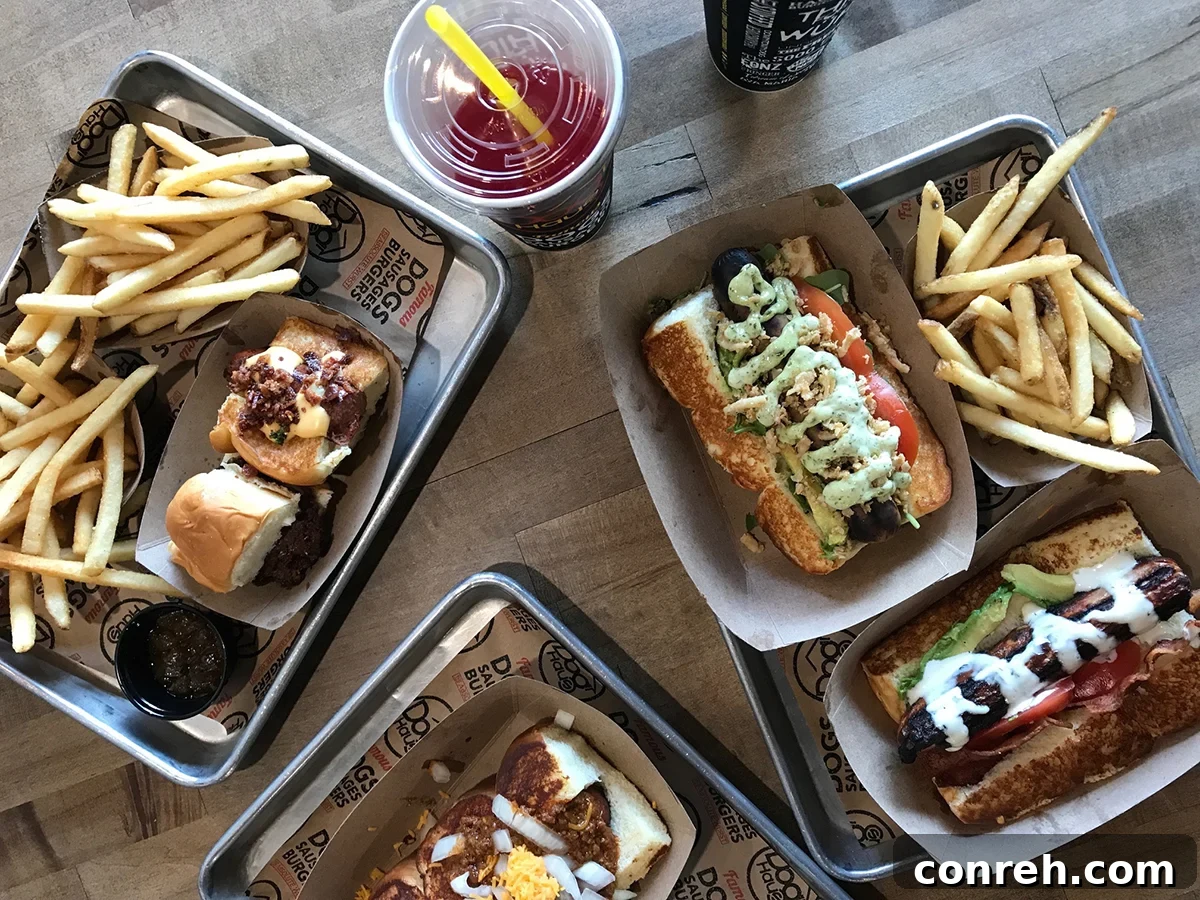
During National Hawaiian Foods Week, many brands, restaurants, and home cooks across the country embrace the spirit of aloha by showcasing their take on traditional and fusion Hawaiian dishes. It’s a wonderful opportunity for food enthusiasts to explore new flavors or revisit beloved classics that transport them straight to the Pacific. This year, one of our absolute favorite casual dining spots, Dog Haus, is stepping up to the plate with an incredibly inventive and mouth-watering offering: their own unique version of the iconic Loco Moco Burger. This is not just any burger; it’s a culinary adventure that epitomizes the creative spirit of Hawaiian fusion, combining classic elements with exciting modern twists.
The Iconic Loco Moco: A Culinary Masterpiece
Before diving into Dog Haus’s rendition, it’s worth understanding the traditional Loco Moco. This quintessential Hawaiian comfort food is believed to have originated in Hilo, Hawaii, in the late 1940s. Legend has it that a group of local teenagers, looking for an affordable yet hearty meal that wasn’t too formal, asked a restaurant owner to put a hamburger patty and gravy over rice. Thus, the Loco Moco was born. At its core, a classic Loco Moco consists of a generous bed of white rice, topped with a hamburger patty, a fried egg (usually sunny-side up, with a perfectly runny yolk), and generously smothered in a rich, savory brown gravy. Simple yet profoundly satisfying, it embodies the spirit of Hawaiian plate lunch culture – filling, flavorful, and deeply comforting. It’s a versatile dish that perfectly illustrates the intersection of American diner food and the islanders’ love for rice and gravy, becoming a staple for breakfast, lunch, or dinner across the islands, cherished by locals and tourists alike.
Dog Haus’s Innovative Take on the Loco Moco Burger
Dog Haus, known for its gourmet hot dogs, sausages, and burgers, has taken the beloved Loco Moco concept and transformed it into an extraordinary burger experience. Their Loco Moco Burger is a testament to culinary creativity, carefully balancing traditional elements with contemporary twists and a flair for bold flavors. Each component is thoughtfully chosen to contribute to a harmonious and unforgettable bite:
- Sriracha and Soy Sauce Laced Smash Patty: This isn’t just any beef patty. The infusion of sriracha and soy sauce directly into the meat introduces a complex flavor profile from the very first bite. The sriracha provides a subtle, zesty heat that awakens the palate, while the soy sauce adds a deep umami richness, creating a patty that is both savory and slightly spicy, perfectly grilled to a juicy perfection.
- Thinly Sliced and Grilled Portuguese Sausage: A delightful nod to Hawaii’s rich Portuguese heritage, this grilled sausage adds a distinctive smoky, slightly sweet, and savory dimension. Its thinly sliced preparation ensures even distribution of flavor and a delightful textural contrast that complements the beef patty without overwhelming it, creating layers of island authenticity.
- Sunny-Side Up Egg: A non-negotiable component of any authentic Loco Moco, the sunny-side up egg brings a luxurious richness to the burger. Its perfectly runny yolk acts as an additional, natural sauce, mingling with the other ingredients to create a creamy, decadent mouthfeel that is simply irresistible and truly embodies the classic dish.
- Japanese Curry Style Gravy: This is where Dog Haus truly elevates the dish with an ingenious twist. Instead of a standard brown gravy, they opt for a Japanese curry-style gravy. This choice introduces a nuanced sweetness, a gentle warmth from the aromatic curry spices, and a velvety texture that blankets all the elements, tying them together with an exotic and profoundly comforting embrace.
- Togarashi: A traditional Japanese spice blend, Togarashi (often Shichimi Togarashi) adds a final flourish of flavor and texture. It typically includes red chili pepper, orange peel, sesame seeds, seaweed, and ginger, providing a fragrant, citrusy, and mildly spicy kick that enhances the overall complexity of the burger with a vibrant finish.
- Crispy Fried Onions and Diced Scallions: These garnishes are not merely decorative; they play crucial roles in the flavor and texture profile. The crispy fried onions provide a delightful textural contrast and an extra layer of savory depth, while the fresh diced scallions offer a vibrant, pungent freshness that cuts through the richness, balancing the flavors beautifully.
- Extra Sriracha: For those who crave an additional punch of heat and tang, an extra drizzle of sriracha is the perfect finishing touch, allowing diners to customize their spice level and add an extra layer of dynamic flavor to each bite.
- Served on a Grilled King’s Hawaiian Roll: The foundation of this magnificent creation is a perfectly grilled King’s Hawaiian roll. These iconic sweet rolls, with their signature soft, fluffy texture and subtle sweetness, are the ideal vessel. Their slight sweetness provides a wonderful counterpoint to the savory, spicy, and rich fillings, creating a harmonious balance that makes every bite a true delight.
The visual appeal of this burger is just as impressive as its taste, a true feast for the eyes before it even reaches your palate. You can get a glimpse of this culinary marvel and the passion behind its creation by watching this short feature:
King’s Hawaiian rolls themselves have a fascinating history, originating from Robert Taira’s bakery in Hilo, Hawaii, in the 1950s. Their unique recipe for sweet, soft bread quickly gained immense popularity and has since become a household name, synonymous with quality, versatility, and a touch of island sweetness. Using these rolls as the bun for the Loco Moco Burger isn’t just a choice; it’s an homage, grounding the innovative burger in authentic Hawaiian heritage and providing the perfect textual and flavor complement.
Bring the Aloha Home: Celebrating Hawaiian Foods Week
National Hawaiian Foods Week is an open invitation to everyone – whether you’re a seasoned foodie, an adventurous eater, or simply looking to add some tropical flair to your meals – to dive into the rich and diverse culinary world of Hawaii. Don’t miss out on this fantastic opportunity to expand your palate, learn about a vibrant food culture, and experience the warmth of the Aloha spirit through its incredible cuisine.
Experience Dog Haus and Beyond
Make a point to stop by your nearest Dog Haus Restaurant during National Hawaiian Foods Week and treat yourself to their extraordinary Loco Moco Burger. It’s an experience that promises to be both satisfying and memorable, showcasing a brilliant fusion of flavors and textures that you won’t soon forget. Beyond Dog Haus, consider exploring other local establishments that might be offering Hawaiian-inspired dishes. Many restaurants nationwide participate in the celebration, providing unique opportunities to taste regional Hawaiian specialties, from fresh poke bars to authentic plate lunches. This week is the perfect excuse to dine out and discover new favorites.
Unleash Your Inner Chef: Home Cooking Adventures
For those who love to cook, National Hawaiian Foods Week presents a perfect chance to unleash your inner island chef right in your own kitchen! The National Hawaiian Foods Week website is an invaluable resource, brimming with different recipe ideas for authentic and modern Hawaiian foods that you can prepare with ease. Imagine preparing your own homemade poke with fresh, vibrant ingredients, experimenting with different marinades for succulent huli huli chicken, or even trying your hand at making the savory slow-cooked kalua pig. You could also explore simpler delights like haupia (a creamy coconut pudding) or a refreshing tropical fruit salad. Cooking Hawaiian food at home is not only a delicious endeavor but also a wonderful way to bring family and friends together, sharing stories and creating new memories over a shared meal that carries the spirit of aloha.
Connect and Share: Join the Community
To deepen your engagement and discover even more about Hawaiian Foods Week, be sure to connect with King’s Hawaiian across their various social media platforms. Their Facebook page, Pinterest boards, and Twitter feed are excellent sources of inspiration, offering a wealth of recipes, cooking tips, community discussions, and updates on how people are celebrating nationwide. Engaging with these communities can provide new insights into Hawaiian culinary traditions, connect you with fellow food enthusiasts, and keep you informed about the latest trends and traditional practices in Hawaiian cuisine. Sharing your own culinary creations and experiences on social media also helps spread the joy and awareness of this special week, fostering a larger community of Hawaiian food lovers.
Food is much more than mere sustenance; it is a universal language, a vibrant reflection of culture, history, and community. Hawaiian cuisine, with its rich tapestry of influences and heartwarming flavors, truly embodies this sentiment. National Hawaiian Foods Week is a fantastic opportunity to honor this heritage, savor incredible dishes, and embrace the vibrant spirit of the islands, no matter where you are. Let the flavors of Hawaii transport you to paradise!
I was selected for this opportunity as a member of CLEVER and the content and opinions expressed here are all my own.