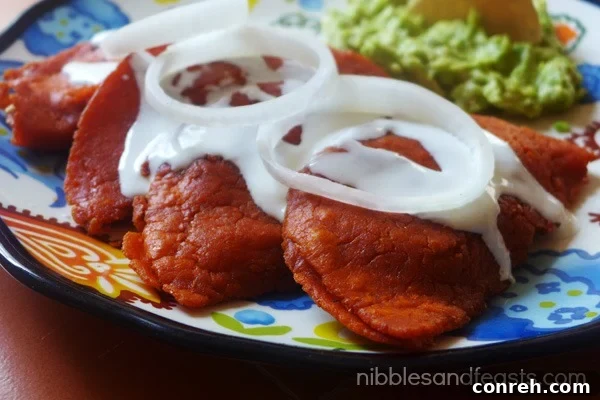
Celebrate Hispanic Heritage Month with Authentic Vegetarian Enchiladas Potosinas
From September 15th through October 15th, we proudly celebrate Hispanic Heritage Month—a vibrant and essential observance that invites us to remember, appreciate, and honor the profound history, rich culture, and invaluable contributions that Hispanic Americans have woven into the very fabric of this nation. During this month, we pay tribute to American citizens whose heritage traces back to the diverse and beautiful lands of Mexico, South America, the Caribbean, and even as far as Spain. It’s a time to reflect on the immense impact of countless individuals who have enriched our society, economy, and cultural landscape, bringing with them traditions, innovations, and spirit that continue to shape the United States.
This period offers a wonderful opportunity to delve into the various facets of Hispanic culture, from art and music to literature and, perhaps most deliciously, food. Cuisine, after all, is a powerful storyteller, a tangible link to ancestral traditions and a universal language that transcends borders. It is through shared meals that families bond, histories are recounted, and cultures thrive. For many, food is more than just sustenance; it is an expression of love, identity, and an unbreakable connection to their roots.
Kicking Off the Celebration: The Accidental Discovery of Enchiladas Potosinas
This year, I decided to kick off Hispanic Heritage Month with a culinary journey, specifically with some truly delicious Enchiladas Potosinas! It’s often said that some of humanity’s greatest discoveries have been made entirely by accident, a serendipitous stumble into something extraordinary. Just as Christopher Columbus’s voyage accidentally led him to the Americas, bringing about unforeseen changes to the world, the mouth-watering Enchiladas Potosinas owe their existence to a delightful mistake.
The legend goes that a batch of masa, the corn dough essential for tortillas, was accidentally contaminated with a vibrant chile sauce. Instead of being discarded, this “mistake” yielded a revelation: a reddish, spicy tortilla with an unparalleled depth of flavor. This happy accident gave birth to a dish that has become a staple in Mexican cuisine, particularly celebrated in the state of San Luis Potosí. What better way to honor this significant month than by celebrating with the two ingredients that have always been at the heart of my family’s recipes and the essence of my beloved Mexican heritage: chile and tortillas?
These two humble yet potent ingredients represent more than just food; they symbolize resilience, flavor, and tradition. They are the cornerstones of countless Mexican dishes, embodying a culinary legacy passed down through generations. The chile, with its fiery spirit and complex flavors, adds character and warmth, while the tortilla, a simple disc of corn, serves as the perfect canvas for endless culinary creations. Together, they form the soul of Mexican gastronomy, reminding us of the rich tapestry of flavors that define our culture.
The Heart of Mexican Cuisine: Chile and Tortillas
Delving deeper into the significance of chile and tortillas reveals their unparalleled importance in Mexican culture. The tortilla, originating from ancient Mesoamerican civilizations, has been a dietary staple for thousands of years. Made from masa, a dough prepared from dried corn kernels treated with an alkaline solution (nixtamalization), tortillas are not just a vehicle for food; they are food itself, providing sustenance and serving as a versatile base for everything from tacos and quesadillas to, of course, enchiladas.
Chiles, on the other hand, are the very soul of Mexican flavor. With hundreds of varieties, each offering a unique profile of heat, sweetness, smokiness, and earthiness, chiles are indispensable. They are not merely for heat but are used to build layers of complex flavor, transforming simple ingredients into extraordinary dishes. The guajillo chile, used in our Enchiladas Potosinas, is a prime example, providing a mild, fruity, and slightly smoky note that colors both the masa and the sauce, making this dish truly unique.
These two elements, masa (and thus tortillas) and chiles, represent the very foundation of Mexican cooking. They are deeply embedded in the history, rituals, and daily life of Mexican people, acting as symbols of identity and heritage. Preparing dishes that feature them prominently is a direct connection to a vibrant culinary past and a celebration of enduring traditions.
Why Vegetarian Enchiladas Potosinas? Adaptability and Freshness
While traditional Enchiladas Potosinas often feature meat fillings, our vegetarian version showcases the incredible adaptability of Mexican cuisine. This recipe embraces fresh, wholesome vegetables like Mexican squash (calabaza) and carrots, combined with the bright tang of tomatillos and the subtle heat of serrano chiles. This not only makes the dish accessible to a wider audience but also highlights the delicious possibilities of plant-based Mexican cooking.
The combination of these vegetables with crumbled cheese—queso fresco, panela, or Cotija—creates a filling that is both flavorful and satisfying, perfectly complementing the chile-infused tortillas. It’s a testament to how traditional recipes can evolve while retaining their authentic essence and celebrating the abundance of natural ingredients. This approach aligns perfectly with a contemporary focus on healthy eating without sacrificing the rich, comforting flavors we associate with homemade Mexican food.
Authentic Vegetarian Enchiladas Potosinas Recipe
This recipe for Vegetarian Enchiladas Potosinas is a celebration of flavor, tradition, and ingenuity. It brings together the unique chile-infused tortillas with a fresh, vibrant vegetable and cheese filling, creating a dish that is both hearty and delicious. Prepare to delight your senses and connect with a cherished part of Mexican culinary heritage.
Yields: 4 servings
Prep time: 45 minutes
Cook time: 30 minutes
Ingredients for the Chile-Infused Tortillas:
- 2 cups Maseca (instant corn masa flour)
- 3 dried guajillo chiles
- 1 garlic clove
- ¼ teaspoon salt
- 1 1/3 cups water (plus more if needed for masa)
Ingredients for the Vegetarian Filling:
- 1 Mexican squash (calabaza), diced
- 1 cup carrots, finely diced
- 1 tomatillo, husked
- 2 serrano chiles, stems removed
- 1 tablespoon canola oil (for sautéing vegetables)
- 3 tablespoons canola oil (for frying enchiladas)
- 8 ounces queso fresco, queso panela, or Cotija cheese, crumbled
- 1 garlic clove, minced
- Salt to taste
For Serving:
- 1/3 cup Mexican crema (table cream)
- 1/2 red onion, thinly sliced into rounds
- Fresh Guacamole
- Additional crumbled cheese (optional)
Instructions:
Prepare the Serrano-Tomatillo Salsa (for the Filling):
- In a small saucepan, bring the tomatillo and serrano chiles to a boil in water. Simmer for approximately 10 minutes, or until softened.
- Remove them from the water and transfer to a blender. Blend until a smooth salsa is formed. Set aside.
Prepare the Vegetable Filling:
- In a medium skillet, heat 1 tablespoon of canola oil over medium heat. Add the minced garlic and sauté for about 30 seconds until fragrant.
- Add the diced Mexican squash and carrots to the skillet. Cook for about 10-12 minutes, stirring occasionally, until the vegetables are tender-crisp. Remove from heat.
- In a medium bowl, combine the cooked vegetables, the reserved tomatillo-serrano salsa, and the crumbled queso fresco (or panela/Cotija).
- Stir well with a spatula until all ingredients are thoroughly combined. Season with salt to taste. Set this delicious filling aside.
Prepare the Guajillo-Infused Masa for Tortillas:
- In a medium saucepan, bring the dried guajillo chiles and 1 1/3 cups of water to a boil. Reduce heat and simmer for 10 minutes until the chiles are rehydrated and soft.
- Carefully remove the chiles from the water, allowing them to cool slightly. DO NOT DISCARD THE COOKING WATER; you will use it for blending.
- Once cool enough to handle, cut open the chiles and remove the seeds.
- Place the deseeded guajillo chiles, the remaining garlic clove, and the ¼ teaspoon of salt into a blender. Add the water previously used to boil the guajillos.
- Blend on high speed until the mixture is completely smooth and forms a vibrant red chile sauce. Strain if desired for a smoother consistency, though it’s often skipped for rustic charm.
Make the Enchilada Tortillas:
- In a large mixing bowl, combine the Maseca and the prepared guajillo chile sauce.
- Mix thoroughly with your hands, kneading the dough until it is smooth, pliable, and uniformly colored. If the masa feels too dry, add a teaspoon of water at a time until the desired soft, yet firm, consistency is achieved. The dough should not stick excessively to your hands.
- Cover the bowl with plastic wrap or a damp cloth to prevent the masa from drying out while you work.
- Divide the masa into 16 equal portions and roll each into a smooth ball.
- Using a tortilla press (or a flat surface and a heavy pan), press each masa ball between two sheets of wax paper or two pieces of a plastic storage bag to form thin, round tortillas, about 4-5 inches in diameter.
Cook and Assemble the Enchiladas:
- Heat a dry comal or non-stick griddle over medium heat. Cook each tortilla for about 10 seconds on one side, then flip and cook for another 10 seconds. The tortillas should be pliable, not crispy. Remove from heat and set aside.
- Place a spoonful of the vegetarian filling onto one half of each warm, cooked tortilla.
- Fold the tortilla in half over the filling, creating a half-moon shape. Gently press the outer edge to seal the enchilada, encasing the delicious filling.
- Flip the enchilada over to ensure it is sealed. Repeat this process with all the remaining tortillas and filling.
Fry and Serve:
- In a clean skillet, heat 3 tablespoons of canola oil over medium heat.
- Once the oil is hot, carefully place the folded enchiladas into the skillet in batches, making sure not to overcrowd the pan.
- Fry the enchiladas for about 2-3 minutes on each side, until they are lightly golden brown and slightly crispy.
- Remove the fried enchiladas and drain any excess oil on a paper towel-lined plate.
- Serve immediately while hot, garnished with a generous drizzle of Mexican crema, a scattering of thinly sliced red onion, and a dollop of fresh guacamole. For an extra touch, you can sprinkle with more crumbled cheese.
This dish is a testament to the simplicity and richness of Mexican culinary traditions, transformed into a vegetarian delight perfect for sharing and celebrating. Enjoy!
Celebrating Heritage Through Culinary Art
This journey through the making of Enchiladas Potosinas is more than just a recipe; it’s an invitation to experience and celebrate Hispanic Heritage Month in a truly immersive way. Food connects us to our roots, tells stories of our ancestors, and fosters a sense of community and belonging. By preparing and sharing dishes like these, we keep traditions alive and honor the vibrant cultures they represent.
The essence of Hispanic Heritage Month lies in recognizing the richness that diversity brings to our nation. It’s about understanding the complex narratives, celebrating the joyous traditions, and acknowledging the profound influence of Hispanic individuals on every aspect of American life. And what better way to do that than by sharing a plate of delicious, homemade Enchiladas Potosinas, infused with history, flavor, and love?
This post is a proud collaboration with Latina Bloggers Connect and Maseca. We are grateful for their support in bringing this celebration of heritage and flavor to you. All opinions expressed are 100% my own, reflecting my personal connection and passion for this rich cultural legacy.
We encourage you to try this recipe, share it with your loved ones, and embark on your own culinary adventure to explore the incredible diversity of Hispanic cuisine during this special month and beyond. Let’s celebrate, learn, and grow together!