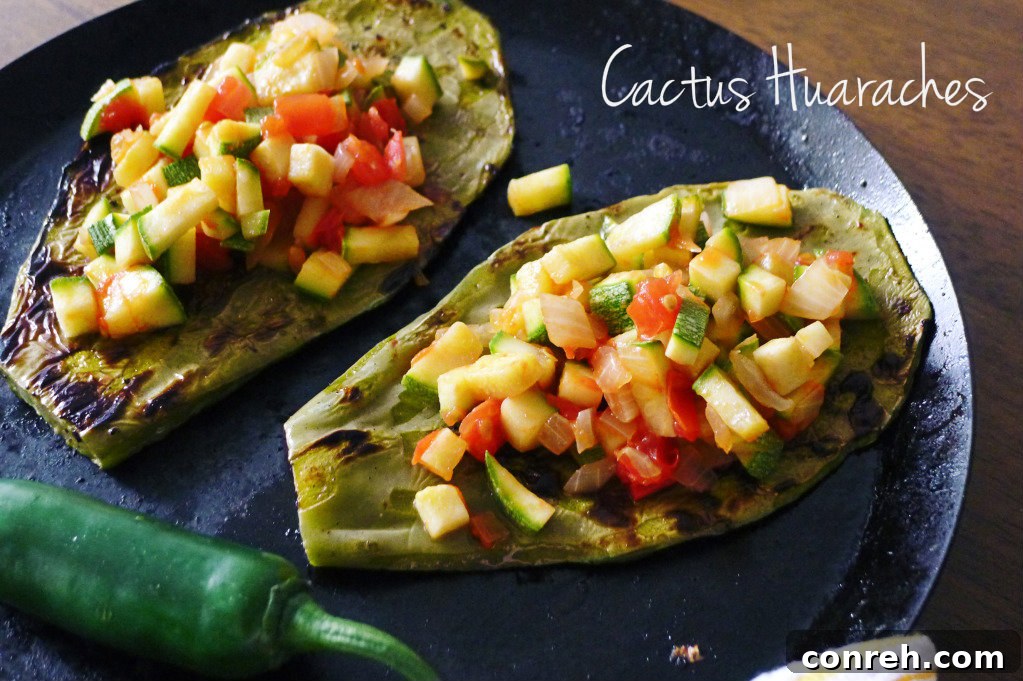
Savor the Flavor: Mastering Nopales and the Versatility of Soybean Oil in Your Kitchen
Among the vast array of vegetables available, few capture the imagination and culinary versatility quite like nopales, also known as prickly pear cactus pads. This remarkable ingredient holds a special place in my kitchen, not just for its unique flavor and texture but for its incredible health benefits. It’s truly a gift from nature, offering the best of both worlds: the pads themselves are considered a vegetable, while the sweet, succulent fruits (tunas) that grow from them are a delightful treat. Nopales are incredibly abundant, undeniably delicious, and exceptionally good for you, making them a staple in healthy cooking and a cornerstone of traditional Mexican cuisine.
Every time I encounter fresh nopales at the market, my mind overflows with the endless possibilities they present. From vibrant salads and hearty stews to grilling them as a standalone dish, the culinary journey with nopales is always exciting. Their slightly tangy, earthy flavor profile is unique, perfectly complementing a wide range of ingredients. For this particular culinary adventure, I decided to celebrate the nopal in its entirety, using the large, tender pads as a robust and flavorful base for an assortment of beautifully cooked, seasoned vegetables. While sometimes I’m fortunate enough to find them pre-cleaned and de-spined at specialty markets, this time, I embraced the hands-on process of preparing them myself, an experience that truly connects you to your food.
Preparing Nopales: A Step-by-Step Guide to Spine Removal
One of the initial steps, and often the most intimidating for newcomers, is removing the spines from fresh nopales. But don’t let this deter you! With a bit of care and the right technique, it’s a straightforward process that is well worth the effort. The reward is a tender, flavorful ingredient ready to transform your meals into something extraordinary. Mastering this simple preparation technique opens up a world of culinary possibilities, allowing you to enjoy the full potential of these amazing cactus pads.
Safety First: Essential Tools and Effective Technique
To safely and efficiently remove the spines, you’ll need a sharp chef’s knife or a vegetable peeler, and ideally, a pair of thick kitchen gloves or tongs to handle the pads securely. The spines, though small, are surprisingly sharp and can easily prick your skin if you’re not careful, so taking precautions is key. This initial caution is a small price to pay for the incredible flavors and health benefits that nopales bring to your table.
- Secure the Nopal: Place the nopal pad flat on a sturdy cutting board. If you’re not wearing thick gloves, use tongs or firmly hold one end of the pad to stabilize it, keeping your fingers away from the spine clusters.
- Scrape Away Spines: Hold your sharp knife or peeler almost parallel to the nopal’s surface. Carefully and firmly scrape the knife along the pad, working away from your body. Apply gentle pressure to remove the clusters of visible spines (areoles) and any tiny, hair-like glochids that might be present. You’ll see them come off in small fragments. Repeat this process over the entire surface of both sides of the nopal.
- Trim the Edges: Once the flat surfaces are clean, examine the edges of the nopal pad. Use your knife to carefully trim around the perimeter, removing any remaining stubborn spines or tough, woody bits that might be present. You can also trim off the very base of the pad, which can sometimes be fibrous.
- Rinse Thoroughly: After de-spining and trimming, rinse the nopales under cold running water. This step is crucial to wash away any loose spines, glochids, or debris that may still cling to the surface. Gently rub the pads under the water to ensure a thorough cleaning.
- Final Inspection: Give the nopal a final visual and tactile inspection to ensure all spines have been completely removed. Run your fingers lightly over the surface (carefully, if not wearing gloves) to feel for any remaining prickles.
The occasional “ouch!” during this process is a small anecdote to share, knowing that you’re just moments away from enjoying a dish that is both incredibly tasty and remarkably healthy. If tackling fresh nopales seems too daunting for your first attempt, many specialty grocery stores and Mexican markets offer pre-cleaned, pre-diced, or jarred nopales. These are also excellent options for adding this unique vegetable to your diet, allowing you to skip the prep and jump straight to cooking.
The Culinary Magic of Nopales: Grilling and Frying to Perfection
Once your nopales are meticulously cleaned and ready for their culinary debut, the cooking possibilities truly open up. Their robust texture and distinctive flavor lend themselves beautifully to various cooking methods. They can be grilled to perfection, developing a smoky char and tender texture that’s truly irresistible, or pan-fried, offering a slightly crispy exterior with a soft, succulent interior. For this recipe, and indeed many others where a high cooking temperature is beneficial for achieving optimal texture and flavor, I consistently turn to soybean oil. Its performance in the kitchen is nothing short of exceptional, elevating simple ingredients to gourmet status.
Why Soybean Oil is a Chef’s Best Friend for High-Heat Cooking
Soybean oil stands out as an excellent choice for cooking nopales, especially when grilling or frying, primarily due to its impressively high smoke point of 465°F (240°C). This characteristic is not just a technical detail; it’s a culinary game-changer. A high smoke point is crucial because it allows the oil to reach and maintain high temperatures without breaking down, smoking excessively, or burning. This ensures that your nopales cook evenly, develop a beautiful golden-brown sear or char, and retain their natural, delicate flavors without imparting any undesirable burnt taste. Moreover, cooking with an oil that maintains its stability at high heat means less chance of harmful compounds forming, making it a healthier choice for high-temperature cooking methods.
Beyond its stellar performance in high-heat applications, soybean oil is recognized as one of the most versatile and adaptable ingredients you can have in your pantry. It’s a neutral-flavored oil, which is a significant advantage as it won’t overpower or compete with the delicate or bold tastes of your ingredients. This neutrality allows the true essence of your traditional and favorite meals to shine through, making it perfect for authentic cuisine where ingredient integrity is paramount. Whether you’re sautéing fresh vegetables, baking a delicate cake, roasting hearty root vegetables, or creating delicious homemade dressings and marinades, soybean oil offers unmatched reliability and consistent results. Its widespread availability and affordability also make it a practical and smart choice for everyday cooking, ensuring quality without compromise.
Unlock a World of Flavor and Nutrition with Soy
My journey with nopales often intersects with my deep appreciation for soy, not just in the form of cooking oil but as a diverse and incredibly beneficial food source. I was genuinely surprised and delighted to discover the incredible range of recipes and applications that soy offers beyond its liquid form. It’s truly a powerhouse ingredient that deserves a prominent place in any health-conscious kitchen, offering both culinary versatility and significant nutritional advantages.
The Comprehensive Nutritional Profile of Soy
Soy is renowned globally for being a complete protein, a remarkable distinction meaning it contains all nine essential amino acids that our bodies cannot produce on their own. This makes it an invaluable component of vegetarian and vegan diets, serving as a robust plant-based protein source, but its benefits extend to everyone looking to enhance their nutritional intake. Beyond its impressive protein content, soy is rich in a wealth of essential vitamins and minerals, contributing significantly to overall well-being. These include:
- Folic Acid (Folate): Essential for cell growth, DNA synthesis, and red blood cell formation, playing a vital role in preventing certain birth defects.
- Potassium: Crucial for maintaining proper fluid balance, nerve signals, and muscle contractions, and plays a key role in regulating blood pressure.
- Iron: Vital for oxygen transport in the blood, essential for energy production, and preventing fatigue.
- Magnesium: Involved in over 300 biochemical reactions in the body, supporting nerve and muscle function, blood glucose control, and bone health.
- Zinc: Supports immune function, protein synthesis, wound healing, and has a role in cell division.
- B Vitamins: A complex array of vitamins (like B1, B2, B3, B6) essential for energy metabolism, brain function, and cellular health.
- Fiber: Promotes digestive health, helps regulate blood sugar levels, and contributes to feelings of fullness, aiding in weight management.
- Omega-3 Fatty Acids: Soybeans contain alpha-linolenic acid (ALA), an essential omega-3 fatty acid beneficial for heart health.
Incorporating more soy into your diet, whether through nutrient-dense tofu, texturally rich tempeh, crisp edamame, creamy soy milk, or versatile soybean oil, can significantly contribute to a balanced, flavorful, and nutritious eating plan. It’s a sustainable, eco-friendly, and delicious way to boost your intake of vital nutrients, making it an intelligent choice for a healthier lifestyle.
I wholeheartedly encourage you to explore the vast culinary landscape that soy offers. You’ll find an abundance of creative and delicious recipes that feature soy in myriad forms, from savory stir-fries and robust curries to delectable baked goods and refreshing smoothies. Discover new favorites and elevate your cooking by embracing this incredibly versatile and nutritious ingredient, transforming everyday meals into something extraordinary.
Recipe: Huaraches de Nopal – A Taste of Tradition on a Healthy Base
Embrace the vibrant, authentic flavors of Mexican cuisine with this delightful recipe for Huaraches de Nopal. Traditionally, “Huarache” refers to a sandal-shaped masa (corn dough) base, often topped with beans, meat, and cheese. However, in this creative and healthy twist, the tender, grilled nopal pad ingeniously serves as the perfect foundation. This offers a lighter, naturally gluten-free, and incredibly nutritious alternative that doesn’t compromise on flavor or satisfaction. Topped with a vibrant medley of perfectly sautéed vegetables, this dish is a true celebration of fresh produce, earthy flavors, and authentic taste, bringing a piece of culinary heritage to your table.
Huaraches de Nopal with Sautéed Vegetables
Yields: 4 servings
Ingredients:
- 4 large, fresh nopal pads, spines carefully removed and thoroughly rinsed
- 4 tablespoons soybean oil, divided (plus more for garnish, if desired)
- Salt and freshly ground black pepper, to taste
- 1 large clove garlic, finely minced
- 1 medium Mexican squash (also known as Grey Squash or Calabacita, or use zucchini), finely diced
- 2 ripe Roma tomatoes, finely diced
- 1 medium yellow onion, finely diced
- 1 jalapeño pepper, finely minced (remove seeds and membranes for a milder heat, if desired, or leave them for more kick)
- Optional garnishes for serving: Crumbled queso fresco or cotija cheese, a dollop of sour cream or Mexican crema, fresh cilantro leaves (roughly chopped), a spoonful of your favorite salsa roja or verde, sliced avocado.
Instructions:
- Prepare and Season the Nopales: After cleaning and rinsing, gently pat the nopal pads completely dry with paper towels. Using a pastry brush or your clean hands, evenly coat both sides of each nopal pad with 2 tablespoons of soybean oil. This initial coating is key to preventing sticking during cooking and helps in achieving a beautiful char, while also infusing the pads with a foundational layer of flavor. Season both sides generously with salt and freshly ground black pepper.
- Cook the Nopales: Heat a large griddle or a heavy-bottomed skillet (such as a cast iron pan) over medium heat until it’s quite hot. Alternatively, preheat your outdoor grill to medium heat. Carefully place the seasoned nopales onto the hot cooking surface. Cook for 5-7 minutes per side, or until they become tender when pierced with a fork, slightly charred with beautiful grill marks, and their vibrant green color deepens to a rich, cooked hue. The texture should be soft yet still hold its structural integrity. Once cooked to perfection, remove the nopales from the heat and arrange them on a warm serving platter.
- Sauté the Aromatics: In a separate large skillet, heat the remaining 2 tablespoons of soybean oil over medium heat. Add the finely minced garlic and diced tomatoes. Sauté for about 2-3 minutes, stirring frequently, until the tomatoes begin to soften and release their aromatic juices, creating a fragrant base.
- Integrate Remaining Vegetables: Stir in the diced yellow onion, Mexican squash (or zucchini), and the finely minced jalapeño pepper. Continue to cook for another 8-10 minutes, stirring occasionally, until all the vegetables are tender-crisp. You want them cooked through but still retaining a pleasant, slight bite and their vibrant colors. Season the entire vegetable mixture generously with salt and freshly ground black pepper to taste, adjusting the seasonings as needed for perfect balance.
- Assemble and Serve: To elegantly assemble your Huaraches de Nopal, place one cooked nopal pad on each individual serving plate. Spoon a generous portion of the warm, sautéed vegetable mixture evenly over the top of each nopal pad, creating a colorful and flavorful mound. For an extra layer of flavor, texture, and visual appeal, consider adding any of the optional garnishes: a sprinkle of crumbled queso fresco, a dollop of cool Mexican crema, a scattering of fresh cilantro, or a slice of creamy avocado. Serve immediately and savor this wholesome, incredibly flavorful, and beautifully presented dish!
This recipe not only highlights the unique culinary qualities of nopales but also elegantly demonstrates how simple, fresh ingredients, expertly combined and cooked with the right oil, can come together to create a memorable and profoundly nutritious meal. It’s a testament to the power of traditional flavors enhanced by mindful, healthy cooking practices.
Exploring Beyond: Tips for Nopal and Soy Integration into Your Daily Meals
Once you’ve experienced the deliciousness and health benefits of Huaraches de Nopal, you might find yourself eager to incorporate these versatile ingredients more frequently into your diet. Nopales and soybean oil are incredibly adaptable, offering endless possibilities to enhance your culinary repertoire. Here are a few additional tips and creative ways to enjoy nopales and maximize the use of soybean oil in your everyday cooking:
Creative Ways to Use Nopales:
- Nopal Salad (Ensalada de Nopal): Dice cooked nopales and combine them with other fresh ingredients like tomatoes, onions, cilantro, and a vibrant lime vinaigrette for a refreshing and healthy side dish or light lunch.
- Scrambled Eggs with Nopales: For a protein-rich and flavorful breakfast, sauté diced nopales with onions and jalapeños, then add scrambled eggs. This is a staple in Mexican households and incredibly satisfying.
- Nopales in Stews and Soups: Add diced or sliced nopales to your favorite stews, broths, or bean soups for a unique texture and a significant nutritional boost. They absorb flavors wonderfully and add a delightful chewiness.
- Tacos and Quesadillas: Cooked and diced nopales make an excellent filling or topping for tacos, quesadillas, or even burritos, pairing well with cheese, beans, and grilled meats or plant-based alternatives.
- Pickled Nopales: Preserve nopales by pickling them in a brine with spices. This creates a tangy, crunchy condiment perfect for adding zest to various dishes, or simply as a snack.
Maximizing Soybean Oil’s Potential in Your Kitchen:
- Homemade Dressings and Marinades: Its neutral flavor profile makes soybean oil an excellent base for crafting your own homemade salad dressings and marinades, allowing the herbs, spices, and vinegars to be the true stars.
- Healthy Baking: Use soybean oil as a healthy fat alternative in your baking recipes for everything from moist cakes and fluffy muffins to rustic breads, contributing to a lighter texture.
- Everyday Sautéing and Stir-Frying: For quick and easy weeknight meals, soybean oil is perfect for quickly sautéing vegetables, lean meats, poultry, or seafood, ensuring even cooking and great flavor.
- Deep Frying (when desired): While not part of this specific recipe, its consistently high smoke point also makes it an ideal choice for occasional deep frying, producing crispy, golden results with minimal oil absorption.
- Roasting Vegetables: Toss your favorite root vegetables or hearty greens with soybean oil and seasonings before roasting to achieve perfectly caramelized and tender results.
By consciously experimenting with both nopales and soybean oil, you’re not just cooking; you’re embarking on a delightful culinary journey that celebrates health, exceptional flavor, and rich tradition. These ingredients, individually and together, offer endless possibilities to create meals that are both profoundly nourishing and incredibly satisfying. Don’t hesitate to explore, innovate, and bring these fantastic, versatile ingredients into your everyday cooking repertoire, transforming ordinary meals into extraordinary culinary experiences.
For even more innovative recipes, comprehensive nutritional information, and to learn about the incredible, wide-ranging benefits of soy in all its forms, I highly recommend exploring reputable resources like SoyConnection.com. Discover how soy can seamlessly integrate into your lifestyle, offering delicious, healthy, and sustainable options for every meal, enhancing your overall well-being.
Embrace the bounty of fresh, wholesome ingredients and the timeless wisdom of traditional cooking. Your palate, your health, and your family will undoubtedly thank you for it!