Sopa de Milpa: The Soulful Taste of Mexico’s Culinary Heritage
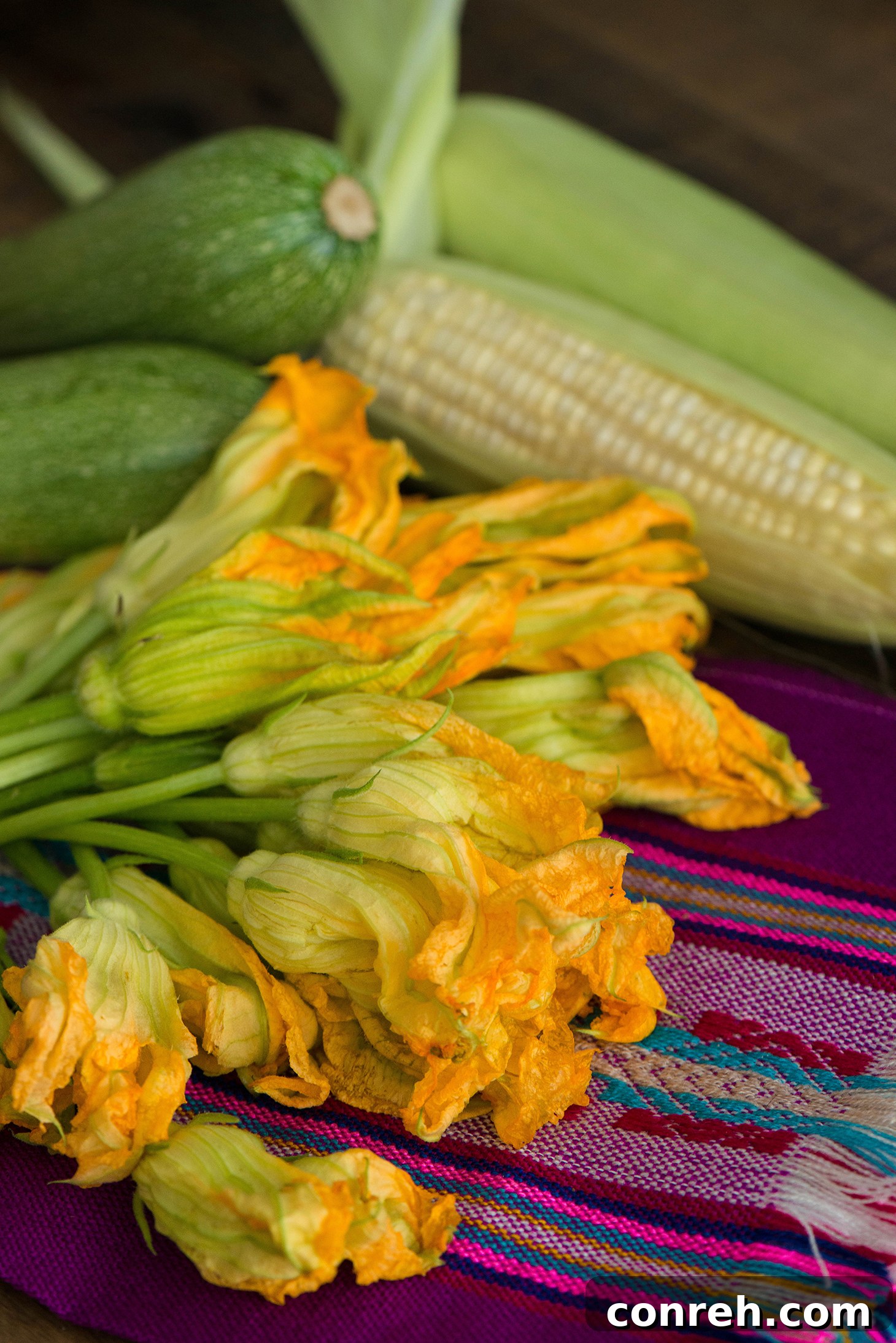
Sopa de Milpa, often described as “garden soup” or, more accurately, “soup of the cornfield,” is far more than just a meal; it is a profound culinary expression of central Mexico’s agricultural soul. This humble yet incredibly flavorful dish is a vibrant celebration of the bountiful harvests yielded by the milpa, an ancient Mesoamerican farming system. In a milpa, corn stands proudly as the central pillar, but it never stands alone. It is traditionally intercropped with beans, squash, diverse herbs, and a variety of chiles, creating a symbiotic ecosystem that has sustained communities for millennia.
For countless generations, Mexican families have gathered the freshest ingredients directly from their milpa to create this comforting and deeply nourishing soup. Its adaptability is legendary; the recipe evolves with the seasons, reflecting whatever the fertile fields provide at any given moment. This tradition embodies the very essence of farm-to-table dining, a concept that has been central to Mexican culinary practices long before it became a global trend. Sopa de Milpa is a testament to resourceful cooking, celebrating fresh, local produce and the rich biodiversity of the land.
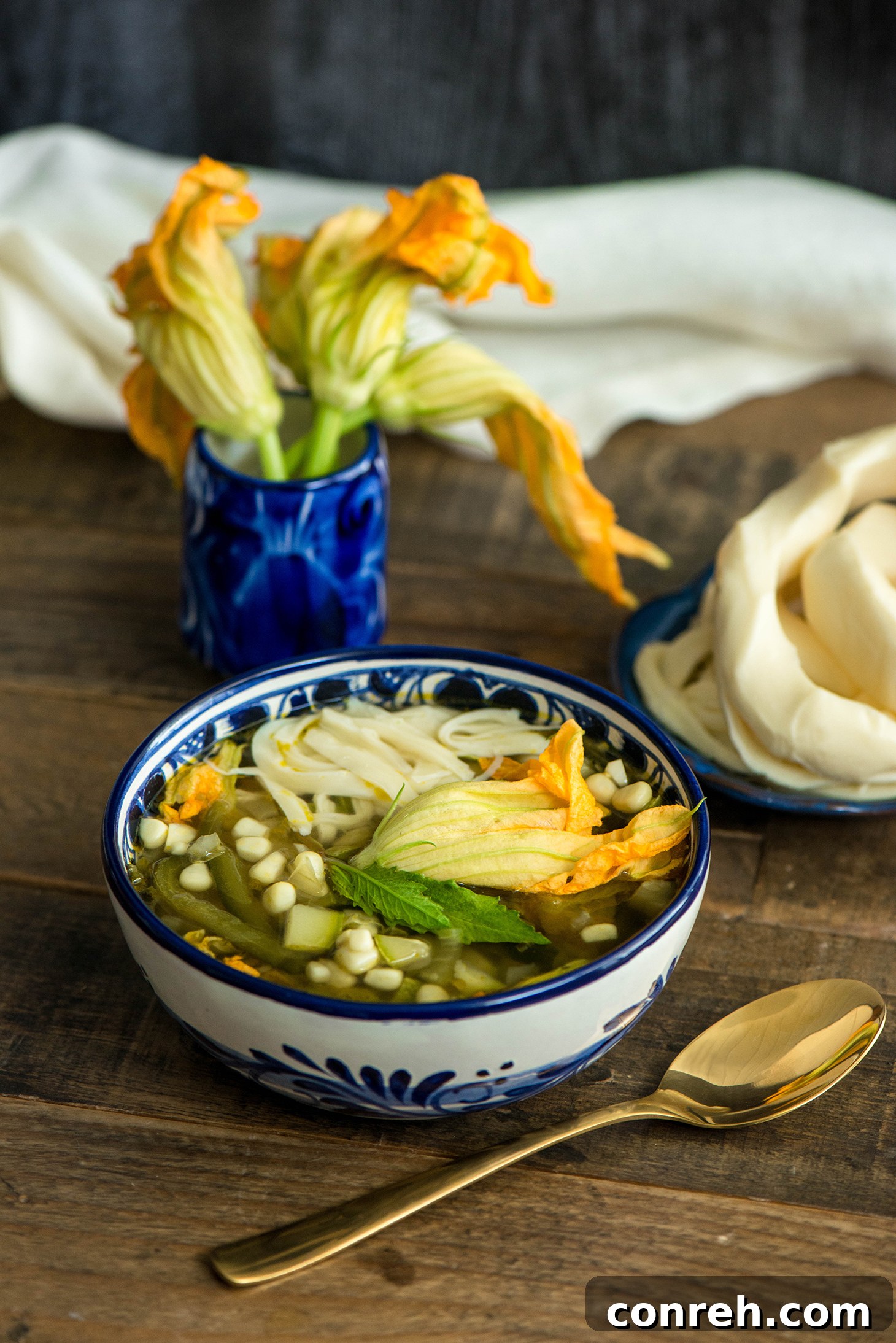
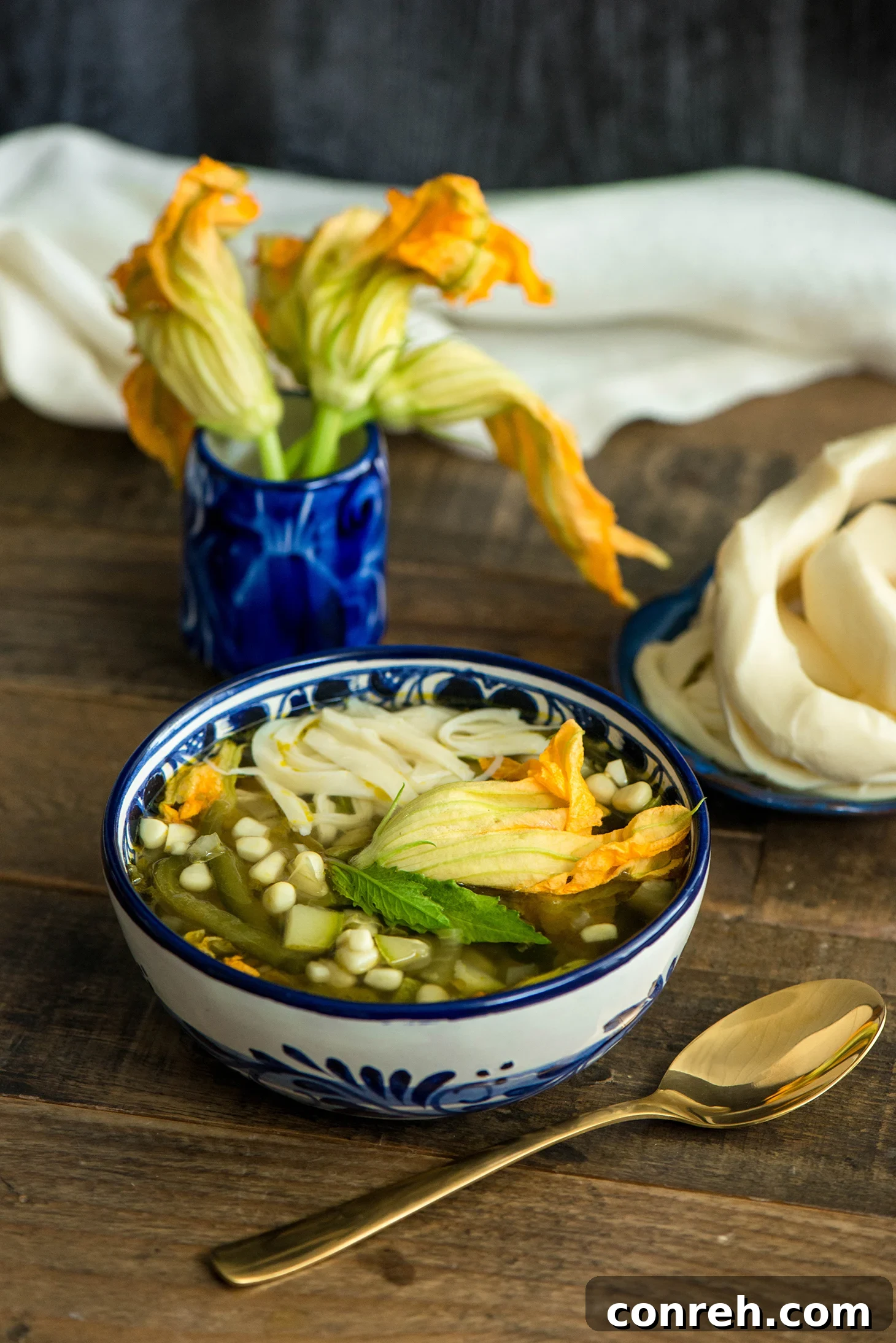
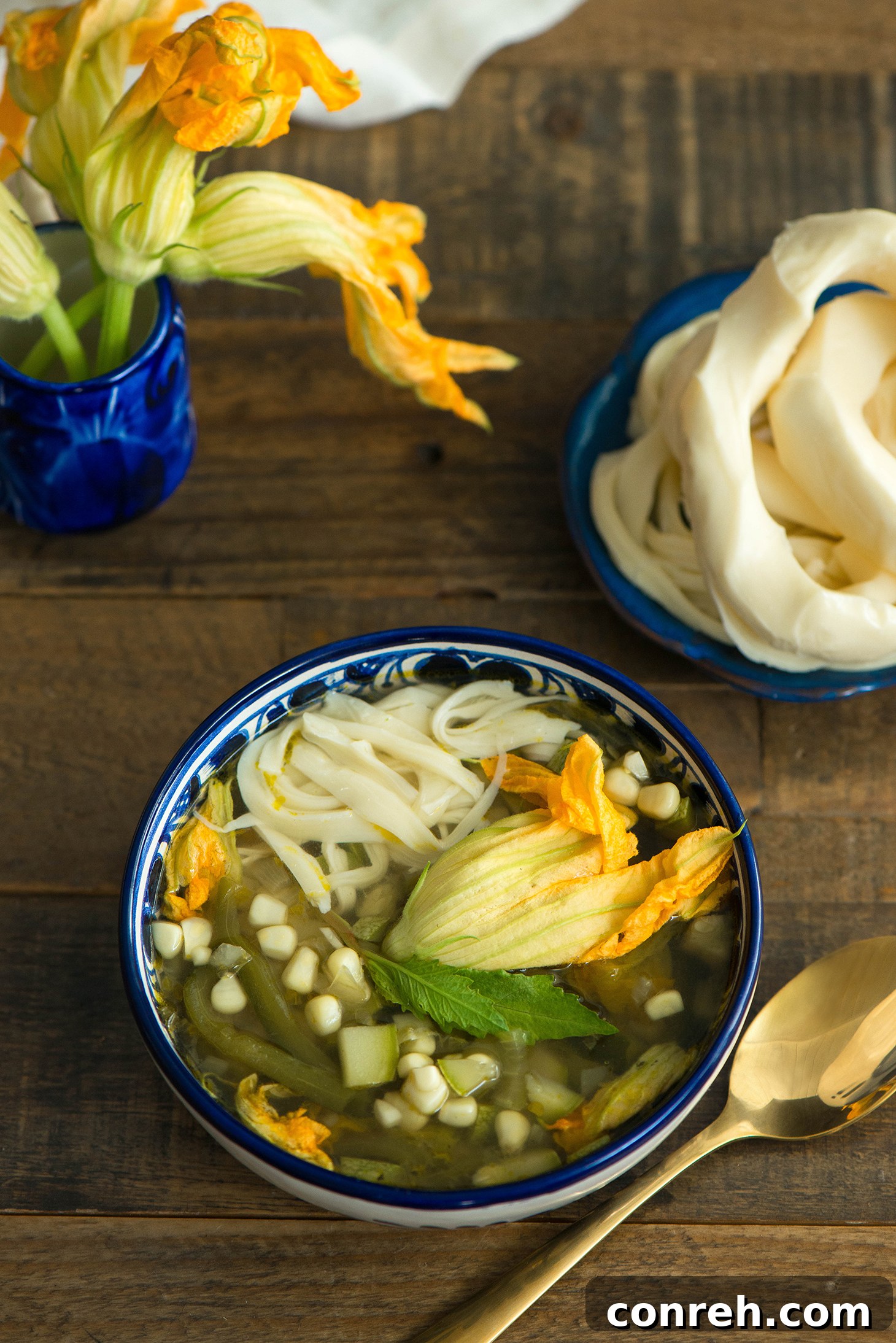
At its heart, Sopa de Milpa features a harmonious blend of seasonal vegetables. Common stars include tender Mexican squash (calabacita), sweet corn kernels, the subtle heat of poblano peppers, delicate squash blossoms, and the distinctive earthy aroma of epazote. These ingredients are gently simmered in a light, aromatic broth, creating a flavor profile that is both complex and incredibly refreshing. While its elegant lightness makes it an ideal first course, a generous sprinkle of creamy Oaxaca cheese and a side of warm, freshly made tortillas can easily transform Sopa de Milpa into a hearty, satisfying meal that nourishes both body and spirit.
Related Recipe: Mushroom Soup with Epazote
Crafting Your Bowl: Essential Ingredient Suggestions for Sopa de Milpa
One of the most appealing aspects of Sopa de Milpa is its inherent flexibility. While a few core ingredients provide its signature taste, the dish truly shines when personalized with the freshest produce available. This adaptability ensures that every pot of Sopa de Milpa is a unique reflection of its creator and the season. Here are some detailed suggestions for building your perfect bowl:
- Poblano Peppers: These versatile chiles are indispensable, lending a gentle, earthy heat and a nuanced smoky depth to the soup. Poblanos are typically mild, offering flavor without overwhelming spice. If authentic poblano peppers are difficult to source, Anaheim peppers can serve as a suitable, albeit milder, substitute. For those who appreciate a greater kick, a small amount of roasted jalapeño or serrano chile can be added with caution.
- Mexican Squash (Calabacita): Similar in appearance and texture to zucchini, Mexican squash features a tender skin and delicate flavor that holds up beautifully in the broth. Its mild taste perfectly complements the other vibrant ingredients. Should calabacita be unavailable, standard zucchini or even yellow squash can be used interchangeably, ensuring the soup retains its delightful texture.
- Corn: Fresh, sweet corn is a cornerstone of this dish, connecting it directly to the milpa system. Traditional recipes often call for white corn, celebrated for its tender kernels and sweet profile. However, yellow corn works equally well, adding a touch of golden color and familiar sweetness. During off-season months, high-quality frozen corn can be a convenient and acceptable alternative, though fresh is always preferred for optimal flavor.
- Epazote: This aromatic herb is arguably the most distinctive flavor in Sopa de Milpa. Epazote imparts an earthy, slightly pungent, and almost medicinal note that is uniquely Mexican and essential for an authentic taste. It also traditionally aids in the digestion of beans, making it a functional as well as flavorful addition. While fresh epazote can be challenging to find outside of specialty Latin American markets, fresh cilantro is the closest common substitute, though it will impart a brighter, less earthy flavor profile.
- Squash Blossoms (Flor de Calabaza): These delicate, vibrant orange flowers are a true seasonal delicacy. They not only add a beautiful burst of color to the soup but also contribute a subtle, slightly sweet, and almost creamy texture as they soften. If squash blossoms are out of season or unavailable, thinly sliced mushrooms (such as cremini or oyster mushrooms) make a hearty and savory replacement, adding an umami depth that complements the other vegetables.
- Cheese: A sprinkle of cheese is the perfect finishing touch, adding richness and a delightful creaminess. Shredded Oaxaca cheese is the traditional choice, known for its superb melting qualities and mild, milky flavor. If Oaxaca cheese is not accessible, Monterey Jack or even a mild mozzarella are excellent substitutes that melt beautifully into the hot broth. For a tangier note, crumbled queso fresco or cotija can also be used, offering a pleasant textural contrast.
Beyond these core ingredients, Sopa de Milpa truly becomes a canvas for seasonal abundance. Many family kitchens incorporate additional ingredients like tender nopal cactus strips, crisp green beans, robust mushrooms, or even diced potatoes for extra heartiness. This flexibility allows for endless variations, always rooted in the spirit of the milpa and its seasonal offerings.
A Culinary Journey Through Time: The Rich History of Sopa de Milpa
To truly appreciate Sopa de Milpa is to understand its deep historical and cultural roots, which stretch back thousands of years into the heart of Mesoamerican civilization. This soup is a living connection to an ancient way of life and a testament to indigenous ingenuity.
- Rooted in Indigenous Tradition and the Milpa System: The milpa system is not merely a method of agriculture; it is a holistic approach to food production that predates colonial contact by millennia. This sophisticated practice emphasizes biodiversity, sustainability, and mutualistic growth. At its core lies the ingenious planting of corn, beans, and squash together – a trio affectionately known as the “Three Sisters.” Corn provides a stalk for beans to climb, beans fix nitrogen into the soil, enriching it for the other plants, and squash vines spread across the ground, shading the soil to retain moisture and suppress weeds. This synergistic relationship ensures a resilient harvest and a nutritionally complete diet, forming the foundation of Mesoamerican sustenance and shaping dishes like Sopa de Milpa.
- A Celebration of Seasonality and Local Abundance: Sopa de Milpa is a quintessential seasonal dish. It is most commonly enjoyed during the warm, wet months of summer and early fall, precisely when the milpa bursts with fresh, tender squash blossoms, vibrant corn, and fragrant herbs. This seasonal reliance means the soup’s flavor can subtly shift throughout the year, always reflecting the peak freshness of its ingredients. It encourages a mindful connection to the agricultural calendar and the natural cycles of growth and harvest.
- Nutritious, Balanced, and Wholesome: Beyond its delicious taste, Sopa de Milpa is a powerhouse of nutrition. With its diverse array of vegetables, aromatic herbs like epazote, and often a light vegetable or chicken broth, the soup is remarkably light yet rich in essential vitamins, dietary fiber, and protective antioxidants. The inclusion of the “Three Sisters” principles in the broader Mexican diet ensures a balanced intake of carbohydrates, proteins, and healthy fats, making this soup a perfect example of traditional, wholesome eating.
- Every Family Has a Version: A Culinary Legacy: Much like beloved comfort foods in other cultures, such as chicken soup in the United States or minestrone in Italy, Sopa de Milpa is a dish with countless regional and family variations. There isn’t one single “correct” recipe; rather, it’s a fluid culinary tradition passed down through generations. Some families might enrich their broth with a touch of cream or milk for a richer consistency, while others prefer to keep it strictly vegetable-based for a lighter, vegan-friendly option. Ingredients like mushrooms, chayote, or different types of chiles might appear depending on local availability and family preference, making each bowl a unique expression of Mexican heritage and creativity.
Preserving Freshness: Storage and Reheating Tips for Sopa de Milpa
While Sopa de Milpa is undeniably at its peak when enjoyed fresh off the stove, its robust flavors and wholesome ingredients mean it stores remarkably well for a few days, making it an excellent candidate for meal prep or enjoying leftovers.
- Refrigerator Storage: To maintain its quality and flavor, allow the soup to cool completely to room temperature before transferring it to an airtight container. Refrigerate promptly, and the soup will remain fresh and delicious for up to 3 days. This method preserves the integrity of most vegetables and herbs, allowing for convenient enjoyment later.
- Freezer Storage: Freezing Sopa de Milpa is generally not recommended if the recipe includes delicate squash blossoms. These beautiful flowers tend to lose their appealing texture and become mushy upon thawing, diminishing the soup’s overall appeal. If you plan to freeze portions of the soup, it’s best to prepare the base broth with the more robust vegetables (corn, squash, poblano, epazote) and omit the squash blossoms and cheese. When ready to serve, thaw the soup base, gently reheat, and then add fresh squash blossoms and the desired cheese. This ensures that the delicate components retain their fresh qualities.
- Reheating Instructions: When it’s time to enjoy your Sopa de Milpa again, reheat it gently on the stovetop over medium-low heat. The key is to avoid bringing the soup to a vigorous boil, as this can cause the tender Mexican squash to overcook and become mushy. Stir occasionally until the soup is thoroughly warmed through. If the soup has thickened slightly in the refrigerator, you may add a splash of vegetable broth or water to achieve your desired consistency.
Elevating the Experience: Serving Suggestions for Sopa de Milpa
Sopa de Milpa, with its bright flavors and comforting warmth, is versatile enough to be served in many ways. While it traditionally functions as a delightful starter, a few thoughtful additions can transform it into a wonderfully satisfying and complete meal.
- Top with Traditional Cheeses: A generous sprinkle of shredded Oaxaca cheese is classic, melting into luscious strings that beautifully complement the hot broth. Alternatively, crumbled queso fresco or cotija adds a salty tang and a pleasant textural contrast.
- Accompaniments for Dipping: Serve the soup alongside a stack of warm, freshly made corn tortillas, ideal for dipping into the flavorful broth and scooping up vegetables. For a heartier option, slices of crusty bolillo bread or a toasted baguette can also be delightful.
- Garnish for Richness and Freshness: Enhance the soup’s visual appeal and flavor profile with fresh garnishes. Sliced avocado adds a creamy texture and healthy fats, while a drizzle of Mexican crema or sour cream thinned with a little milk offers a rich, tangy counterpoint. A scattering of fresh cilantro or extra epazote leaves can brighten the flavors further.
- Boost with Protein: To transform Sopa de Milpa into a more substantial main course, consider adding extra protein. Shredded cooked chicken (such as rotisserie chicken), leftover pork, or even a perfectly poached egg dropped into each bowl just before serving can add depth and satiety.
- Refreshing Beverage Pairings: Complement the fresh, vibrant flavors of the soup with a light and refreshing beverage. Traditional Mexican aguas frescas, such as hibiscus water (agua de jamaica) or tamarind water (agua de tamarindo), provide a delightful sweet and tart contrast that cleanses the palate beautifully.
Frequently Asked Questions About Sopa de Milpa
Absolutely! Sopa de Milpa is naturally brimming with fresh vegetables, making it inherently vegetarian-friendly. To ensure it’s fully vegan, simply use vegetable broth instead of chicken broth, and either omit the cheese or replace it with a plant-based melting cheese alternative. The soup’s rich vegetable content ensures it remains hearty and incredibly satisfying on its own.
Both squash blossoms and fresh epazote are often considered specialty ingredients. Your best bet for finding them is at Latin American grocery stores, Mexican markets, or local farmer’s markets, particularly during the summer months when they are in season. If these specific ingredients are unavailable, you can substitute zucchini flowers or thinly sliced mushrooms for squash blossoms. For epazote, fresh cilantro offers the closest aromatic profile, though the flavor will be somewhat different.
Sopa de Milpa, as traditionally prepared with poblano peppers, is generally not considered spicy. Poblanos contribute a mild warmth and earthy flavor rather than intense heat. If you prefer a spicier soup, you can easily customize it by adding a finely diced serrano pepper or a slice of jalapeño to the broth while it simmers, adjusting to your preferred level of heat.
Yes, you can certainly prepare parts of Sopa de Milpa in advance, making it a convenient option for entertaining. It’s best to cook the soup base (all vegetables except squash blossoms, simmered in broth) a day ahead. Store it cooled in the refrigerator. Before serving, gently reheat the soup, then stir in the fresh squash blossoms and finish with cheese. This method ensures that the delicate blossoms retain their texture and the flavors remain vibrant and fresh.
Sopa de Milpa is truly more than just a soup; it is a delicious narrative of heritage, sustainable agriculture, and family traditions woven into every spoonful. It embodies the ingenuity and connection to the land that has sustained communities in central Mexico for centuries. This dish invites creativity, allowing cooks to adapt it with what’s fresh and available, all while honoring the time-honored practices of the milpa. Whether enjoyed as a comforting weeknight dinner or as an elegant opening course for a special celebration, Sopa de Milpa promises to bring the authentic, wholesome flavors of the Mexican fields directly to your table.
Print Recipe
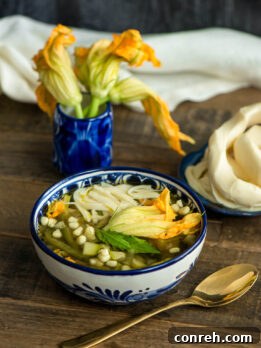
Sopa de Milpa
- Author: Ericka Sanchez
- Prep Time: 15 minutes
- Cook Time: 35 minutes
- Total Time: 50 minutes
- Yield: serves 8
Description
This humble and beautiful soup is a staple in central Mexico, crafted from vegetables traditionally harvested from a milpa, the integrated cornfield where corn grows alongside other essential crops. Featuring tender Mexican squash, sweet corn, delicate squash blossoms, aromatic epazote, and mild poblano peppers, these core ingredients are simmered in a light vegetable or chicken broth. Sopa de Milpa is an ideal dish to prepare when you have a selection of fresh, seasonal vegetables on hand, and its beauty lies in its versatility. While basic ingredients are consistent, many families add their own unique touches, often incorporating mushrooms, strips of nopal cactus, or green beans, making each version a personalized culinary delight.
Ingredients
- 2 poblano peppers
- 2 tablespoons olive oil
- 3/4 cup yellow onion, chopped
- 2 garlic cloves, chopped
- 2 cups Mexican squash, chopped
- 2 cups white corn
- 8 cups vegetable broth
- 2 epazote leaves
- 2 cups squash blossoms
- 1 teaspoon salt (or to taste)
- Oaxaca cheese, shredded (for serving)
Instructions
- Roast poblano peppers over an open flame or under a broiler, carefully turning with tongs until their skin is completely charred and blistered. Transfer the charred peppers to a plastic bag, seal it, and allow them to steam for approximately 10 minutes. This steaming process helps loosen the skin. Once cooled, remove the poblano peppers from the bag and gently peel off the charred skin using your fingers or a paper towel. Discard the tops, veins, and seeds. Slice the peeled poblano peppers into strips and set them aside.
- In a large saucepan or Dutch oven, heat the olive oil over medium heat. Add the chopped yellow onion and minced garlic. Sauté for about 2 minutes, stirring frequently, until the onion becomes translucent and fragrant.
- Add the reserved poblano strips to the saucepan and cook for 1 minute, allowing their flavors to meld. Introduce the fresh corn and chopped Mexican squash to the pan. Continue to cook for 5 minutes, stirring frequently, to lightly soften the vegetables. Pour in the vegetable broth and bring the mixture to a gentle simmer. Reduce the heat to medium-low and let the soup cook for 15 minutes, allowing the flavors to deepen and the vegetables to tenderize. Add the epazote leaves and season the soup with salt to taste. Bring it back to a gentle simmer once more, then immediately remove from heat to preserve the freshness of the squash blossoms.
- Serve the Sopa de Milpa hot, topping each bowl with a generous sprinkle of shredded Oaxaca cheese.