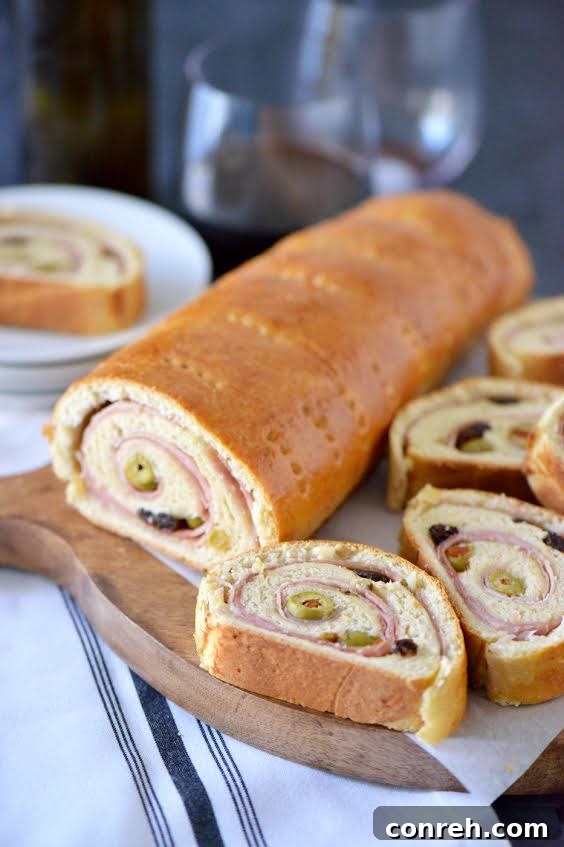
The Ultimate Guide to Pan de Jamón: Venezuela’s Beloved Christmas Ham Bread
As the holiday season unfurls, certain aromas and flavors have the power to transport us to cherished memories and festive celebrations. For many, particularly those with ties to Venezuela, the irresistible scent of freshly baked Pan de Jamón is the quintessential signal that Christmas has truly arrived. This iconic Venezuelan Christmas bread, a delightful fusion of savory and sweet elements, stands as a culinary masterpiece, traditionally stuffed with thinly sliced ham, plump raisins, and briny green olives. It transcends being merely a dish; it is a centerpiece, a delightful conversation starter, and an enduring symbol of Venezuelan holiday cheer.
My profound fascination with Pan de Jamón blossomed years ago, driven by its undeniable visual charm and, more importantly, its brilliant combination of some of my absolute favorite flavors into one harmonious bite. The rich, savory undertones of ham intertwine flawlessly with the unexpected bursts of sweetness from the raisins and the distinctive salty tang of the green olives, culminating in a flavor profile that is truly unparalleled. It’s a symphony for the taste buds, a perfect equilibrium that compels you to reach for another slice, and then another. Beyond its incredible taste, Pan de Jamón boasts an undeniable visual appeal. Its elegant spiral design, gracefully revealing layers of delicious fillings, makes it an impressive and eye-catching addition to any holiday table, effortlessly inviting questions and admiration from all your guests. It’s truly the kind of appetizer that sparks joy and lively conversation, pairing exquisitely with a robust glass of your preferred red wine.
Upon first glance, many perceive this beautiful, spiraled loaf as an intimidating baking project, often exclaiming, “That looks incredibly complicated to make!” I am here to assure you that appearances can be quite deceiving. Over the years, I’ve refined and re-tested this very recipe through six meticulous iterations, dedicating myself to perfecting it. My goal was to guarantee that every single slice you cut from this magnificent bread would offer a balanced and delicious experience, providing the perfect ratio of ham, at least one or two olives, and a scattering of sweet raisins. There’s a specific technique to achieving this consistent and equitable distribution, and I am thrilled to unveil it to you. With my detailed, straightforward, and easy-to-follow instructions, you will be genuinely amazed at how simple it is to bring this traditional Venezuelan delight to life in your own kitchen. Prepare to make Pan de Jamón a cherished and anticipated staple for all your future celebrations, extending its joy far beyond just the Christmas season!
The Rich History and Deep Cultural Significance of Pan de Jamón
Pan de Jamón is much more than just a recipe; it embodies a tradition deeply rooted in Venezuela’s history and cultural pride. Its origins trace back to the early 20th century in Caracas, where it quickly ascended to become an indispensable staple for Christmas and New Year’s Eve festivities. The creation of this beloved bread is generally attributed to a savvy Caracas bakery owner named Gustavo Ramella, who first introduced it to the public in 1905. Initially, the bread was a simpler affair, featuring only ham. However, as culinary tastes evolved and traditions mingled, raisins and olives were gradually incorporated into the recipe, transforming it into the rich and complex version we cherish today. This bread is a powerful symbol of warmth, family gatherings, togetherness, and the effervescent festive spirit that characterizes the Venezuelan holiday season. While every Venezuelan family might have its own subtle variations and preferred touches, the core ingredients and the profound sentiment behind the Pan de Jamón remain steadfast, bringing comfort, nostalgia, and immense joy to tables across the nation and wherever Venezuelans celebrate their heritage around the globe.
Why Embark on the Journey of Baking Pan de Jamón at Home?
While a few specialized Latin bakeries might offer commercially prepared Pan de Jamón, there exists an unparalleled and deeply satisfying reward in undertaking the journey of baking this exquisite bread from scratch in your own home. The enchanting aroma that permeates your entire living space as the bread bakes is utterly intoxicating, instantly conjuring a warm and inviting festive atmosphere that store-bought versions simply cannot replicate. Furthermore, crafting homemade Pan de Jamón grants you complete control over the quality and freshness of every single ingredient – from selecting the finest thinly sliced ham to ensuring the optimal plumpness of your raisins and the briny perfection of your green olives, not to mention the vitality of your yeast. This hands-on approach allows you to precisely adjust the levels of sweetness and saltiness to suit your personal preferences, and even to infuse the bread with your own unique culinary twists, truly making it a reflection of your individual taste and creativity. Baking Pan de Jamón from scratch is not merely a cooking task; it is an act of love, a delicious gift, and an incredibly rewarding culinary project that culminates in spectacular, heartfelt results, leaving you with a profound sense of accomplishment and a truly exceptional festive bread.

Authentic Pan de Jamón Recipe
5 Stars
4 Stars
3 Stars
2 Stars
1 Star
No reviews yet! Be the first!
Yield: Serves 10-12 1x
Prep time: 2 hours 30 minutes
Cook time: 40-45 minutes
Total time: Approx. 3 hours 15 minutes
Ingredients for Pan de Jamón
Scale
For the Enriched Dough:
- ¾ cup NESTLÉ CARNATION Evaporated Lowfat 2% Milk (or any low-fat evaporated milk for richness)
- ¼ cup (½ stick) unsalted butter, softened to room temperature
- 2 tablespoons granulated sugar
- 1 teaspoon MAGGI Granulated Chicken Flavor Bouillon (or a high-quality vegetable bouillon for a less intense flavor base)
- ¼ cup lukewarm water (ideally 105-115° F / 40-46° C to activate yeast without killing it)
- 1 packet (7 grams or 2 ¼ teaspoons) active-dry yeast
- 3 cups all-purpose flour, plus additional for dusting work surfaces
- 2 large eggs, lightly beaten, and divided (one for the dough, the second for the egg wash)
For the Delectable Filling:
- ½ pound thinly sliced cooked ham (smoked ham, Virginia ham, or a good quality spiral ham are excellent choices for authentic flavor)
- ½ cup dark or golden raisins, ideally plumped in warm water for 10-15 minutes and then thoroughly drained (this step is optional but greatly enhances their juiciness and flavor)
- ¾ cup pimiento-stuffed green olives, either sliced or kept whole (ensure you use good quality olives for the best taste)
Step-by-Step Instructions for Perfect Pan de Jamón
- Prepare the Enriched Milk Mixture: Begin by combining the evaporated milk, softened butter, granulated sugar, and MAGGI Granulated Chicken Flavor Bouillon in a small saucepan. Place this saucepan over medium heat, stirring continuously until the butter is completely melted and both the sugar and bouillon are thoroughly dissolved into the liquid. This gentle warming process is crucial for infusing the flavors and creating a smooth, rich base for your dough. Once dissolved, remove the saucepan from the heat and allow the mixture to cool completely to room temperature. It is absolutely vital that this mixture is not warm or hot when introduced to the yeast in a later step, as excessive heat will denature and kill the yeast, preventing your dough from rising.
- Activate the Yeast: In a separate small bowl, pour the lukewarm water. Ensure the water temperature is ideal – around 105-115°F (40-46°C) – it should feel warm to the touch, but not uncomfortably hot. Sprinkle the entire packet of active-dry yeast over the water. Stir gently once or twice to moisten the yeast, then set the bowl aside undisturbed for approximately 10 minutes. During this period, the yeast will begin to activate, forming a distinct foamy or frothy layer on the surface. This foam is a clear indicator that your yeast is alive and metabolically active, ready to beautifully leaven your bread. If, after 10 minutes, no foam appears, your yeast may be old or the water temperature was incorrect; in such a case, you must discard it and restart this step with fresh yeast.
- Form the Dough: Transfer the all-purpose flour into the mixing bowl of a sturdy stand mixer. Attach the dough hook, which is essential for proper kneading. Create a small, shallow well in the center of the flour. Into this well, carefully pour the activated yeast mixture, followed by the completely cooled milk mixture from Step 1, and finally, one of the lightly beaten eggs. Begin kneading the ingredients on a low speed. Continue to knead consistently for about 8 to 10 minutes. The dough will gradually transform, becoming smooth, visibly elastic, and losing its stickiness when touched lightly. If you find the dough is excessively sticky after 10 minutes, add a very small amount of extra flour, about one tablespoon at a time, until the desired texture is achieved. The development of this elasticity is paramount for producing a light, airy, and tender bread crumb.
- First Rise (Bulk Fermentation): Once your dough is perfectly kneaded, lightly oil a large, clean mixing bowl. Transfer the dough into this bowl, turning it over once to ensure all sides are coated with a thin layer of oil. This oiling prevents the dough from developing a dry skin as it rises. Securely cover the bowl with plastic wrap or a clean, damp kitchen towel. Place the covered bowl in a warm, draft-free environment – ideal spots include a slightly warmed oven (turned off after warming), a sunny windowsill, or even near a radiator. Allow the dough to undergo its first rise, or bulk fermentation, for approximately 1 ½ to 2 hours, or until it has noticeably doubled in size. This crucial first rise is fundamental for developing the bread’s complex flavor and its characteristic texture.
- Shape the Dough: After the dough has successfully doubled in size, gently punch it down to release the accumulated gases. Transfer the dough onto a lightly floured surface. Knead it briefly for just a minute or two to redistribute the yeast and ensure a uniform consistency. Next, using a rolling pin, roll the dough out evenly into a large, rectangular shape, aiming for dimensions of roughly 15 x 12 inches (approximately 38 x 30 cm). It’s important to achieve a consistent thickness across the entire rectangle to ensure uniform baking and a perfectly symmetrical spiral once rolled.
- Arrange the Filling Precisely: This step is critical for achieving the iconic, visually appealing swirl and ensuring every slice is perfectly loaded. Evenly spread the thinly sliced ham across the entire rolled-out dough rectangle, making sure to leave a precise ½-inch (1.25 cm) border along all the edges. This border is essential for properly sealing the loaf later. Next, scatter the plumped raisins uniformly over the layer of ham. Now for the secret to even olive distribution: strategically arrange one distinct row of pimiento-stuffed green olives very close to one of the longer borders of the rectangle (this will be the side you initiate the roll from). Then, create a second, separate row of olives placed closer to the middle of the dough rectangle. This meticulous two-row placement technique is what guarantees that almost every single slice of your Pan de Jamón will contain at least two pieces of olive, ensuring that delightful salty contrast in every single bite.
- Roll and Secure the Loaf: With careful precision, begin to tightly roll the dough up into a compact log, starting from the longer side that has the first row of olives. Roll it as snugly as possible to ensure the filling remains tightly packed within the dough and that the internal spiral structure is beautiful and defined. Once fully rolled, gently transfer the dough loaf to a baking sheet that has been lined with parchment paper. To secure the loaf and prevent it from unrolling or leaking, moisten your fingertips with lukewarm water and thoroughly wet the seam where the dough meets. Pinch this seam firmly shut along its entire length. Additionally, firmly pinch and seal both ends of the loaf to fully enclose the delicious filling and prevent any escape during the baking process. Cover the rolled loaf with plastic wrap, then drape a clean kitchen towel over it. Allow it to rest for a second, shorter rise of approximately 1 hour in a warm, draft-free location. This final rise contributes to a lighter, more tender crumb.
- Prepare for Baking: While your beautiful Pan de Jamón loaf is completing its crucial second rise, take this opportunity to preheat your oven to 350°F (175°C). Ensuring the oven reaches the precise temperature before the bread enters is paramount for promoting even baking, optimal rise, and the development of a perfect crust.
- Bake to Golden Perfection: After the second rise is complete, gently remove both the plastic wrap and the kitchen towel from the loaf. Take the remaining lightly beaten egg (from the divided eggs in the ingredient list) and, using a pastry brush, generously and evenly brush it over the entire top surface of the loaf. This egg wash is what will give your Pan de Jamón its characteristic beautiful, shiny, and rich golden-brown crust. Before placing it in the oven, use a fork to gently pierce the top of the loaf several times at various points. This simple step serves a vital purpose: it allows steam to escape during baking, preventing the formation of large, undesirable air pockets and minimizing the risk of unsightly cracks in the crust. Bake the Pan de Jamón for 40 to 45 minutes, or until it achieves a deep golden-brown color and emits a hollow sound when gently tapped on the bottom. Once baked, promptly remove the Pan de Jamón from the oven and transfer it to a wire rack to cool for at least 15 minutes before attempting to slice and serve. Allowing it to cool properly ensures the internal structure sets, and the flavors have ample time to meld beautifully.
Pro Tips and Flavor Variations for Your Pan de Jamón
- Selecting the Perfect Ham: For a truly authentic and flavorful Pan de Jamón, the choice of ham is crucial. Opt for a good quality smoked ham, Virginia ham, or even a well-flavored spiral ham that has been thinly sliced. Avoid overly watery or excessively salty deli hams, as they can detract from the overall balance of flavors.
- Plumping the Raisins for Juiciness: While optional, soaking your raisins in warm water for 10-15 minutes before draining and adding them to the filling makes them incredibly plump and juicy. For an adult-friendly variation, a splash of dark rum or brandy can be added to the soaking water for an extra layer of sophisticated flavor.
- Exciting Alternative Fillings: To add another dimension of flavor and texture, consider incorporating a thin, even layer of crispy, cooked pancetta or bacon alongside the traditional ham. This introduces an additional smoky, salty richness that complements the other ingredients beautifully.
- Adding a Spicy Kick: If you and your guests appreciate a touch of heat, finely diced pickled jalapeños can be strategically placed among the olives in the filling. The mild acidity and subtle spice offer a wonderful counterpoint to the bread’s inherent richness.
- A Touch of Cheese: While not strictly traditional, a light sprinkle of shredded mozzarella, a mild white cheese like “queso fresco,” or even a creamy provolone can be added to the filling for a gooey, cheesy texture. Ensure the cheese is not too strong, to avoid overpowering the classic flavors.
- Making it Vegan (A Challenge, But Possible!): For those following a vegan diet, a plant-based Pan de Jamón is achievable with careful substitutions. Use a good quality plant-based milk, vegan butter, and a suitable plant-based ham substitute. Always ensure that your active dry yeast is certified vegan, as some brands may use animal derivatives in processing.
- Optimal Storage and Reheating: Pan de Jamón is undoubtedly at its best when enjoyed fresh on the day it’s baked, while still slightly warm. Should you have any delightful leftovers, wrap the bread tightly in plastic wrap or aluminum foil and store it at room temperature for up to 2 days. Alternatively, it can be refrigerated for up to 4 days. To restore its warmth and delightful aroma, gently reheat slices in a preheated oven (around 300°F/150°C) for a few minutes. For longer storage, the baked Pan de Jamón freezes exceptionally well for up to 1 month; simply thaw completely at room temperature before reheating.
Pan de Jamón is far more than just a bread; it’s an immersive culinary experience. Each slice offers a flavorful glimpse into rich Venezuelan heritage, bringing together a delightful medley of textures and tastes that are uniquely satisfying. Do not allow the seemingly intricate appearance to intimidate you; with a modicum of patience and these comprehensive, detailed steps, you will undoubtedly succeed in baking a masterpiece that will profoundly impress your family and friends. This wonderful tradition is sure to become a cherished and anticipated part of your own holiday celebrations for years to come.
This authentic recipe was originally developed for El Mejor Nido, dedicated to bringing delicious, heartwarming flavors directly to your home kitchen.