Dia de los Muertos: A Vibrant Celebration of Life, Memory, and Spirit
Dia de los Muertos, or the Day of the Dead, is far more than a solemn occasion; it is a profoundly beautiful and spirited Mexican holiday that transforms grief into a vibrant celebration of life. Far from being a day of mourning, this ancient tradition, deeply rooted in pre-Hispanic indigenous cultures blended with Catholic influences, offers a unique opportunity to remember, honor, and connect with loved ones who have passed away. It’s a time when families believe the veil between worlds thins, allowing spirits to return home and feast on the aromas and essence of their favorite foods and drinks.
The celebration unfolds over two significant days: November 1st, known as Dia de los Angelitos (Day of the Little Angels) or All Saints Day, is dedicated to remembering and honoring deceased children. Their spirits are believed to return first, eager to enjoy the special offerings prepared just for them. Following this, November 2nd marks All Souls Day, a time to welcome and pay tribute to the spirits of adults who have departed.
The Essence of Dia de los Muertos: Bridging Worlds with Love
Every year, families across Mexico and in Mexican communities worldwide immerse themselves in the intricate preparations for Dia de los Muertos. This special day serves as a poignant reminder that death is not an end, but a natural part of the life cycle, and that the bonds of love transcend physical existence. It’s a powerful cultural experience, rich in symbolism and heartfelt gestures, where laughter and tears intertwine as memories are shared and cherished.
The core of this celebration revolves around the construction of elaborate altars, known as ofrendas (offerings), in homes and cemeteries. These aren’t altars of worship, but rather welcoming spaces meticulously decorated with the favorite trinkets, foods, and photographs of the departed, designed to entice their spirits back for a joyful visit. The creation of an ofrenda is a labor of love, a tangible expression of remembrance and an act of hospitality for the returning souls.
Crafting Your Ofrenda: A Step-by-Step Guide to Welcoming Spirits Home
Building an altar for Dia de los Muertos is a deeply personal and meaningful ritual, yet it follows a traditional structure designed to guide and comfort the spirits on their journey. An ofrenda can be arranged on any flat surface, often a table or stacked boxes, elegantly draped with cloth to create tiered levels. These tiers hold symbolic significance, with two-tiered altars representing heaven and earth, three-tiered altars adding purgatory, and seven-tiered altars symbolizing the seven levels a soul must cross to reach eternal rest.
While each altar is unique, several essential items must be displayed, each carrying profound meaning:
-
Cempasúchil (Marigolds): The Path of Petals
These vibrant orange and yellow flowers, an Aztec symbol for death, are perhaps the most iconic element of any ofrenda. Their brilliant hue and strong, distinct fragrance are believed to guide the spirits from the cemetery back to their homes. Petals are often scattered to form a radiant path or arranged in an arch or cross formation, symbolically representing the passage between life and death and making the altar even more colorful, beautiful, and fragrant.
-
Scents and Aromas: Guiding the Way and Purifying the Space
Aromatic elements are crucial for guiding the spirits and clearing negative energy. Traditional scents include incense, particularly white copal (an ancient resin), cinnamon sticks, star anise, and other aromatic spices. These fragrant plumes are thought to purify the space and help the dead find their way, creating an inviting and sacred atmosphere.
-
Candles: Illuminating Faith and Hope
Candles are indispensable, lighting the way for the spirits to their altar and representing faith, hope, and light. Each candle can symbolize an individual departed soul, with varying numbers used depending on family tradition. The flickering flames add a warm, inviting glow, beckoning the spirits home.
-
Water: Quenching Thirst and Symbolizing Life
A small glass of water is a fundamental component of any altar. It serves to quench the thirst of the honored spirits after their long journey back from the land of the dead. Water also represents purity, life, and the sustenance essential for existence.
-
Photos and Personal Trinkets: A Touch of Personal Connection
The altar is made personal with photos or cherished trinkets of the person or people being honored. Items such as grooming tools, favorite games, jewelry, or even clothing add a very personal and intimate feel, serving as a direct invitation and reminder of the loved one’s unique personality and passions.
-
Food and Drink: Nourishment for the Journey
As an ofrenda (offering), favorite foods and drinks of the departed are an essential part of a Dia de Muertos altar. This includes traditional fare like pan de muerto (bread of the dead), which is often sweet and decorated with bone-like shapes. Seasonal fruits, vegetables, and other favorites, such as traditional mole and tamales, are laid out. It is customary for food to be covered with a piece of cloth or plastic before November 1st. When Dia de Muertos arrives, the honored spirits are believed to consume the aroma and essence of the food, leaving the physical sustenance for the living to share later.
-
Papel Picado: The Fragility of Life and the Element of Air
Delicately cut paper banners known as papel picado adorn the altar and surrounding spaces. These colorful, perforated paper designs represent the fragility of life and the element of air, one of the four essential elements for an altar. Their intricate patterns, often depicting skeletons, flowers, and birds, add a festive and artistic touch.
Papel picado tools and papel picado
-
Sugar Skulls (Calaveras de Azúcar): Playful Mockery of Death
These colorful, edible skull confections, often adorned with names, embody the Mexican attitude towards death: not one of fear, but of playful interaction and acceptance. Eating these sweet treats is seen as a way of “playing with death” as they slowly melt in your mouth, crunching away the somber aspects of mortality.
-
Salt: Purification and Preservation
A small pile of salt is typically placed on the altar to purify the souls and prevent them from being corrupted before they reach their destination.
The Playful Dance with Death: Calaveras and Catrinas
Dia de los Muertos is renowned for its distinctive sense of humor regarding death. This perspective is evident in the tradition of calaveras literarias—short, satirical poems written to playfully mock living friends, politicians, or even oneself, depicting them as if they were already dead. These witty verses highlight death as a universal equalizer, a theme found throughout the celebration. Funny dancing skeletons are a common motif, played with and laughed at, further reinforcing the idea that death can be confronted with mirth.
An example of such a poem captures this spirit:
“Tras mucho tiempo por los campos vagar
la muerte comenzó a reflexionar
que en sus años de juventud
no conoció a un huesudo con diferente actitud.
Siempre los huesos le vieron
pero por no tener carne se fueron
dejándola sola en el abandono
para convertirse lentamente en abono.”
English Translation:
“After much time wandering through the fields
death began to reflect
that in her youth
had not met a corpse to love”
She always bared her bones
but not because of lacking meat
leaving her alone in the abandonment
slowly to become fertilizer.”
Another iconic symbol is La Calavera Catrina, an elegant skeletal figure wearing a fancy hat. Created by cartoonist José Guadalupe Posada, Catrina was originally a satirical commentary on Mexicans who aspired to European aristocratic styles while denying their indigenous roots. Today, she has become a central figure of Dia de los Muertos, embodying the idea that beneath all our finery, we are all equal in death. Catrina face painting, often intricate and beautiful, is a popular activity, allowing participants to embrace the holiday’s aesthetic and philosophical themes.
A Communal Celebration: Sharing Culture and Connection
The spirit of Dia de los Muertos extends beyond individual altars to embrace community and shared experience. I recently had the privilege of joining a group of bloggers at the Nestle corporate offices to delve deeper into this special holiday. It was a day filled with laughter, tears, and lively conversation as we enjoyed warming cups of Nescafé Café de Olla and slices of traditional pan de muerto. We learned how to bring out our “inner Catrina” with a captivating calaca face painting lesson and even tried our hand at cutting our own papel picado, truly immersing ourselves in the artistic and cultural nuances of the celebration.
This event, like countless family gatherings across Mexico, highlighted the communal aspect of the holiday. Families come together not only to build altars but also to cook traditional meals, share stories, and visit cemeteries, cleaning and decorating the graves of their ancestors. The air in towns and cities buzzes with music, parades, and the sweet scent of marigolds, creating an atmosphere that is both festive and deeply respectful.
Celebrating With Traditional Flavors: Café de Olla Atole
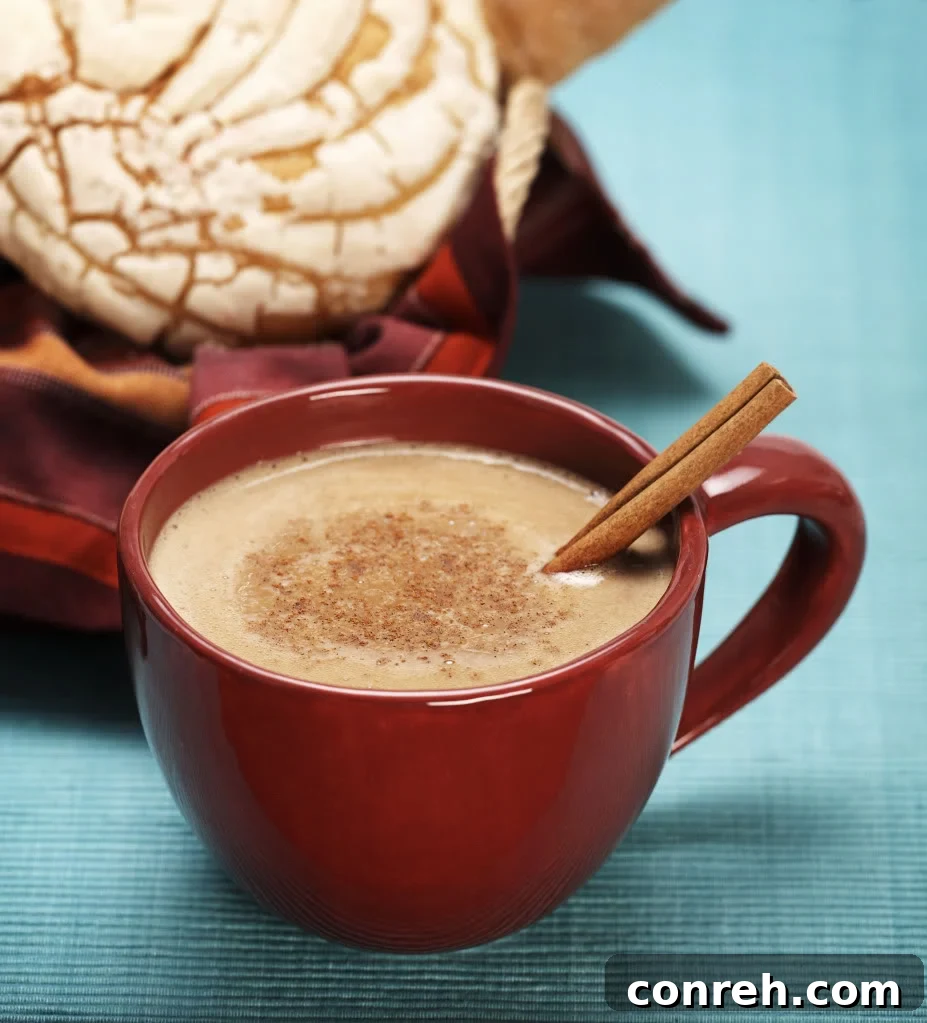
Food and drink are central to Dia de los Muertos, not just as offerings but also as a way for the living to connect and celebrate. This year, celebrate the Day of the Dead with a comforting cup of atole, a traditional warm beverage, made with Nestle’s Café de Olla and Chocolate Abuelita Granulado. There’s nothing quite like sitting around the table with a steaming mug, perhaps accompanied by a pan dulce, as we share memories and honor those we’ve lost. Below is a delicious recipe to try this Day of the Dead. Enjoy!
Café de Olla Atole Recipe
This heartwarming atole combines the rich flavors of traditional Mexican coffee with a comforting, creamy texture – perfect for cool November evenings.
Ingredients:
- 4 cups milk
- 3 tablespoons cornstarch
- 1/2 cup granulated sugar
- 3 tablespoons NESCAFÉ Café de Olla instant granulated coffee
- 2 teaspoons vanilla extract
- Ground cinnamon for garnish
Instructions:
- Combine the milk and cornstarch in a medium saucepan and whisk until thoroughly blended and no lumps remain.
- Add the sugar and NESCAFÉ Café de Olla granulated coffee to the mixture.
- Cook over medium-low heat, stirring constantly for about 15 minutes, or until the mixture thickens to your desired consistency. Be careful not to let it boil.
- Remove the saucepan from the heat and stir in the vanilla extract.
- Serve hot, garnished with a sprinkle of ground cinnamon.
Conclusion: A Legacy of Love and Remembrance
Dia de los Muertos stands as a testament to the enduring power of family, memory, and cultural heritage. It’s a holiday that teaches us to embrace the cycle of life and death, to find joy in remembrance, and to keep the spirits of our loved ones alive in our hearts and homes. Through vibrant altars, playful calaveras, and shared meals, it offers a profound way to reaffirm our connection to those who have come before us, ensuring that their legacy continues to inspire and enrich our lives. This unique Mexican tradition invites everyone to partake in a celebration that is both deeply personal and universally resonant—a beautiful tribute to the eternal bonds of love.
Disclosure: I was invited to a Dia de Los Muertos #ViveCultura event and received product and compensation for my time. All opinions are my own.