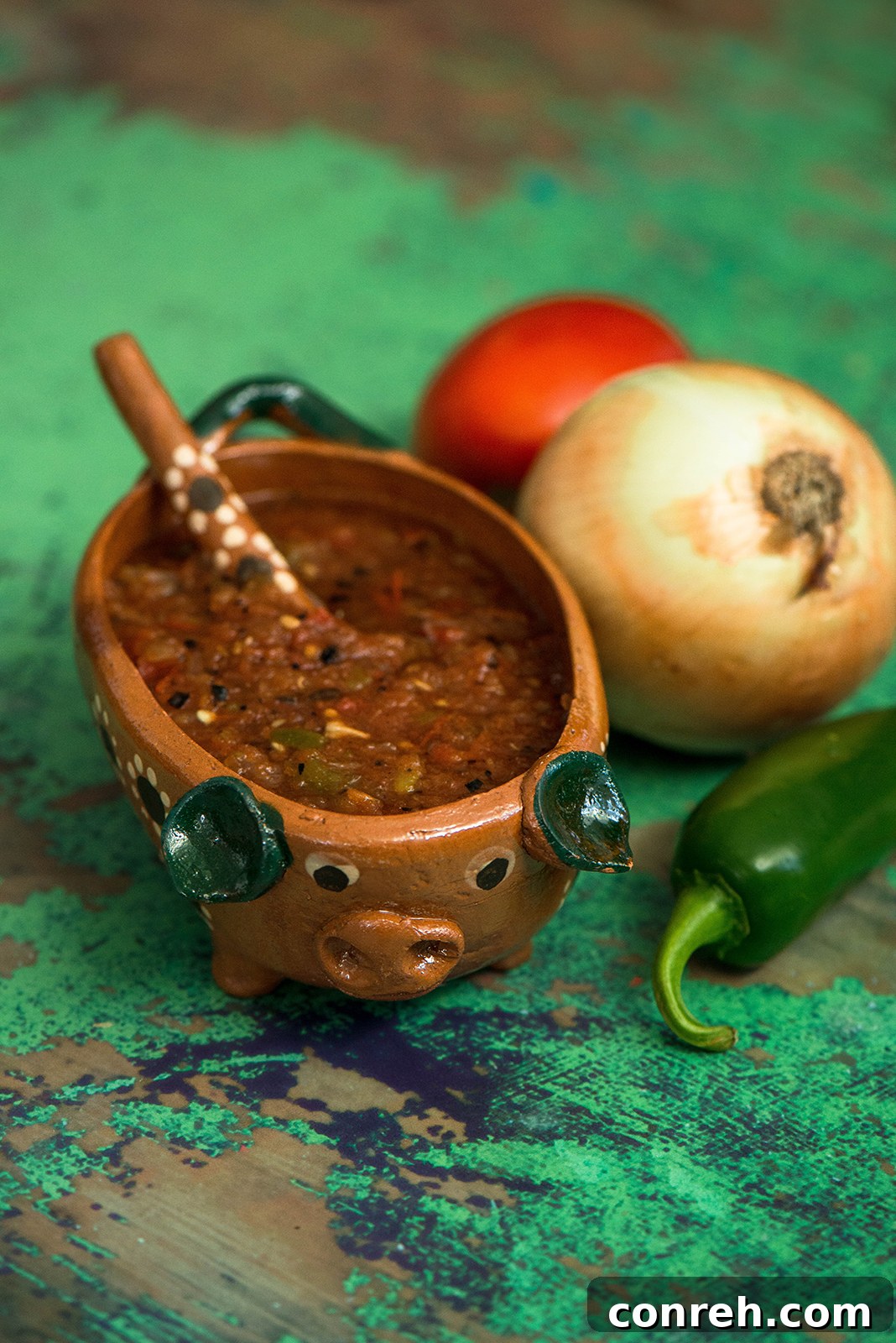
Unlocking Authentic Flavor: Your Comprehensive Guide to Homemade Salsa Asada
Imagine a culinary secret weapon, always at the ready in your refrigerator, poised to elevate any dish from ordinary to extraordinary. For countless enthusiasts of vibrant Mexican flavors, that secret weapon is Salsa Asada. This isn’t just any salsa; it’s a testament to the transformative power of roasting, a foundational technique that imbues humble ingredients with unparalleled depth and complexity. In kitchens across generations, and in my own daily routine, a generous glass bowl of this rich, smoky, homemade salsa is a constant companion, a beacon of flavor waiting to ignite your palate.
Those who follow my culinary adventures on social media often witness the rhythmic cycle of its creation: as soon as the last scoop is savored, I’m back in the kitchen, meticulously preparing a fresh batch. It’s more than a recipe; it’s a culinary ritual, born from the understanding that truly great food often begins with simple, well-prepared components.
This authentic Mexican salsa is the epitome of versatility. It’s the perfect everyday salsa, capable of enhancing breakfast staples like scrambled or fried eggs, transforming a humble taco into a gourmet experience, or adding a zesty kick to roasted vegetables and baked potatoes. Its robust flavor profile even makes it delightful enough to enjoy directly from the bowl, paired with crisp corn tostadas or your favorite tortilla chips. Its appeal lies in its simplicity and its profound ability to brighten and deepen the flavors of virtually anything it touches.
Why Salsa Asada Deserves a Permanent Spot in Your Kitchen
The term “Asada” refers to a grilling or roasting process, and it’s this very technique that sets Salsa Asada apart from its fresh, uncooked counterparts. By charring the tomatoes, onions, garlic, and jalapeños, we unlock a new dimension of flavor – a smoky sweetness that is impossible to achieve otherwise. This process caramelizes the natural sugars within the vegetables, adding depth, richness, and a subtle smokiness that forms the backbone of this incredible condiment.
Beyond its exquisite taste, there are compelling reasons to make this easy salsa recipe a staple:
- Unmatched Freshness: Unlike store-bought options often laden with preservatives and artificial flavors, homemade salsa offers pure, unadulterated freshness. You control every ingredient, ensuring a healthy and delicious addition to your meals.
- Flavor Customization: Want more heat? Add an extra jalapeño or a spicier serrano pepper. Prefer it milder? Remove some seeds and veins from the pepper. The power to tailor the flavor to your exact preference is entirely in your hands.
- Economical & Simple: Made from readily available and inexpensive produce, this salsa is a budget-friendly way to elevate your home cooking. The preparation is straightforward, requiring minimal culinary expertise.
- Culinary Foundation: Think of it as a flavor foundation. It’s not just a topping; it can be a base for stews, marinades, or even a flavorful liquid for braising meats, injecting a delicious spicy kick into countless dishes.
The Art of Roasting: Key Ingredients for Your Perfect Salsa Asada
The magic of Salsa Asada begins with selecting quality ingredients and applying the perfect roasting technique. Here’s a closer look at the stars of this roasted salsa:
- Roma Tomatoes (4 medium): These are ideal for salsa due to their firm, meaty texture and lower water content compared to other varieties. Roasting them concentrates their sweetness and develops a rich, savory depth. The charred skins also contribute to the salsa’s characteristic dark flecks and robust flavor.
- Small Yellow Onion (1, sliced in half): When roasted, the pungent edge of the onion mellows, transforming into a sweet, caramelized essence that adds a crucial layer of flavor. It becomes tender and slightly translucent, adding body to the salsa.
- Large Garlic Cloves (3, with husk): Roasting garlic in its husk protects it from burning and results in soft, sweet, mellow garlic cloves with a slightly nutty flavor, a stark contrast to raw garlic’s sharpness. This process eliminates the harshness, leaving only pure, aromatic goodness.
- Large Jalapeño (1, stem removed): This pepper provides a moderate heat level, along with a fresh, earthy taste. Roasting it brings out its smoky notes and slightly softens its spice. For those desiring more heat, a serrano pepper can be substituted, or for less spice, you can remove more of the seeds and membranes after roasting. You can even use two jalapeños for an extra kick without overwhelming heat.
- Salt (1 teaspoon, or to taste): Essential for enhancing all the flavors and balancing the acidity of the tomatoes and the heat of the jalapeño. Always taste and adjust as needed, as salt is crucial for bringing all the ingredients into harmony.
- Water (1/2 cup): This is used sparingly to achieve the desired consistency when blending. The amount can be adjusted based on how thick or thin you prefer your salsa. For a thicker, more concentrated salsa, you might use less or no water.
The roasting process itself is paramount. Heat a large, heavy-bottomed skillet or a traditional Mexican comal (a flat griddle) over medium-high heat. Arrange the tomatoes, onion halves, garlic cloves (still in their papery husks), and the jalapeño directly on the hot surface. Allow them to cook, turning occasionally with tongs, until distinct charred patches appear on the vegetables and the skins of the tomatoes begin to blister and peel away. This typically takes about 10-15 minutes, depending on the heat and the size of your vegetables. This charring is what builds the deep, complex flavors that define Salsa Asada. Once roasted to perfection, remove the husks from the garlic cloves; they should be soft, golden, and wonderfully fragrant.
Crafting Your Salsa: Molcajete vs. Blender for the Perfect Texture
Achieving the perfect texture for your Salsa Asada is a matter of preference and available tools. Both traditional and modern methods yield delicious results, each with its own charm and subtle differences in the final product.
The Traditional Molcajete Method: A Taste of Heritage and Rustic Charm
If you’re looking for an authentic experience and don’t mind a bit of an “arm workout,” a molcajete (a traditional Mexican mortar and pestle made from volcanic rock) is an excellent choice. This method doesn’t just crush the ingredients; it grinds them, releasing more essential oils and creating a wonderfully rustic, textured salsa. The slight friction and porous surface of the molcajete also contribute to a unique flavor profile that some purists argue is superior, offering a deeper, more integrated taste.
To prepare your Molcajete Salsa:
- Start by placing the roasted garlic cloves with the salt into the molcajete. Use the tejolote (pestle) to grind them into a rough paste. The abrasiveness of the volcanic rock makes this surprisingly easy and efficient.
- Next, add the roasted onion. Continue to grind and mash, incorporating it with the garlic-salt paste.
- Finally, add the roasted tomatoes and jalapeño. Work in batches if necessary, mashing and grinding the ingredients against the sides and bottom of the molcajete until your desired consistency is reached. You can leave it chunky for a robust bite or grind it finer for a smoother, yet still textured, sauce.
- You will notice that with a molcajete, you typically won’t need to add any water at all. The vigorous grinding process naturally releases enough liquid from the roasted vegetables to form a cohesive, rich salsa. Taste and adjust for salt as you go.
The Modern Blender Method: Speed, Convenience, and Consistency Control
For those pressed for time or seeking a smoother consistency without the labor, a blender or food processor offers a quick and efficient alternative. While it might lack the rustic charm and subtle textural nuances of a molcajete, it delivers equally delicious results with a fraction of the effort, making blender salsa a practical choice for busy households.
When using a blender, precision is key to avoid over-processing and losing that desirable chunky texture:
- Carefully transfer all the roasted vegetables (tomatoes, onion, peeled garlic, and jalapeño), along with the salt and the specified amount of water, to your blender container.
- Begin blending on a very low speed. Crucially, utilize the “pulse” setting rather than a continuous blend. Pulse in short increments, about 5 seconds at a time. This method gives you maximum control over the texture.
- Continuously check the consistency between pulses. The goal is a vibrant, flavorful salsa with a pleasingly chunky texture, not a smooth “salsa smoothie.” Over-blending at high speeds can quickly liquify your ingredients, losing the desired rustic appeal and mouthfeel.
- Once your preferred consistency is achieved, taste the salsa and adjust the salt or any other seasoning as needed. Remember, you can always add more salt, but you can’t take it away.
Serving Suggestions and Culinary Versatility
Once your Salsa Asada is prepared, the possibilities are endless. Its robust and smoky flavor makes it incredibly versatile, suitable for a wide array of dishes:
- Breakfast & Brunch: A generous spoonful over scrambled eggs, sunny-side-up eggs, breakfast tacos, migas, or huevos rancheros provides an instant flavor upgrade, making your morning meal unforgettable.
- Taco Night Essential: The quintessential topping for any taco, from savory carne asada and succulent al pastor to flavorful chicken, fish, or vegetarian options. Its depth complements every filling.
- Grilled Meats & Poultry: Drizzle it generously over grilled steak, pork chops, chicken, or white fish for a vibrant, smoky accompaniment that cuts through richness and adds brightness.
- Vegetarian Delights: A fantastic addition to roasted vegetables, grilled corn on the cob, black bean burgers, quesadillas, burritos, enchiladas, or a simple bowl of rice and beans for a burst of flavor.
- Snack Time Savior: Enjoy it traditionally with crispy tortilla chips, corn tostadas, or as a vibrant dip for crudités like cucumber sticks, bell pepper strips, and carrots.
- Beyond the Plate: Incorporate it into marinades for meats, use it as a flavorful base for authentic Mexican stews (like a simple carne con chile), or even spread it on sandwiches and wraps for an unexpected and delightful spicy kick. It can also be mixed into sour cream or yogurt for a milder, creamy dip.
This spicy kick provider is truly a life-saver when you need to quickly add depth and excitement to a meal, whether you’re preparing elaborate stews or just need to jazz up a simple weeknight dinner. Its presence alone in your refrigerator opens up a world of quick and delicious meal enhancements.
Storage and Longevity of Your Homemade Salsa
Proper storage ensures your homemade Salsa Asada remains fresh and flavorful for days. Once prepared, allow the salsa to cool completely to room temperature. Then, transfer it to an airtight glass container. Stored in the refrigerator, it will retain its peak freshness and robust flavor for up to 5-7 days. While it might technically last a bit longer, the flavors are best enjoyed within this timeframe, as the freshness of the ingredients is paramount. Always use a clean spoon each time you serve a portion to avoid contamination, and trust your senses – if it smells or looks off, it’s always best to discard it.
Related Recipe: Peach Mango Salsa
Salsa Asada | Roasted Salsa Recipe
- Author: Ericka Sanchez
- Prep Time: 10 minutes
- Cook Time: 15 minutes
- Total Time: 25 minutes
Description
This is the go-to everyday salsa that you must always have in your kitchen. Perfect as a topping to your favorite dishes, it adds an authentic Mexican flavor with its delicious roasted notes.
Ingredients
- 4 Roma tomatoes
- 1 small yellow onion, sliced in half
- 3 large garlic cloves, with husk
- 1 large jalapeño, stem removed
- 1 teaspoon salt (or to taste)
- 1/2 cup water (optional, for blending; omit for molcajete)
Instructions
- Roast the Vegetables: Heat a large skillet or comal over medium-high heat. Add the Roma tomatoes, onion halves, garlic cloves (with husks), and the jalapeño. Cook until distinct charred patches appear on the vegetables and the tomato skins begin to blister and peel. This typically takes 10-15 minutes, turning occasionally. Remove husks from garlic cloves once cooled slightly.
- Blend to Perfection (Blender Method): Transfer all the roasted vegetables to a blender container. Add the salt and water. Pulse on a low setting, blending in 5-second increments, until your desired chunky salsa texture is achieved. Be careful not to over-blend; you want texture, not a smoothie. Taste and adjust salt if needed.
- Grind in Molcajete (Traditional Method): Alternatively, in a molcajete, first grind garlic and salt into a paste. Then add onion, followed by tomatoes and jalapeño, grinding until desired rustic texture is reached. Water is generally not needed with this method. Taste and adjust salt.
- Serve and Enjoy: Transfer the finished salsa to a bowl and serve immediately. It’s excellent warm or at room temperature. Store any leftovers in an airtight container in the refrigerator for up to 5-7 days.
I genuinely hope this super simple yet incredibly flavorful Salsa Asada recipe becomes a permanent fixture in your refrigerator. It truly is a lifesaver, providing that perfect spicy kick to elevate your everyday meals and infuse them with the rich, authentic tastes of Mexico. Embrace the journey of making and savoring this fantastic homemade salsa!